By R.BALU | DIRECTOR
Title of the Project: RACIAL JUSTICE IN CONCEINTIZATION, ADVOCACY, LOBBYING
AND SUPPORT TO DALIT COMMUNITY
‘Dalit’ literally means oppressed and crushed. It is a nomenclature that is used to describe the 20% of India’s population or almost 200 million people referred to as the scheduled castes. This is classified outside the caste hierarch. The percentage of Dalit population in our District of India according to 2010 census is 22.19% which is more than the state average. Their participation in terms of labour and their contribution to culture are enormous and significantly larger than their share in the population.
PLIGHT OF DALITS IN THE TARGET AREA:
60% of the dalits in Tiruvannamalai District landless agricultural labourers and the rest are marginal farmers who mainly own dry lands. The main source of income is through their daily wages. The Dalits form the single largest group of agricultural labourers in the country the landless agricultural labourers. Dalit women form the majority of the landless labour force. This happens to be poorest and the most vulnerable section of Indian society. This segment of society has taken the worst beating in the last 10-11 years of economic change, in the last 10 years due to mechanisation of the agricultural sectors. Cultivation of cash crops that require less agricultural workers and the failure of monsoon. Fifty-four years after independence a vast mass of this group still lives in segregated clusters and in the periphery of villages. Social problems such as family disintegration high rate of school dropouts of dalit children insecurity and frustrations among the dalits are on the increase. Deprivation and continuous oppression suppression has made the dalits submissive fearing repression from the higher caste Hindus.
In this situation practice of untouchability, denial of access to the dalits in the common resources of the villages by the caste Hindus is increasing. In every village the infrastructure is concentrated in the upper caste colonies. The village bank, the temple, co-operative society etc are all situated. As a result of all these the high caste Hindus find the Dalits very weak in erms of strength and unity. They become vulnerable and their women are victims of rape are common phenomena in these districts. Women within the Dalit community face the triple burnt of discrimination – based on their caste and their gender and being asset less. Thus Dalits who form the majority of the population in this district are denied for their human rights. Access to justice to protect their fundamental rights is illusory because of lack of awareness and finance.
PROJECT ACTIVITIES AND METHODOLOGY :
I. Staff Training:
The Staff Team will be given following trainings to implement the project activities effectively and efficiently.
II. Strengthening knowledge & capacity of Dalits:
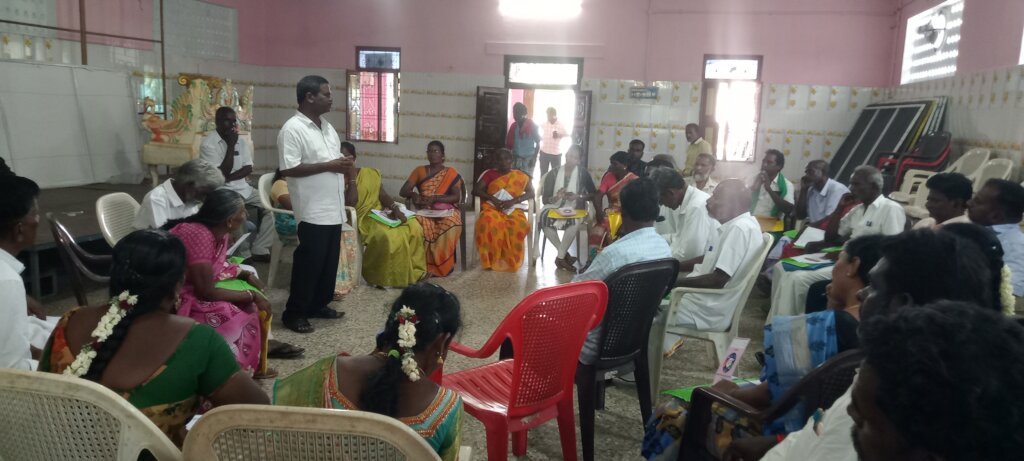
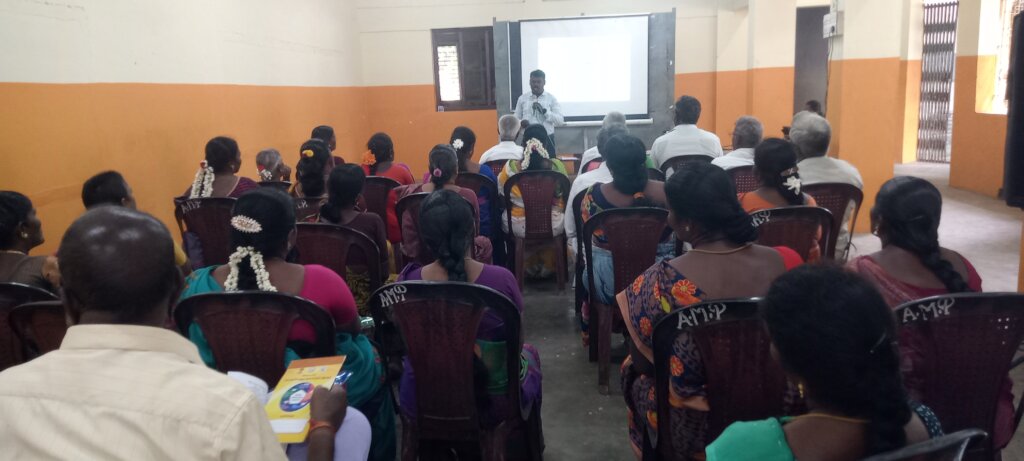
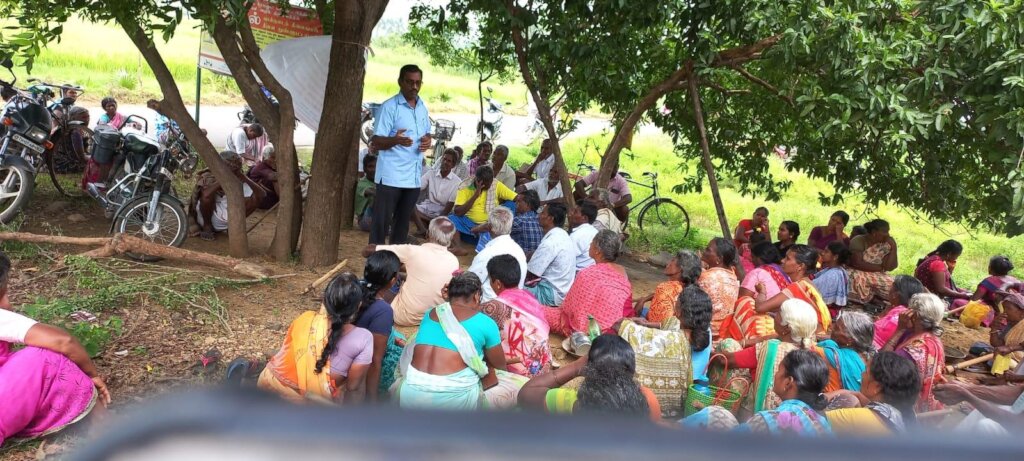
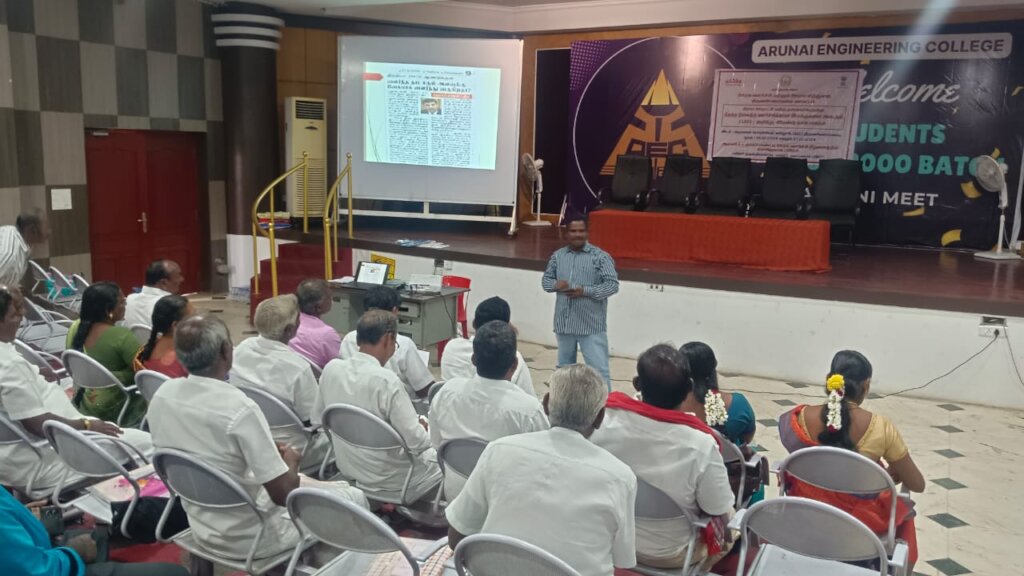
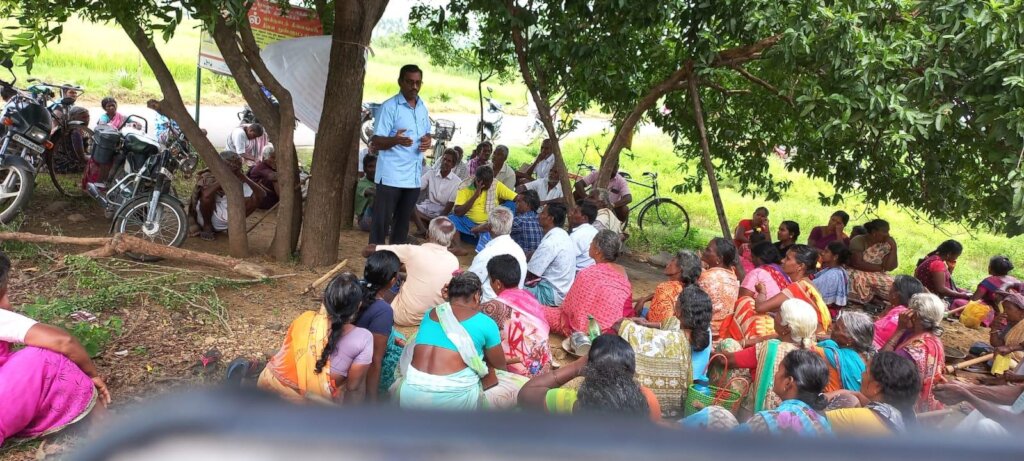
The Participants (target group) will be mobilized and the following training will be given to them so as to reach the aims and objectives of the project.
i. Leadership & Political influence Training for one-day
Leadership Training syllabus:
Political influence Training Syllabus:
ii.Formation of women and youth groups Training Syllabus:
Sustainability of the Project :
This project could acquire sustainability by formulating District wise Forum of Dalit Human Rights in which the NGO’s individuals and eminent scholars could become members. The components and strategies emphasised in this project could be aggregated and recommended to the Forum. Further the membership fees and local contributions and other fund raising activities could able to support the Forum’s activities.
Project reports on GlobalGiving are posted directly to globalgiving.org by Project Leaders as they are completed, generally every 3-4 months. To protect the integrity of these documents, GlobalGiving does not alter them; therefore you may find some language or formatting issues.
If you donate to this project or have donated to this project, you can receive an email when this project posts a report. You can also subscribe for reports without donating.



Support this important cause by creating a personalized fundraising page.
Start a Fundraiser