By Gabriel M. Espasas | President, PHA Pterocarpus Forest, Inc.
Expanding the environmental education initiatives supported by this project was the mainstay of our activities during the period from April through July 2026. Building upon the work described in our previous report, the emphasis during this period shifted from planning and development to implementation and public engagement.
As the Forest continues evolving as a center for conservation, recreation, and scientific discovery, our goal remains unchanged: transforming an ordinary visit into a meaningful learning experience grounded in science and a deeper understanding of the natural world.
Educational Field Seminar Series
One of the most important developments during this period was the successful launch of the Forest’s Educational Field Seminars.
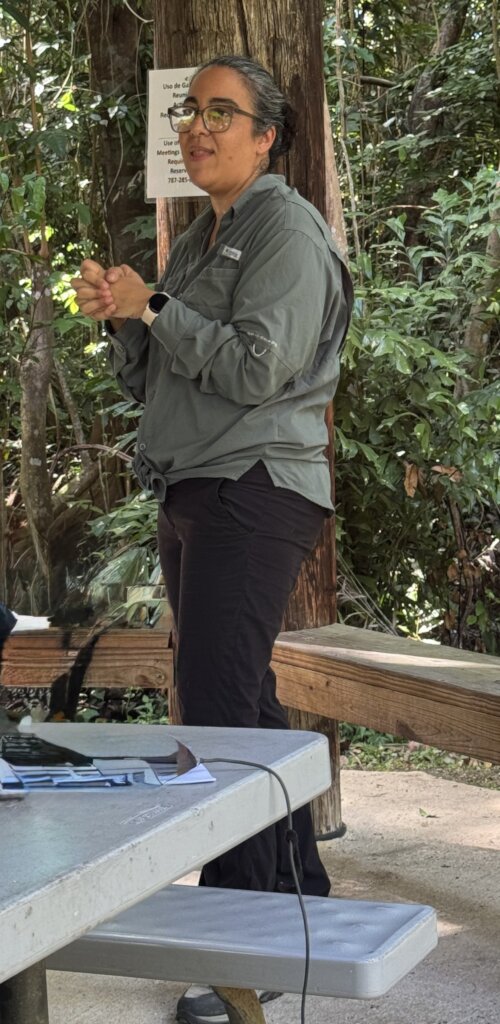
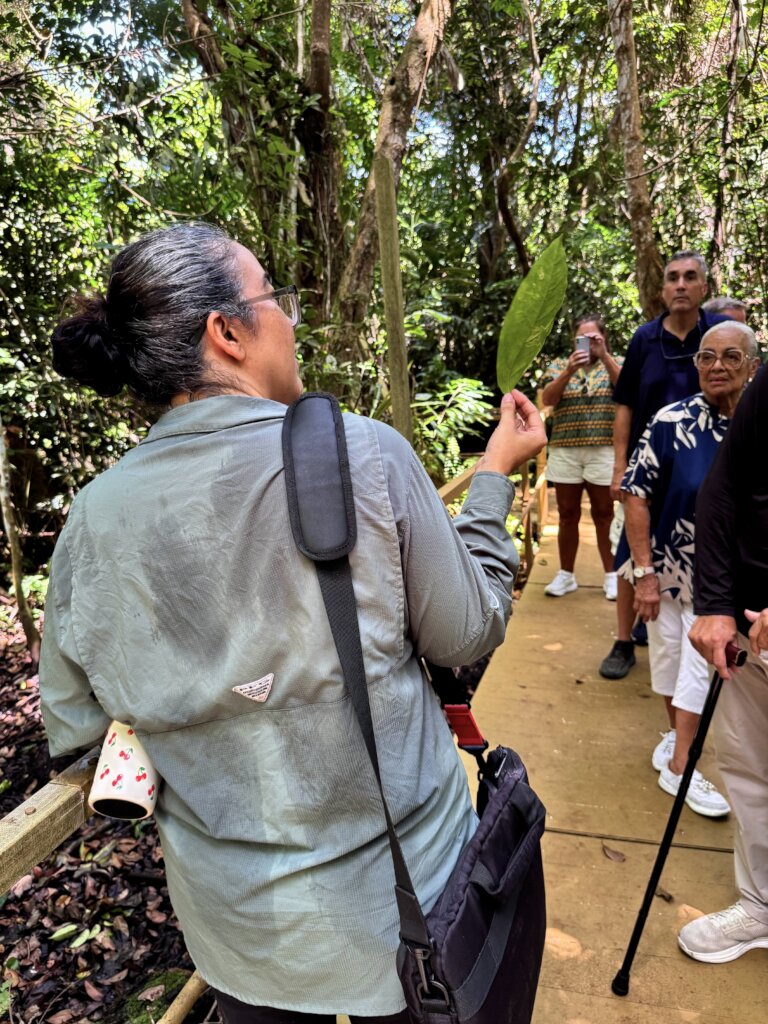
The first seminar, The Living Forest, was held on June 6 and brought together participants for a morning of learning, discovery, and connection with nature led by Dr. Ivelisse Irizarry, a plant biologist, university professor, and leader of the Forest’s biodiversity cataloguing efforts on the iNaturalist platform.
Through an engaging presentation, participants explored the extraordinary biodiversity of the Forest, one of Puerto Rico’s most unique ecosystems. During both the presentation at the Forest’s gazebo and the field component of the seminar, participants learned how anyone—including visitors—can contribute to the study and protection of the Forest through citizen science. Participants received a hands-on introduction to the iNaturalist platform and discovered how easily they could document plants, animals, fungi, and other organisms using their cell phones.
Drawing upon her extensive knowledge of the ecosystem, gained through many years of research conducted at the Forest, Dr. Irizarry encouraged active interaction among participants while deepening their understanding of the ecological importance of this rare wetland ecosystem.
We expect to continue expanding these offerings during the coming months, focusing on areas such as plant ecology, fungi, ornithology, herpetology, and wetland conservation. Stay tuned to our social media channels and other announcements, and join us for these rewarding experiences.
Extending the Forest Beyond Its Boundaries
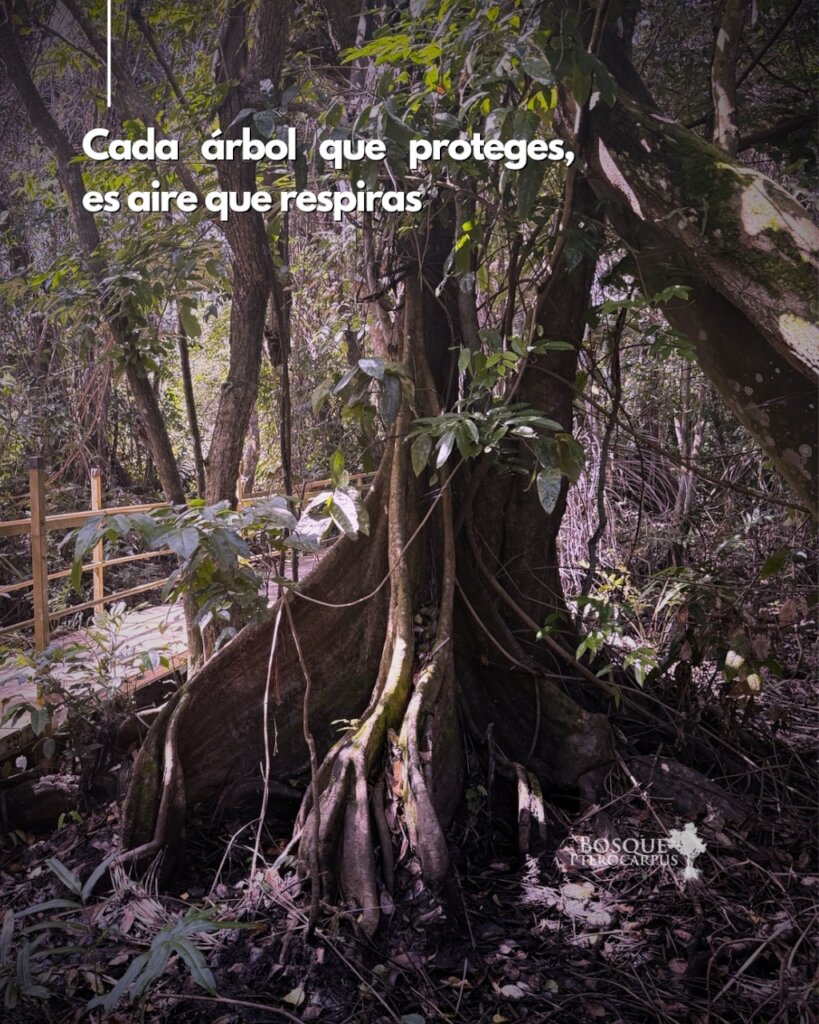
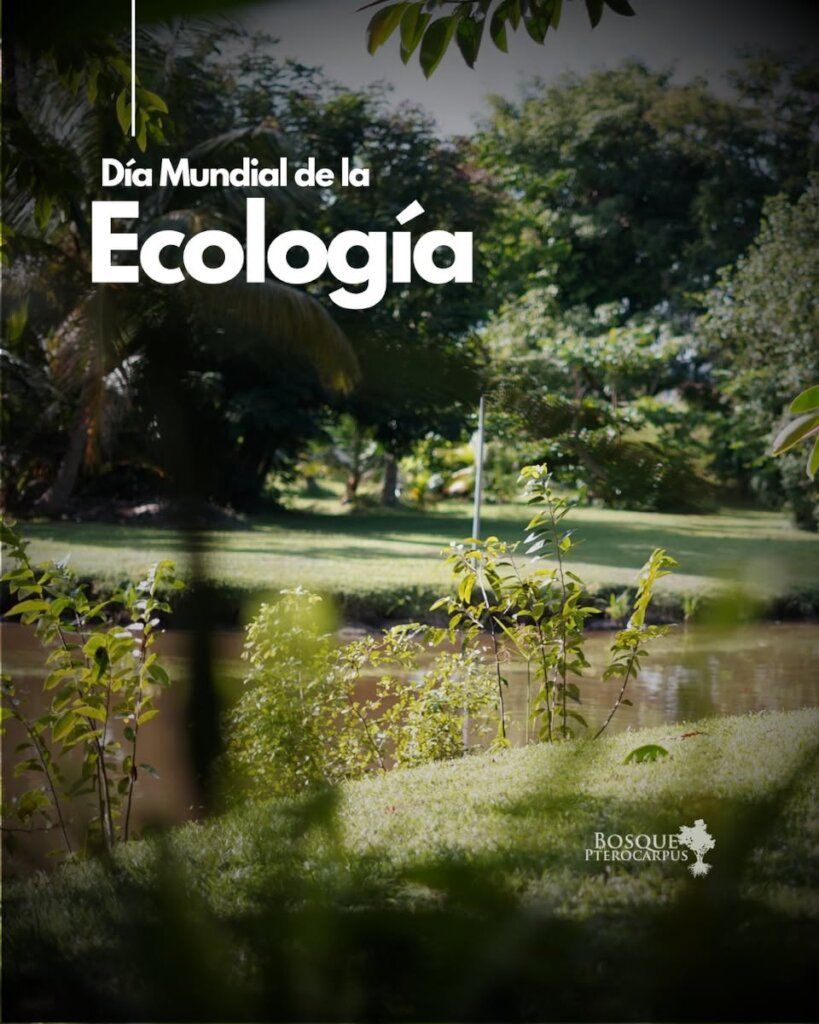
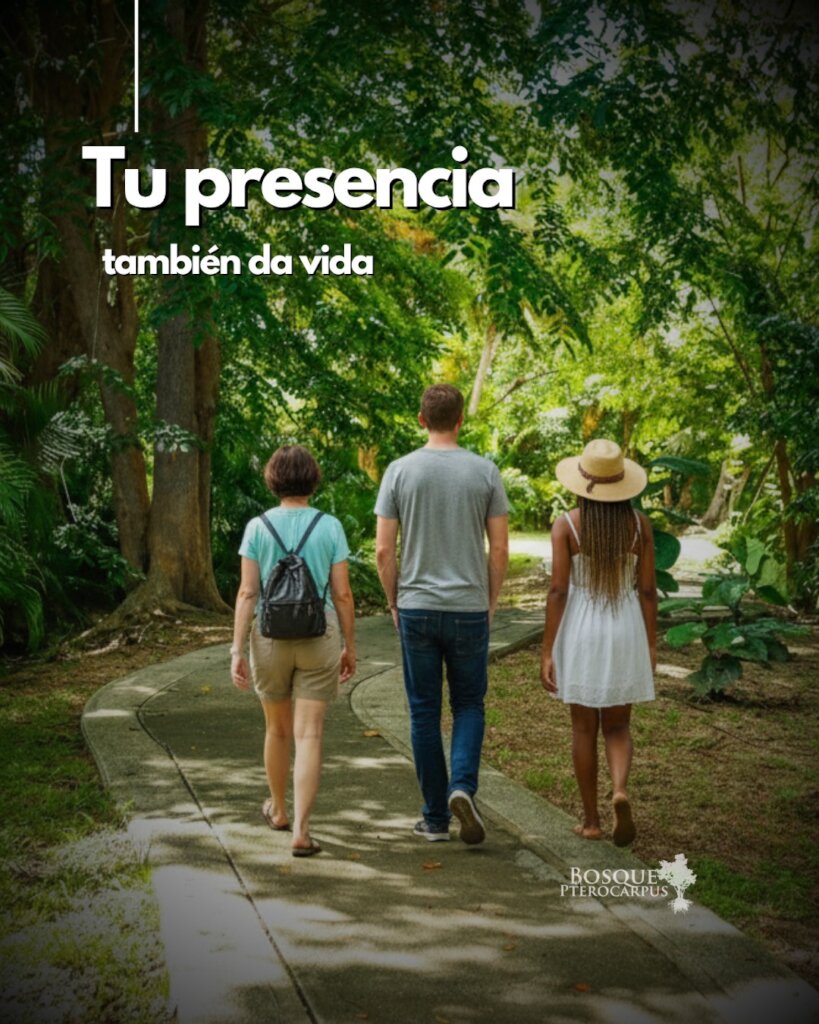
As noted above, environmental education remains central to the Forest’s mission. Through social media, interpretive materials, photographs, videos, and digital learning tools, the Forest continues reaching audiences both inside and beyond the Palmas del Mar community.
Educational content highlighting biodiversity, ecological relationships, conservation challenges, and visitor experiences continues to be shared regularly throughout the year. This effort includes a minimum of fifteen educational publications and eight interactive stories each month. In early July, in response to numerous requests, our Facebook and Instagram publications became bilingual (Spanish and English), allowing us to reach an even broader audience. In the coming months, we also expect to revive the Forest’s YouTube channel.
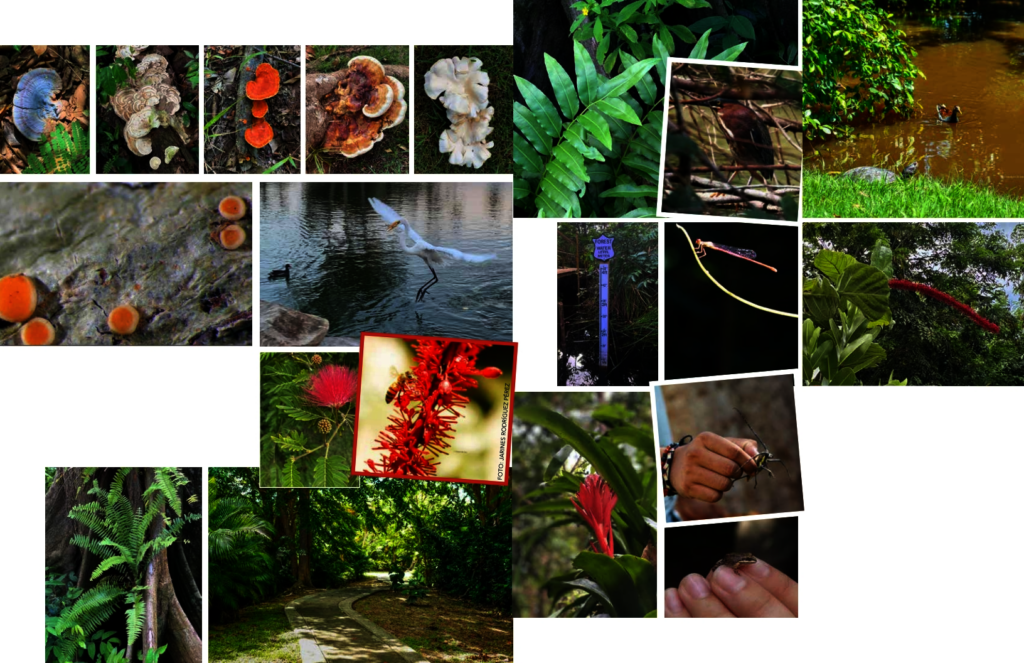
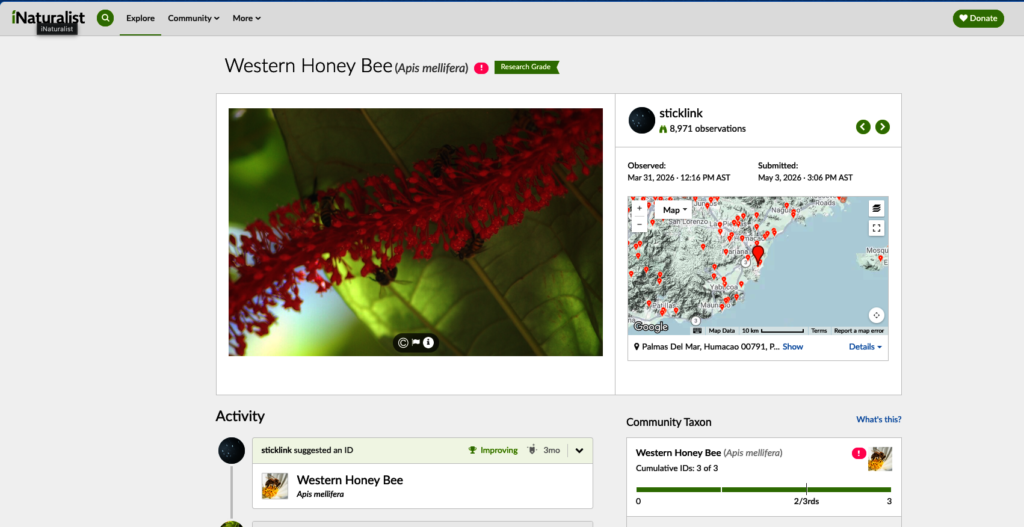
The Catalogue of Organisms of the Pterocarpus Forest on iNaturalist likewise continues to grow. Observations are now approaching 3,000 and encompass 383 documented species. Researchers, organized student groups, and citizen scientists continue contributing observations that strengthen scientific knowledge about the hundreds of species that inhabit the Forest while expanding our understanding of the ecosystem’s extraordinary biodiversity.
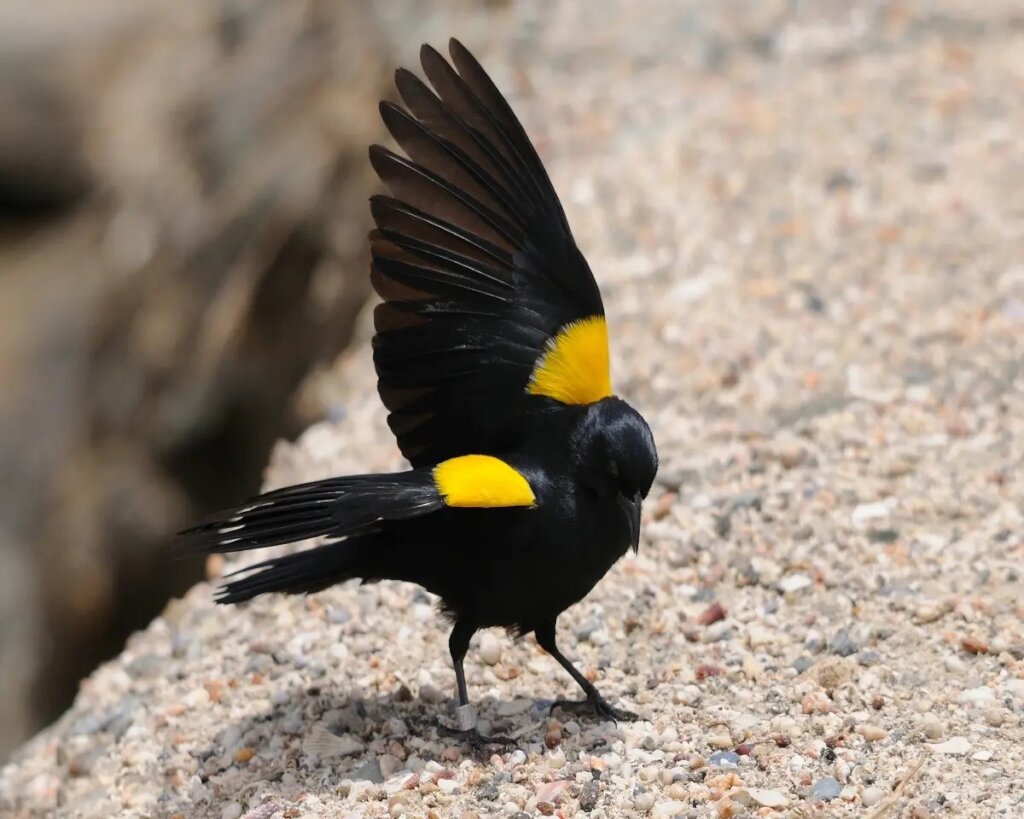
In addition to serving as a scientific database, the catalogue includes an extraordinary collection of photographs documenting hundreds of species found within the Forest. These images have become an important educational resource in their own right, helping visitors, students, and researchers alike appreciate the remarkable diversity of life supported by this ecosystem.
The catalogue has become both a scientific resource and an educational tool, allowing visitors to participate directly in the study, appreciation, and protection of biodiversity.
Strengthening Self-Guided Learning
During this period, the Forest continued improving opportunities for self-guided learning. Damaged QR-code signs were replaced, additional educational content was added, and new orientation and welcoming signs were prepared for installation at the entrance to the Forest.
As part of our effort to transform visitors from passive observers into active participants in scientific discovery, a new QR code sign is being developed to encourage visitors to use the iNaturalist platform to identify, photograph, and document species observed throughout the Forest, thereby contributing directly to our understanding of this remarkable ecosystem.
We invite you to continue accompanying us on this journey of discovery by following the Forest on Facebook, Instagram, and, soon, YouTube. Through these platforms, you can learn more not only about the Forest itself, but also about the broader natural environment we all share and the many ways each of us can contribute to its understanding, appreciation, and protection.
Thank you for continuing to be part of this effort.
Links:
Project reports on GlobalGiving are posted directly to globalgiving.org by Project Leaders as they are completed, generally every 3-4 months. To protect the integrity of these documents, GlobalGiving does not alter them; therefore you may find some language or formatting issues.
If you donate to this project or have donated to this project, you can receive an email when this project posts a report. You can also subscribe for reports without donating.



Support this important cause by creating a personalized fundraising page.
Start a Fundraiser