By Daniel Ocen | Program Lead
Integrated Child Support Foundation (ICSF)
The Psychosocial Support, Peacebuilding and Integration Project (68734)
Continuity and Sustainability Report
January-June 2026
Six months after formal funding ended, trained grandparents and community volunteers were still supporting refugee children, sustaining a savings group and extending care to newly arrived families.
In partnership with GlobalGiving and Focusing Initiatives International (FII)
Supporting Refugee Children in Nakivale Refugee Settlement, Uganda
Prepared by Integrated Child Support Foundation (ICSF)
1. Executive Summary
The Psychosocial Support, Peacebuilding and Integration Project formally closed in December 2025 after four years of implementation in Nakivale Refugee Settlement. During the funded period, the project reached more than 11,000 participants and demonstrated that trusted community members can play a meaningful role in supporting children affected by conflict and displacement. At the centre of the approach were trained grandparents and community facilitators who used storytelling, play, reflection and positive parenting practices to create safe, culturally familiar spaces where children could express difficult experiences, rebuild confidence and strengthen relationships.
The six months following closure have provided an important test of what remained after external funding ended. The project did not continue at the same scale, and this report does not suggest otherwise. There were no project salaries and no operational budget. Even so, the knowledge, relationships and community structures built during implementation remained active. Three trained community volunteers continued to mentor grandparents without financial compensation, and grandparents continued to organise informal storytelling sessions for children within their communities.
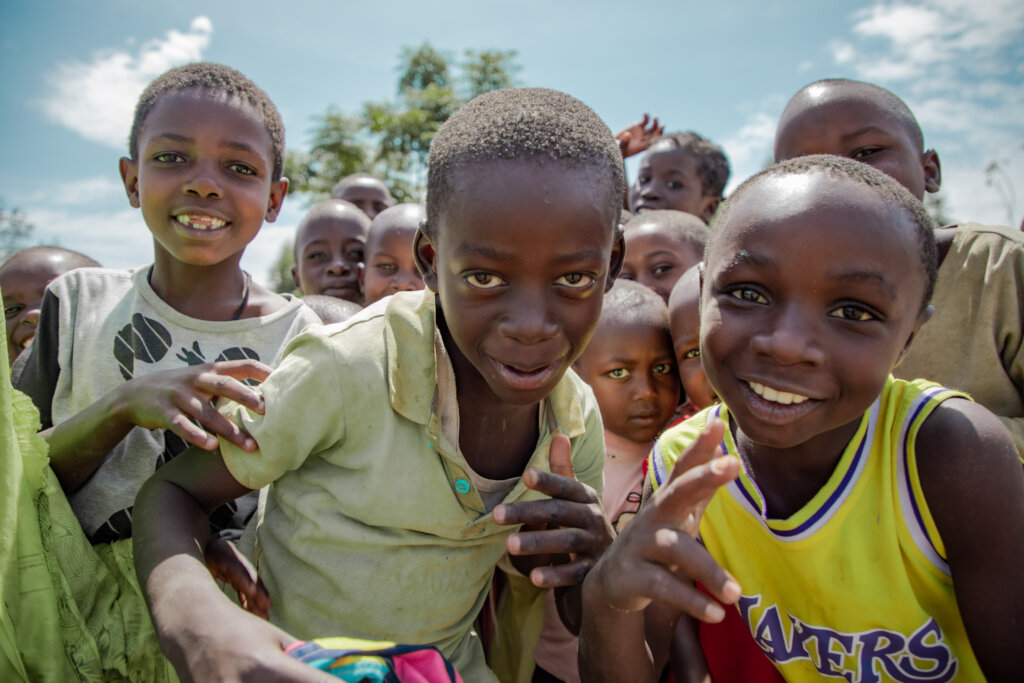
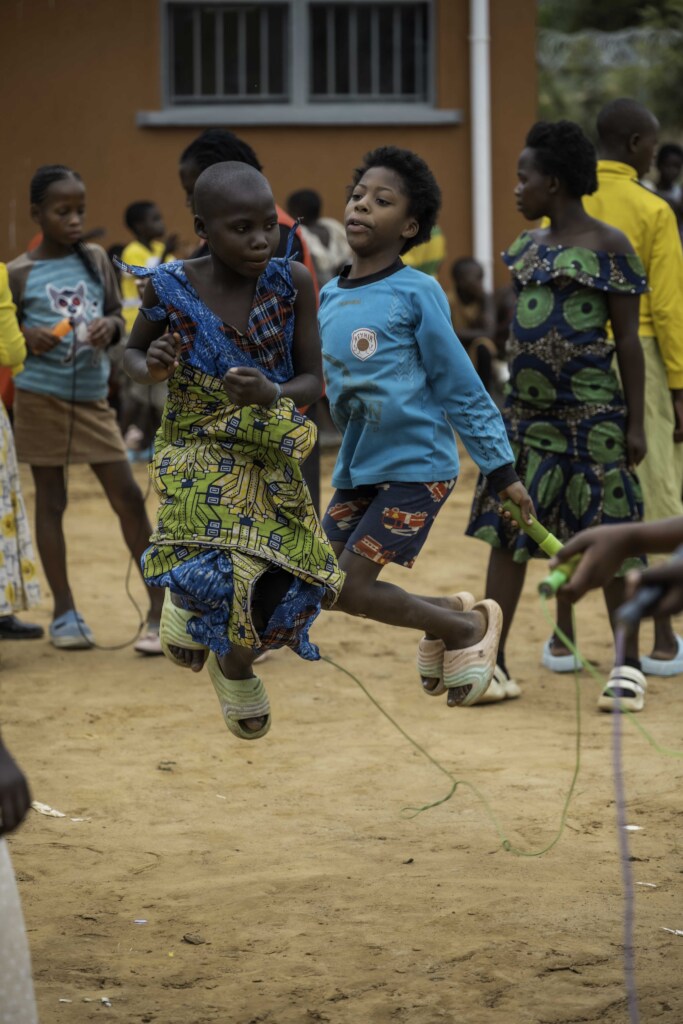
Between January and June 2026, approximately 200 refugee children participated in these continued storytelling sessions. The sessions remained simple and community based, using stories, songs, games and discussion to help children feel safe, express emotions, strengthen friendships and learn values such as cooperation, kindness, respect and peaceful conflict resolution. The continuation of these activities is especially significant because Nakivale continues to receive newly arrived families, including children who have experienced conflict, separation and repeated displacement before reaching Uganda.
The project’s economic resilience component also continued. The grandparents’ savings and lending group remained active, with members contributing UGX 1,000 each week. By June 2026, the group had accumulated approximately UGX 200,000 in collective savings. Members continued to use the group as a source of small loans, mutual encouragement and practical support for household needs and livelihood activities. Grandparents remained engaged in poultry keeping, piggery, goat rearing, tomato production and crop cultivation, while 12 grandchildren participated in financial literacy sessions focused on saving, budgeting and responsible money management.
The reporting period shows that previous investment created more than a set of completed activities. It developed local skills, confidence and a sense of responsibility that continued after formal project closure. At the same time, the period also shows the limits of volunteer-led continuity. Community commitment can preserve an approach, but it cannot safely replace the operational resources, mentoring, monitoring and technical support required to respond to growing needs at scale. Renewed investment would therefore not restart a dormant project. It would strengthen a community-led model that has remained active, relevant and trusted even after funding ended.
Reporting note: Post-closure figures in this report are based on community follow-up and records maintained during a period without a funded monitoring system. They are presented as practical evidence of continuity and should not be interpreted as a formal impact evaluation.
2. Major Achievements After Project Closure
Between January and June 2026, the project’s most important achievement was the continued use of skills, relationships and community structures established during the funded period. Activities were smaller in scale than during formal implementation, but they continued without project salaries or an operational budget. This continuity was made possible by three trained community volunteers, the commitment of grandparents and the continued relevance of the project’s approaches to the needs of refugee children and families.
The achievements described below reflect what the community was able to maintain with the resources available. They also show where modest renewed support could protect quality, increase reach and reduce the risk that growing demand will outpace the capacity of unpaid community actors.
2.1 Continued Psychosocial Support for Children
Storytelling remained the clearest expression of continuity. Trained grandparents continued organising informal sessions within their communities, drawing on the same culturally grounded methods developed during project implementation. Approximately 200 refugee children participated during the reporting period. For many, the sessions offered a familiar and welcoming place to talk, listen, play and reconnect with others.
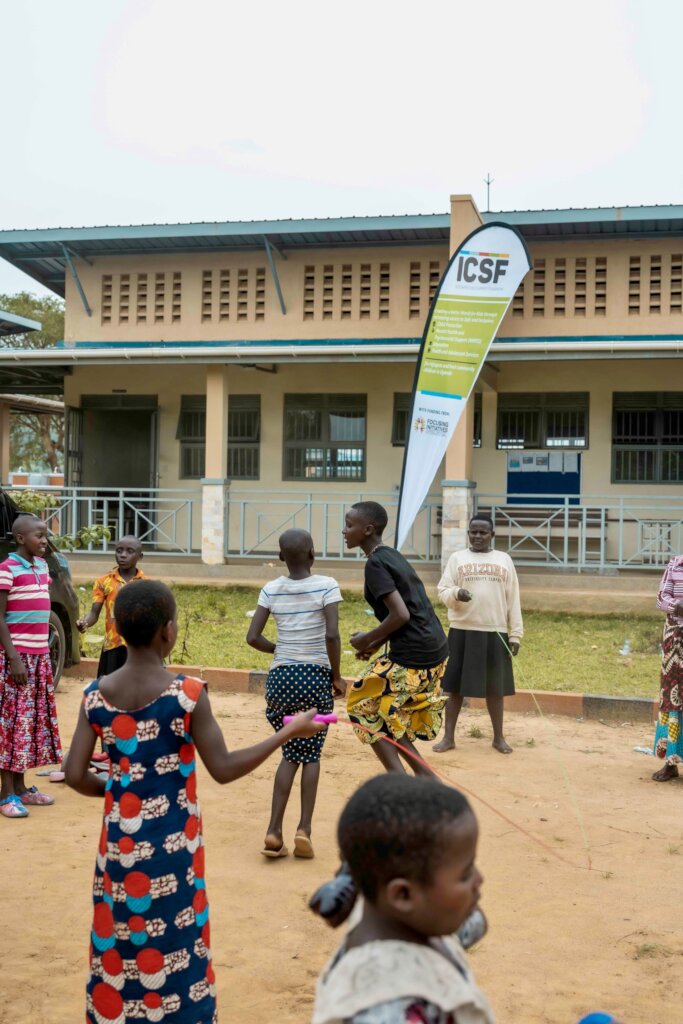
The sessions combined storytelling with songs, games, discussion and reflection. Through these activities, children were encouraged to express emotions, build confidence, strengthen friendships and practise values such as cooperation, respect, kindness and peaceful conflict resolution. The approach remained particularly relevant for children living with the stress of forced displacement and for newly arrived children trying to find a sense of safety and belonging in an unfamiliar environment.
The significance of the 200 children reached lies not only in the number, but in the circumstances under which the sessions continued. The children were reached after the project had formally closed and without a funded delivery structure. This provides practical evidence that the storytelling method had become understood, accepted and usable within the community rather than remaining dependent on external staff.
2.2 Volunteer Mentorship and Grandparent-Led Delivery
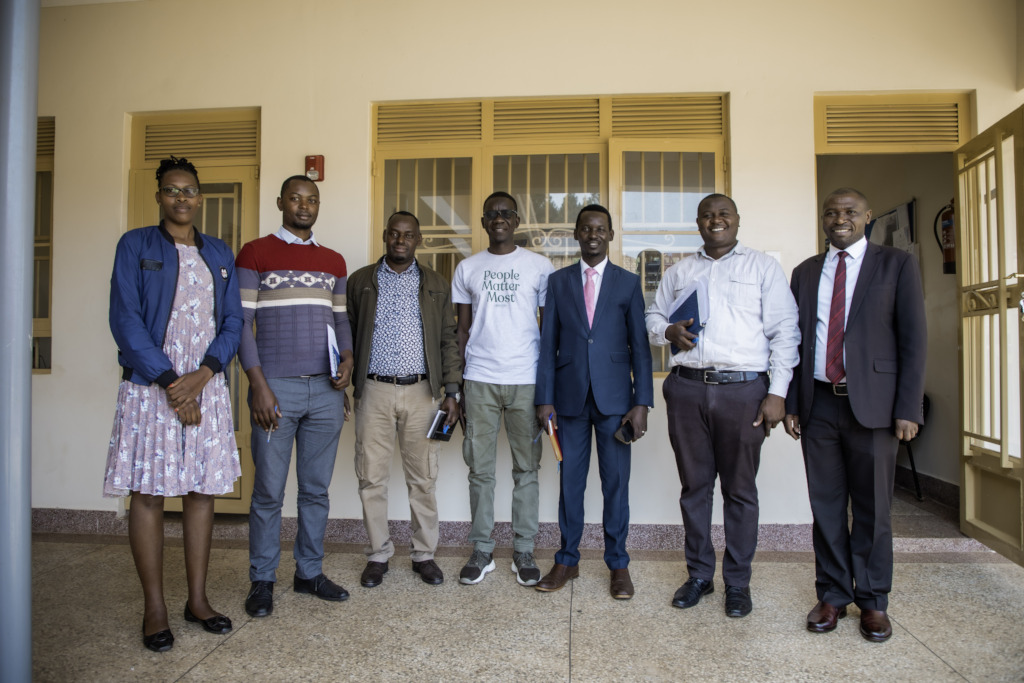
Three trained community volunteers continued to provide mentorship and follow-up support to grandparents on a voluntary basis. Their involvement helped maintain contact between community actors, encouraged regular engagement and provided a practical link to the skills and principles introduced during the funded project. This continuity was important because grandparents were not left to work in isolation.
The volunteers’ contribution should be recognised without romanticising unpaid work. They continued because they believed the approach mattered and because they remained closely connected to the children and families involved. However, volunteers in refugee settings also face their own livelihood pressures and responsibilities. Their commitment has protected the project’s gains, but it is not a substitute for sustainable resourcing, periodic supervision and psychosocial support for those carrying emotionally demanding responsibilities.
2.3 Continued Savings and Lending Activities
The grandparents’ savings and lending group remained active throughout the reporting period. Members continued contributing UGX 1,000 each week and meeting to discuss household pressures, encourage one another and maintain a shared routine of saving. By June 2026, the group had accumulated approximately UGX 200,000 in collective savings.
The value of the group extends beyond the amount held in savings. It provides a trusted space for mutual accountability, practical problem-solving and solidarity. Members continue to access small loans from the revolving fund to meet school expenses, healthcare costs, emergencies or to support small livelihood activities. In a setting where many families have limited access to formal financial services, the group offers a modest but important form of household protection and collective resilience.
2.4 Livelihood Development and Household Resilience
Several grandparents continued small livelihood activities supported by their participation in the savings and lending initiative. These included poultry keeping, piggery, goat rearing, tomato production and crop cultivation. The activities have provided supplementary income and, in some households, contributed to food availability and the ability to meet urgent family needs.
Progress has remained gradual because many households operate under severe economic pressure. Income that might otherwise be reinvested in a small business is often needed immediately for food, school fees, scholastic materials, healthcare and other essentials. This does not mean the livelihood activities have failed. Rather, it shows the reality of enterprise development in highly vulnerable households, where even small earnings often serve as a buffer against crisis before they can become capital for growth.
2.5 Financial Literacy for Young People
During the reporting period, 12 grandparents participated in financial literacy sessions facilitated by the volunteer team. The sessions introduced practical ideas about saving, budgeting, responsible use of money and developing positive financial habits from an early age. The activity was modest in scale, but it reflected the broader intergenerational character of the project: grandparents were not only supporting children emotionally, but also helping younger family members build knowledge that could contribute to longer-term household resilience.
2.6 Responding to New Arrivals and Continuing Humanitarian Need
Nakivale Refugee Settlement continues to receive new families, particularly from the Democratic Republic of the Congo. Many newly arrived children have experienced violence, loss, family separation and repeated movement before reaching Uganda. Their arrival has increased demand for accessible psychosocial support at a time when humanitarian resources remain constrained.
Grandparents have continued to extend the storytelling approach to newly arrived children whenever possible. This is one of the strongest signs of community ownership. The method is no longer understood only as an activity for children who participated in the original funded cohorts. Community actors are using it as a practical response when they encounter new children who need connection, reassurance and a safe place to begin rebuilding trust.
3. Project Impact and Community Ownership
The purpose of this reporting period was not to repeat the impact assessment undertaken during the funded project. Instead, it was to understand whether the changes created during implementation had left behind enough knowledge, confidence and community ownership for important elements of the work to continue. The evidence from the first six months after closure suggests that they had.
The strongest sign of impact is behavioural and practical. Grandparents continued to facilitate storytelling sessions without being paid to do so. Volunteers continued to mentor them without a project budget. The savings group continued to meet and collect contributions. Families continued using small loans and maintaining livelihood activities. Community actors also began extending the approach to newly arrived children who were not part of the original project cohorts. These are not isolated statements of intention; they are actions taken after formal funding ended.
3.1 What Sustainability Looked Like in Practice
Sustainability in this context did not mean reproducing the entire funded project without money. That would be neither realistic nor responsible. It meant that core practices continued because the people involved understood their value and had enough confidence to use them. The project’s investment in community capacity therefore remained visible in the choices people made after closure.
This distinction matters for donors. A project is not sustainable simply because activities continue for a short period without funding, and communities should not be expected to absorb indefinitely the costs of services that respond to serious humanitarian needs. The more credible finding is that earlier investment reduced dependence on external delivery by building a local base of skills, trust and responsibility. That base now makes future investment more likely to achieve results quickly because the community does not need to be rebuilt from the beginning.
3.2 Continued Relevance for Children and Families
The continued participation of children and the willingness of grandparents to keep organising sessions demonstrate that the approach remains relevant. Children in displacement settings often need opportunities for safe social connection and emotional expression alongside access to education, protection and basic services. The storytelling sessions offer a low-cost community entry point for this support while also helping adults notice when a child may need referral to more specialised services.
The economic component remains equally relevant. Children’s well-being is closely connected to the stability of the households caring for them. Savings, small loans and livelihood activities cannot remove structural poverty, but they can help families manage shocks, meet urgent needs and reduce some of the pressures that undermine caregiving. The continued operation of the grandparents’ group therefore strengthens both household resilience and the wider protective environment around children.
3.3 A Stronger Foundation for Renewed Investment
The post-closure period has shown that renewed investment would build on functioning community relationships rather than create a new intervention from the beginning. Grandparents already understand the storytelling approach. Volunteers already have experience providing mentorship. The savings group already has routines and member commitment. The community already recognises the value of the work.
This foundation gives future support a practical advantage. Resources could be directed toward improving quality, extending reach, strengthening supervision and documenting results rather than spending the early stages of a new project rebuilding trust and identifying community structures. The continuation period has therefore increased confidence that further investment would reinforce something the community has already chosen to preserve.
4. Challenges and Lessons Learned
The continuation of activities after formal project closure is encouraging, but it has also exposed important constraints. These challenges are central to understanding what community ownership can achieve on its own and where external support remains necessary.
4.1 Challenges
Growing demand and limited reach
The number of children requiring psychosocial support continues to grow as new refugee families arrive in Nakivale. Many children have experienced conflict, separation and disruption before reaching the settlement. The current volunteer-led arrangement can reach some children, but it does not have the capacity to respond at the scale of need. The approximately 200 children reached during the reporting period represent meaningful continuity, not full coverage.
The limits of unpaid delivery
The work currently depends heavily on three volunteers and the commitment of grandparents, all of whom face their own economic and family pressures. Unpaid commitment can protect gains in the short term, but it becomes fragile when responsibilities grow or when volunteers must prioritise income and household survival. Without modest operational support, follow-up, mentorship and monitoring are likely to remain irregular.
Slow growth of household enterprises
The savings group and small livelihood activities continue to support households, but many members are unable to reinvest profits consistently. Income is often absorbed by immediate needs such as food, school fees, scholastic materials, healthcare and emergencies. This slows enterprise growth and limits the capacity of livelihoods to move from short-term coping mechanisms toward stronger economic stability.
Maintaining quality over time
Community-led delivery still requires support. Grandparents and volunteers would benefit from periodic refresher training, mentoring, psychosocial support and learning opportunities. Without these, there is a risk of fatigue, inconsistent practice and declining quality, particularly as the community responds to children with increasingly complex experiences and needs.
4.2 Lessons Learned
Local capacity becomes most visible after funding ends
Training is often described as a project output, but its real value is tested when external staff and budgets are no longer present. The continuation of storytelling, mentoring and savings activities shows that the project invested in skills that people were able and willing to use independently. Capacity building was strongest where it was combined with repeated practice, trusted relationships and meaningful roles for community members.
Community ownership and donor support are complementary
The continuation of activities without funding should not be interpreted as evidence that funding is unnecessary. It should be understood as evidence that previous funding created a stronger platform for future investment. Community ownership can reduce dependence on external delivery, but quality, scale, safeguarding and accountability still require resources.
Volunteerism can preserve a model, but cannot carry growing demand alone
The dedication of volunteers has been essential, but the reporting period confirms that unpaid commitment has limits. A sustainable model should protect the contribution of community actors rather than depend on their personal sacrifice. Modest operational support, regular mentorship and clear referral links would help preserve the strengths of volunteer-led delivery while reducing the risk of burnout.
Psychosocial and economic resilience reinforce one another
The continued savings group, livelihood activities and financial literacy sessions show the value of addressing emotional and household resilience together. Children are more likely to benefit from psychosocial support when caregivers have stronger social networks and some capacity to manage household shocks. Future programming should continue to connect child well-being with the realities of family economic stress.
5. Beyond June 2026
The first six months after project closure have shown that the Psychosocial Support, Peacebuilding and Integration Project has become more than a completed donor-funded intervention. Its methods, relationships and community structures remain in use. The next step is not to recreate the project exactly as it was, but to strengthen what has proved most durable and respond to the needs that have continued to grow.
With renewed support, ICSF would prioritise the expansion of community storytelling sessions for newly arrived and vulnerable refugee children, while preserving the role of grandparents as trusted facilitators. Regular refresher training and mentorship would help maintain quality, strengthen safeguarding practice and ensure that volunteers and grandparents are supported in the emotionally demanding work they undertake.
Further investment would also strengthen the grandparents’ savings and lending initiative and support the gradual development of household livelihoods. The aim would not be to turn a psychosocial project into a large economic programme, but to recognise that family stability affects children’s well-being and that modest household resilience can help protect the gains made through psychosocial support.
Future support would also allow ICSF to rebuild a proportionate monitoring, documentation and learning system. This would improve the quality of participation records, strengthen follow-up, capture community feedback and generate clearer evidence about the outcomes of the post-closure model. Stronger coordination with government and humanitarian partners would remain important so that children with needs beyond the scope of community support can be referred to appropriate protection, health, education and specialised mental health services.
The case for renewed investment is therefore straightforward. The need remains, the community is still engaged and the foundation has already been built. Additional support would not revive a project that disappeared when funding ended. It would strengthen an approach that communities have continued to use because they believe it matters.
6. Conclusion
Six months after the formal closure of the Psychosocial Support, Peacebuilding and Integration Project, grandparents and community volunteers continue to support refugee children through storytelling, maintain a savings and lending group and help families sustain small livelihood activities. Approximately 200 children participated in continued storytelling sessions between January and June 2026, while three trained volunteers remained engaged in mentorship and community follow-up without financial compensation.
These achievements provide credible evidence of continuity and community ownership. They show that the project left behind skills, relationships and structures that remained useful after external funding ended. They also show why community commitment should be strengthened rather than taken for granted. Growing humanitarian need, limited household resources and the demands placed on unpaid volunteers mean that the current model cannot safely expand or maintain quality indefinitely without renewed support.
The opportunity now is to build on what already exists. With additional investment, ICSF and its community partners can reach more newly arrived children, strengthen the people delivering support, improve household resilience and document results more consistently. The community has already demonstrated its willingness to continue; renewed support would help turn that commitment into a stronger and more sustainable response.
7. Acknowledgements
Integrated Child Support Foundation (ICSF) extends its sincere appreciation to Focusing Initiatives International (FII) for the financial support, technical guidance and partnership that made this work possible. The skills and community structures that remain active today were built through that sustained collaboration and a shared commitment to community-led psychosocial support for refugee children.
ICSF is also grateful to GlobalGiving, individual donors and well wishers, and especially to the grandparents and community volunteers who have carried the work beyond formal project closure. We welcome renewed partnership to protect and expand this community-led response.
8. Contact
Thank you for standing with refugee children and communities in Nakivale.
For partnership, learning and further information:
Daniel Ocen Osako
Program Lead, Uganda
Integrated Child Support Foundation (ICSF)
Links:
Project reports on GlobalGiving are posted directly to globalgiving.org by Project Leaders as they are completed, generally every 3-4 months. To protect the integrity of these documents, GlobalGiving does not alter them; therefore you may find some language or formatting issues.
If you donate to this project or have donated to this project, you can receive an email when this project posts a report. You can also subscribe for reports without donating.



Support this important cause by creating a personalized fundraising page.
Start a Fundraiser