By Daniel Osako Ocen | Program Lead
1. Executive Summary
Uganda currently hosts approximately two million refugees, primarily from South Sudan, the Democratic Republic of Congo, Sudan, and other neighboring countries. Major settlements, transit, and holding centers such as Rhinocamp, Adjumani, Bidibidi, and Nakivale face growing pressure on essential services, including education, health, and mental health and psychosocial support (MHPSS). Significant gaps remain in the provision of MHPSS and peacebuilding services, particularly for children, adolescents, women, persons with disabilities, and older persons.
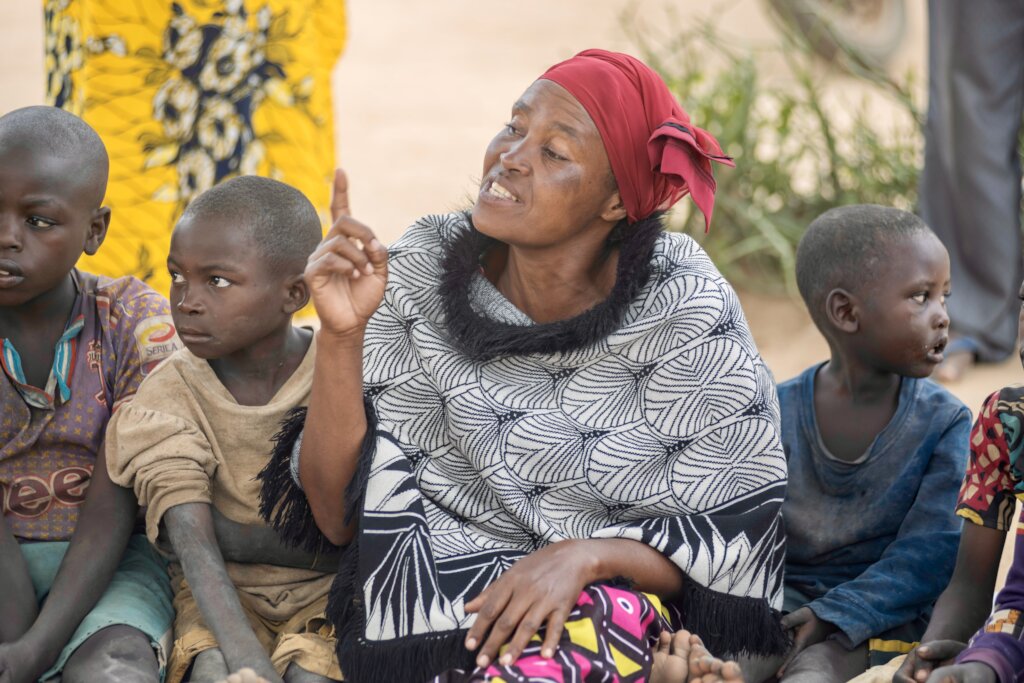
The Psychosocial Support, Peacebuilding, and Integration Project, implemented with support from GlobalGiving, is a trauma-informed, community-based initiative addressing the complex needs of displaced and at-risk children in Nakivale Refugee Settlement. Central to the project is a culturally grounded storytelling methodology delivered by trained grandparents, which promotes emotional healing, builds resilience, and strengthens intergenerational and community bonds. This innovative approach not only supports psychosocial recovery but also preserves cultural heritage amid displacement.
Since its inception in 2021, the project has provided vital psychosocial and peacebuilding support to newly arrived refugee children and their caregivers, fostering healing, resilience, and peaceful coexistence between refugee and host communities.
During the January - September 2025 reporting period, the project reached 3,159 individuals, including 1,610 children, 1,533 caregivers, and 15 community mentors (grandparents). Cumulatively, since 2021, the project has reached 10,726 individuals: 6,916 refugee children (including 183 referred for child protection services), 3,562 caregivers/parents, and 65 frontline workers. These interventions have contributed to measurable improvements in children’s emotional well-being, enhanced caregiving practices, and strengthened community cohesion and integration.
We extend our sincere appreciation to our main partner, GlobalGiving, and individual donors for their generous financial support. We also thank the Office of the Prime Minister (OPM) in Uganda, UNHCR, and all humanitarian partners in Nakivale for their collaboration, as well as the Nakivale community and Refugee Welfare Committees for their unwavering cooperation and partnership throughout the project period.
2. Key Achievements (Outputs)
Between January and September 2025, the Integrated Child Support Foundation (ICSF) in partnership with GlobalGiving implemented the Psychosocial Support, Peacebuilding, and Integration Project to address the critical mental health and psychosocial challenges faced by newly arrived refugee children and their caregivers in Nakivale Refugee Settlement, Uganda. Through this project, ICSF delivered comprehensive psychosocial support and peacebuilding services aimed at improving the well-being of refugee children, strengthening caregiving practices, promoting peaceful coexistence, and enhancing coordination among stakeholders for effective service delivery. These efforts were structured around four key activity areas:
2.1Psychosocial Support for Children
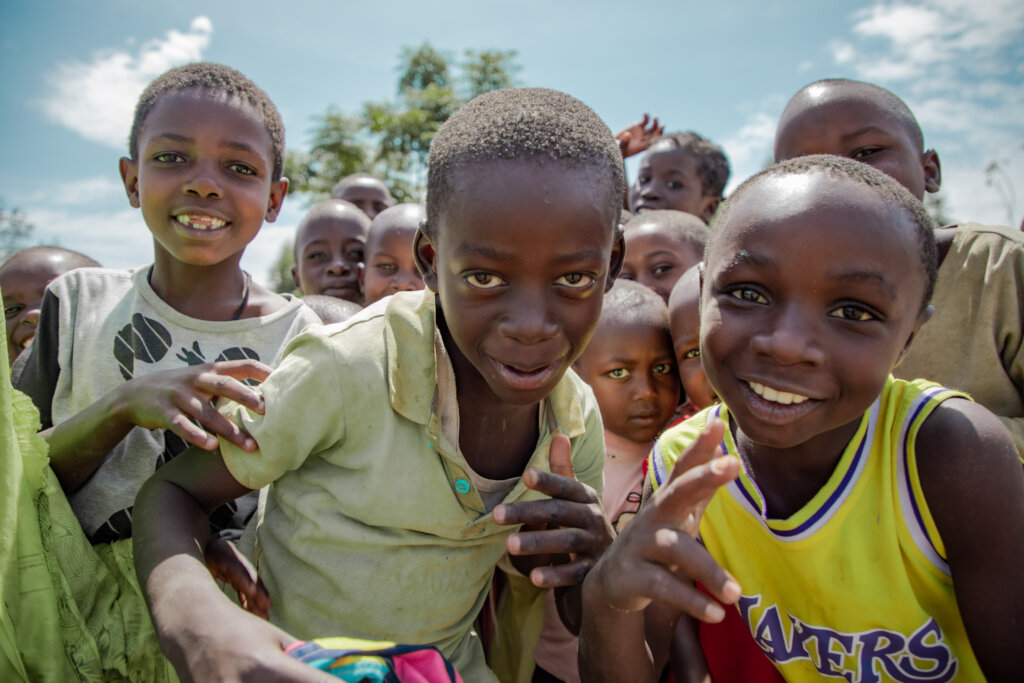
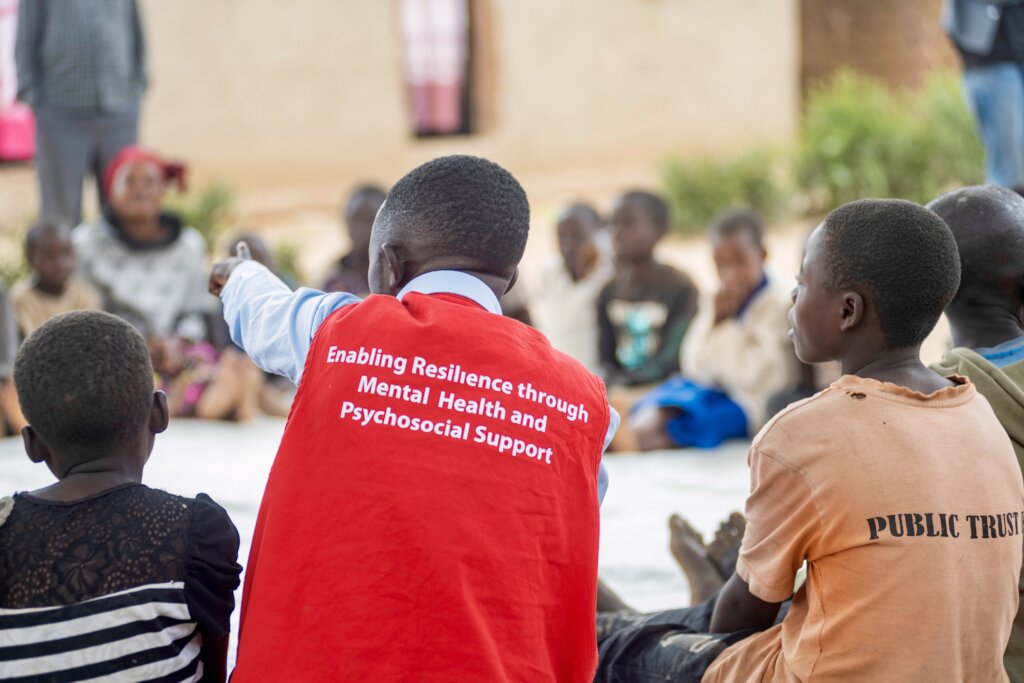
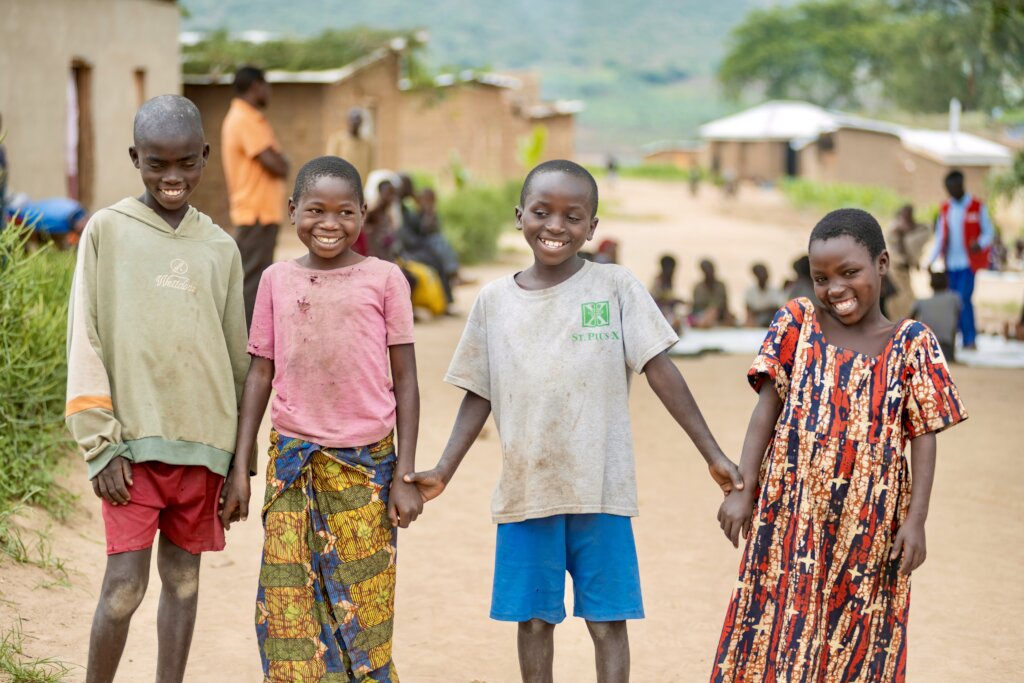
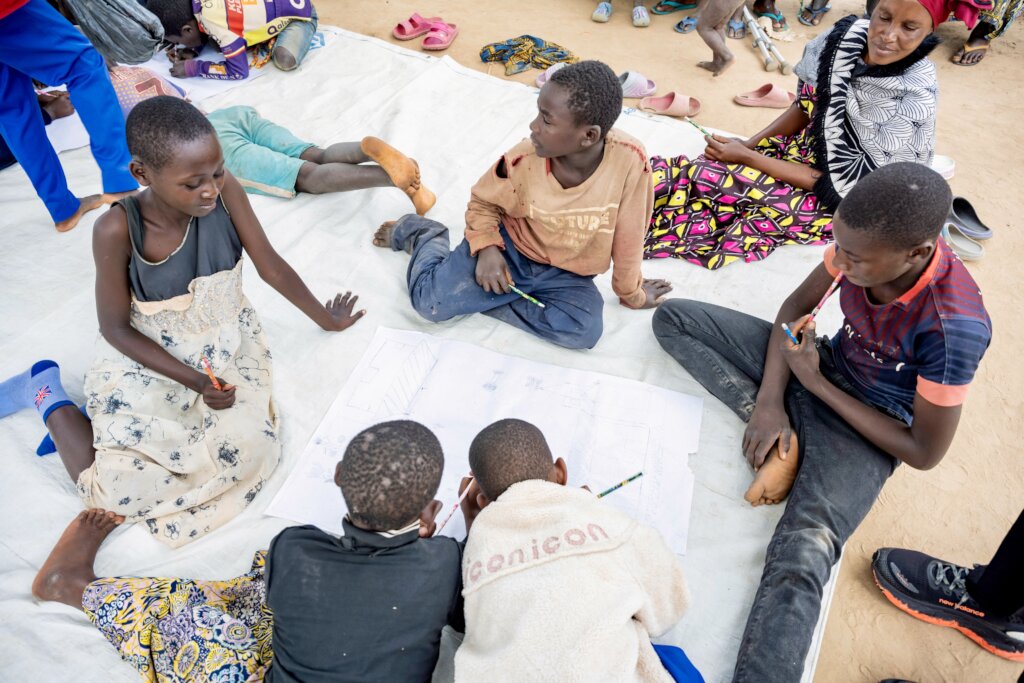
A total of 1,610 children participated in storytelling sessions, including 793 refugee boys, 808 refugee girls, 6 host community boys, and 3 host community girls. These sessions were designed to foster emotional healing, build resilience, and strengthen psychosocial well-being among children affected by displacement. Facilitated by trained grandparents and community-based facilitators, the sessions applied a culturally grounded storytelling methodology that promotes emotional expression, empathy, and social connection. As part of the broader Psychosocial Support (PSS) program, storytelling was complemented by weekly structured recreational games that promoted stress relief, communication, and teamwork through age-appropriate activities such as relay races, cooperative challenges, and storytelling-based games. In addition, the Art for Peace sessions offered children a safe and creative space to explore themes of peace, hope, and unity through drawing and visual art. Together, these interactive and creative approaches provided children with opportunities to express themselves freely, build confidence, and experience a renewed sense of joy, normalcy, and belonging within their community.
2.2 Positive Parenting and Mental Health Awareness
The project reached 2,134 parents and caregivers through psychosocial and positive parenting sessions aimed at improving caregiving skills, promoting mental health awareness, and encouraging non-violent parenting practices. These sessions emphasized self-care, emotional regulation, and stress management, empowering caregivers to safeguard their own well-being while providing stronger emotional support to their children. Through modules such as Parenting Without Violence and guided self-care discussions, participants gained practical tools for understanding children’s psychosocial needs and implementing empathetic, safe, and non-violent parenting approaches in daily life. Many caregivers reported an improved understanding of children’s emotional and behavioral challenges, along with a renewed commitment to fostering nurturing and supportive home environments. Targeting caregivers has been critical to improving the long-term mental health and well-being of children. When caregivers are emotionally resilient, informed, and supported, they are better equipped to respond sensitively to their children's needs. Positive caregiving not only fosters secure attachment and emotional development in children but also creates a protective environment that mitigates the effects of trauma, displacement, and instability. By strengthening caregivers’ capacity to provide consistent, nurturing care, the project has laid the groundwork for more resilient families and healthier communities.
2.3 Mentorship for Grandparents
A total of 16 elderly refugees (5 men and 11 women) received ongoing mentorship and training in child safeguarding, emotional literacy, and therapeutic storytelling. The child safeguarding component equipped participants with essential knowledge to identify, prevent, and appropriately respond to risks of abuse, neglect, and exploitation. Through regular monthly follow-ups, participants further strengthened their capacity, skills, and confidence in supporting children experiencing emotional distress. This approach reinforced the project’s innovative cross-generational model of care. As a result, they are now better equipped to support children in emotional distress, embodying the project’s unique cross-generational approach to community care. Because these elderly people are trusted community members who continue to live among the families they support, their volunteer engagement helps sustain the project’s impact and ensures that care and protection practices are maintained long after formal activities conclude.
3.4 Advocacy and Stakeholder Coordination
In January 2025, ICSF in partnership with GlobalGiving and FII organized an advocacy event that brought together 40 stakeholders from government agencies and non-governmental organizations. The event aimed to promote Mental Health and Psychosocial Support (MHPSS) programs, foster peacebuilding initiatives, and encourage collaboration to reduce tensions and conflicts between refugee and host communities. During the event, ICSF briefed stakeholders on the project’s coordination efforts, shared key achievements, and discussed plans for the future. A key outcome of the meeting was a shared commitment to hold a follow-up session focused on raising awareness about the integration of refugees into local community development efforts in Isingiro District. The event provided a platform to reinforce the importance of multi-sectoral engagement and alignment around shared goals related to refugee inclusion and mental health support.
To enhance alignment and avoid duplication of services, the project actively participated in monthly coordination meetings at both the Isingiro District and Nakivale Settlement levels. These meetings brought together government authorities, UN agencies operating in the settlements, and NGO partners to share updates, harmonize strategies, and collectively address emerging challenges affecting refugee and host communities.
To strengthen localization and address capacity gaps in MHPSS delivery, UNHCR and OPM provided free training for Locally-Led Organizations (LLOs). A one-day session, based on WHO’s mhGAP Module 1 ("How to Talk about Mental Health"), was conducted for eight LLOs. The training emphasized reducing stigma, using appropriate mental health language, and effective communication. Due to time constraints, Modules 2 and 3 were deferred to a follow-up session scheduled for next month, with participants tasked to prepare by researching psychosis. LLOs were also reminded to ensure formal registration and compliance to qualify for future funding and partnerships.
3.5 Strategic Engagement and Global Learning
In 2024, Daniel Ocen Osako, the Better World for Kids project lead in Uganda, joined the Community Solutions Program (CSP) a prestigious U.S. Department of State global exchange initiative implemented by IREX and was placed at Search for Common Ground in Washington, D.C., where he strengthened the organization’s capacity in global policy engagement, strategic partnerships, and donor relations. As part of his fellowship, Daniel developed and implemented a follow-up Community Action Plan (CAP) integrated into the Psychosocial Support and Peacebuilding Project, which was executed from December 2024 to June 2025 with notable success. During this period, he demonstrated strategic and adaptive leadership by convening cross-sectoral meetings that brought together NGOs, government agencies, and community stakeholders to foster collaboration and alignment, while simultaneously leading an online GlobalGiving fundraising campaign on behalf of ICSF. His efforts in managing donor relations, increasing project visibility, and securing additional funding ensured the project’s financial sustainability and the continued delivery of critical services to the communities served.
4. Project Impact and Beneficiary Feedback
4.1 Quantitative Impact
The MHPSS project aimed to improve the psychosocial well-being and resilience of war-affected, newly arrived refugee children in Nakivale through a culturally grounded storytelling methodology, delivered with the support of grandparents. To assess the effectiveness of the intervention, a representative sample of 447 children (194 boys and 253 girls) 28% of the total participants was evaluated using the WHO-5 Wellbeing Index before and after the sessions. The baseline assessment provided critical insight into the children’s initial psychosocial state and helped the project team to tailor and strengthen their efforts to support the children’s well-being. The endline assessment, conducted at the end of the sessions measured the impact of the storytelling approach. Below is a summary of the impact, presented by key thematic areas:
Mood is a key indicator of a child’s psychosocial well-being. Children who feel cheerful and in good spirits are more likely to engage, learn, and build relationships, all critical to recovery and long-term resilience. For children who have experienced conflict and displacement, sustained low mood can be a sign of emotional distress and trauma, making it an essential area to monitor.
At baseline, only 18% of the 447 children (81 children) reported feeling cheerful most of the time or always. This low figure reflects the emotional challenges they faced as newly arrived refugees, many still processing the trauma of conflict and displacement. By endline, that number rose to 99% (199 children), showing a nearly fivefold increase in children consistently experiencing positive moods.
This high increase in children’s mood at the end of the project highlights the effectiveness of the intervention in restoring emotional well-being and fostering resilience among some of the most vulnerable children.
1. Enhanced Sense of Calmness and Emotional Security
Feeling calm and emotionally secure is fundamental to a child’s psychosocial recovery. For children affected by war and forced displacement, persistent fear, anxiety, and uncertainty can disrupt their ability to trust others, concentrate, and regulate their emotions. Assessing calmness helps identify whether children are beginning to feel safe, settled, and emotionally supported, critical building blocks for healing and resilience.
At the start of the intervention, only 29% of the 447 children (130 children) reported feeling calm and relaxed most or all of the time, revealing high levels of internal stress and emotional unrest. By the end of the program, that number rose sharply to 98% (438 children), representing a more than threefold increase in emotional calm and security.
This substantial improvement points to the program’s success in creating a safe, consistent, and emotionally nurturing environment where children could begin to feel secure again.
2. Enhanced Physical Energy and Vitality
Energy levels are closely linked to a child’s emotional and psychological well-being. Children who feel emotionally safe and mentally well are more likely to be physically active, engaged, and motivated. On the other hand, persistent low energy can reflect stress, depression, or emotional withdrawal all common in children who have experienced trauma, displacement, or instability. Assessing vitality provides important insight into how children are coping both mentally and physically.
At baseline, only 21% of the 447 children (94 children) reported feeling active and vigorous most or all of the time, suggesting a profound emotional and physical toll. By the end of the intervention, this number jumped to 99% (443 children), reflecting a near-complete reversal.
This remarkable transformation shows that the storytelling intervention not only supported emotional healing but also helped restore children’s energy, motivation, and capacity to participate fully in daily life.
3. Better Sleep Quality and Morning Refreshment
Sleep is one of the most sensitive indicators of a child’s emotional well-being. When children experience stress, trauma, or anxiety, it often disrupts their sleep making it harder for them to feel rested, concentrate, or manage emotions during the day. Assessing how children feel when they wake up provides valuable insight into whether they are beginning to experience emotional stability and recovery.
At baseline, only 22% of the 447 children (98 children) reported waking up feeling fresh and rested most or all of the time. This reflects the emotional strain many were carrying, likely due to fear, disrupted routines, and feelings of insecurity. By the end of the intervention, that figure had risen to 99% (443 children), indicating a great improvement in sleep quality and emotional restoration.
This highlights the program’s holistic impact not only improving emotional well-being during the day, but also helping children regain restful sleep, a key foundation for healthy development and resilience.
4.2 Beneficiaries’ Voices/Feedback.
Tumusiime Samuel, 12 years old, Nakivale Settlement
“When I first started the storytelling sessions, I was very shy and scared to speak in front of others. I often stayed quiet even when I wanted to share my thoughts. But after four months of listening to the grandparents, I have become brave. Now I can stand and speak before others, and I feel proud of myself. The stories teach me courage and how to express my ideas, and I always look forward to every session because I learn new lessons and feel stronger inside.”
Neema Rebecca, 13 years old
“Before the storytelling sessions, I often felt very lonely because my parents are always busy. But when I sit with the grandparents, I feel like I have another family. The stories give me hope and teach lessons about kindness, patience, and caring for others. Being part of the sessions makes me feel happy, supported, and more confident. I look forward to every meeting because I always learn something new and feel encouraged.”
Tayebwa Nsabimana, 46 years old, Burundian refugee caregiver, Kyebale C, Nakivale Settlement
“Attending the group sessions was truly eye-opening for me. I realized that I am not the only parent facing challenges in raising children. Hearing other parents share their experiences helped me understand that these struggles are common, and we can learn a lot from each other. The sessions showed me the importance of mutual support, encouragement, and exchanging ideas. I now feel more confident and motivated, knowing that by supporting each other and applying what we learn, we can raise our children in a healthier, more understanding, and positive environment.”
Agaba Emmanuel Nasser: A Facilitator’s Journey in Transforming Lives through PSS
“As a psychosocial support (PSS) facilitator in Nakivale Settlement, I have witnessed many stories marked by pain but also by resilience. One that stays with me is Bizimungu Enock, a 13-year-old boy who had lost nearly everything: his home in Congo, his father, and his sense of purpose. When Enock first joined our PSS group, he barely spoke and sat quietly, eyes filled with sorrow and detachment. The initial sessions were challenging, as many participants were hesitant to share. Through consistent engagement, storytelling, art, and group discussions, we gradually created a safe and supportive space. By the fifth session, Enock spoke for the first time shared his story, cried, and smiled for the first time in years. The group rallied around him, providing encouragement and support, marking a turning point in his healing journey. Today, Enock is one of our most active members. He volunteers to support others and even leads mindfulness activities during sessions. His transformation is a powerful testament to the impact of PSS and the resilience of the children we serve.
4.3 Overall Psychosocial Resilience and Well-being Gains
The project achieved significant and wide-reaching improvements in the psychosocial well-being of the 1,610 war-affected refugee children enrolled in two cohorts of 2025, (January to April and May to September 2025) in Nakivale refugee settlement. The storytelling methodology, facilitated by grandparents in safe, culturally grounded spaces, helped children process trauma, rebuild emotional resilience, and reconnect with their identities and community support systems.
By the end of the intervention, near-universal gains were observed in mood, calmness, energy levels, and sleep quality all key markers of emotional and psychological recovery. These results underscore the success of this approach and its potential as a scalable, community-driven model for delivering mental health and psychosocial support (MHPSS) to children in humanitarian settings.
5. Challenges and Lessons Learned
While the project has made significant strides in enhancing children’s psychosocial well-being, strengthening caregiving practices, and reinforcing community-based support structures, two main challenges have been encountered:
5.1 Challenges
5.2 Lessons Learnt
1. Culturally Responsive, Intergenerational Approaches Enhance Impact: Targeted, culturally grounded interventions such as storytelling facilitated by grandparents can significantly improve children’s psychosocial well-being, foster emotional safety, and strengthen community cohesion. Complementing sessions with caregiver psychoeducation and providing structured support for facilitators is essential to sustain positive outcomes and reinforce progress beyond group sessions.
2. Sustained Resources and Strong Community Partnerships Are Critical: Ensuring continuous funding, collaborating with donors, governments, and agencies, and leveraging local partnerships with schools, leaders, and child protection networks are key to scaling services, responding to emerging needs, and maintaining long-term support for vulnerable children and caregivers.
6. Looking Ahead: Beyond 2025
The Better World for Kids project will continue enhancing psychosocial well-being and protection for refugee children in Uganda amid growing displacement and strained humanitarian systems. Key priorities include securing sustainable and diversified funding to scale the storytelling methodology, expanding capacity building for grandparents, volunteers, and frontline staff, and strengthening inter-agency collaboration with OPM, UNHCR, and other partners to harmonize services and close protection gaps. The project will also improve monitoring, evaluation, and learning systems to track progress, respond to feedback, and adapt interventions effectively. Overall, the focus will remain on scalability, collaboration, and system-strengthening to ensure all displaced children have access to psychosocial support, protection, and opportunities for healing.
7. Acknowledgements
We gratefully acknowledge the generous support and collaboration of our key partners and stakeholders, which have been instrumental to the success of the Psychosocial Support and Peacebuilding project. Special thanks go to FII for their continued commitment and leadership, as well as to GlobalGiving and individual donors for their financial support. We also extend our sincere appreciation to the Office of the Prime Minister -Nakivale, UNHCR, community leaders, local government representatives, volunteers, and Refugee Welfare Committees, whose tireless efforts have been vital in supporting children and families across Nakivale Settlement. These partnerships have been crucial to the project’s impact and sustainability, and we look forward to strengthening existing collaborations and welcoming additional support from new partners to expand our reach, protect more children, and empower refugee communities.
Links:
Project reports on GlobalGiving are posted directly to globalgiving.org by Project Leaders as they are completed, generally every 3-4 months. To protect the integrity of these documents, GlobalGiving does not alter them; therefore you may find some language or formatting issues.
If you donate to this project or have donated to this project, you can receive an email when this project posts a report. You can also subscribe for reports without donating.



Support this important cause by creating a personalized fundraising page.
Start a Fundraiser