By Barsha Dharel | Programme Coordinator, RMF Nepal
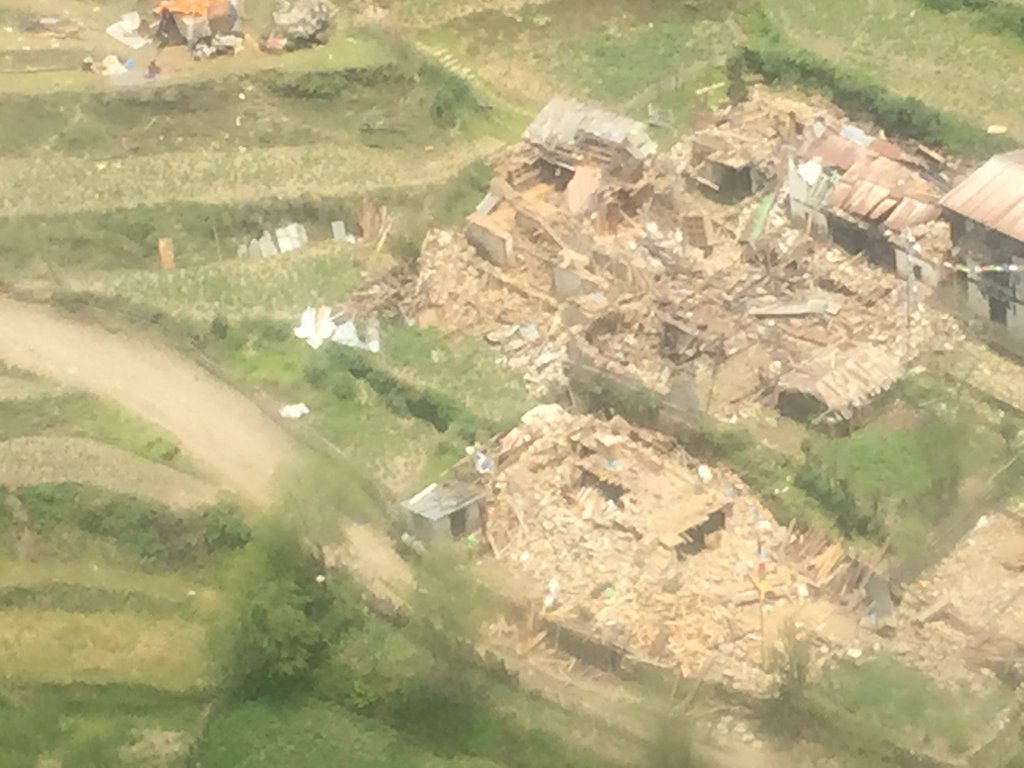
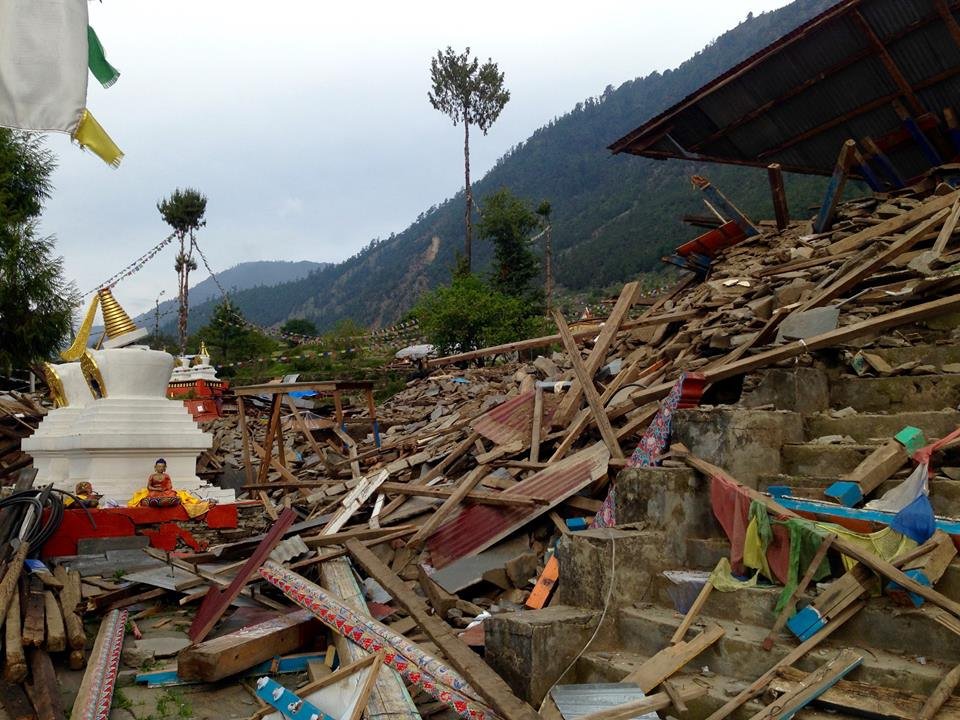
The earthquake had devastating impact on public health care infrastructures in Nepal. The facilities were already inadequate in the impoverished nation. Up to 90 per cent of the health facilities in some rural areas are known to be damaged or destroyed. For example, in Rasuwa district, up to 78% of district health facilities are reported to be completely damaged, and only two health posts remain functional.
Hospitals in district capitals, including Kathmandu, have been overwhelmed, medical supplies severely depleted and capacities overstretched. Out of a total of 352 birthing centers, 115 were totally damaged and 137 partially damaged. Overall, the April 25 earthquake affected some 8 million people, including 2 million women of reproductive age and over 126,000 pregnant women.
Real Medicine Foundation (RMF), a humanitarian aid organization, has been working around the globe in close collaboration with the governments, ministries, donor agencies, international development partners and local stakeholders to improve the quality of and access to professional health care services. Similarly, we also aim to contribute towards achieving universal access to sexual, reproductive, maternal and newborn health care.
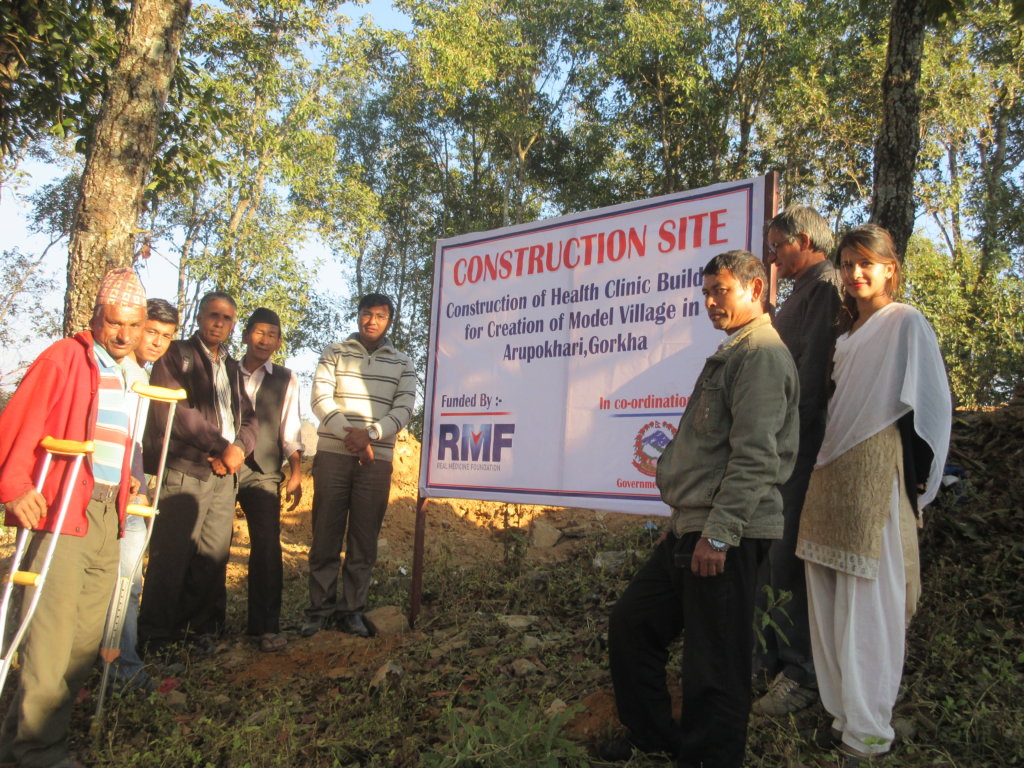
RMF has joined hands with the government, leading organizations, local NGOs and various communities and stakeholders working in Nepal to foster the efforts of increasing access of the rural poor to public health services, with special emphasis on earthquake affected areas. In particular, we are supporting:
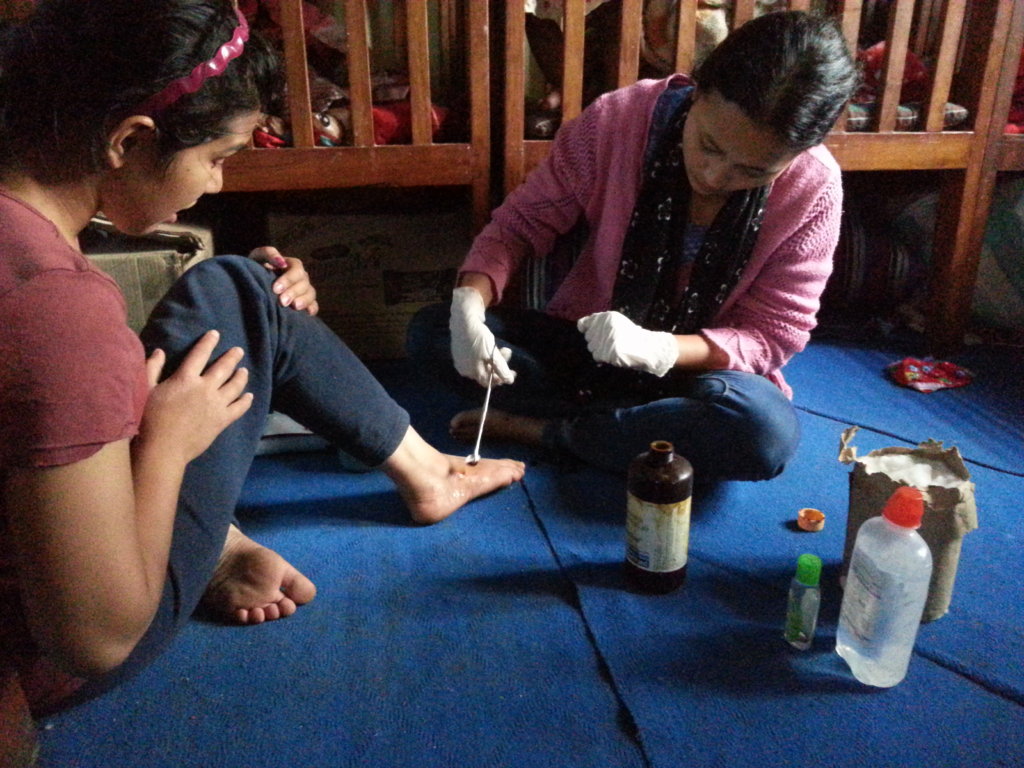
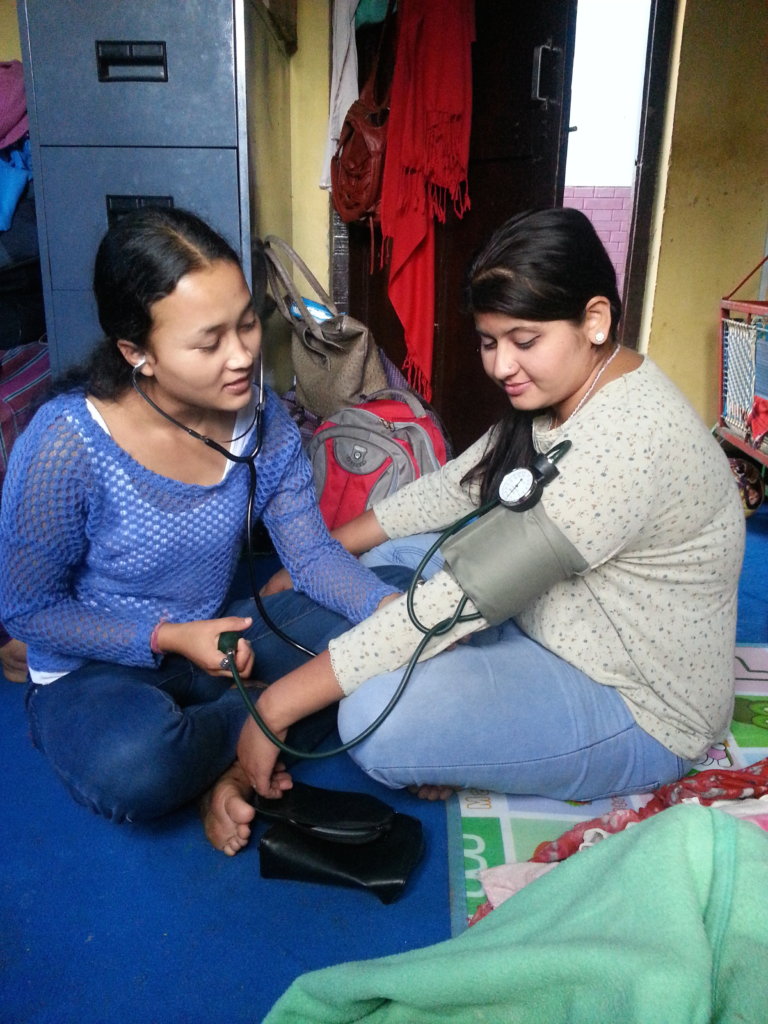
a. A national orphanage by helping them improve the current heath, hygiene, nutrition and sanitation conditions of the children. We are providing 24-hour medical care to the children through provision of qualified residential nurses.
b. Kanti's Children Hospital (the sole children's hospital in the country) by providing medicines, blood, medical investigation, and transportation, food and shelter for patients and their companions, most of whom are from poor rural backgrounds. By partnering with an NGO we are also supporting patients for proper usage of hospital facilities, health education, sanitation and pharmacy. We also help patients access facilities like X-Ray and lab tests at the hospital and cover costs for expensive treatments when the children’s family aren’t able to afford.
Our future plans include supporting establishment of a College for Midwifery in collaboration with a national university, support to a girl's college in Lumbini, starting a community outreach programme in Kavre district and support to district public health office in Kavre, which was highly affected by the earthquake.
As we are continuing our efforts to improve health care in Nepal, we want to express our deepest gratitude to all of our donors, supporters and contributors who have made our works possible. We hope that with the collective efforts of us all, we will be able to support individuals and families from the economically and socially marginalized backgrounds in getting quality health care and service.
Links:
Project reports on GlobalGiving are posted directly to globalgiving.org by Project Leaders as they are completed, generally every 3-4 months. To protect the integrity of these documents, GlobalGiving does not alter them; therefore you may find some language or formatting issues.
If you donate to this project or have donated to this project, you can receive an email when this project posts a report. You can also subscribe for reports without donating.