By Pragya Gautam | Program Coordinator
Background
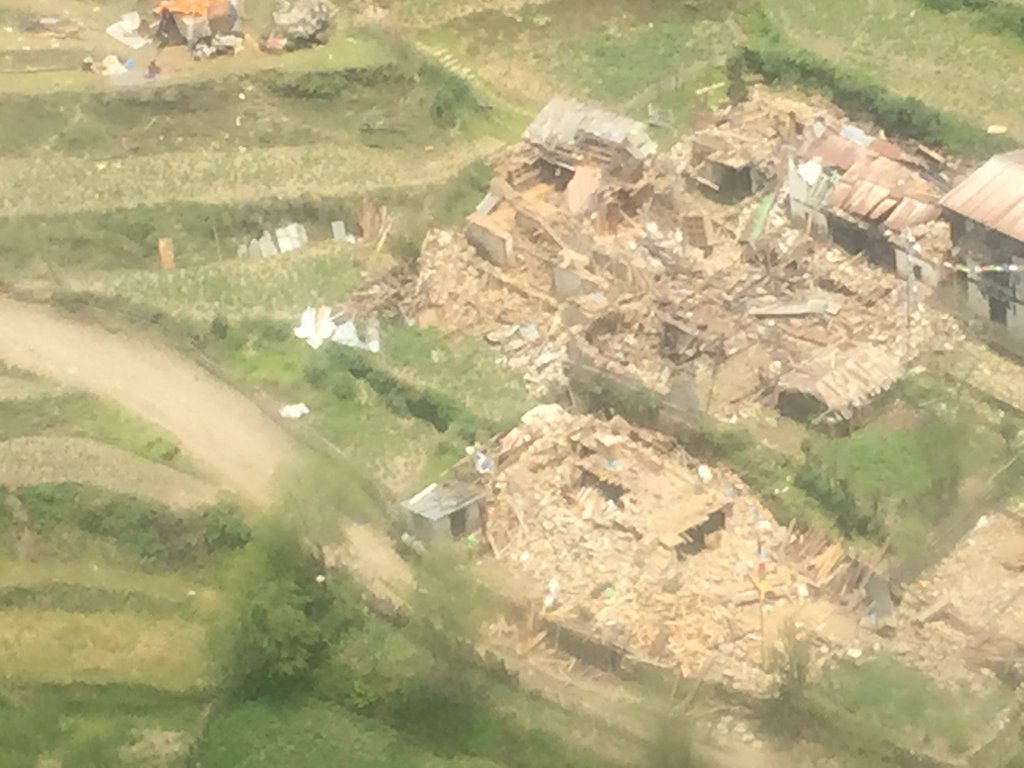
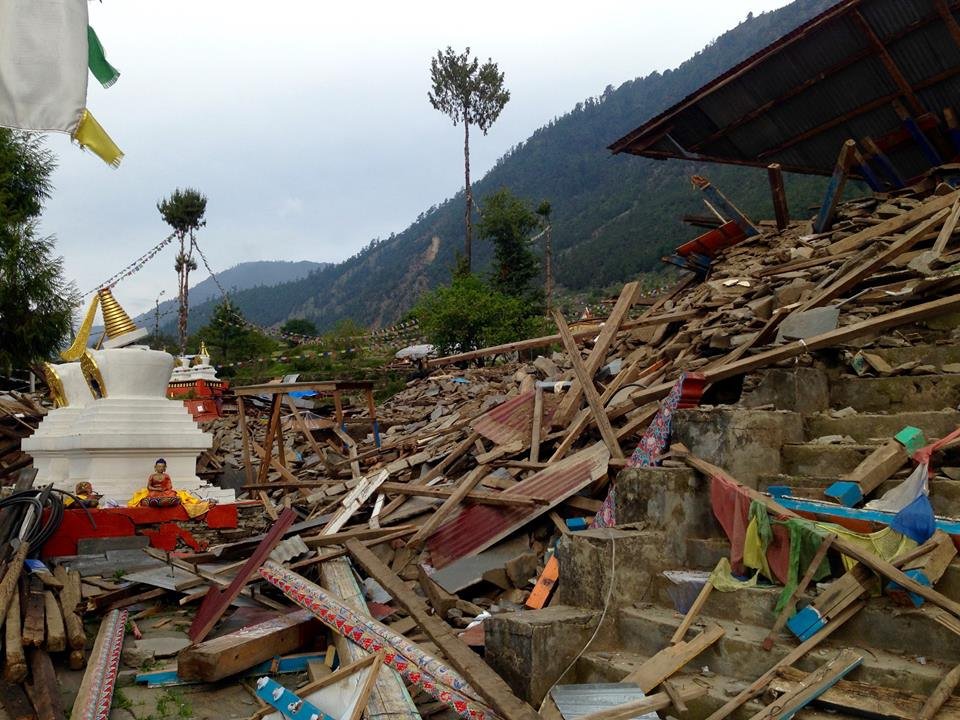
In the remote village of Arupokhari, Gorkha, where most of the limited infrastructure was damaged or destroyed by the 2015 earthquake, RMF Health Clinic staff is always concerned about the health of community members, as the village lacks water, both for drinking and for performing household chores. Even before the earthquake, villagers collected rain water during the monsoon season to continue using it later in the year. Otherwise, villagers have to travel a significant distance to fetch drinking water from the nearest stream. In this context, the health of community members is always at risk due to water-, sanitation-, and hygiene- (WASH) related diseases, and RMF Health Clinic staff is working fight these diseases through health education in schools and the community, early detection, and treatment to improve the health of the people of Arupokhari.
Patient Treated for Enteric Fever
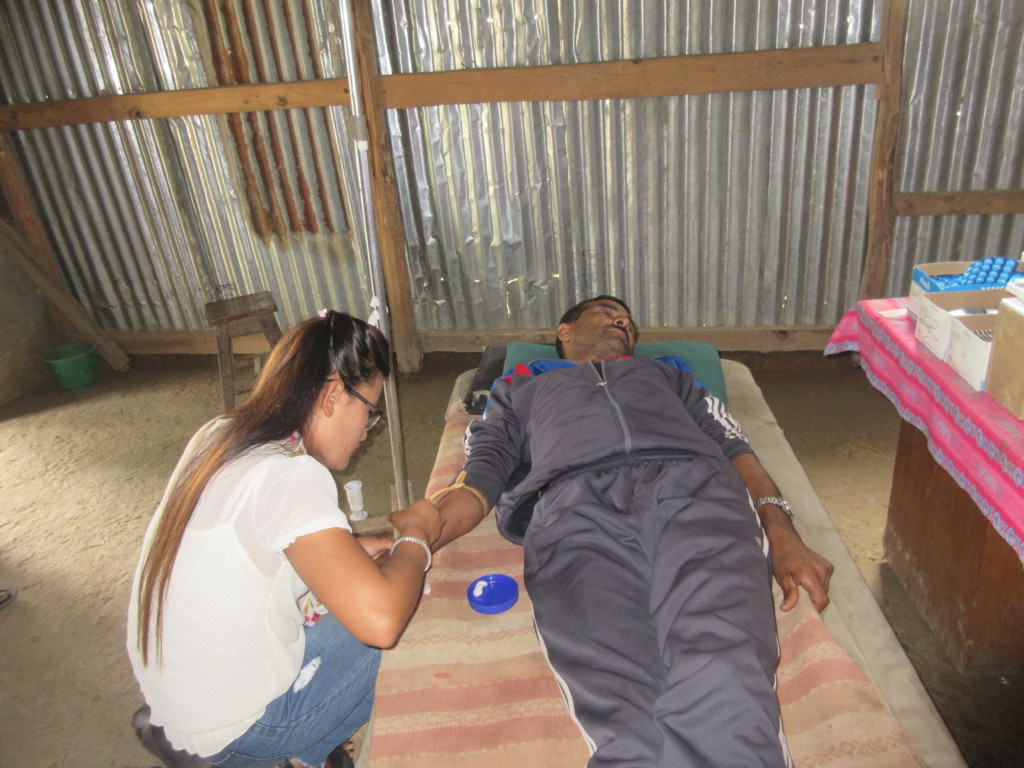
Kul Prasad, a 48-year-old laborer, arrived at the RMF Health Clinic with symptoms of a continuous, high fever, loss of appetite, abdominal pain, vomiting, and headache. After careful assessment, RMF Clinical Officer Bishnu Sharma diagnosed him with enteric fever and prescribed antibiotics for a week. RMF Nurse Laxmi Gurung gave Kul the antibiotics as prescribed. It was expected that his condition would improve, but even after 72 hours of treatment with the antibiotics, Kul’s symptoms were getting worse, and Clinical Officer Bishnu was called to Kul’s home. He did not want to risk the patient’s life, as there are no advanced diagnostic services at the RMF Health Clinic; therefore, Clinical Officer Bishnu explained the situation to the patient and his family and referred him to a hospital in Kathmandu. Living in the remote mountain village of Arupokhari, Kul’s family is not affluent, and to save the life of their breadwinner, they made compromises and arranged for his treatment in Kathmandu by asking for loans in the village.
When Kul returned to the village, he explained that he was admitted to the hospital in Kathmandu for 14 days, where he was treated for enteric fever. He was amazed how Clinical Officer Bishnu could detect the disease without the help of any laboratory tests and other facilities available in the bigger hospitals.
He thanked Clinical Officer Bishnu for the accurate treatment and for being at the RMF Health Clinic so that the people of Arupokhari and neighboring villages can access unmatched health services from such an experienced professional. Kul considers the people of Arupokhari very lucky to have the RMF Health Clinic within their reach and says that the people there should treat the RMF Health Clinic as their own and contribute to its betterment.
Health Center Progress
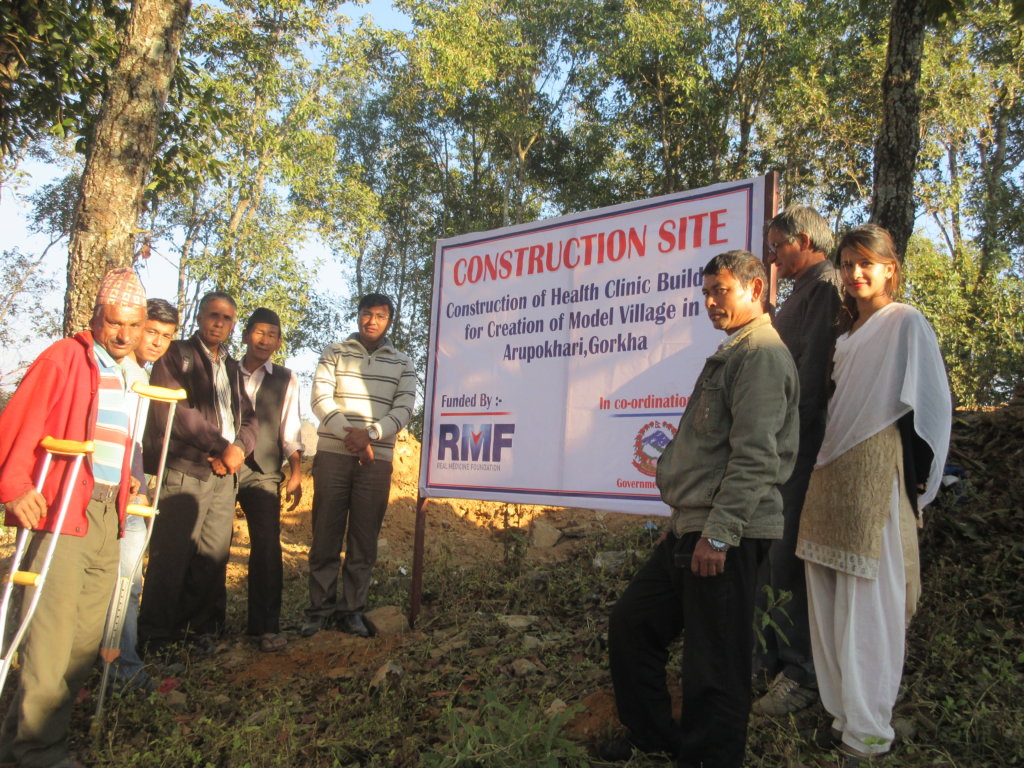
As construction of the new, earthquake-resistant building for the RMF Health Clinic continues to make good progress, services are expected to expand and further improve in the coming days. The new clinic will include much-needed medical laboratory facilities and the first birthing center in the area, allowing more patients like Kul to avoid costly referrals and providing access to dignified maternity care. In the third quarter of 2018, July to September, 2,618 patients received free health services from the RMF Health Clinic in Arupokhari, Gorkha.
Project reports on GlobalGiving are posted directly to globalgiving.org by Project Leaders as they are completed, generally every 3-4 months. To protect the integrity of these documents, GlobalGiving does not alter them; therefore you may find some language or formatting issues.
If you donate to this project or have donated to this project, you can receive an email when this project posts a report. You can also subscribe for reports without donating.