By Masongole Fredrick | Head of Programs
1. Project Overview
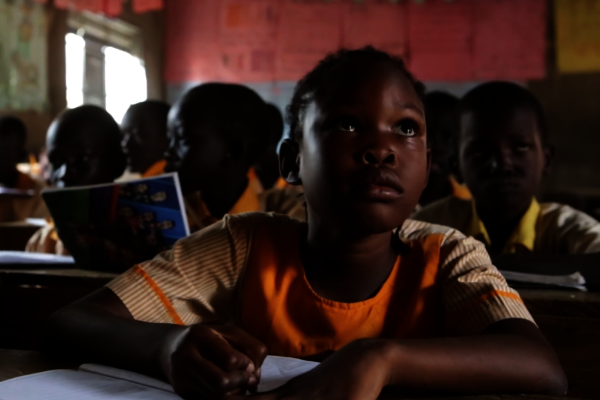
The “Provide Toys and Food Vouchers for 400 Children” project was implemented by TGCDA to support vulnerable children and households affected by economic hardship, food insecurity, and limited access to psychosocial support opportunities in Nzara Centre (County Headquarters), Basukangbi, Ringasi, Sakure, and Sangua Payams of Nzara County in Western Equatoria State. The intervention focused on improving children’s well-being by providing toys for psychosocial stimulation and food vouchers to enhance household food access and nutritional support.The project directly targeted 400 vulnerable children and their caregivers, prioritizing households headed by women, internally displaced families, low-income households, and children facing protection risks.
2. Key Achievements
During the reporting period, TGCDA successfully implemented the planned activities and achieved substantial progress toward project objectives.
Major accomplishments include:
3. Beneficiary Reach
Category Number Reached
Children supported with toys 400
Households receiving food vouchers 400
Girls Approximately 52%
Boys Approximately 48%
Female-headed households Significant proportion
Vulnerable/IDP households Included
4. Activities Implemented
4.1 Beneficiary Identification and Verification
TGCDA worked closely with community leaders, women groups, and local committees to identify the most vulnerable households and children. Verification exercises were conducted to ensure fairness, transparency, and inclusion.
4.2 Procurement and Distribution of Toys
Age-appropriate educational and recreational toys were procured and distributed to children. The toys contributed to psychosocial support by encouraging play, interaction, creativity, and emotional relief among children affected by difficult living conditions.
4.3 Distribution of Food Vouchers
Food vouchers were distributed to caregivers of the selected children, enabling households to access basic food items from designated vendors. This support helped reduce immediate food insecurity pressures and contributed to improved household coping capacity.
4.4 Community Engagement and Awareness
Awareness sessions were conducted to promote child protection, proper utilisation of food assistance, and positive caregiving practices. Community leaders actively participated in mobilisation and monitoring activities.
5. Impact Observed
The intervention generated positive outcomes within targeted communities:
Parents and caregivers expressed appreciation for the support, particularly highlighting the importance of combining psychosocial support for children with food assistance for families.
6. Challenges Encountered
Despite the successful implementation, several challenges were experienced:
TGCDA addressed these challenges through close coordination with local stakeholders, careful planning, and adaptive scheduling of activities.
7. Lessons Learned
Key lessons from the implementation include:
8. Sustainability and Next Steps
TGCDA continues to engage community structures and local stakeholders to promote child well-being and household resilience beyond the project period. Future interventions will seek to expand support to additional vulnerable children and incorporate more structured psychosocial and nutrition-focused programming.The organization also aims to strengthen partnerships and mobilize additional resources to address growing humanitarian needs in Nzara Centre (County Headquarters), Basukangbi, Ringasi, Sakure, and Sangua Payams of Nzara County in Western Equatoria State.
9. Conclusion
TGCDA successfully implemented the “Provide Toys and Food Vouchers for 400 Children” project and reached the intended beneficiaries with timely and impactful support. The intervention contributed to improved child well-being, strengthened household food access, and enhanced community engagement.The organization remains committed to supporting vulnerable communities through responsive, accountable, and community-centred programming.
Project reports on GlobalGiving are posted directly to globalgiving.org by Project Leaders as they are completed, generally every 3-4 months. To protect the integrity of these documents, GlobalGiving does not alter them; therefore you may find some language or formatting issues.
If you donate to this project or have donated to this project, you can receive an email when this project posts a report. You can also subscribe for reports without donating.



Support this important cause by creating a personalized fundraising page.
Start a Fundraiser