By Katherine Zavala | Coordinator of Programs
HIV-prevention campaign to commemorate World AIDS Day
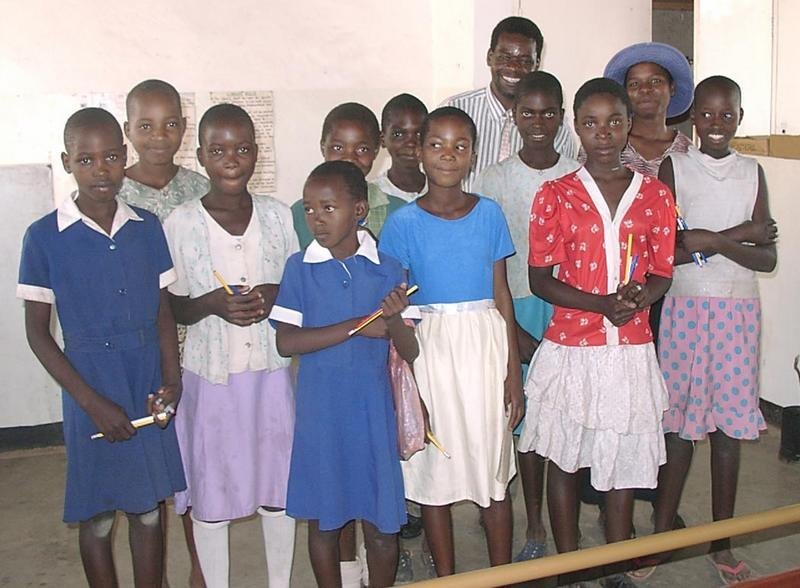
To commemorate World AIDS Day, 2007, GCN held its first Girls Speak Out Conference outside Harare in the town of Chitungwiza where over 900 girls from 10 provinces spoke out about HIV and AIDS. This was a unique event that allowed the voices of girls to be heard in an environment that is typically relegated to experts in the field and international donors.
One notable request from several girls representing the rural areas is the need for their schools to incorporate a Volunteer Counseling and Testing (VCT) center to normalize the act of testing for children and to enable them to have the opportunity to have access to testing. Most girls who are raped when they are young may not know if they are HIV positive until they are over 18. For example, one girl spoke out about being raped when she was 6, and though her parents were told that she was HIV-positive as a result of the rape, they did not know how to tell her until she got sick and went for Voluntary Counseling and Testing (VCT) when she was 18. The conference also reveled the extent to which girls who are now the head of their household are conducting home-based care without training for their sick parents or siblings. This reality identifies a key need in the rural communities to train these children how to protect themselves and properly care for their family members. Since the conference, this girls have returned home knowing that they are not alone in this struggle and for the first time, the public heard first hand about the issues they face. The complex situation in which these girls find themselves is not without hope if those in the field of HIV and child rights begin to listen to the needs from the children themselves. GCN continues to take the bold and innovative steps to see that the local Zimbabwean community as well as the international community begins to listen.
The girls agreed to the following declaration in attendance:
We, the participants at the Girls National HIV/AIDS Speak Out Conference. Being aware of the dangers posed by the continued spread of HIV to the well being of the girl child. Taking cognizance of the efforts of all sectors of society from Government, NGOs and private individuals in trying to reduce the impact of HIV/AIDS on the aforementioned girls. Yet still recognizing that girls of the ages of the participants are among the most affected by HIV/AIDS, do make the following Declaration: 1. That the media be sensitive in its portrayal of HIV /AIDS issues especially where they concern girls. 2. The media should publish for all ages and not focus on adults. This also refers to the adverts carried in the media about HIV. 3. Home based care programs should be strengthened and involve all sectors of society to allow girls space to attend school as they are spending a lot of school time taking care of relatives. 4. Programs that fight discrimination and stigma must be strengthened, especially in school, and specific AIDS programs must be introduced into the school curriculum and taught by specially qualified staff. 5. HIV education and awareness programs on abuse should begin in Grade Zero to raise awareness of HIV and abuse from the earliest learning age. 6. There is need to increase awareness about other forms of transmission of HIV, not to focus on sexual transmission. 7. Children’s income generating programs especially in school clubs be promoted and strengthened to allow children to gain financial capacity too care for the needs of fellow children infected and affected. 8. Programs that benefit orphans and vulnerable children, especially those living with HIV should be scaled up. 9. Money allocated to HIV/AIDS programs for children should be used transparently and be accounted for properly 10. All cases of rape and child abuse should be treated swiftly and equally without considering the position or influence of the alleged perpetrator. 11. Access to Post Exposure Prophylaxis should be a right for all victims of rape. 12. Testing and counseling centers should engage children as peer counselors to enable children to speak out better. 13. Children living with HIV /AIDS should have access to playing a meaningful role in programs that affect them. 14. Discussion on HIV issues and the status of members should be openly discussed from national to family level to demystify the issues. 15. All organizations that work in the field of HIV/AIDS should work closely together between themselves and with the national programs in order to derive maximum benefits for the girls who need the interventions.
Agreed to on this 2nd day of December 2007 at Seke Teachers’ College, Chitungwiza.
Project reports on GlobalGiving are posted directly to globalgiving.org by Project Leaders as they are completed, generally every 3-4 months. To protect the integrity of these documents, GlobalGiving does not alter them; therefore you may find some language or formatting issues.
If you donate to this project or have donated to this project, you can receive an email when this project posts a report. You can also subscribe for reports without donating.