By Lori Brister | Resource Development Officer
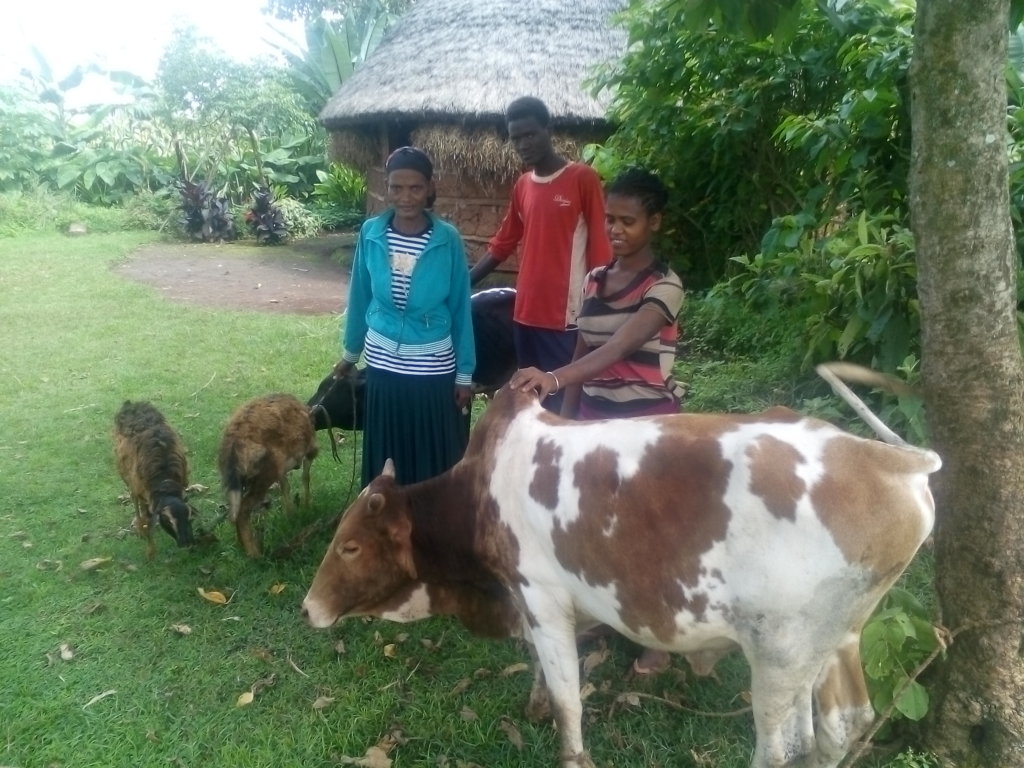
When Bekelech’s husband died two years ago, she was left with a small garden in southwestern Ethiopia, two cows, and five children to raise alone. Because of chronic food insecurity and deep poverty, Bekelech was forced to sell both of her cows so that her children could eat. She could no longer afford to send her children to school or buy seeds for her garden. “We were all hungry. I would collect fire wood and sell charcoal with an empty stomach,” Bekelech recalled, referring to her only source of income. “When things were very difficult, my children would forage for wild cabbage.”
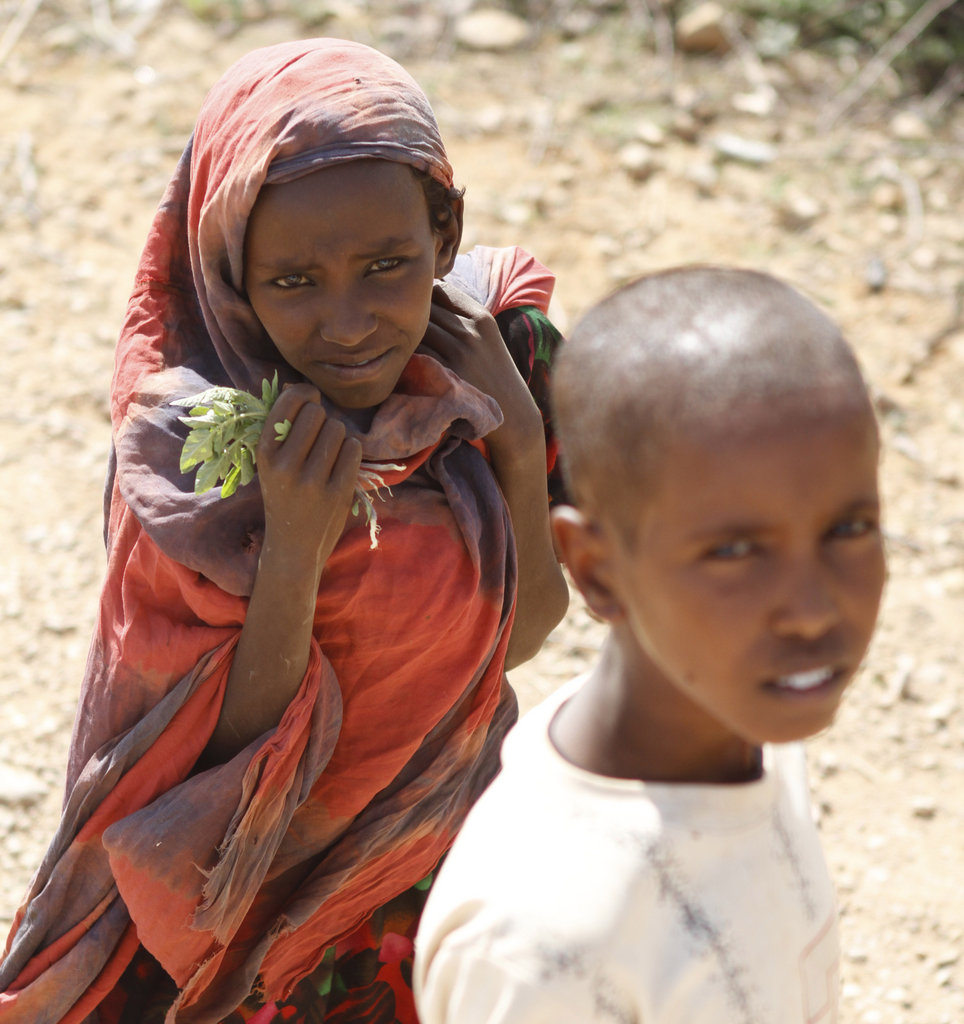
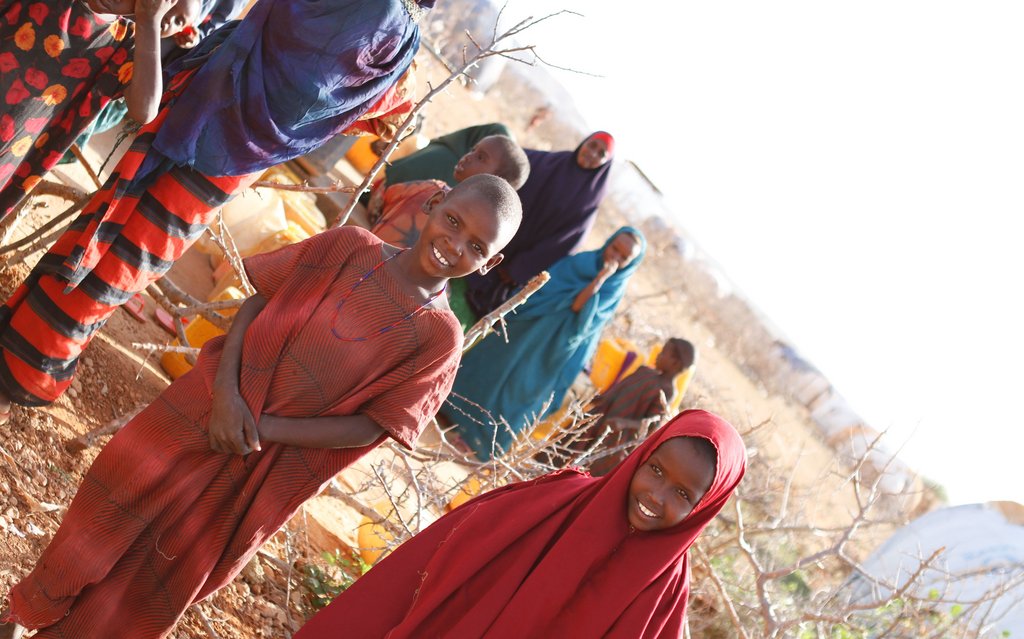
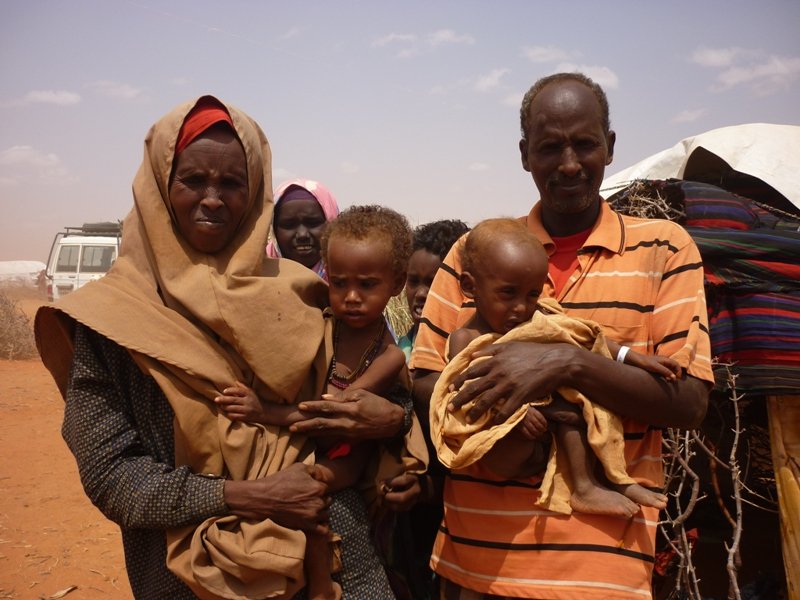
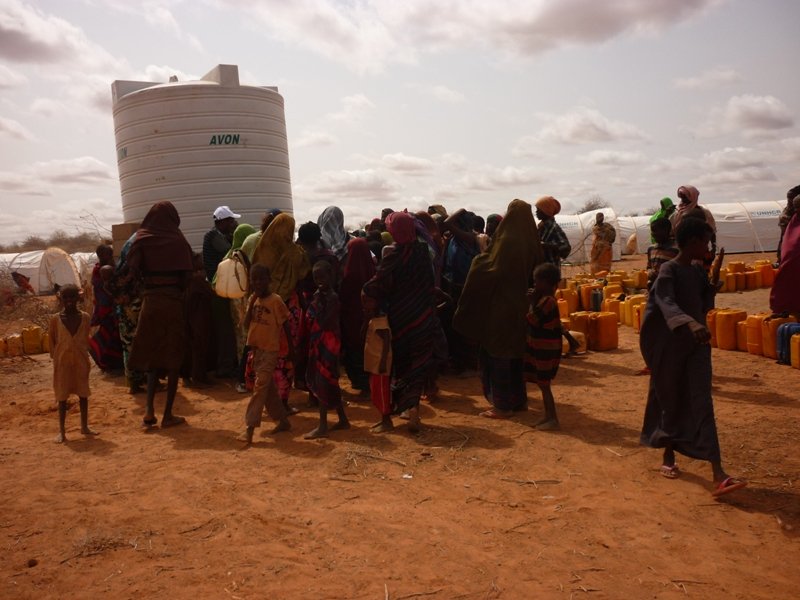
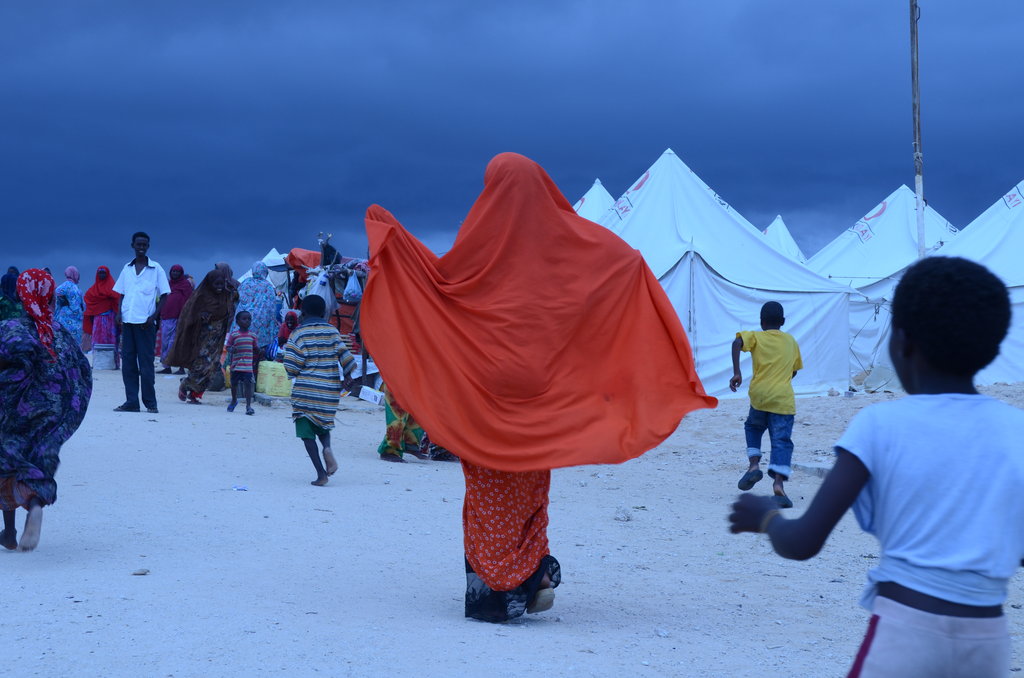
Each year, Ethiopia suffers from a cyclical pattern of floods and droughts. This year, El Niño, the global weather phenomenon, exacerbated the cycle of food insecurity. Excessive rainfall during the wet season led to flooding, widespread crop destruction, and a rise in the spread of water-borne diseases, such as Acute Watery Diarrhea. This was followed by several months of little to no rain, which grew into the worst drought Ethiopia has experienced in 50 years. According to the United Nations Office for the Coordination of Humanitarian Affairs, the extreme flooding and drought continues to negatively impact the lives and livelihoods of 9.7 million Ethiopians.
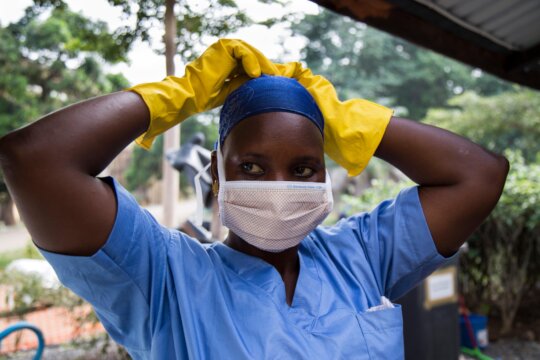
In response to the drought in Ethiopia, International Medical Corps is providing nutritional support and sustainable solutions to address those suffering from malnutrition in Ethiopia. We work with mothers and caregivers to teach positive, health-seeking feeding practices that rely on locally available food as well as provide nutrition services for children under five years of age. Our teams operate health and nutrition programs for mothers and their children, integrating hygiene and sanitation support. We also operate a resiliency program to provide more than 700 landowners like Bekelech with livestock and seeds to grow locally-sustainable, vitamin-rich foods.
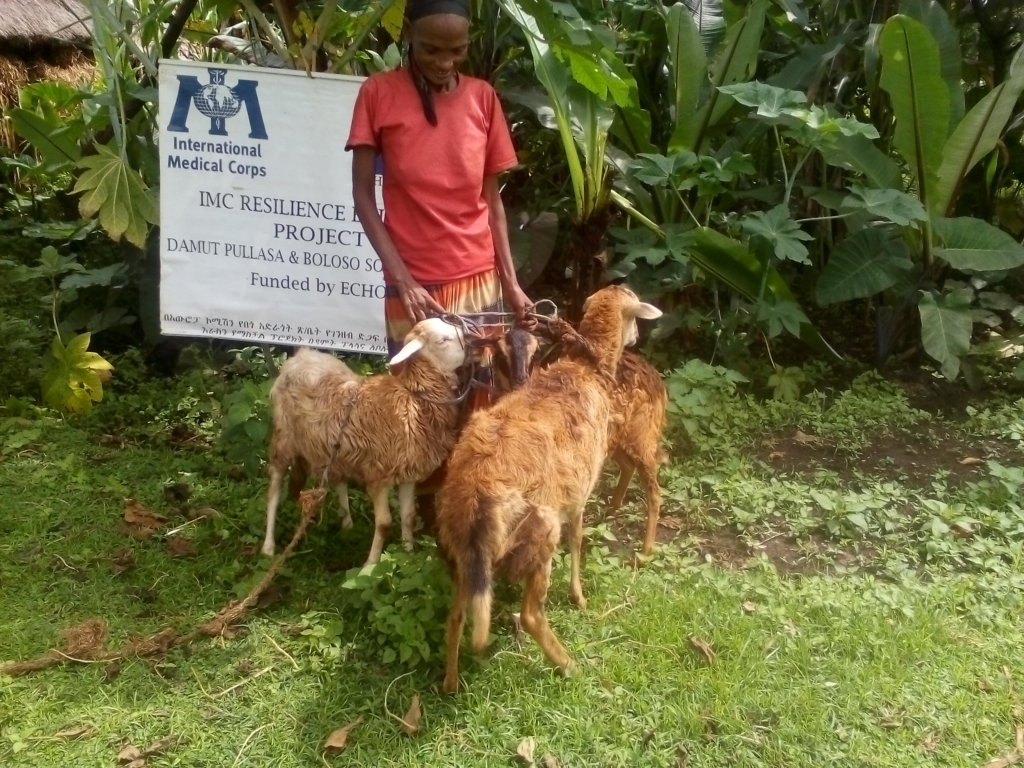
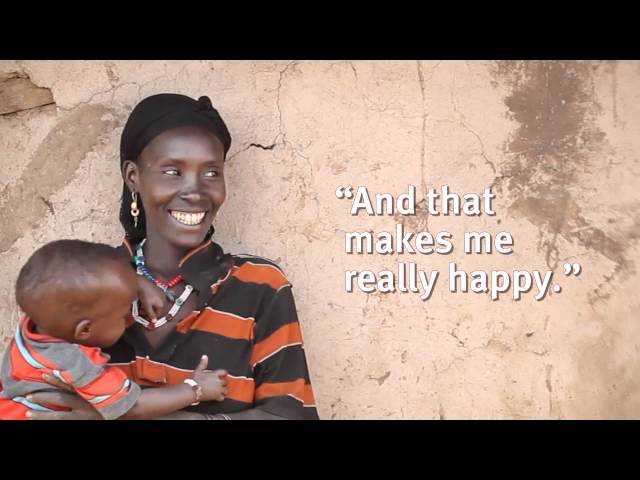
Bekelech was introduced to International Medical Corps’ livelihoods and resiliency program. First, she attended a two-day training on integrated crop production and efficient farming practices. Soon afterwards, our resiliency program gave her three sheep and 200 kilograms of Irish potato seeds. Bekelech said, “We did not have proper food until I became an International Medical Corps Resilience Building Project beneficiary.” The program also connected her with the Rural Savings and Credit Cooperative, a UN-funded initiative that helps farmers get small, low-interest loans to improve agricultural production. Within months, Bekelech’s potato crops were so successful that she was able to feed her family, sell most of her produce at the market, pay back the loan, and invest in her children’s education.
We thank you and the GlobalGiving community for your support as we help drought-affected families like Bekelech's become resilient.
Project reports on GlobalGiving are posted directly to globalgiving.org by Project Leaders as they are completed, generally every 3-4 months. To protect the integrity of these documents, GlobalGiving does not alter them; therefore you may find some language or formatting issues.
If you donate to this project or have donated to this project, you can receive an email when this project posts a report. You can also subscribe for reports without donating.