By Robert Rutherford | Resource Development Officer
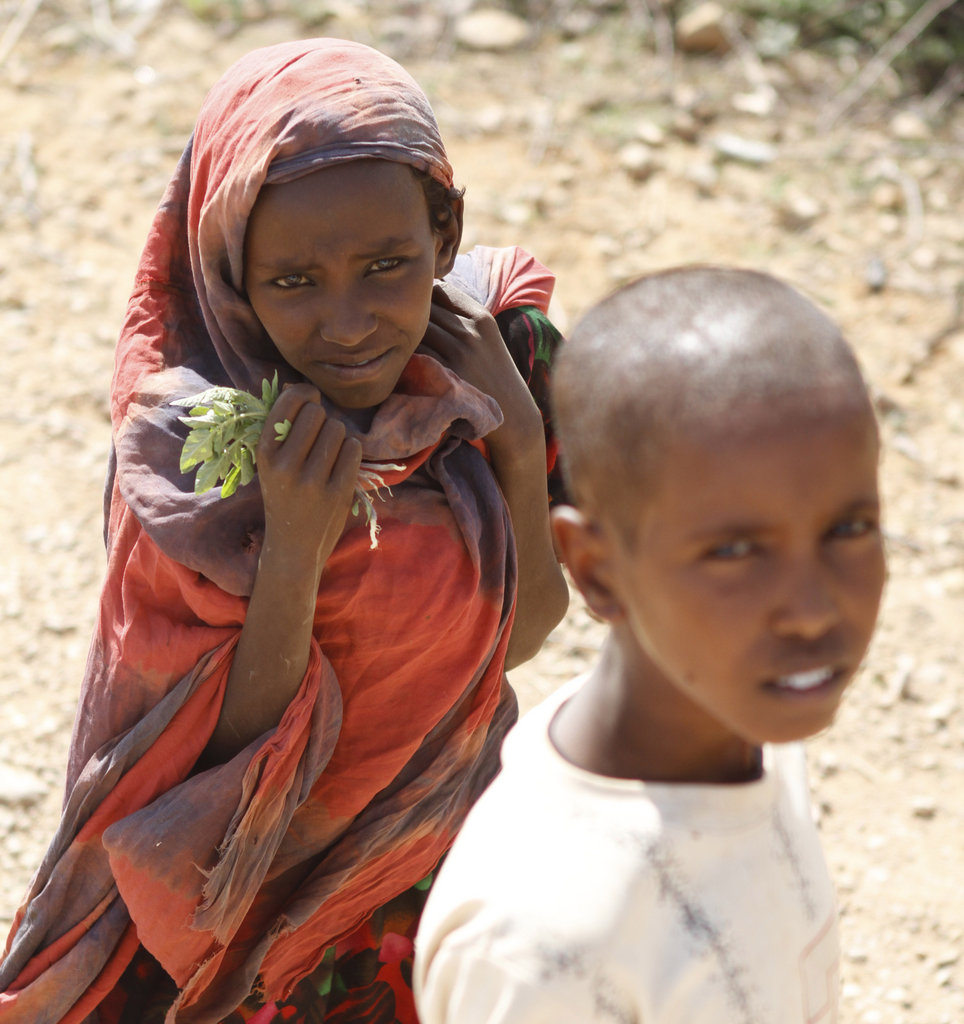
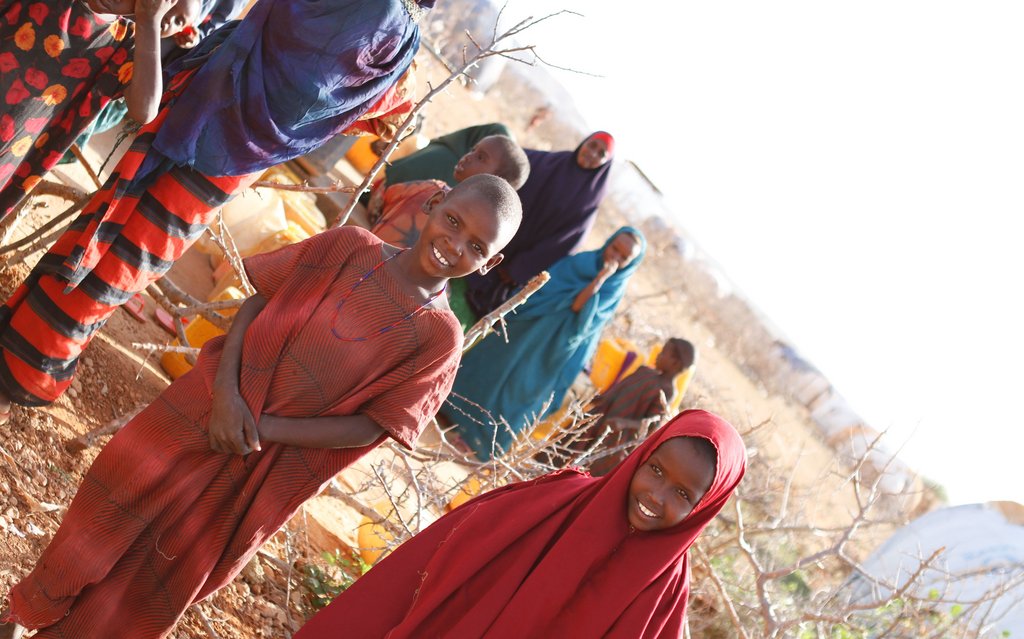
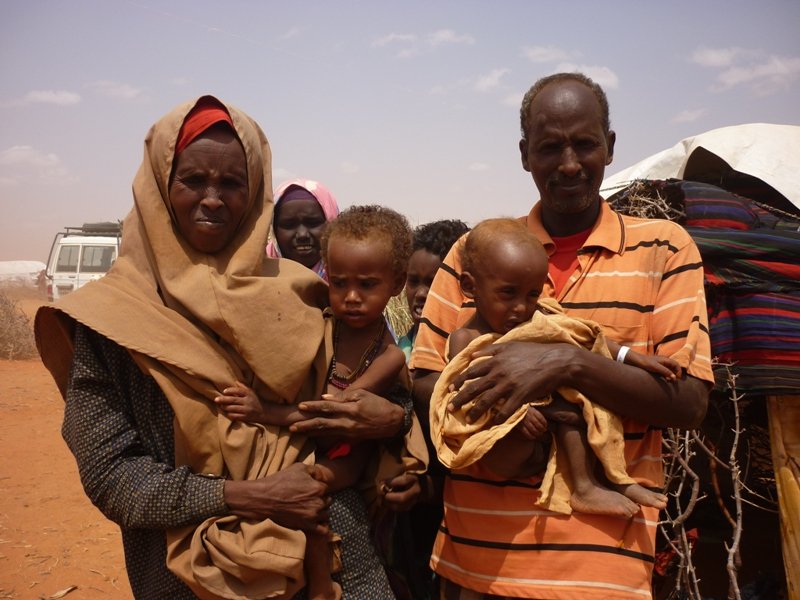
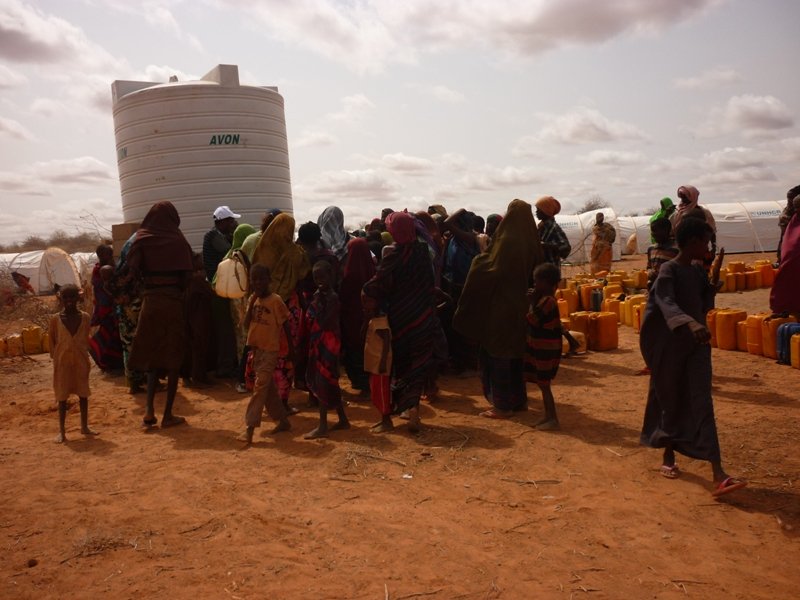
Severe drought in East Africa has led to acute food crisis and crops failures, affecting the livelihood of hundreds of thousands of communities, particularly marginalized and vulnerable populations. Since the majority of these populations depend on subsistence agriculture for their livelihood, drought conditions have a significant impact on these communities and the families within them. The following story resonates with the struggle of thousands of such drought victims in East Africa. It is with the support of GlobalGiving and other donors that our efforts to create sustainable income generating activities to help improve the livelihood of poor families, like Dejene, will continue to build resistance to drought and subsequent famine in the region.
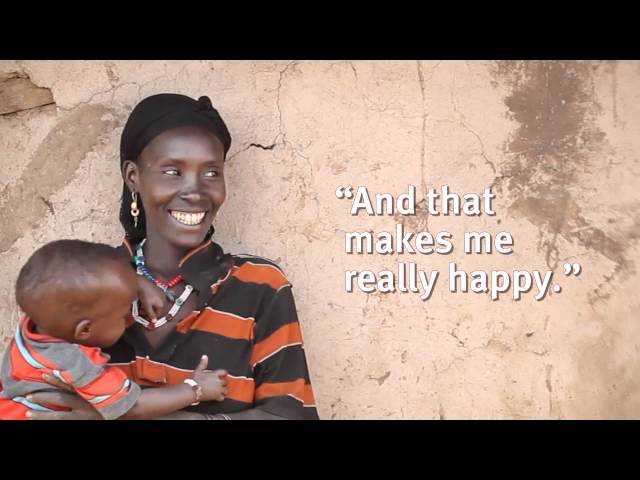
Dejene resides in Zamine Welishokebele, Damot Pullasa woreda, with his wife and 6 children. For the past 5 years Dejene had been working as a laborer and earned merely 20-30 birr per day. In addition, he collected and sold firewood for extra income. Due to his poor financial condition, he was struggling to provide for the basic needs of his family, including healthcare and education for his children.
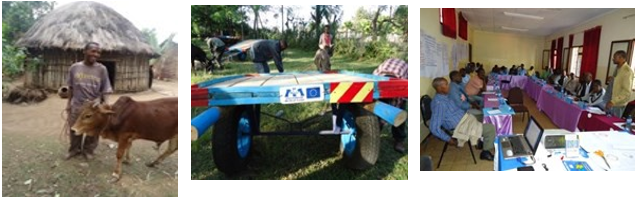
Since 2013, International Medical Corps, through its ECHO-Resilience Building program in Kenya and Ethiopia, has been supporting sustainable livelihood programs for vulnerable populations in order to improve quality of life and reduce poverty.The program’s income generation activities provide donkeys and donkey carts for people, like Dejene, who are struggling to earn a living. The program also provides a five day training session on business skills and financial literacy, through which our beneficiaries are able to gain in depth knowledge on selecting, planning and managing suitable income generating activities as well as managing household resources. The program has benefitted over 340 households, resulting in improved quality of life.
In July 2013, Dejene, along with his other business partners, loaned a donkey and donkey carts through credit and saving cooperatives at 5,500.00 ETB. Dejene now owns one bull, which he was able to purchase through his savings and has savings of 1,520 ETB and 1,000 ET Bat Rural Saving and Credit Cooperative and Village Saving and Loan Association respectively. Dejene recollects the struggles that he and his family went through before he received our support. In his own words, he says,
“I haven’t forgotten our challenges we had to face due to food insecurity. I was not able to provide enough food for my family, and as a result, my children were becoming weak and losing interest in education. I wasn’t even able to lend my support to my wife during her pregnancy as I was busy making our ends meet. With the help of International Medical Corps program, I now earn 75 ETB per day on average, from my income generation activities and I engage myself for about 10-12 days every month in these activities. Now, my family has enough food to eat and my children go to school. In addition,I have planted improved maize seeds on 0.25 hal and by covering all production cost including cost of improved seedsand fertilizer. I share the crop income and crop expenses with the owner of the land. I hope, from now onwards, I will be in a better position to fulfill the needs of my family.”
Dejene is just one of many beneficiaries, whose life has changed for the better. Dejene now earns more than 600 ETB from his donkey and donkey cart business. While he is still working hard to ensure food security for his family, the lives of him and his family have certainly improved for the better. He wants to diversify his income opportunities and invest in animal fattening, parry trade, crop farming with land owners, and wants to construct an iron corrugated house through loans from saving and credit cooperatives in the near future. With the support of GlobalGiving and our generous donors, we will be able to further facilitate the achievement of goals such as these for Dejene and other families and communities just like his.
Project reports on GlobalGiving are posted directly to globalgiving.org by Project Leaders as they are completed, generally every 3-4 months. To protect the integrity of these documents, GlobalGiving does not alter them; therefore you may find some language or formatting issues.
If you donate to this project or have donated to this project, you can receive an email when this project posts a report. You can also subscribe for reports without donating.