By Jason Graber | Resource Development Officer
International Medical Corps has been operating in Somalia since 1991, when it became the first American non-governmental organization (NGO) to arrive in the war-torn Somali capital of Mogadishu after the overthrow of President Siad Barre. Throughout the past two decades, International Medical Corps has implemented health; nutrition; livelihoods; and water, sanitation, and hygiene (WASH) programs in multiple locations of Somalia, implementing programs that build local health care capacity, while serving the immediate health needs of the most vulnerable men, women and children.
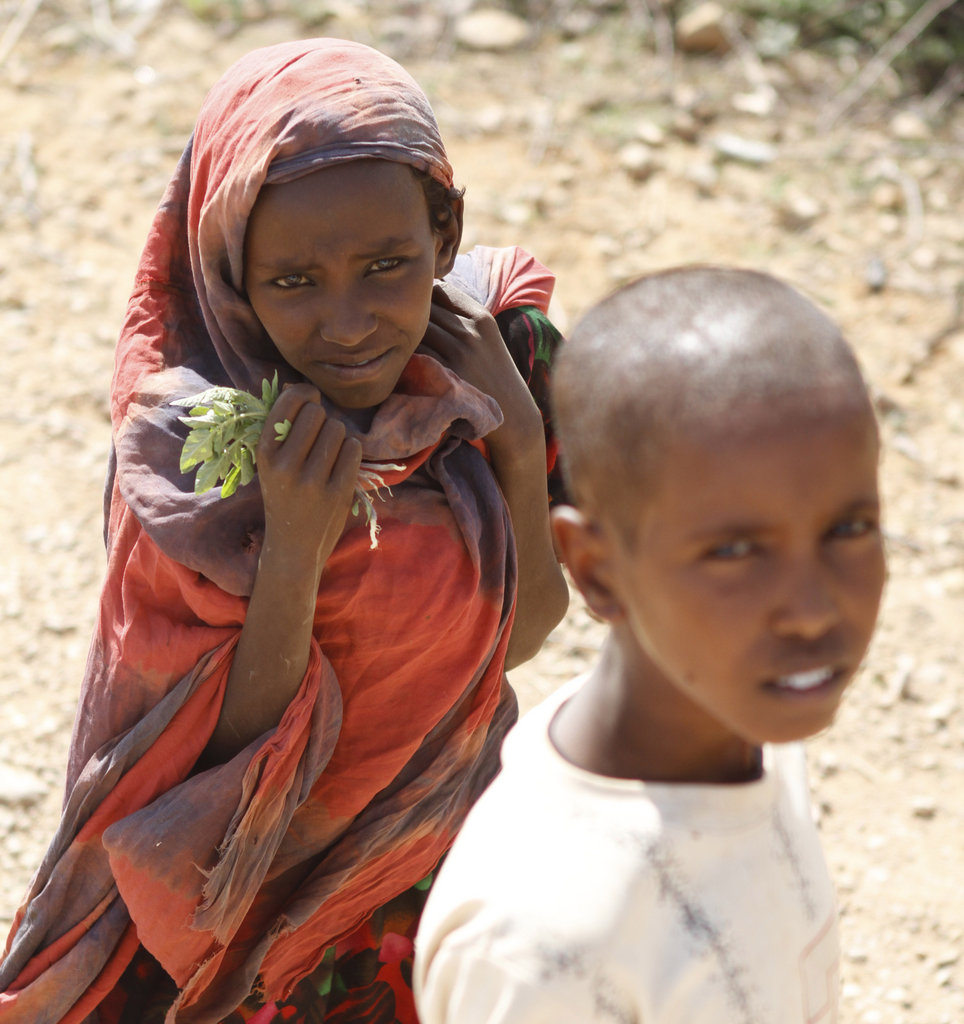
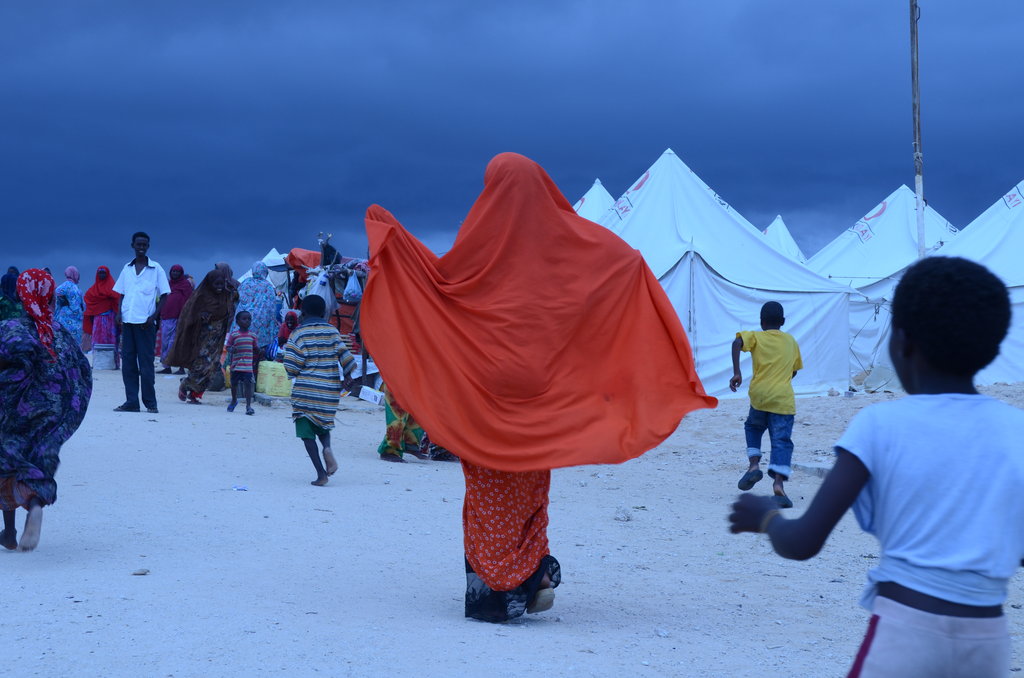
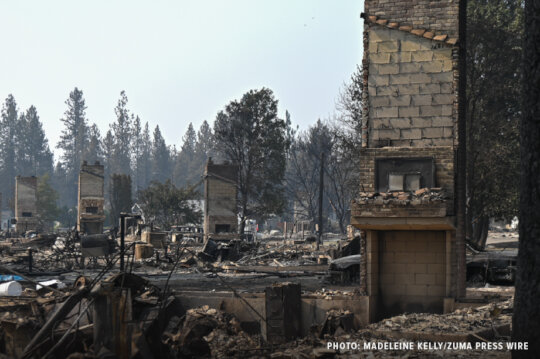
In October 2012, heavy rains in south central Somalia caused the region’s main river, the Shebelle, to reach its highest levels in 50 years, resulting in burst banks and unprecedented flooding. Beledweyne, a city with a population of 144,000, was one of the worst-affected areas and suffered severe damage to a wide range of critical public infrastructure and homes, which resulted in the extensive displacement of families.
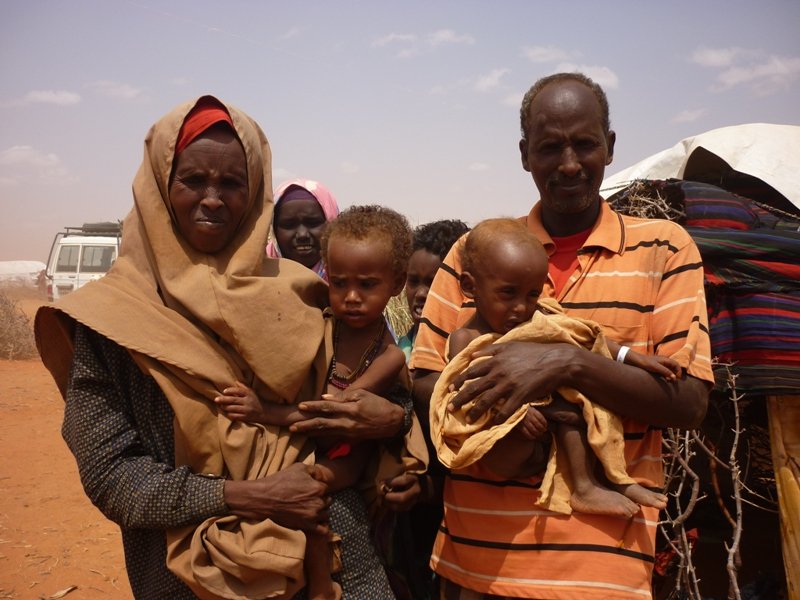
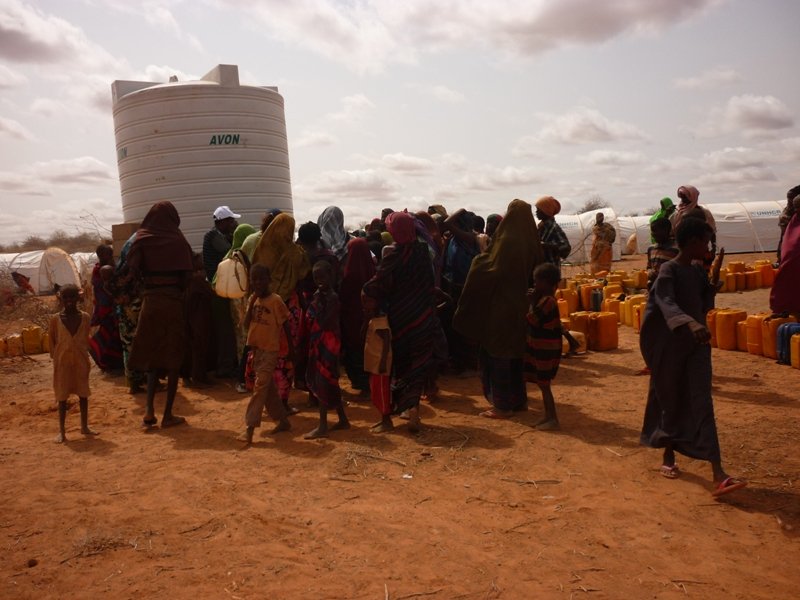
The floods have had a particularly devastating effect on this community, which was already struggling to recover from the 2011 drought that destroyed their farms, livelihoods, and homes. An estimated 34,602 people displaced by the drought and then the flood currently reside in Beledweyne, and generally depend on shallow wells and boreholes to meet their domestic water needs, most of which were destroyed and/or heavily contaminated by the severe flooding. On average, these people must now travel 3-4 miles by foot to find clean water, as sourcing water from the Shebelle River and shallow wells now exposes them to dangerous, water-related diseases.
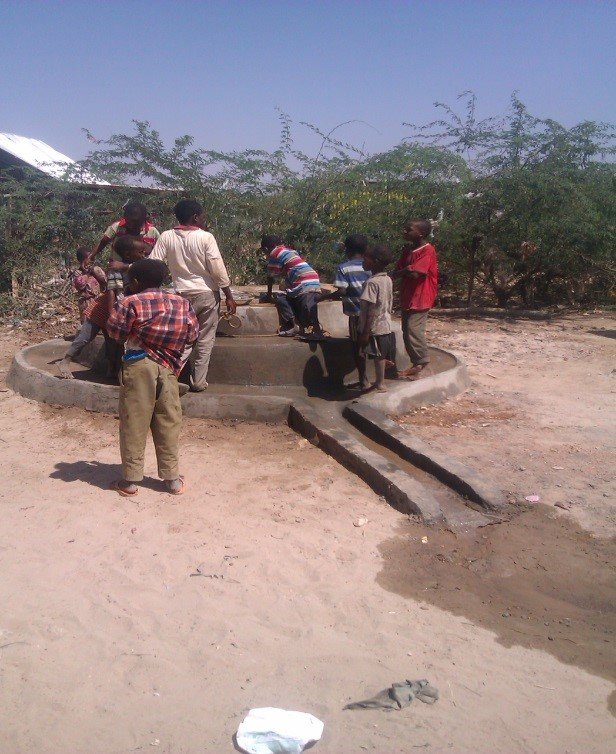
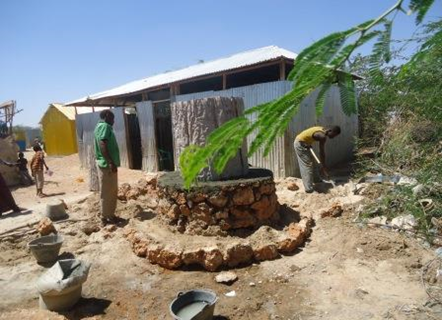
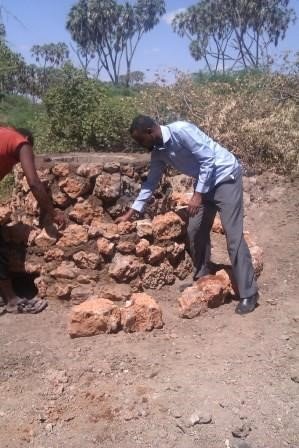
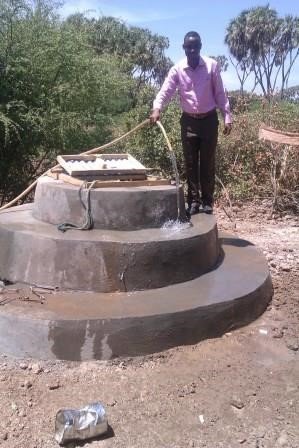
Over the last 18 months, International Medical Corps, with support from Global Giving and other donors, implemented a program in Beledweyne to ensure that the most vulnerable, including displaced persons, women and youth, have increased access to safe and reliable water supplies. To achieve this goal, International Medical Corps identified and rehabilitated three water sources; and trained local residents to act as water management committee members to ensure the rehabilitated water sources remain clean while also educating the community about proper water handling, storage and treatment techniques.
In order to deliver this program, International Medical Corps’ team in Beledweyne first conducted an assessment, in collaboration with the local community, to select the three most effective water points for rehabilitation. Selection criteria included:
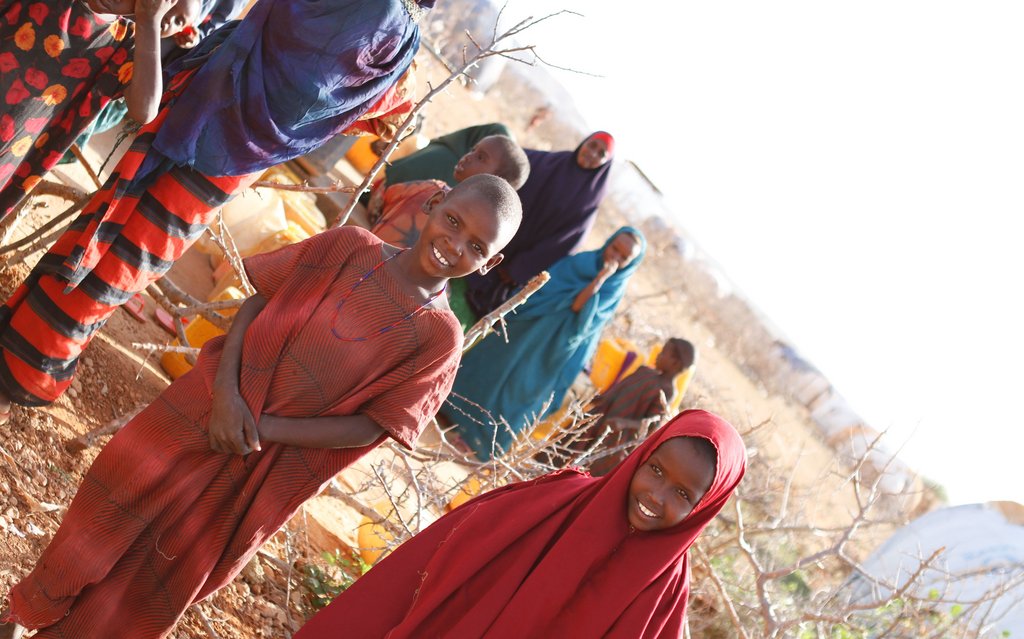
The three communal water points selected for rehabilitation are located in three different communities in Beledweyne, helping to ensure access to clean water for the greatest number of people. Overall, the rehabilitation of the three wells now provides access to safe water for more than 1,500 households -- approximately 7,900 people!
The next step of the program was to select and train water management committee members to maintain the rehabilitated wells and teach the community proper water handling techniques. After consulting with community leaders, 15 water management committee members were identified from the villages with rehabilitated water sources (5 committee members per rehabilitated well).
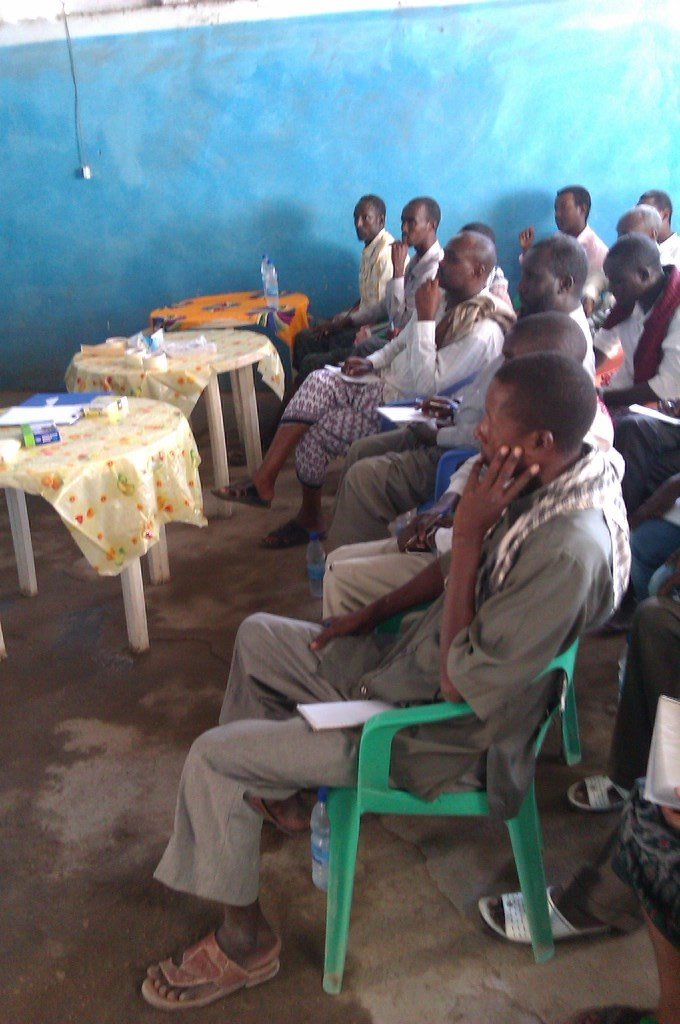
Between March 11 and 12, 2014, the committee members took part in a comprehensive training, based on internationally-accepted standards, on water source management. In addition, they completed a one-day training on hygiene promotion together with community leaders selected in collaboration with village elders. The key tasks of these water management committee members includes promotion of safe water and sanitation practices and maintenance of the rehabilitated wells.
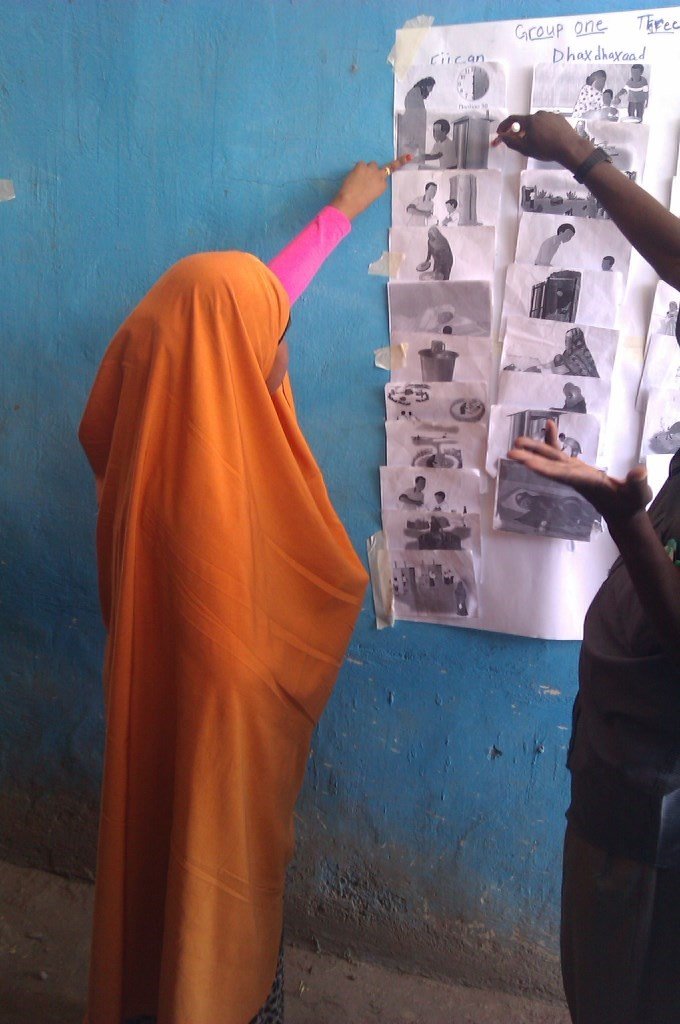
In addition to training water management committee members, teams provided a one-day training workshop to the communities surrounding the wells on March 12, 2014. Participants in this workshop included key community leaders from the areas most affected by waterborne diseases in recent years, including Buntaweyn, Kooshin, Hawataako and Hawlwadaag. A total of 21 participants received training on the effects of consuming contaminated water, and how to spread community awareness of the issue and treatment of contaminated water. Other topics covered included the importance of hygiene, for individuals and households, the importance of using safe water to clean and prepare food, and proper waste disposal.
Finally, International Medical Corps, in collaboration with other organizations working in Somalia and the previously trained community leaders, provided training to communities to increase awareness of the importance of protecting water sources. During this one-day community mobilization meeting, International Medical Corps used a hands-on, participatory approach to inspire action and encourage community members to take leading roles in the planning, management, monitoring and evaluation of their water sources.
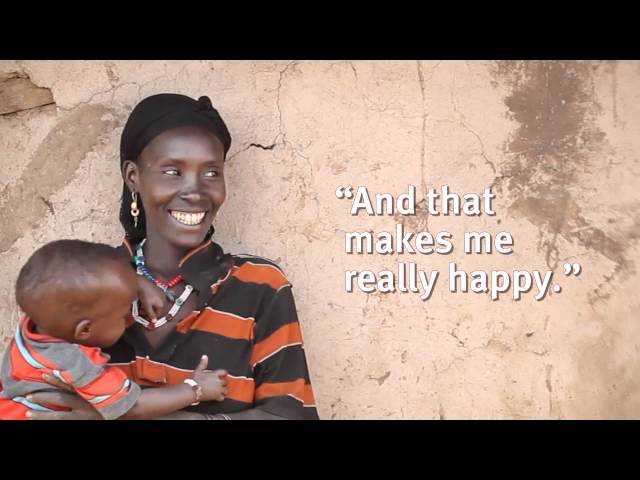
Through the generous support of Global Giving and other donors, International Medical Corps was able to provide desperately needed clean water to communities affected by the 2011 drought and 2012 flooding in Beledweyne, Somalia benefitting 1,500 households and 7,900 people. With better access to clean water, families will be exposed to fewer waterborne diseases, improving their overall health. Moving forward, community members now have the skills to ensure that the rehabilitated water points continue to provide clean water for years to come and that hygiene messages and training are spread throughout the communities. Embedding skills in the community lies at the heart of International Medical Corps’ mission: building self-reliance.
Project reports on GlobalGiving are posted directly to globalgiving.org by Project Leaders as they are completed, generally every 3-4 months. To protect the integrity of these documents, GlobalGiving does not alter them; therefore you may find some language or formatting issues.
If you donate to this project or have donated to this project, you can receive an email when this project posts a report. You can also subscribe for reports without donating.