By Resource Development | International Medical Corps
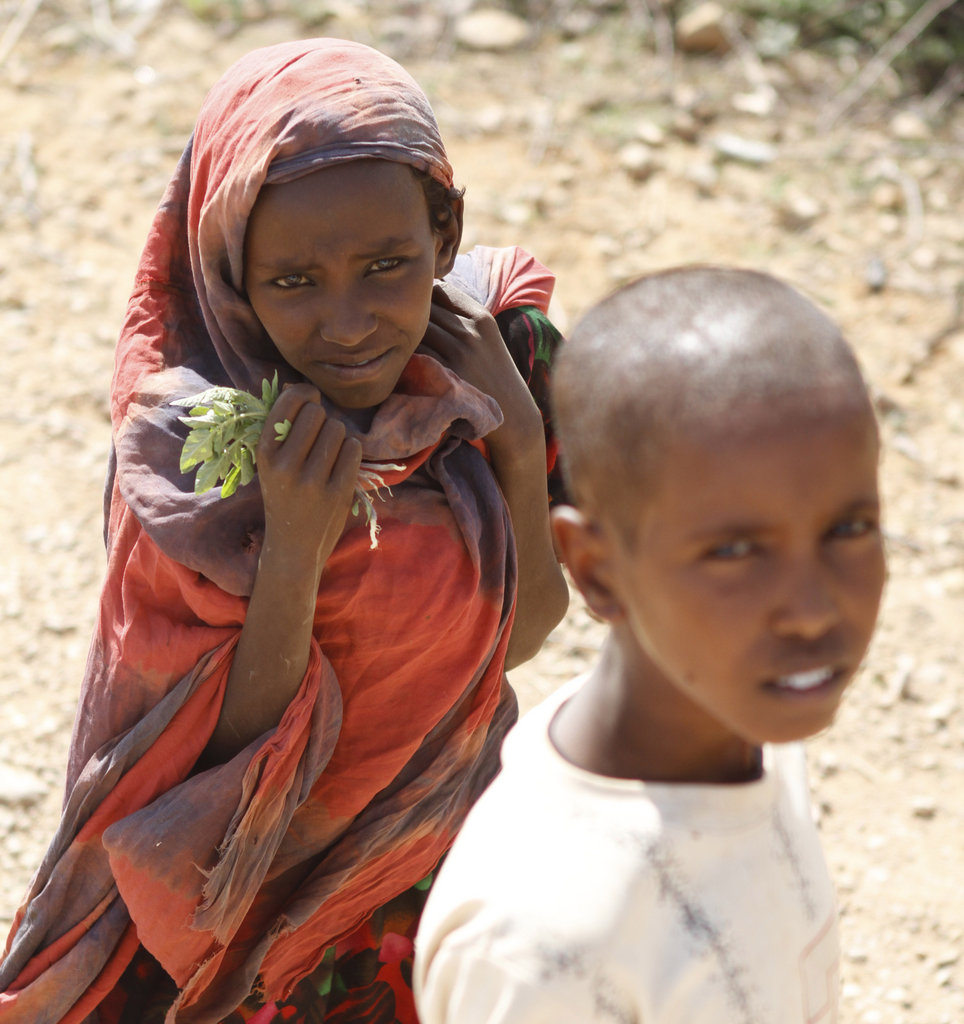
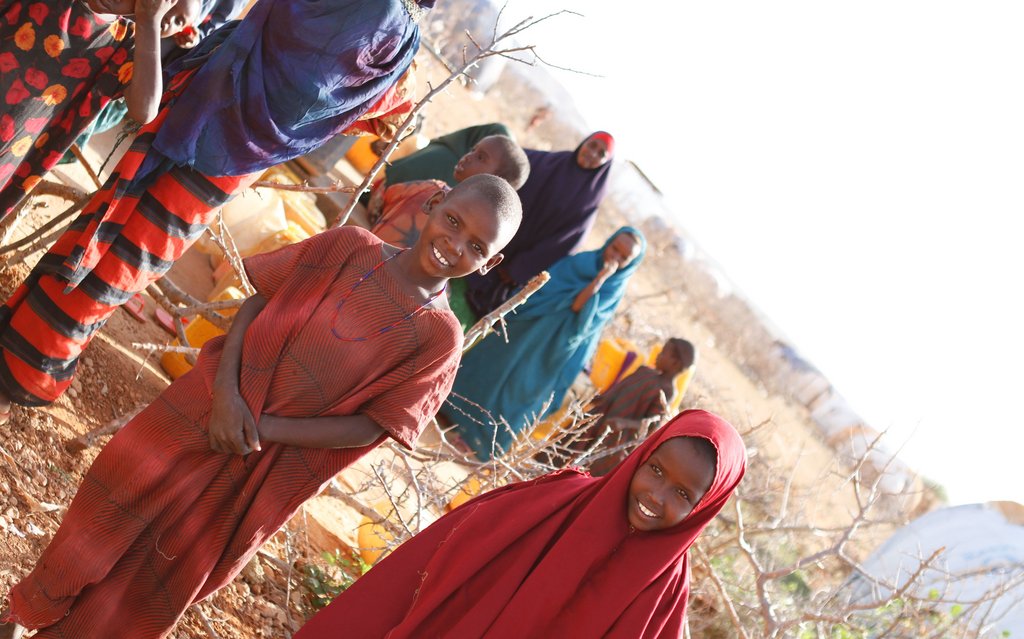
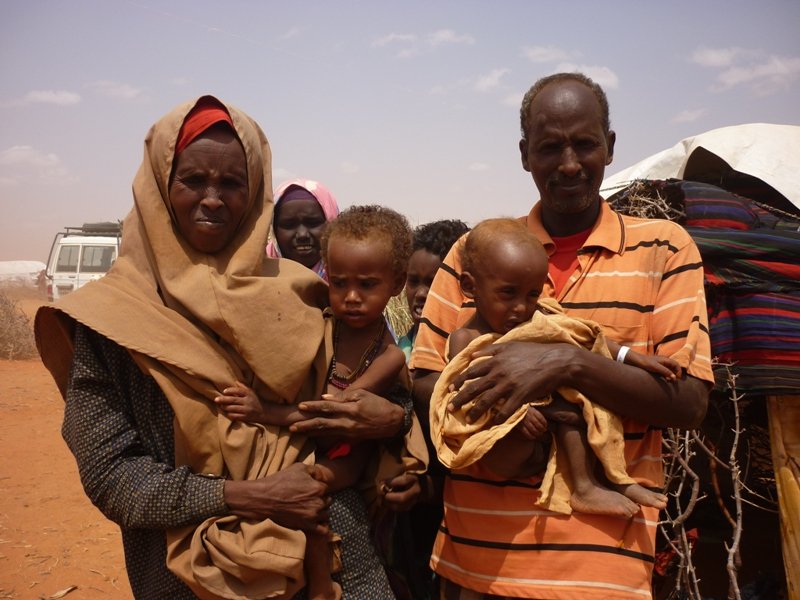
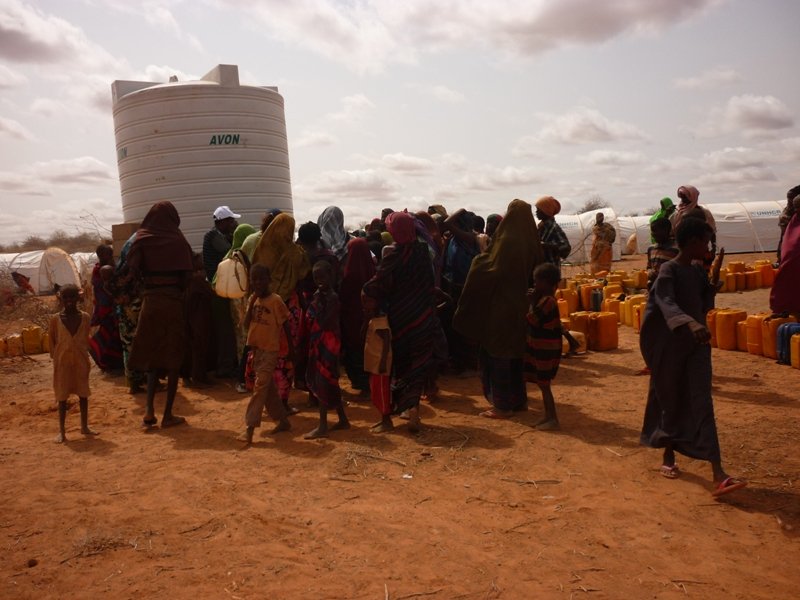
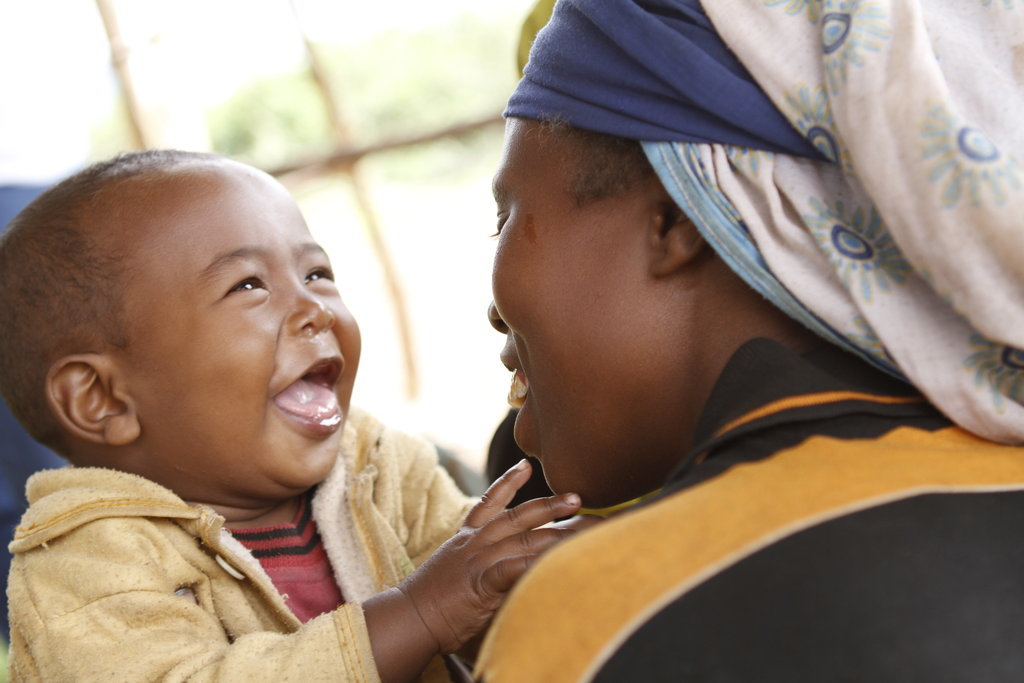
Cyclical drought has affected countries across East Africa for years. The lack of water has brought crop failure and wide-scale food insecurity for women, men, and children already struggling to survive. In response, International Medical Corps has provided nutrition, medicine, sanitation and other basic necessities to reach those most in need in Somalia, Kenya and Ethiopia. Below are a few of our past stories, about Abdi, a nurse in Somalia helping to treat and prevent water-borne diseases; infant Nina, malnourished because of lack of food; and Bekelech, who learned how to better use existing resources to support her family.
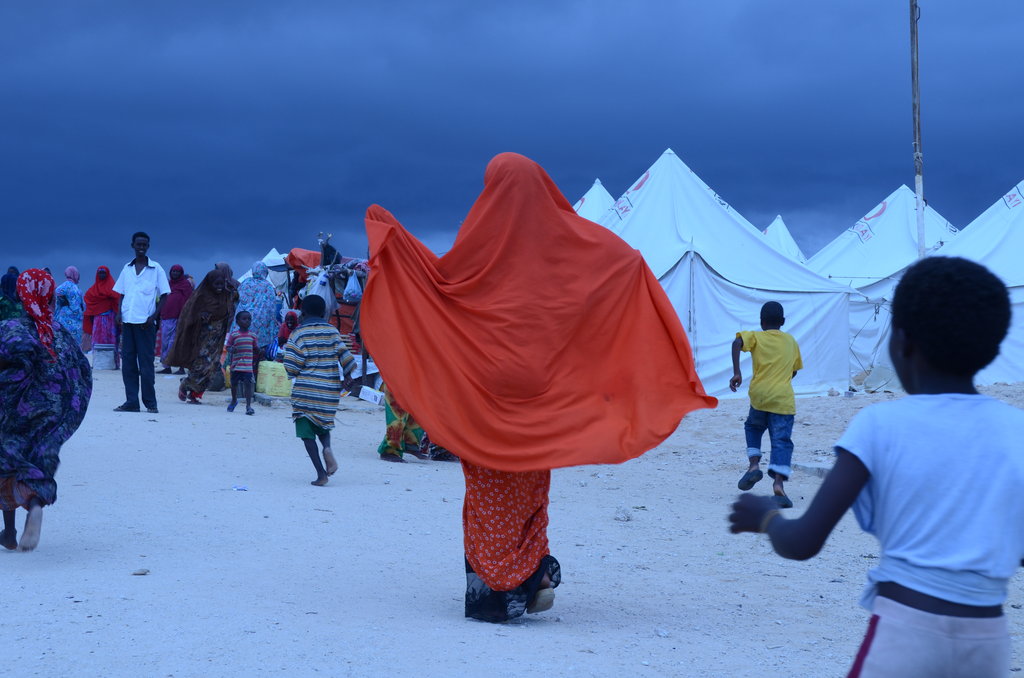
Abdi in Somalia: For more than 20 years, Abdi cared for Somalia’s sick as a nurse with International Medical Corps. Over the years, he responded to disease outbreaks in three different regions of the country and saved countless lives. Abdi’s commitment was critical as the people faced consecutive failed rains, combined with ongoing violence and instability, leaving millions of people in Somalia on the brink of famine in 2017. “My happiest moment . . . in responding to the drought in Somalia was when International Medical Corps established a new health center to provide healthcare to people in the displacement camps,” he said. “People living in the camps are exposed to contaminated water and food, which easily spreads acute watery diarrhea and cholera.” Our clinics treat and help prevent water-borne diseases as well as malnutrition in the camps, along with other primary healthcare services.
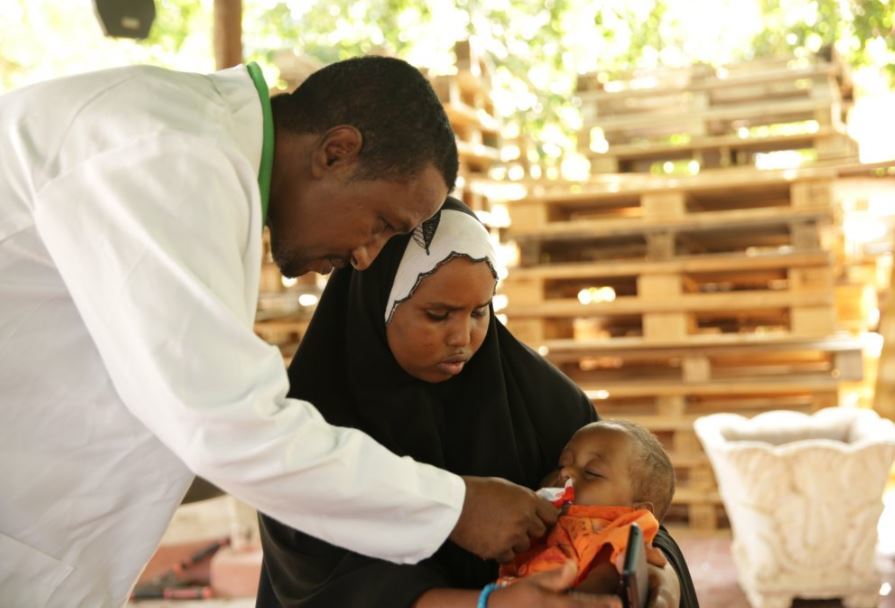
Nina in Kenya: One-year-old Nina was malnourished and underweight when her grandmother brought her to our nutrition program in Eldoro village in coastal Kenya. Nina weighed only 15.8 pounds – about 5 pounds less than the average one year-old in the United States. To make matters worse, Nina had contracted tuberculosis and developed a hernia. After 20 days in our program, Nina already weighed 18 pounds, a much healthier weight for a one-year-old baby. “I sincerely want to thank International Medical Corps for coming in time to rescue my grandchild," Nina’s grandmother said. “Were it not for International Medical Corps and the partners in this nutrition program, I would have lost my grandchild.”
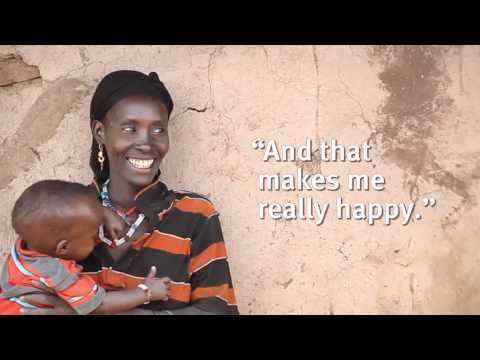
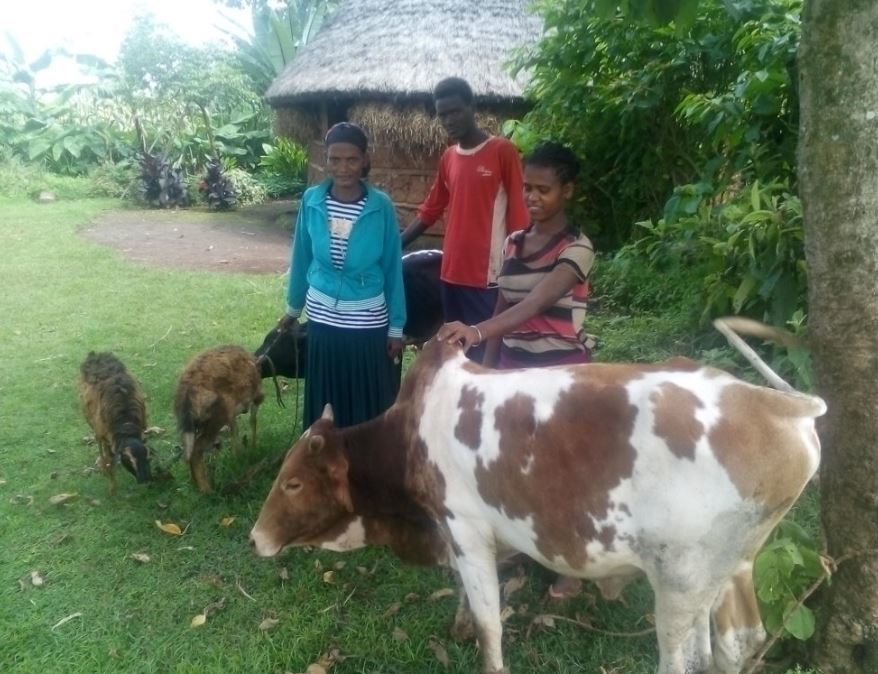
Bekelech in Ethiopia: When Bekelech’s husband died, she was left with a small garden in southwestern Ethiopia, two cows, and five children to raise alone. Bekelech was forced to sell both cows so that her children could eat, and could no longer afford to send her children to school or buy seeds for her garden. “We were all hungry. I would collect firewood and sell charcoal with an empty stomach,” Bekelech recalled, referring to her only source of income. She found International Medical Corps’ livelihoods and resiliency program where she attended a training on integrated crop production and efficient farming practices. Soon afterwards, our resiliency program gave her three sheep and 200 kilograms of Irish potato seeds. Bekelech said, “We did not have proper food until I joined International Medical Corps’ Resilience Building Project.” The program also connected her with the Rural Savings and Credit Cooperative, a UN-funded initiative that helps farmers get small, low-interest loans to improve agricultural production. Within months, Bekelech’s potato crops were so successful that she was able to sell most of her produce at the market, feed her family, invest in her children’s education, and pay back the loan.
International Medical Corps thanks the GlobalGiving community for your support over the years, helping children like Nina, women like Bekelech, and our staff like Abdi. To keep supporting our programs, please visit: https://www.globalgiving.org/projects/a-healthier-future-for-families-in-south-sudan/.
Project reports on GlobalGiving are posted directly to globalgiving.org by Project Leaders as they are completed, generally every 3-4 months. To protect the integrity of these documents, GlobalGiving does not alter them; therefore you may find some language or formatting issues.
If you donate to this project or have donated to this project, you can receive an email when this project posts a report. You can also subscribe for reports without donating.