By Davis Nordeen | Resource Development Assistant
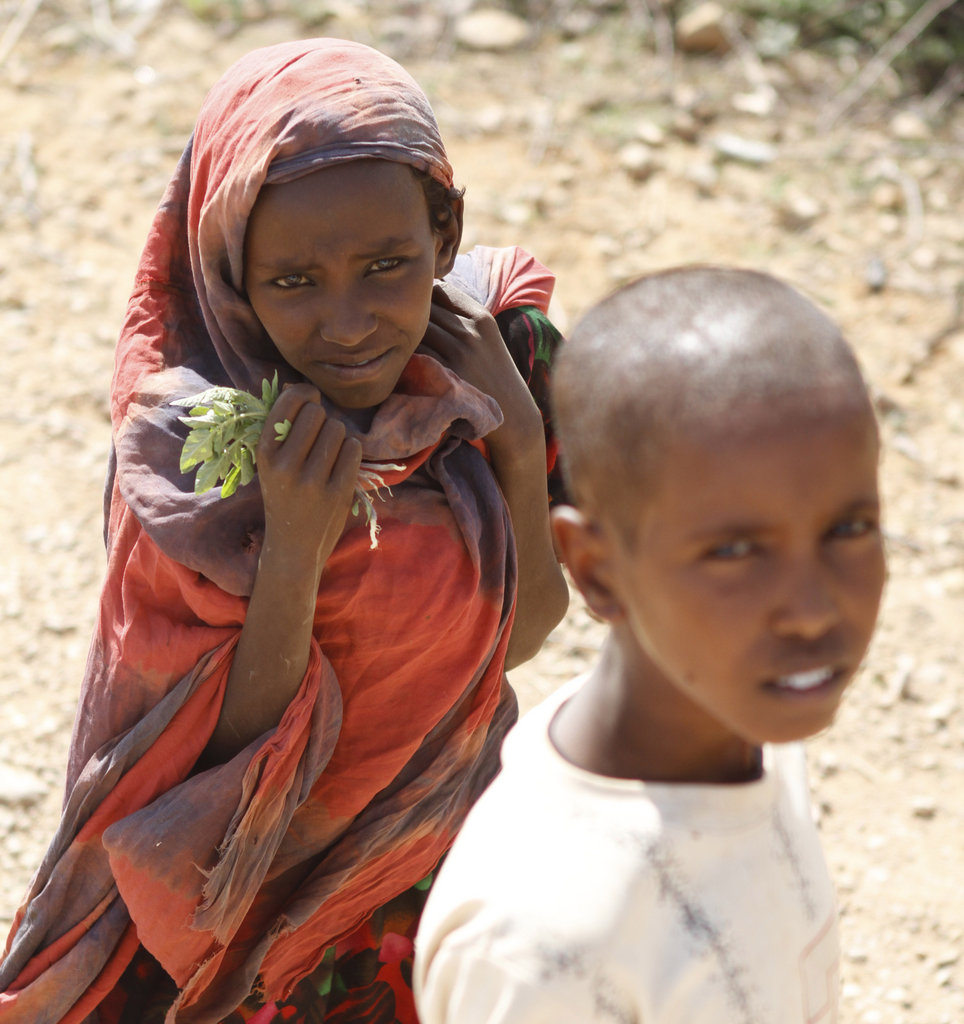
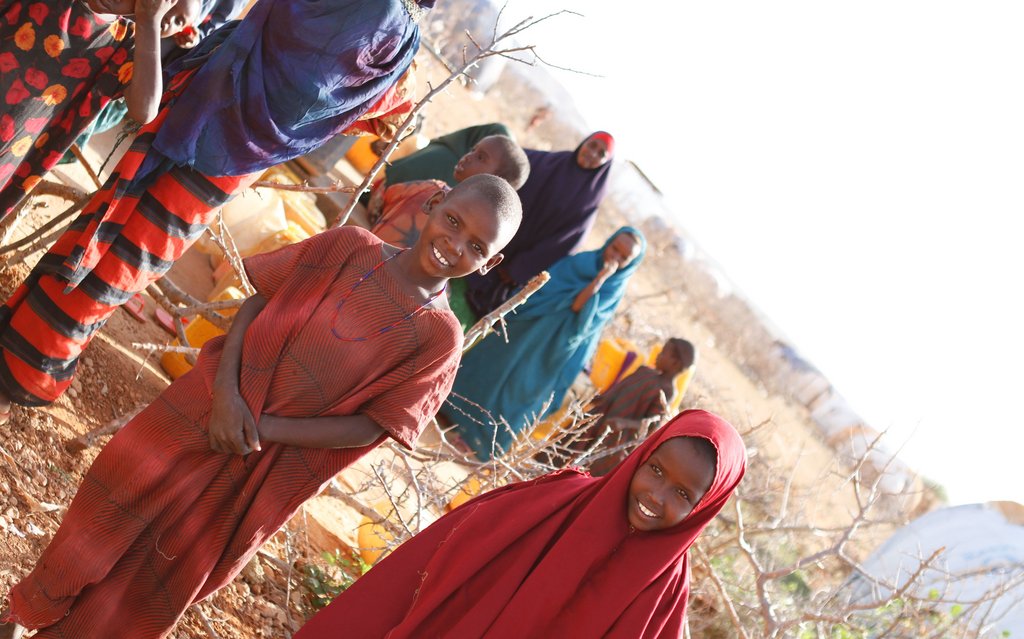
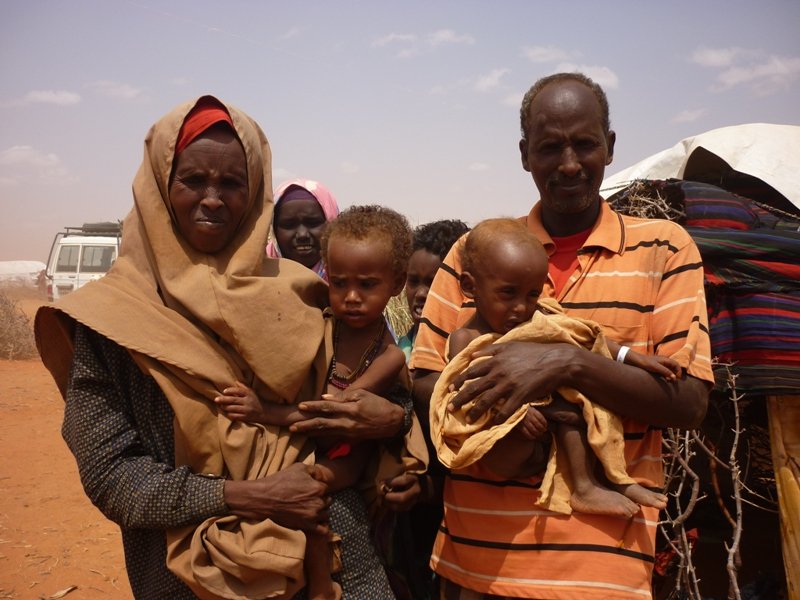
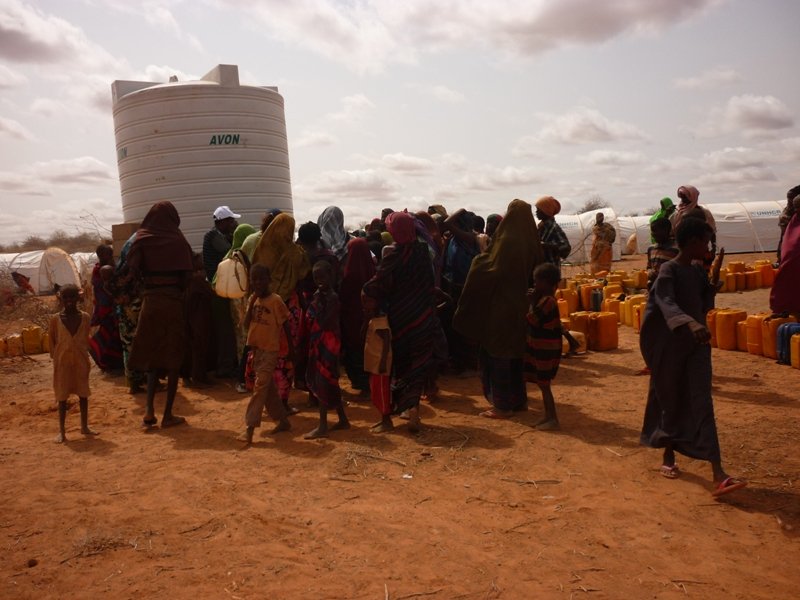
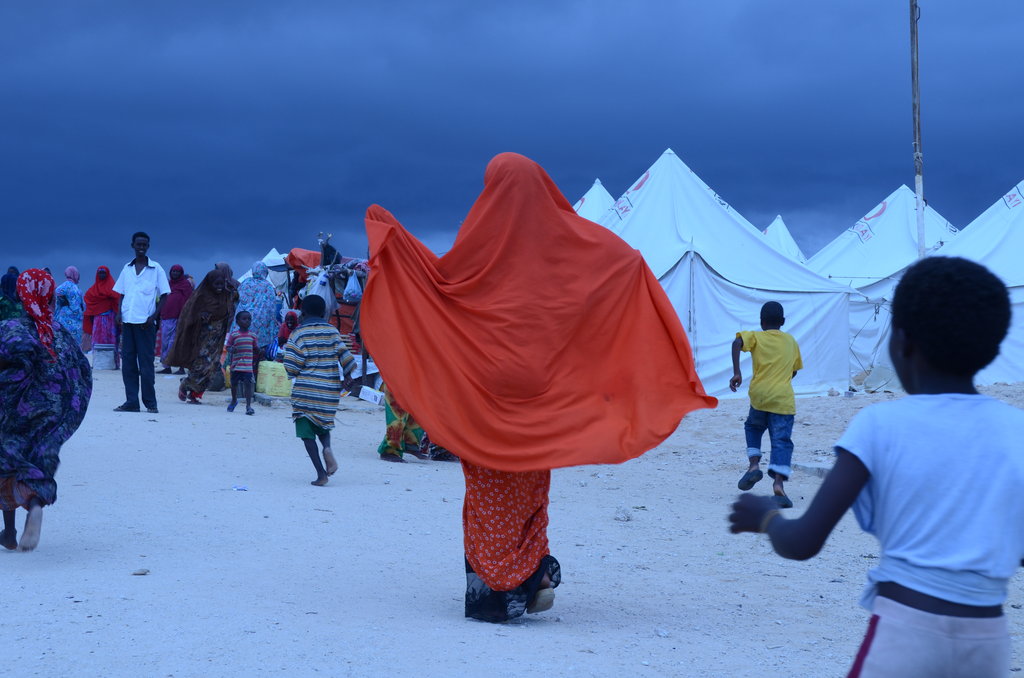
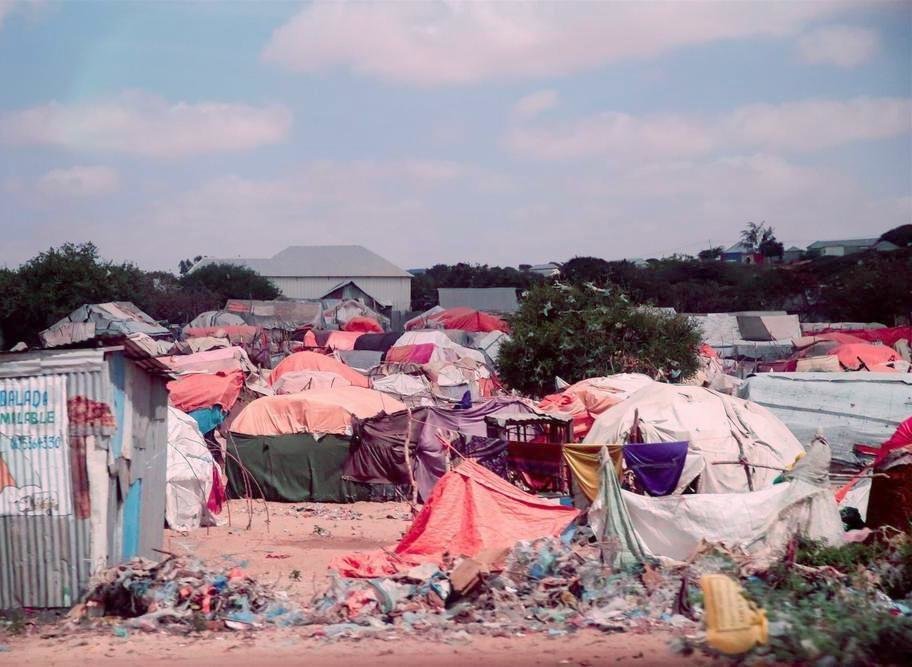
On the morning of December 29th, 2017, residents of the Km13 internally displaced persons (IDP) camp in Mogadishu awoke to a distinct and chilling noise—the hum of bulldozer engines. By the time the engines stopped two days later, the homes of over 4,000 IDP families had been destroyed, as well as the schools, community centers, water points, and small businesses they relied on to subsist and survive. Km13 had been demolished, its residents evicted by force.
For Sahara, a 30-year-old mother of eight living at the camp, the sudden eviction became an emergency, and a matter of life and death. She was only days away from giving birth to her ninth child when the demolition teams arrived, and without receiving any prior notice of the eviction, she had little time to find shelter and prepare for her delivery. Complications during her last pregnancy made her especially worried.
“In my last delivery I lost a lot of blood after I delivered,” she said, “and now that I am pregnant again and at term, I fear for the outcome of my pregnancy.”
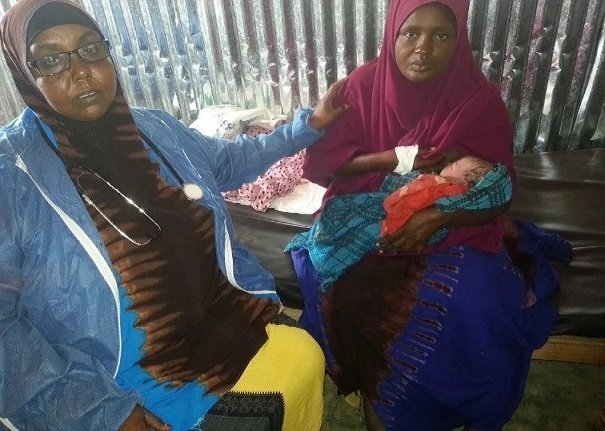
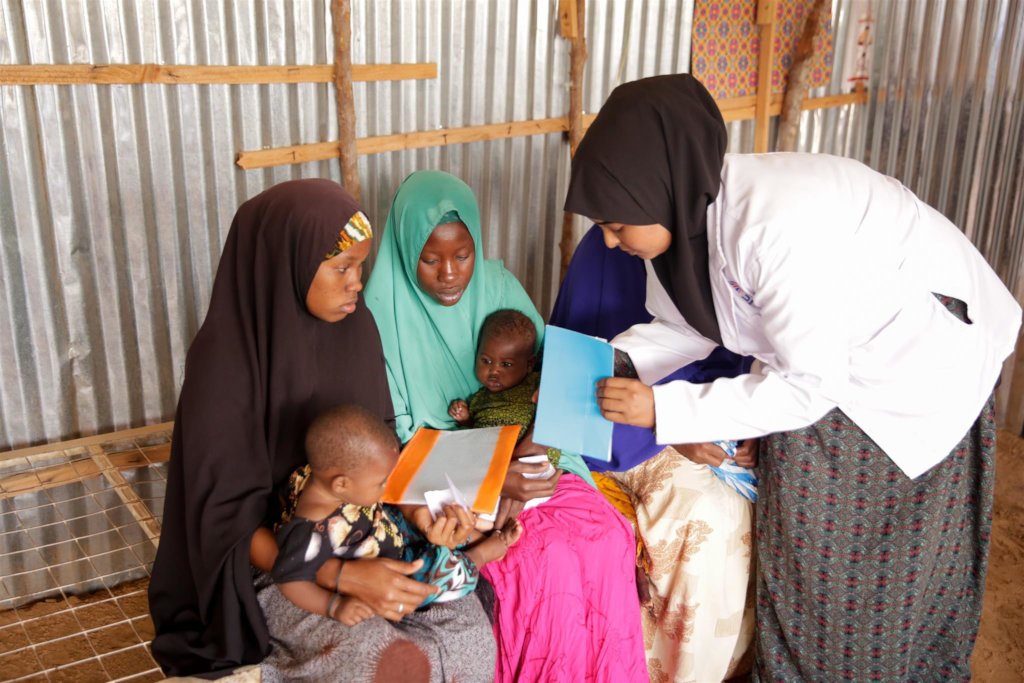
Fortunately, Sahara was able to find shelter at a temporary IDP center set up at a nearby school and when she went into labor, neighbors rushed her to International Medical Corps’ Kaxda Health Center for delivery. On January 8th, Sahara successfully gave birth to her third daughter, Fatima. As with her last pregnancy, Sahara experienced postpartum bleeding after the delivery, but this time, we were able to manage the bleeding with Misoprostol tablets, a drug that we keep readily available at the Kaxda facility.
International Medical Corps established the Kaxda Health Center to serve vulnerable IDPs like Sahara living in the Kaxda district on the western outskirts of Mogadishu, which houses over 11,000 internally displaced Somalis escaping drought and conflict across the country. In addition to providing basic emergency obstetric and neonatal services, we screen children and women for malnutrition, distribute hygiene kits, and spread awareness of health and hygiene services in camp communities to ensure that IDPs have access to adequate health care. With the increase in caseload from the recent evictions, our teams are providing an average of 710 consultations per week with 34% of the patients being children under five years old.
Before Sahara returned home, we provided her with important lessons on infant and young child feeding practices and gave Fatima her first vaccine doses. Under our care, Sahara breastfed Fatima within an hour of birth, a practice that can help improve a newborn’s chance of survival. Upon leaving the health center, Sahara voiced her appreciation for the Kaxda staff. “With your help and support many lives are being saved daily. Thank you and may God bless you all.”
We thank all of you in the GlobalGiving community for your support as we help to provide vulnerable displaced Somalis living in Mogadishu with lifesaving healthcare services.
Project reports on GlobalGiving are posted directly to globalgiving.org by Project Leaders as they are completed, generally every 3-4 months. To protect the integrity of these documents, GlobalGiving does not alter them; therefore you may find some language or formatting issues.
If you donate to this project or have donated to this project, you can receive an email when this project posts a report. You can also subscribe for reports without donating.