By Bala Iyer | Manager Programs
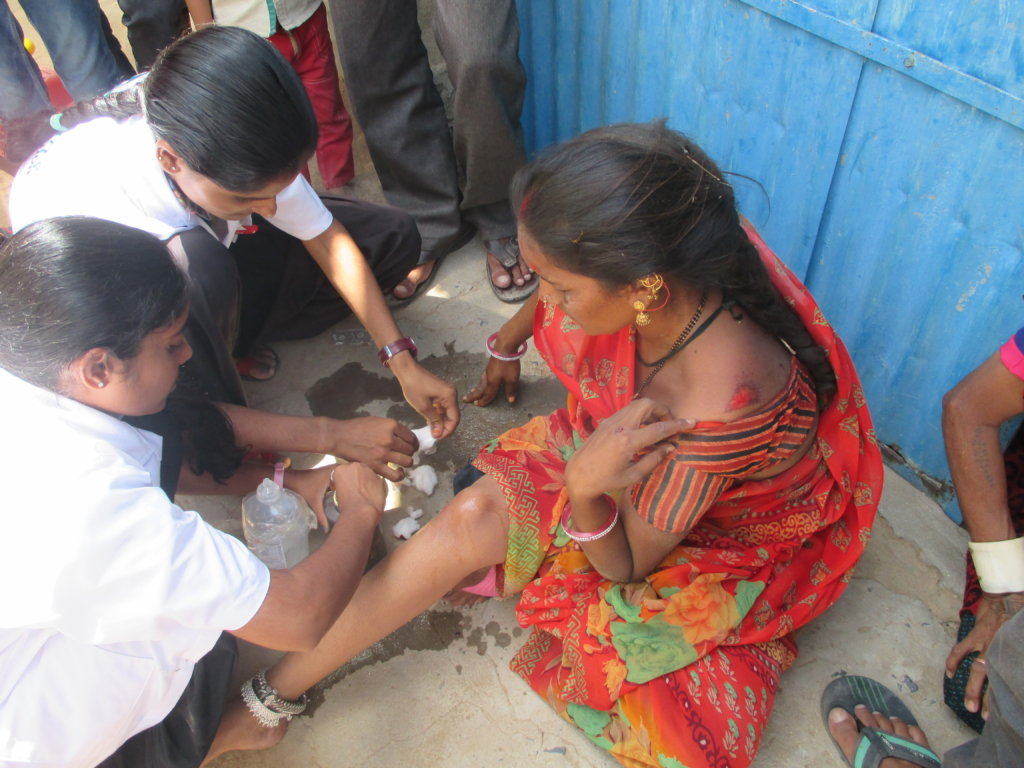
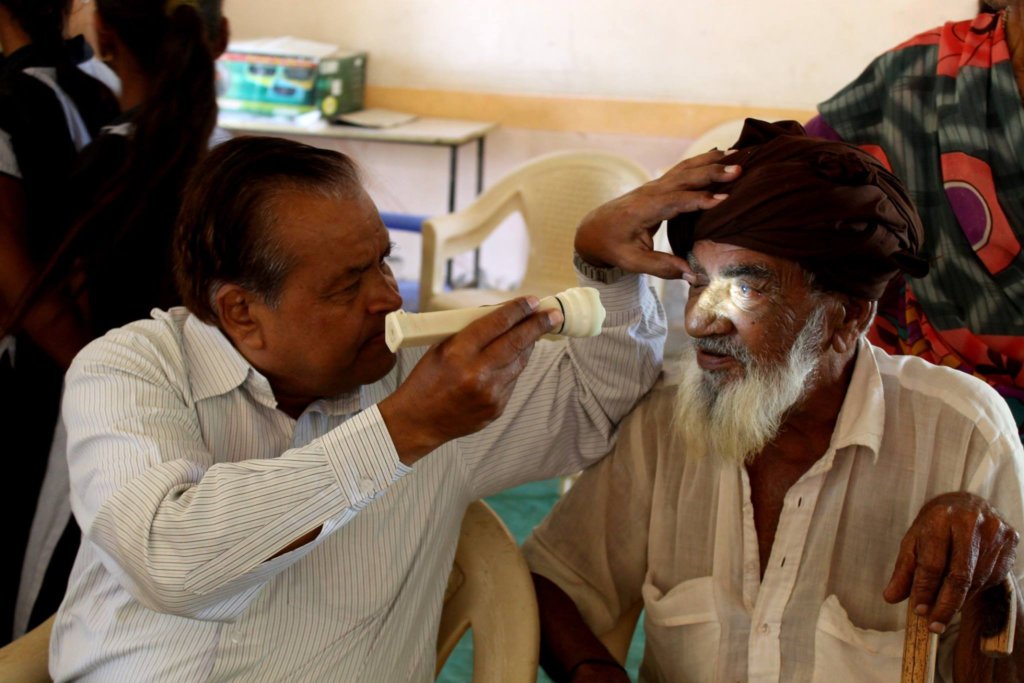
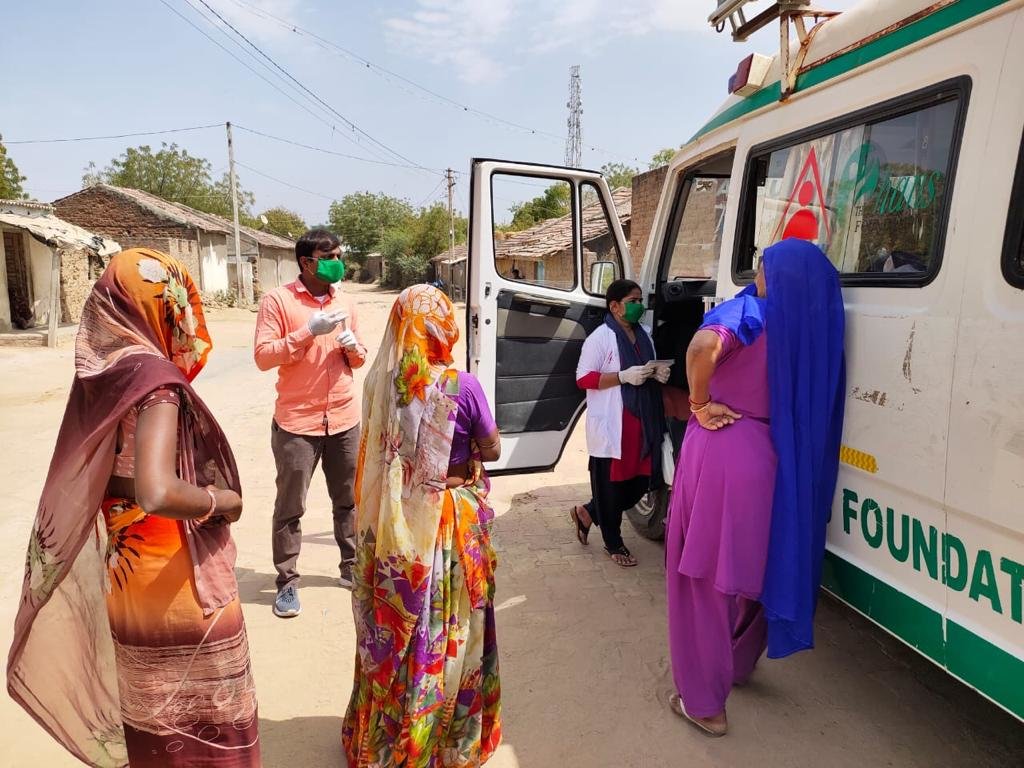
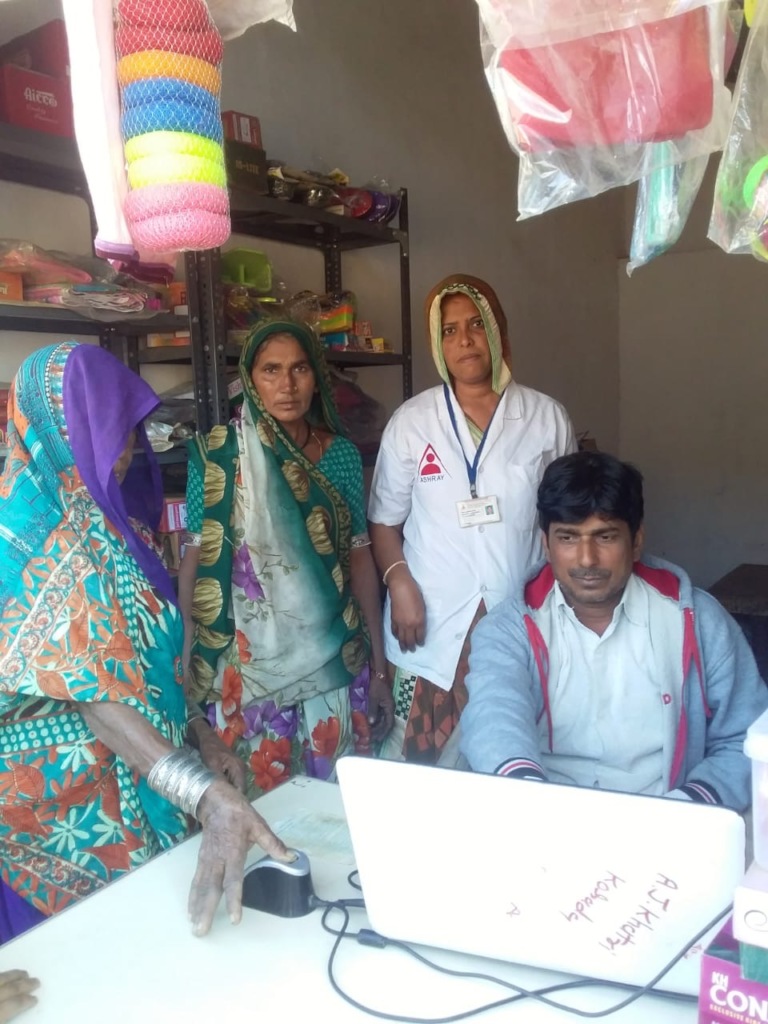
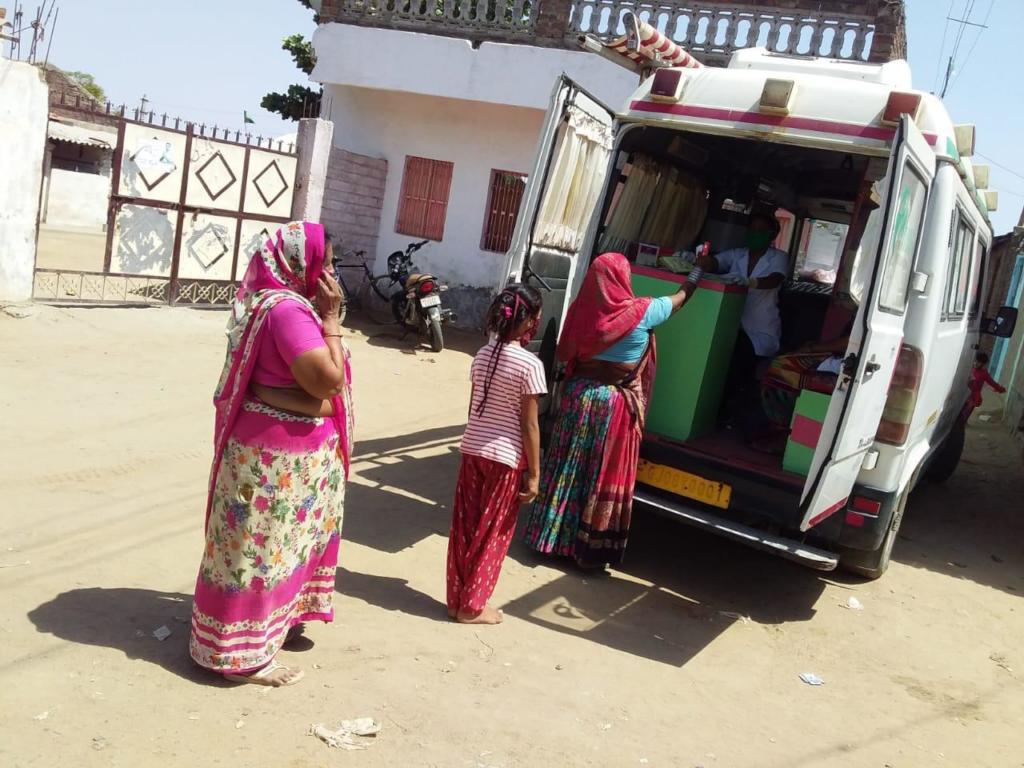
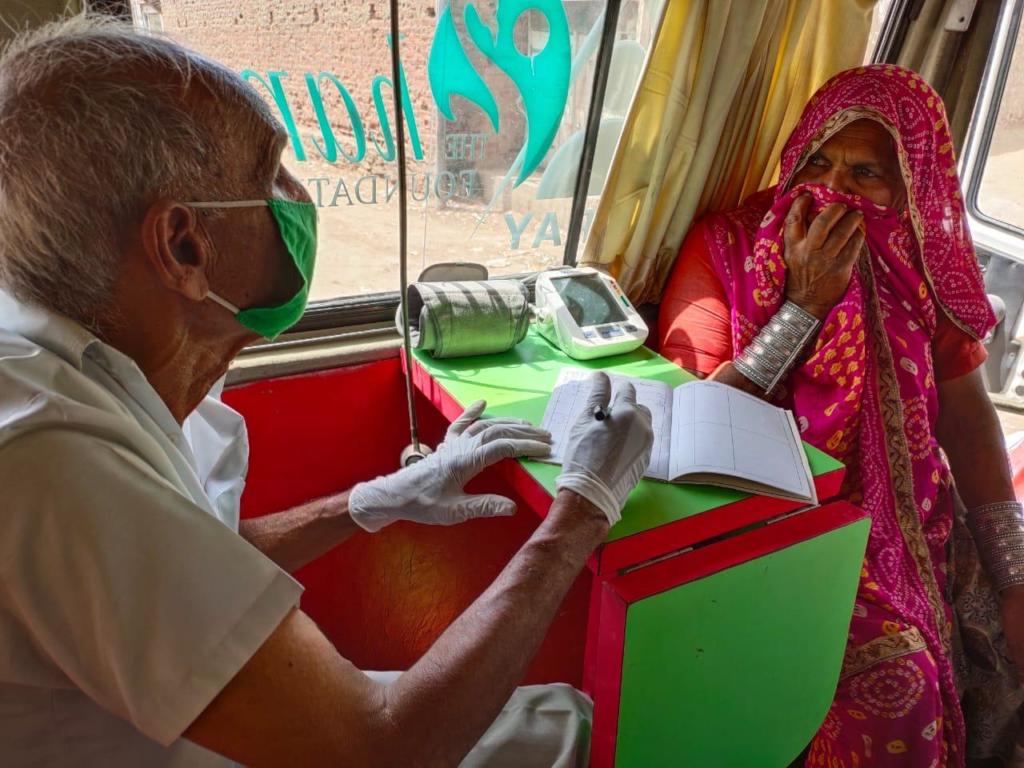
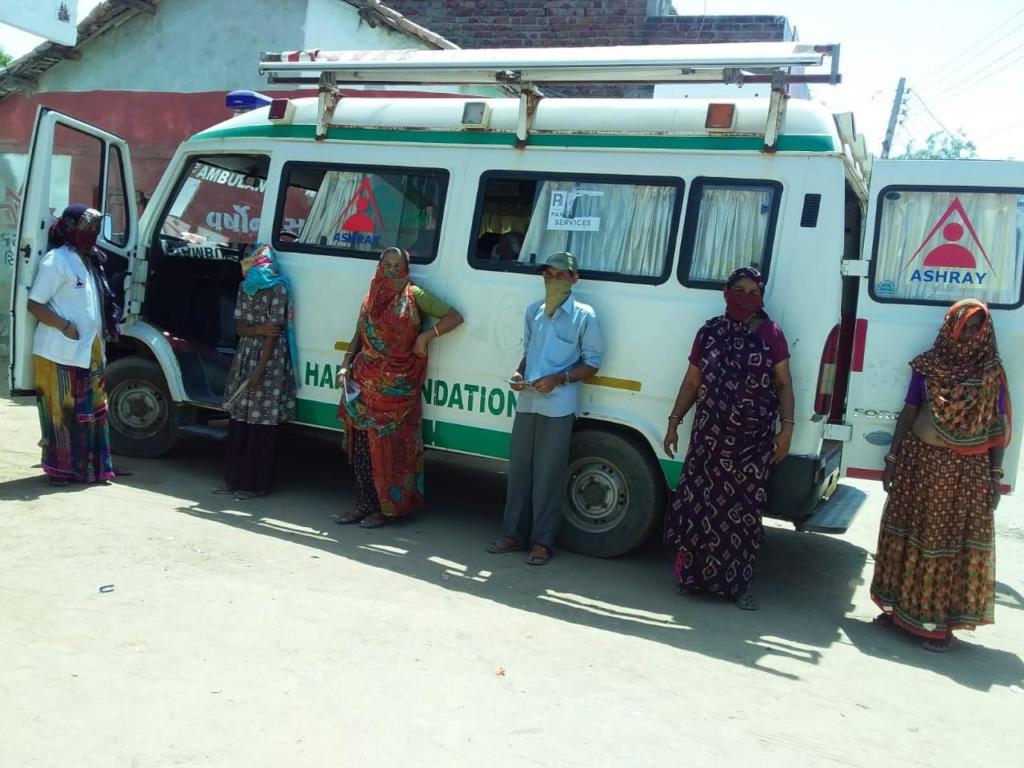
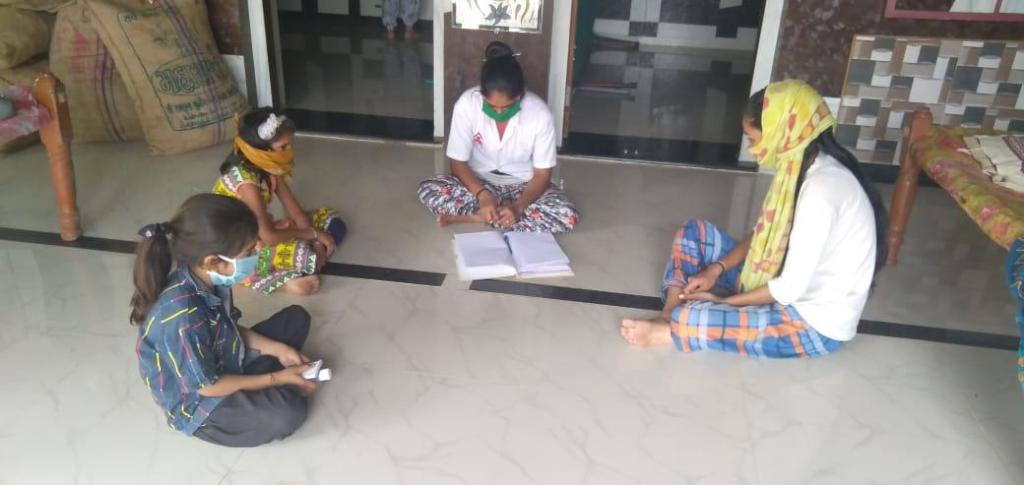
The MMU runs as a lifeline for the villagers who have to travel not less than 15 kilometers for the nearest medical aid. An entire team comprising of qualified Doctor, Nurses, Field Officer, Data Entry Operator and Health Workers work under the guidance of the Program officer to address the health issues of the villagers at their door steps. Utmost care is taken in recording the history of ailments, diagnosis and in dispensing of medicines.
The objective of the project focuses on providing healthcare services at their doorsteps and improving the health parameters of the villagers by sensitizing and educating the community at large. To have maximum reach and impact, collaboration with the concerned Government departments is done for better delivery of services.
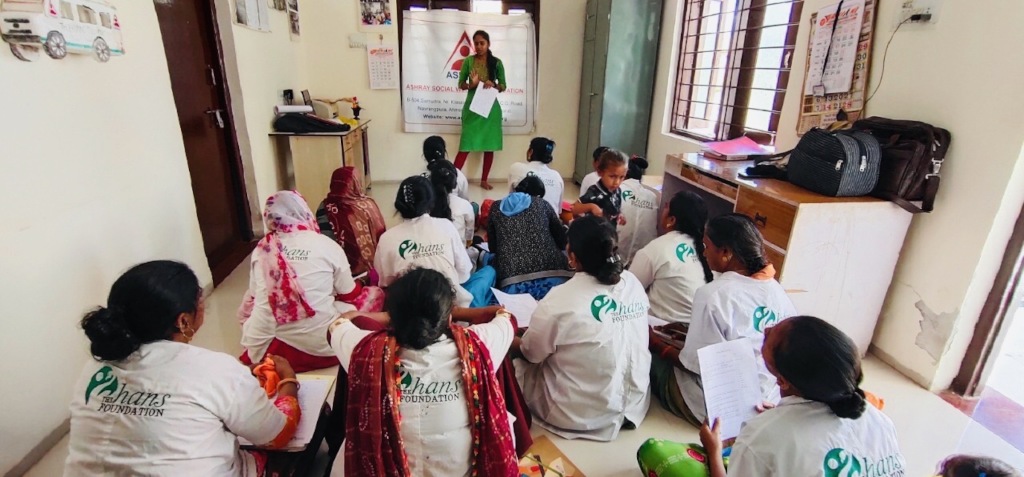
Three trainings were conducted for the health workers on the following topics:
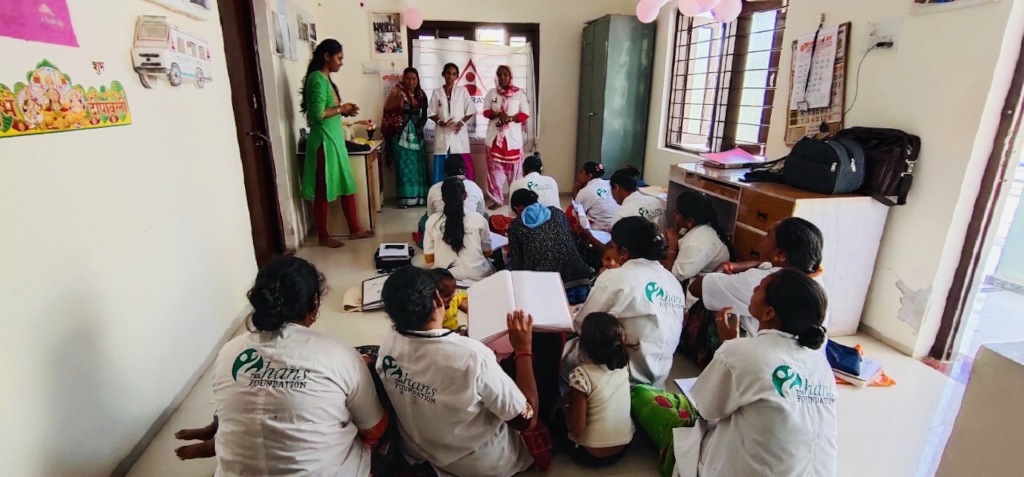
Training on Swine Flu: By simple hygiene and sanitation measures for cough, swine flu transmission can be effectively prevented. The purpose of this training was to know whether the health workers had enough knowledge about swine flu (H1N1) and to assess their knowledge about possible preventive measures to be taken including vaccination against swine flu epidemics.
Discussions were done in groups among health workers about the information they already knew pertaining to swine flu. Information on how swine flu is reported to spread from person-to-person, with an incubation period of 1 to 4 days, symptoms including sore throat, chills, severe headache, cough, weakness, general discomfort were shared upon. Health workers were advised to run a diagnostic kit and send the sample to the primary health care center for testing, in case any patient displayed severe flu like symptoms.
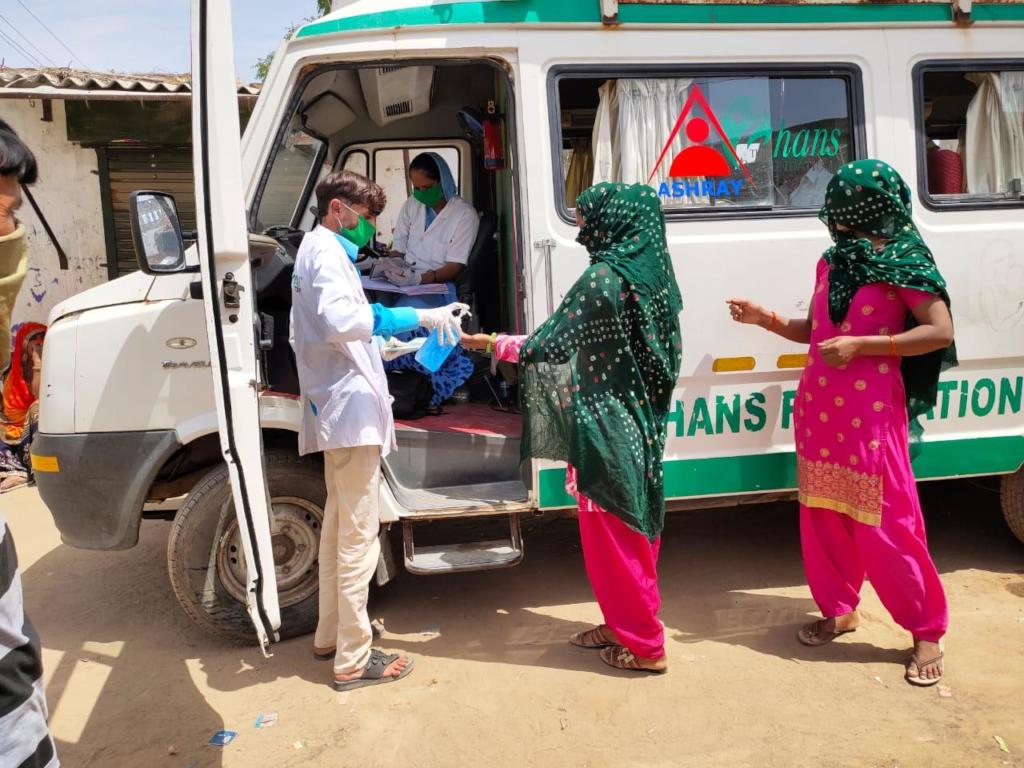
Based on their existing knowledge about swine flu, the preventions that need to be taken were also discussed. Health care workers along with the other MMU team members, were advised to wear appropriate personal protective equipment like face masks, gloves while assessing patients having respiratory illness with fever. Basic hygiene etiquettes were also shared, with an emphasis on frequent hand washing with soap and water or alcohol-based sanitizers.
Training and awareness to recognize and reduce Anemia: Anemia is an urgent public health problem that affects children and women throughout the life course and results in a high burden of morbidity and mortality. If not treated appropriately, it can cause serious health problems – especially in women. It significantly increases the risk of death due to hemorrhage during child birth, which is a leading cause of maternal deaths in India. The objective behind this training is to ensure that the health workers have the knowledge and skills needed to diagnose anemia in the community.
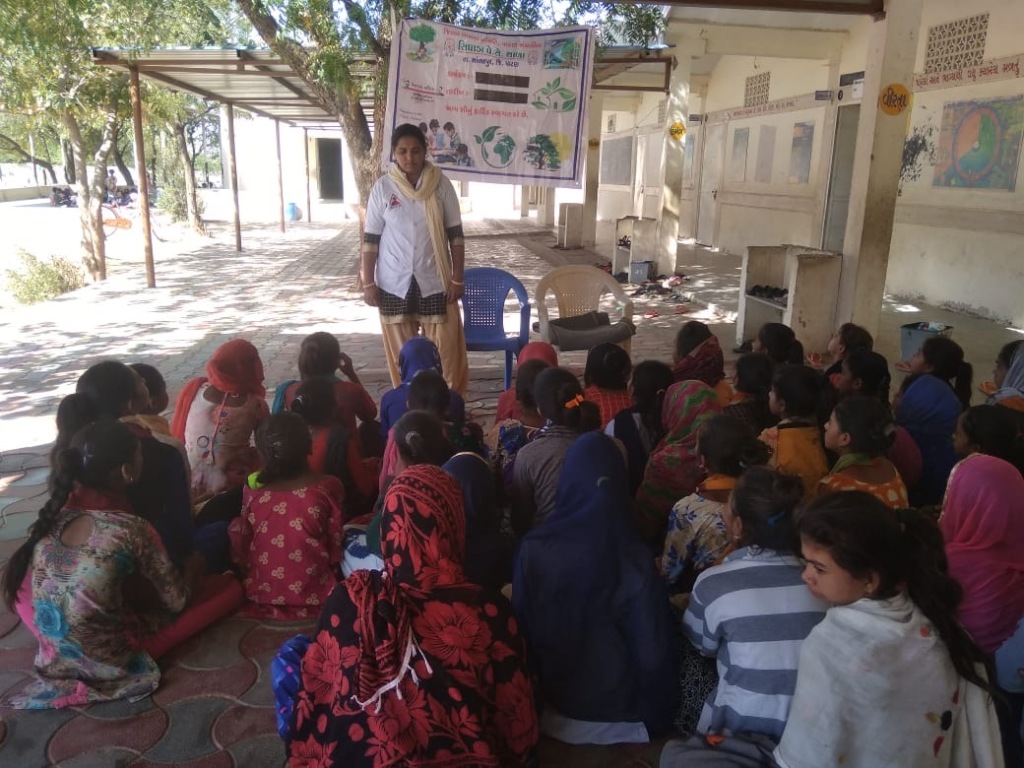
Health workers were explained about the main approaches to managing anemia including prevention, diagnosis, and treatment; and nutrition-related interventions. Nutrition-based approaches which should be included: to modify food processing and preparation techniques to ensure optimal availability and absorption; consumption of adequate amounts of iron-rich foods like fruits, vegetables etc. These strategies are preferable in the long-term; interim interventions are often needed to meet the recommended dietary intake requirements of populations that are not reaching using nutrition-based approaches. Emphasis on teaching community women about infant and young child feeding practices – early initiation of breastfeeding, promotion of exclusive breastfeeding for six months, and appropriate complementary feeding—improve micronutrient status and help reduce anemia. Through this training, a very important point was stressed that anemia control requires a combined joint effort among many sectors like health, nutrition, education, reproductive health and agriculture.
Training on COVID-19: A third training on the epidemic COVID-19 was scheduled in the month of March. We shared pamphlets and leaflets, printed in local language, about the basic information on coronavirus, the signs and symptoms, precautions to be taken and to maintain social distancing among their peers as well as community members. We have been briefing our health workers time to time about the same, as well as taking daily follow ups through regular as well as video calls. Our health workers and MMU staff are also certified on nCOVID-19 awareness and prevention.
Countless people have suffered the loss of daily wages due to the COVID-19 lockdown, due to which there is fear among the villagers, which causes them to associate in groups to discuss about migration or other options. This is one of the major challenges we have faced. In view of this, our team is continuously working on-ground guiding, counseling the beneficiaries to remain calm, educating and sensitizing about COVID-19.
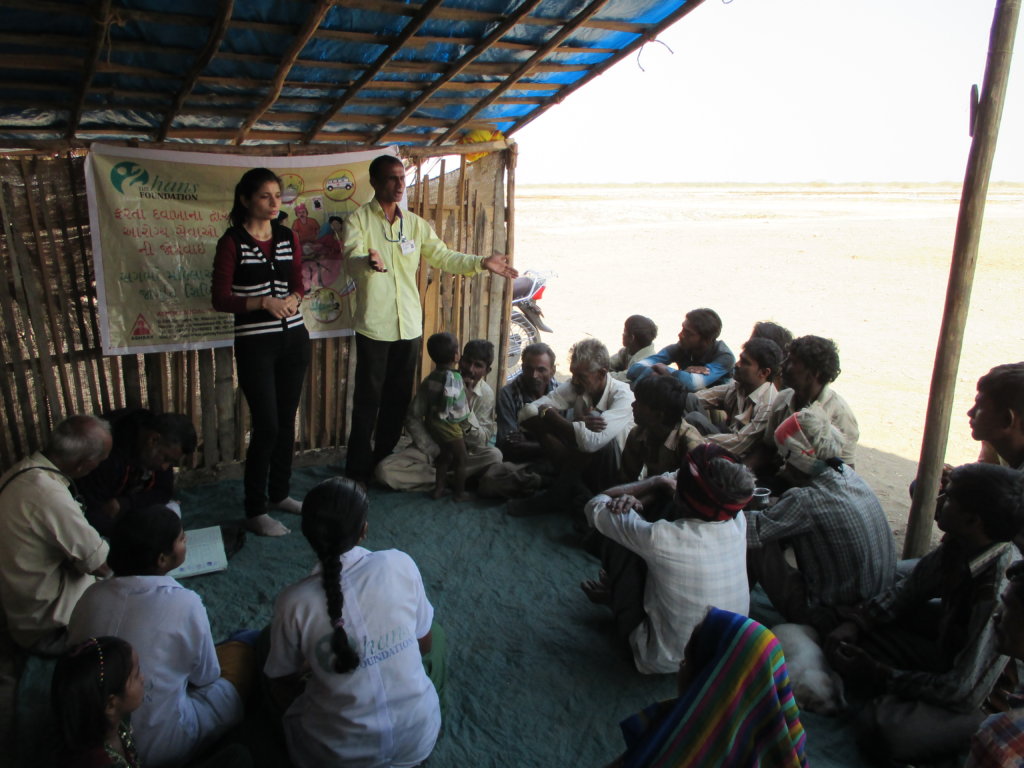
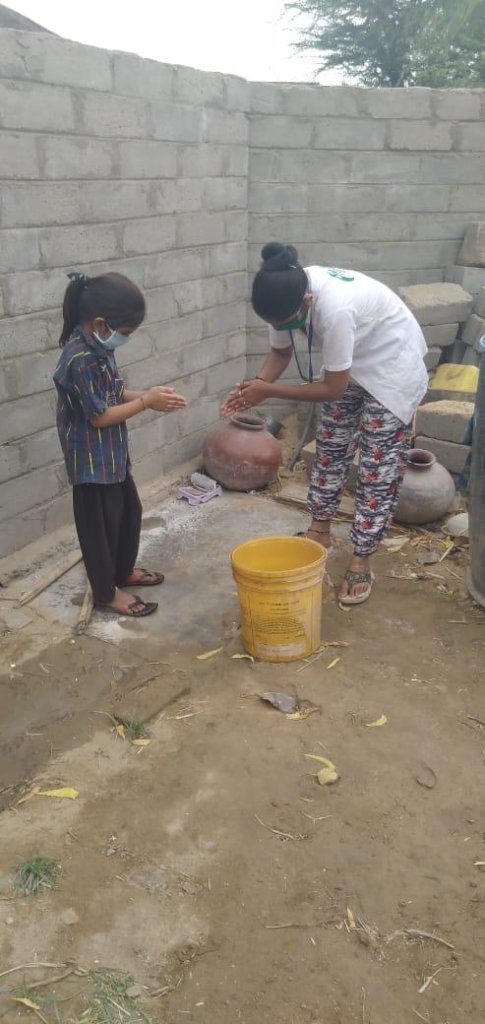
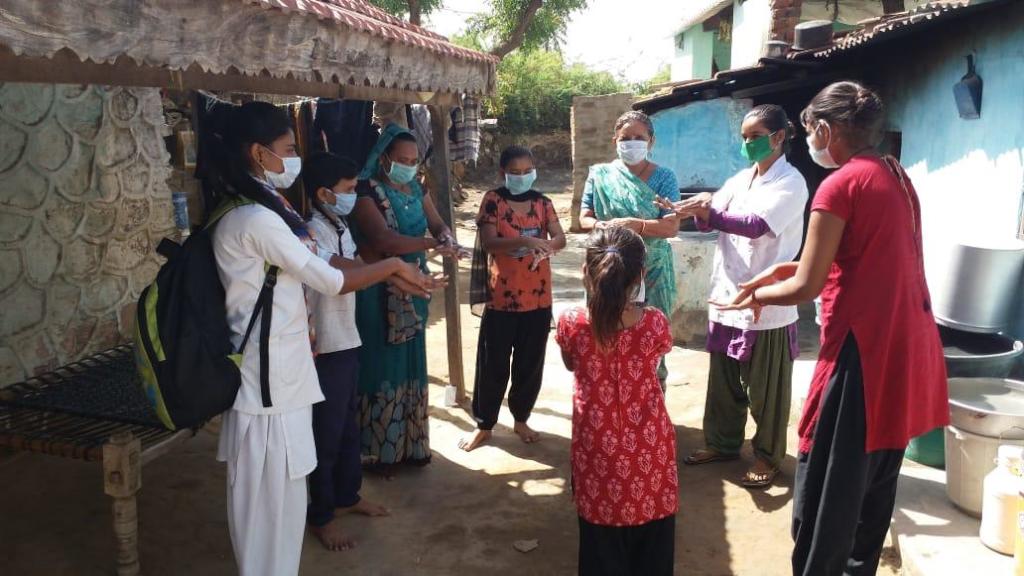
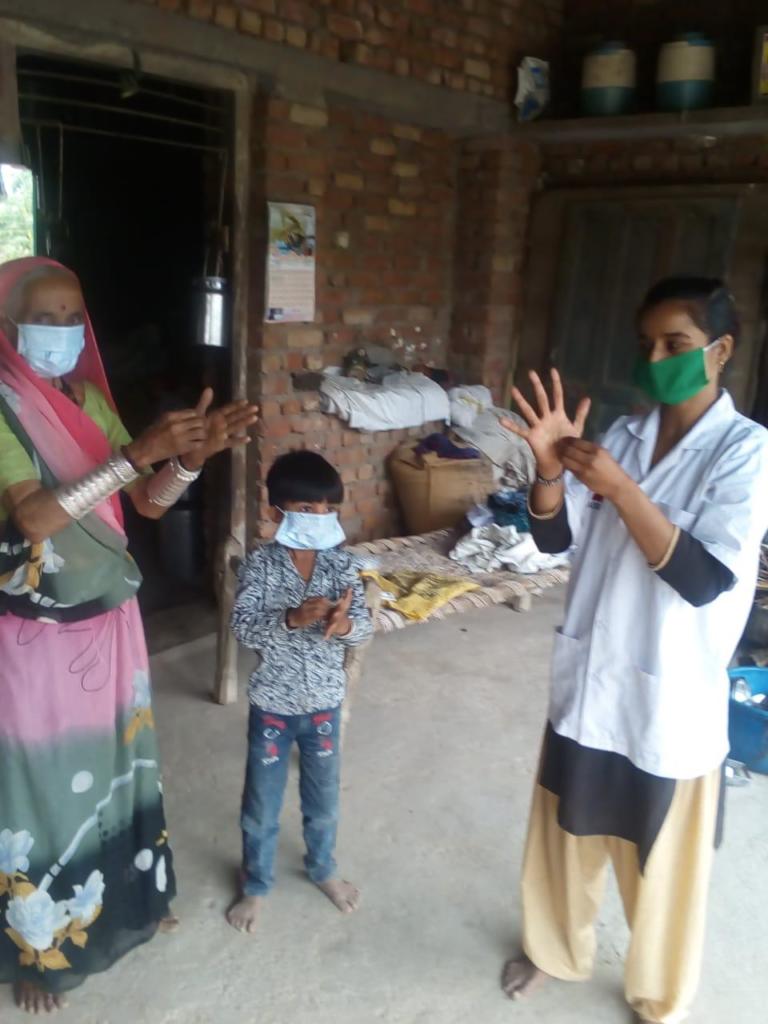
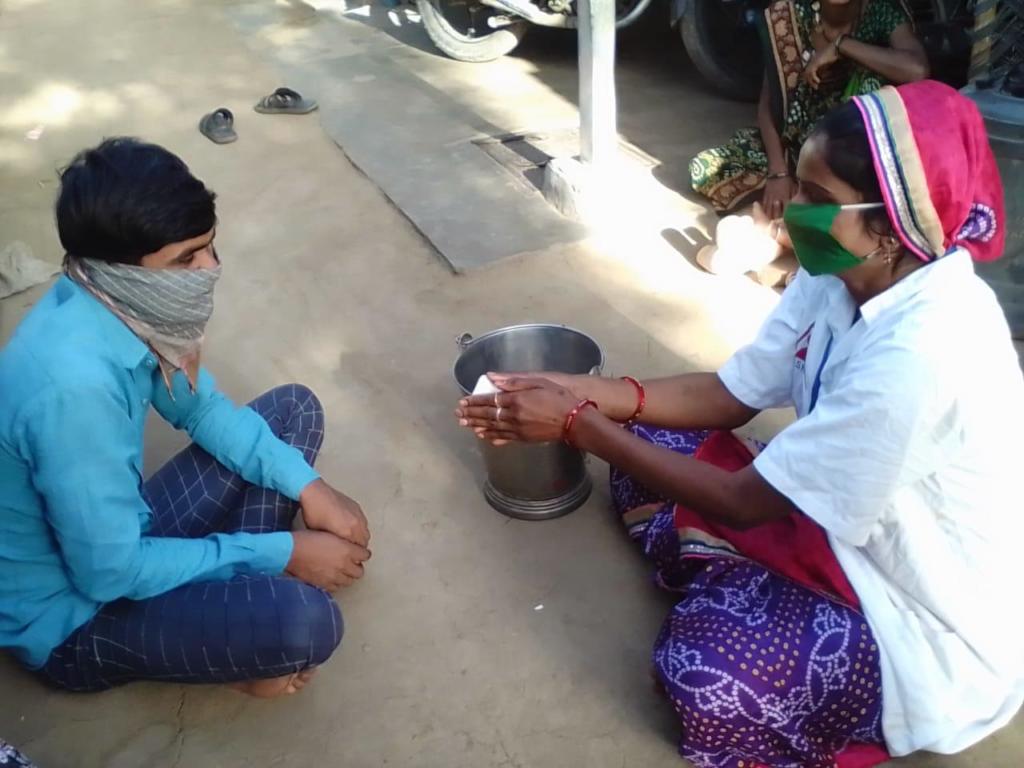
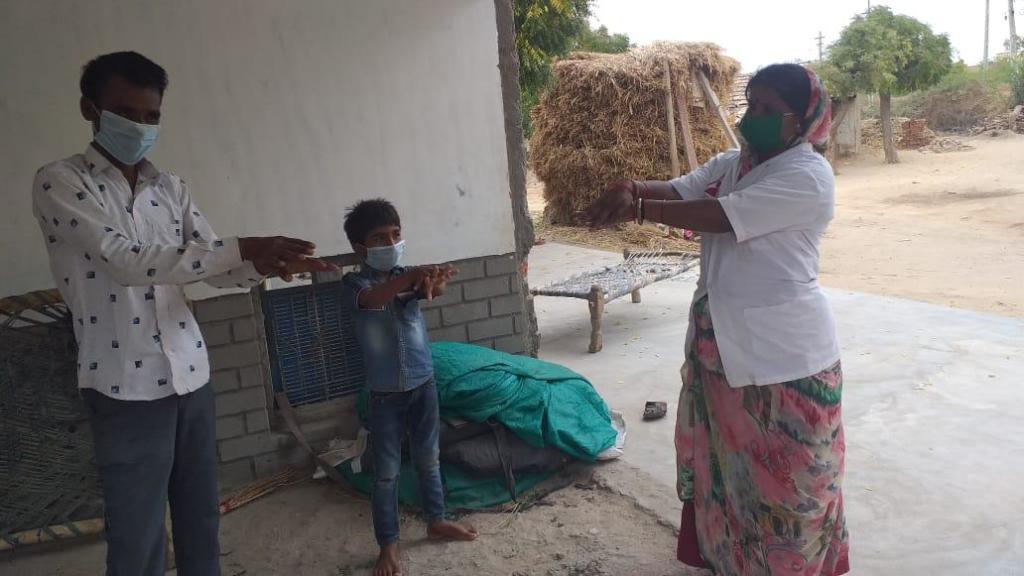
We have printed and put up posters about the symptoms of Corona virus, precautions to be taken by using masks, soaps, wipes, sanitizer. We are also spreading awareness about the same, by discussing about the precautions to be taken, as suggested by WHO, by conducting meetings in small groups, doing household meetings, teaching the beneficiaries the 6 steps to hand washing and maintaining social distance, as suggested by our Hon’ble Prime Minister Modiji, at the same time. Ashray team is following the strictest of protocols to keep themselves safe as well. For now, we are monitoring the communities and children, providing services, hygiene supplies and raising awareness regarding this epidemic to keep them as safe as possible.
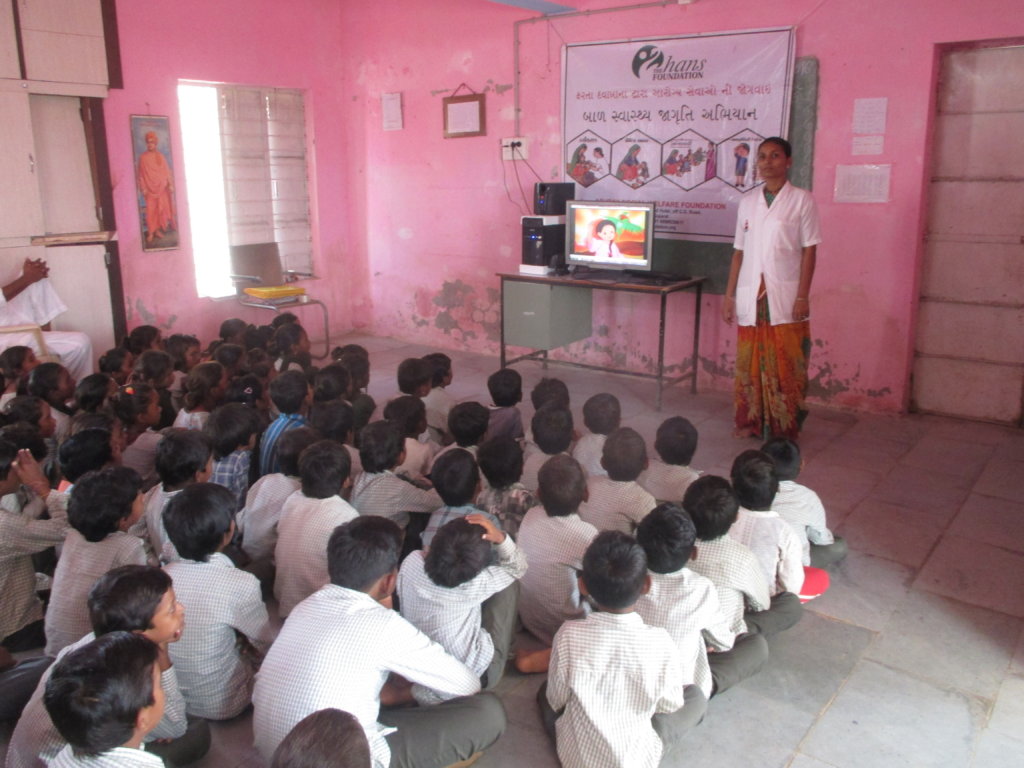
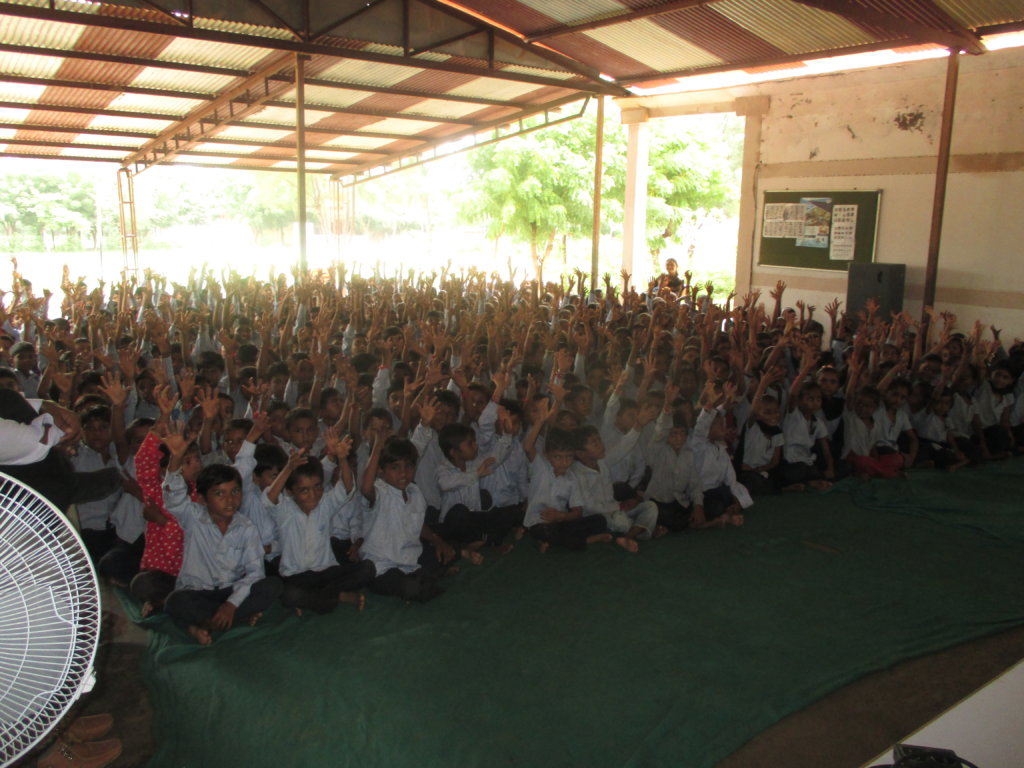
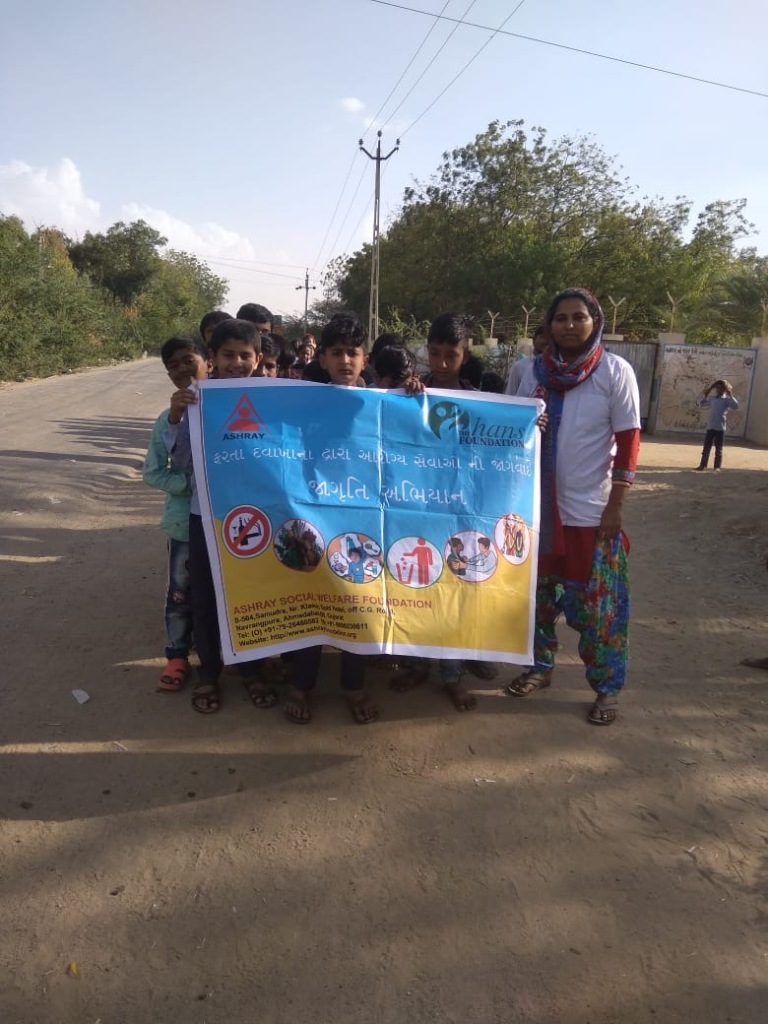
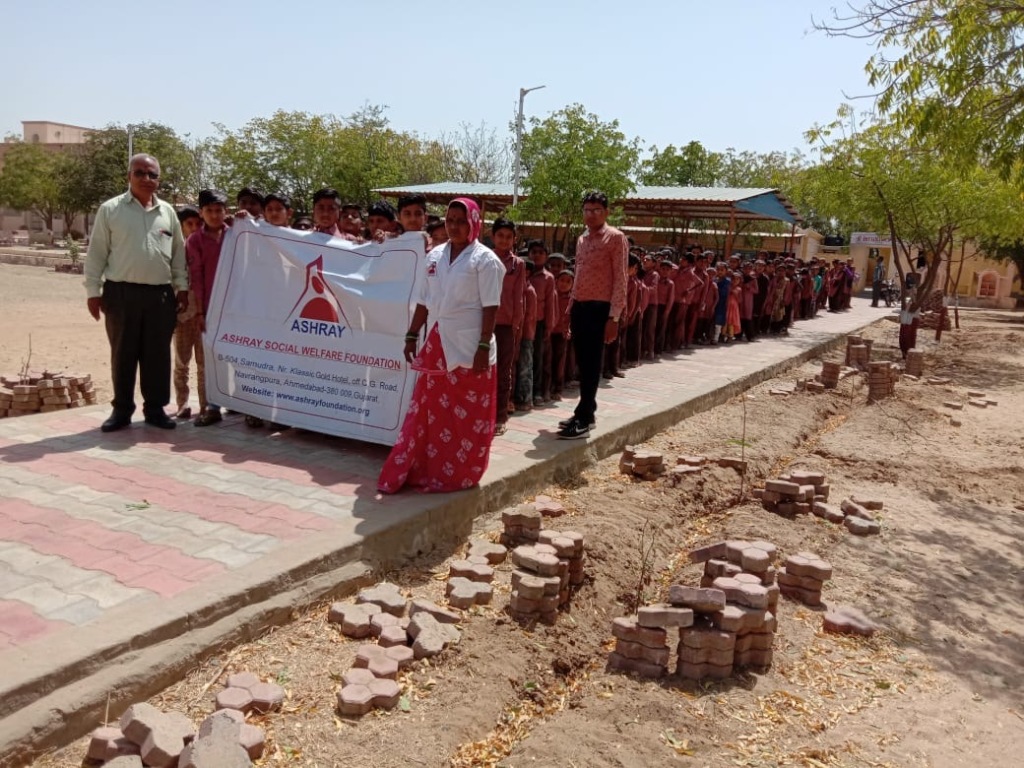
Awareness Activities: A total of 4 rallies were organized in Lodra, Sidhada, Bamroli and Daisar for creating awareness regarding health and hygiene activities in the village. A total of 660 students participated in these rallies. A cleanliness drive was conducted in the village of Gadha in which 70 students participated.
Observation of International Days: World Water Day which was to be celebrated on 22nd March, 2020, could not be observed due to the imposition of nationwide lockdown, as a result of COVID-19 epidemic.
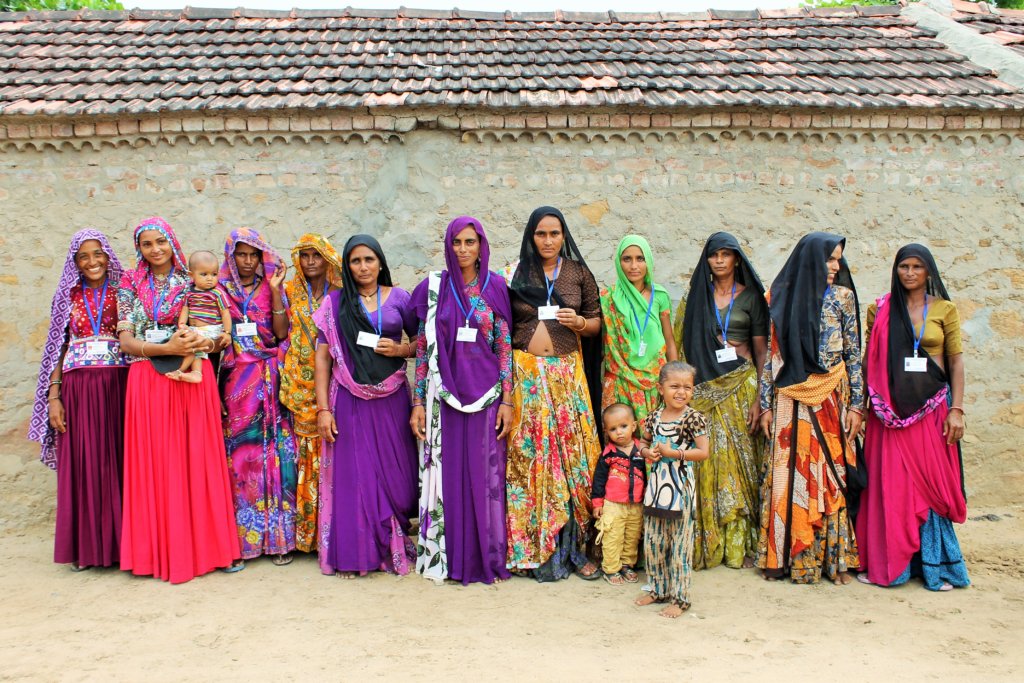
We celebrated the accomplishments of our healthcare workers and MMU team, who have been working with Ashray since the inception of the HMMS project, by bringing our team together on International Women’s Day (8th March 2020).
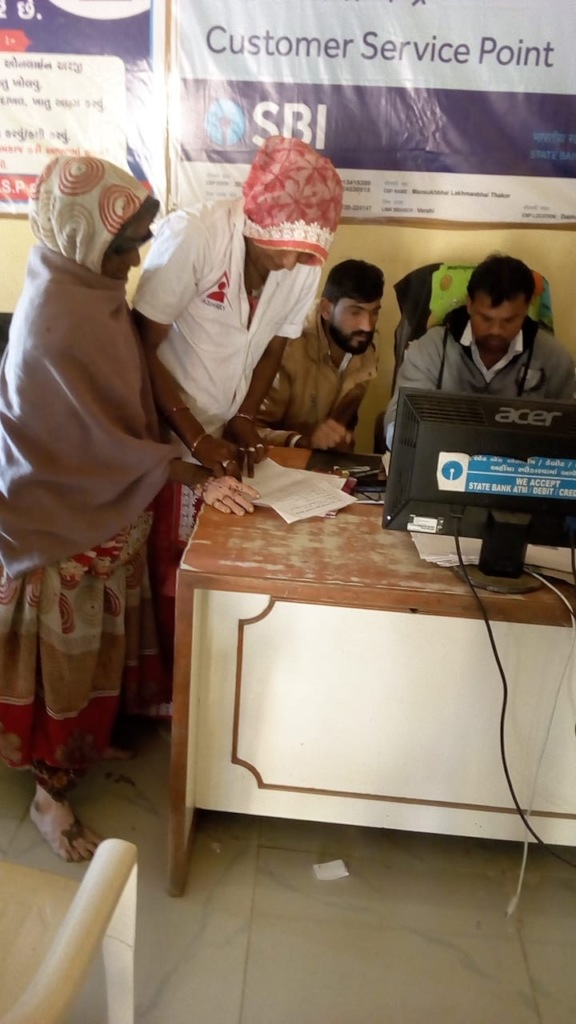
Registration in the Government Health Schemes: We were able to get beneficiaries registered under the different Mukhyamantri Amrutam Yojana, Widow Pension and Old Age Pension Schemes in the villages of Unrot, Korda and Kolivada. We also received support and guidance, in aspects of paperwork and other documentation from the local government officials at Santalpur Taluka.
Impact Survey: Impact surveys were done in 16 villages of Santalpur Taluka, covering particulars on knowledge about the services provided, the quality of work done, behavior of MMU staff towards the patients, frequency of household visits by health worker, coverage of topics for awareness, prior method of availing healthcare services, usage and quality of sanitary napkins etc., to name a few.
Project reports on GlobalGiving are posted directly to globalgiving.org by Project Leaders as they are completed, generally every 3-4 months. To protect the integrity of these documents, GlobalGiving does not alter them; therefore you may find some language or formatting issues.
If you donate to this project or have donated to this project, you can receive an email when this project posts a report. You can also subscribe for reports without donating.