By Freema Davis | Executive Director
The (almost) completion of our pilot project in Nepal coincided with an invitation to submit an article for GlobalGiving on Failing Forward. So, as an addendum to my last Update I would like to gratefully acknowledge the opportunities that we had for growth and success, made possible because of our mistakes and failures!
As an American organization working in Nepal for almost 25 years we have made many mistakes, albeit with the best of intentions, and I believe that is what has allowed us to finally have a sustaining project in Nepal. One of the major faux-pas that we made was under-estimating the ability and power of community engagement.
What we were trying to achieve
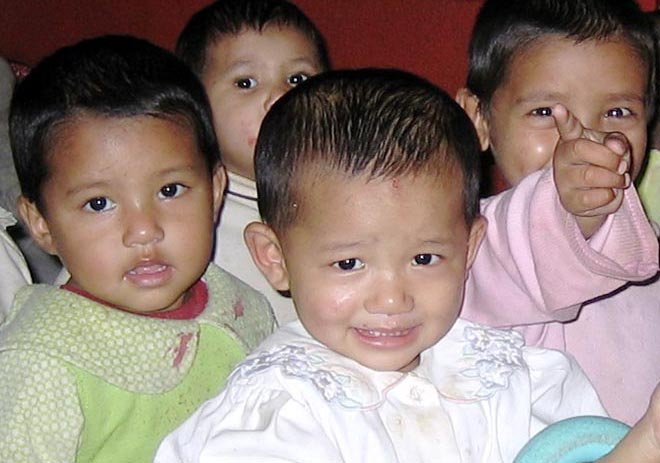
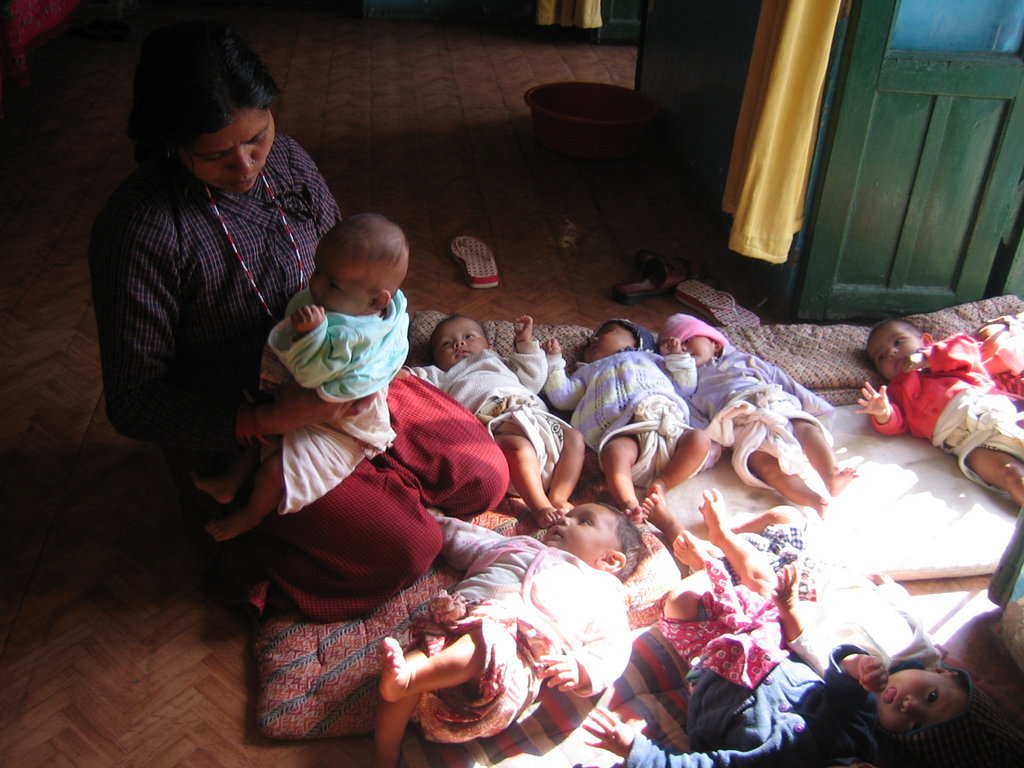
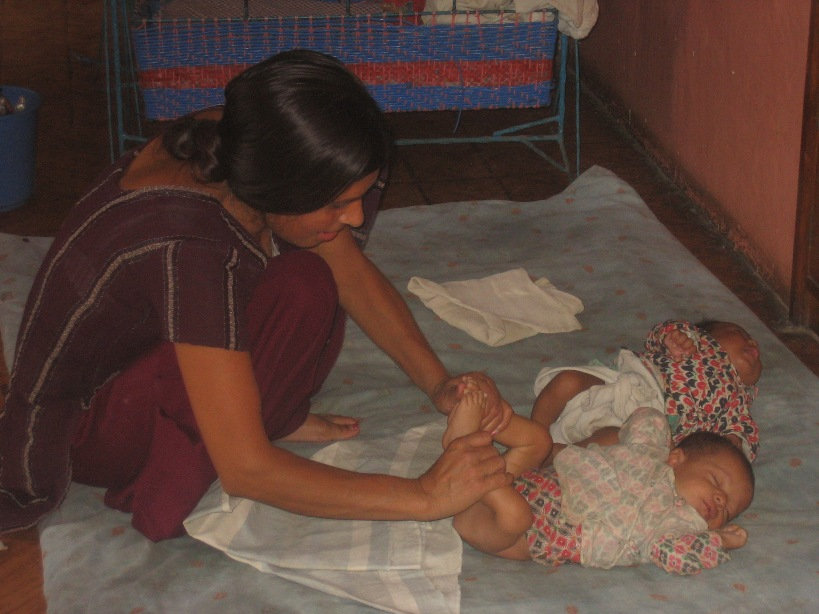
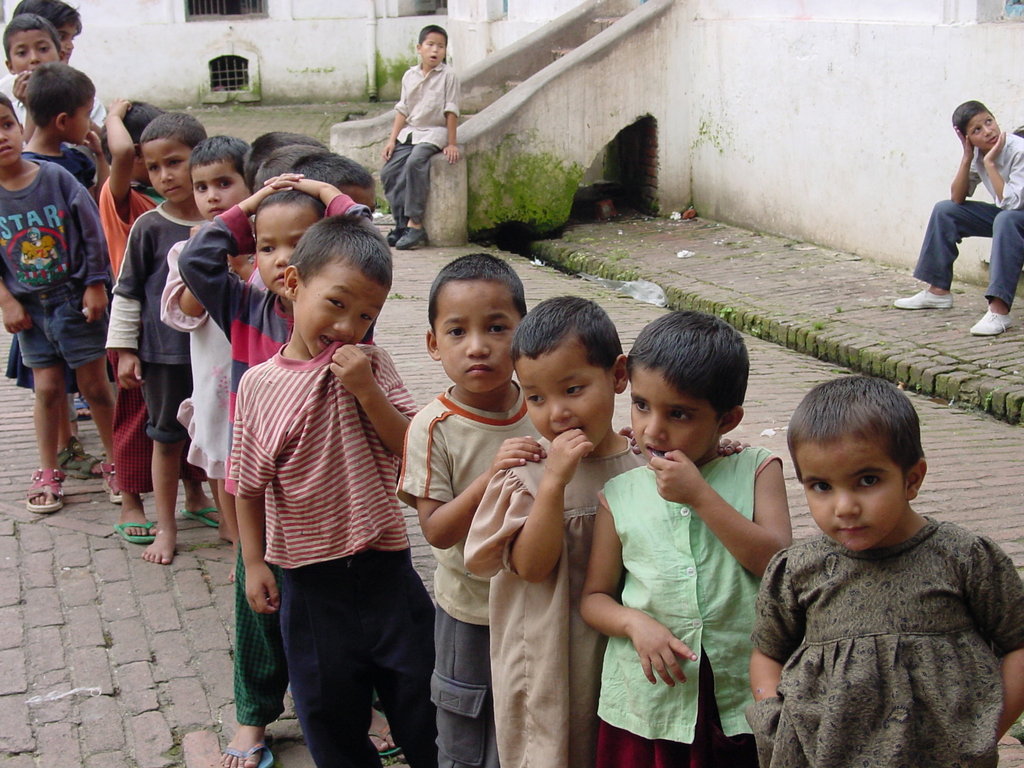
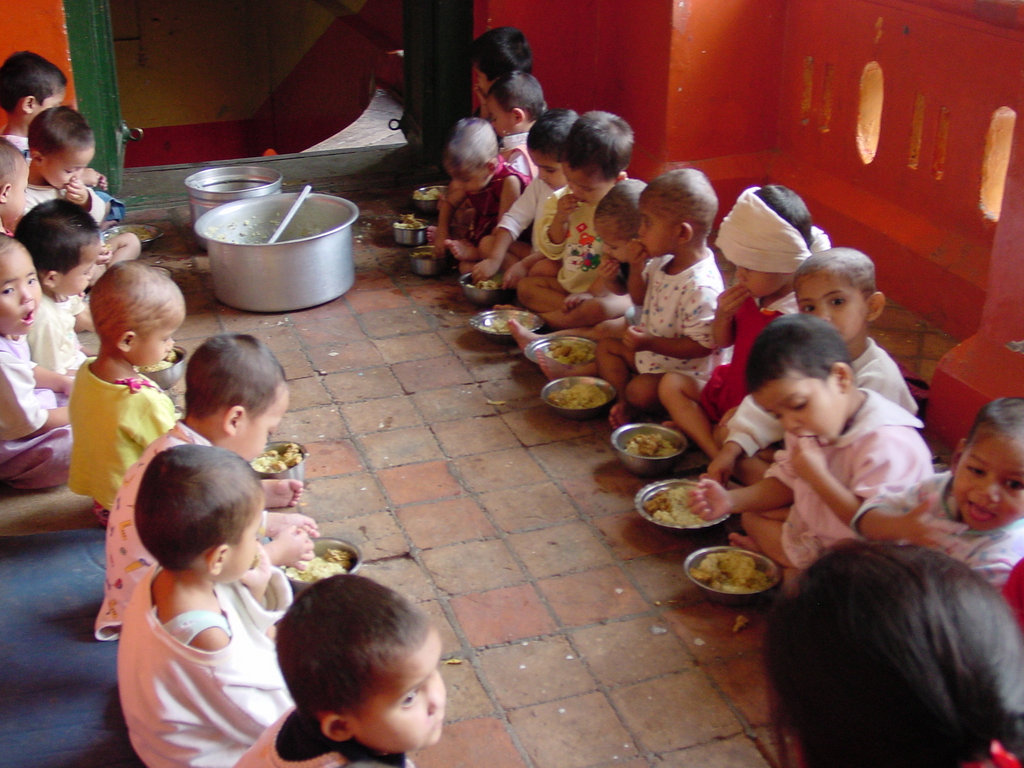
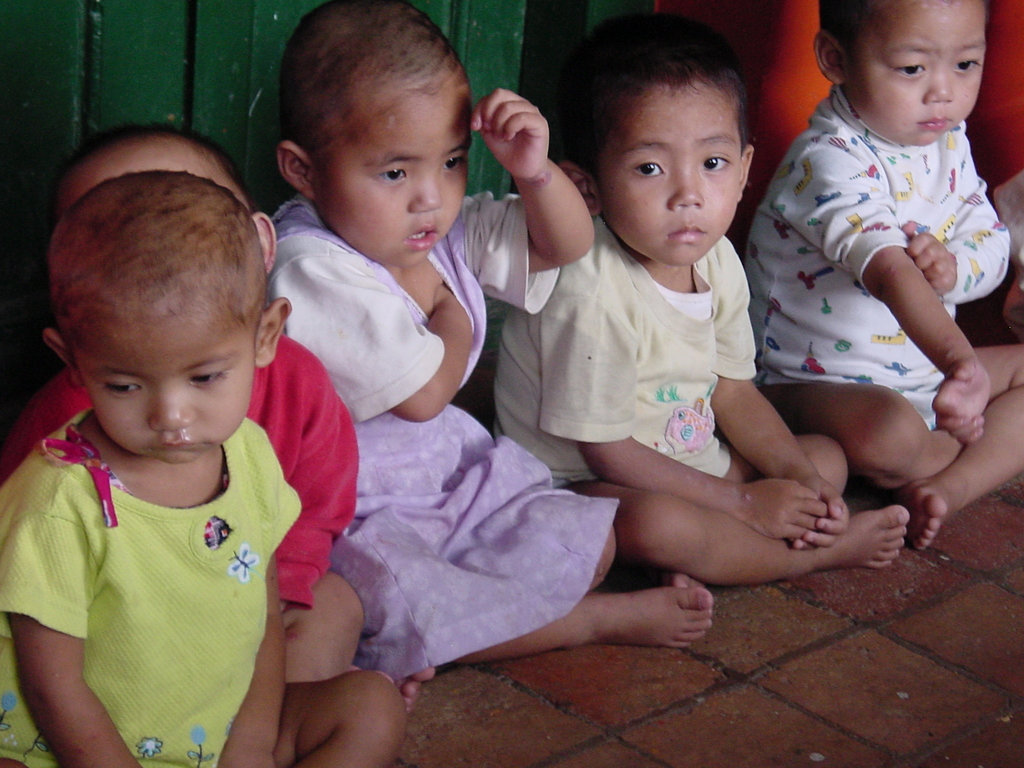
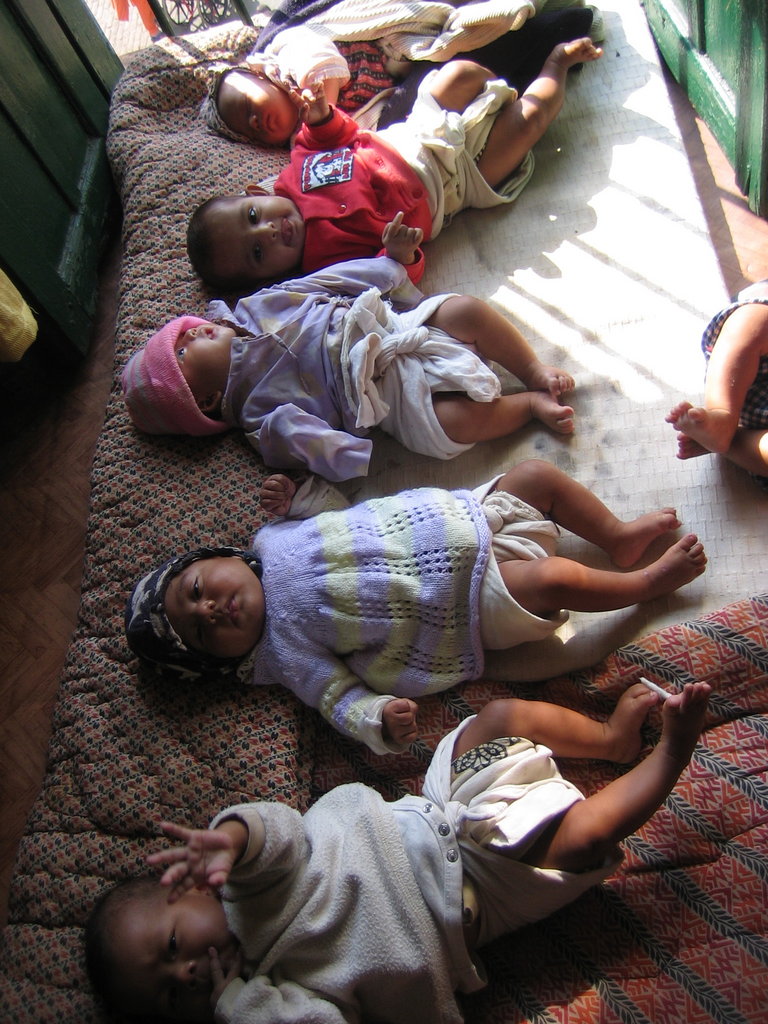
Global Family Village was founded in 2007 with the purpose of creating a better model of care for orphaned and abandoned children in Nepal. How could we help children who didn't have proper parental care feel and benefit from the support of family and equally important, be part of a community? Yes, there are orphanages and group homes but those are institutions or donor dependent and separate from the rest of the neighborhood.
We knew that the answer for success and sustainability lay in the community playing a major role in the program. Our project design was that we would help the community with income-generating initiatives that would increase their financial status and that in turn would help support the children.
We drew up a planning blueprint of the 5-7 year project with plans for community involvement and participation at every step along the way. Ironically, we would find out– that was our big mistake.
Why the method failed
After agreeing to work together on behalf of the orphaned children living in the area, the community did not support the program as we expected. Aside from the available funding they seemed indifferent, and they actually had a different agenda in mind. This was never their project and as such it couldn't succeed.
Our mistake was that we didn't listen closely to the community in the first place. We should not have written our 5-7 year plan without them. Many communities in Nepal are used to donors handing over money for projects the organizations design and decide is necessary for the village. Communities are accustomed to receiving the funds until the project is complete but they often don't take care of or interest in the program's upkeep or sustainability. This was never their project and as such it couldn't succeed.
Lesson learned
Don't underestimate the community. To have a successful, sustainable project is to help a community by empowering them to accomplish, for themselves, what they know they want and need. Learning from our past experiences the model was redesigned as a totally community-owned project. GFV would help financially in the beginning and each year the financial responsibility would shift until sustainability by year 5-7. We realized that if we wanted to help a community to take care of their orphaned and abandoned children, then that needed to be something that they wanted and would own. We could help them accomplish what they wanted because we had technical expertise and experience in social work, orphan care, child psychology, and community, business and school development. It would be their project and we would be their support team. We could help them take ownership and that way the whole community could benefit and the program would be sustainable.
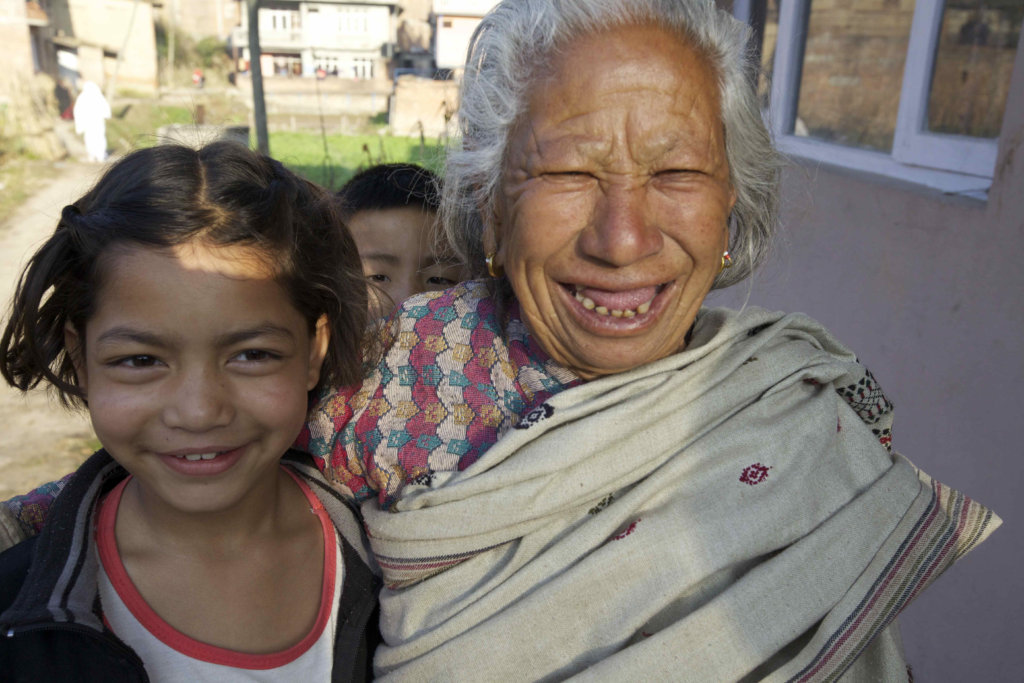
When were approached by the Cooperative Society of Bungamati to help them implement our community model of care we were careful to listen carefully to what their needs and wants were, and made sure that we were aligned. We helped them form committees for each of the major components of the project, which we were invited to attend. (Early Childhood Development, Income Generation, Family Home, School Improvement, Community Support). We served as advisors but did not attempt to implement the project components. We kept in very close contact and monitored the program along the way to ascertain the progress being made towards meeting our mutual program and sustainability goals.
Links:
Project reports on GlobalGiving are posted directly to globalgiving.org by Project Leaders as they are completed, generally every 3-4 months. To protect the integrity of these documents, GlobalGiving does not alter them; therefore you may find some language or formatting issues.
If you donate to this project or have donated to this project, you can receive an email when this project posts a report. You can also subscribe for reports without donating.