By Charles Olupot | Project Leader
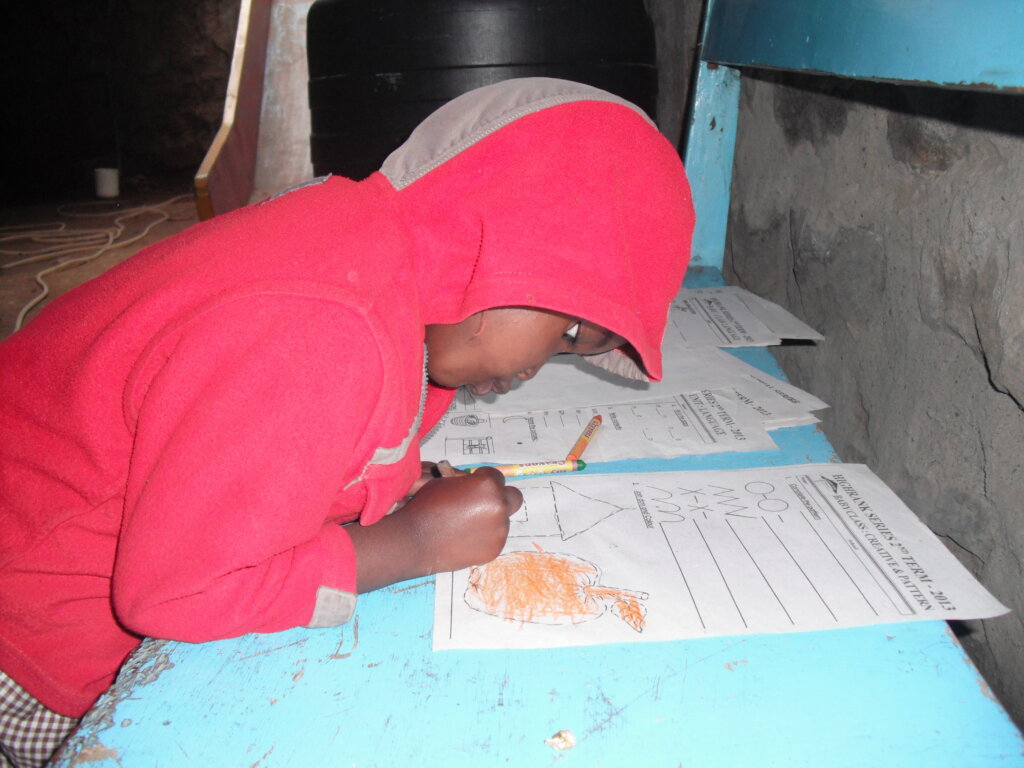
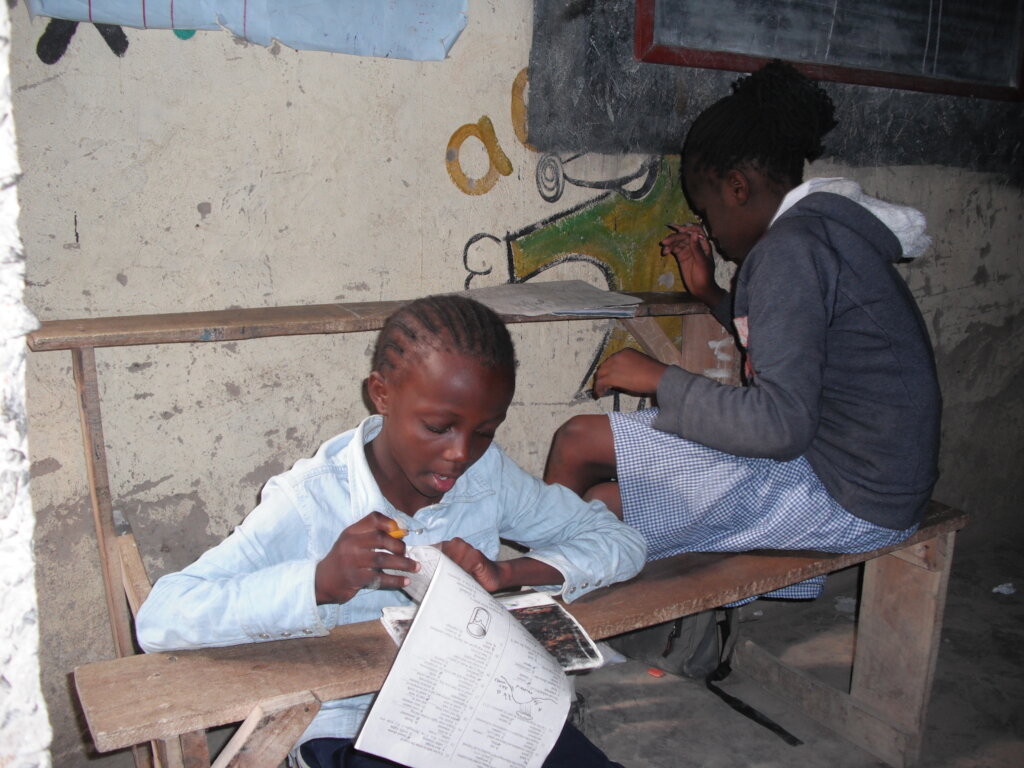
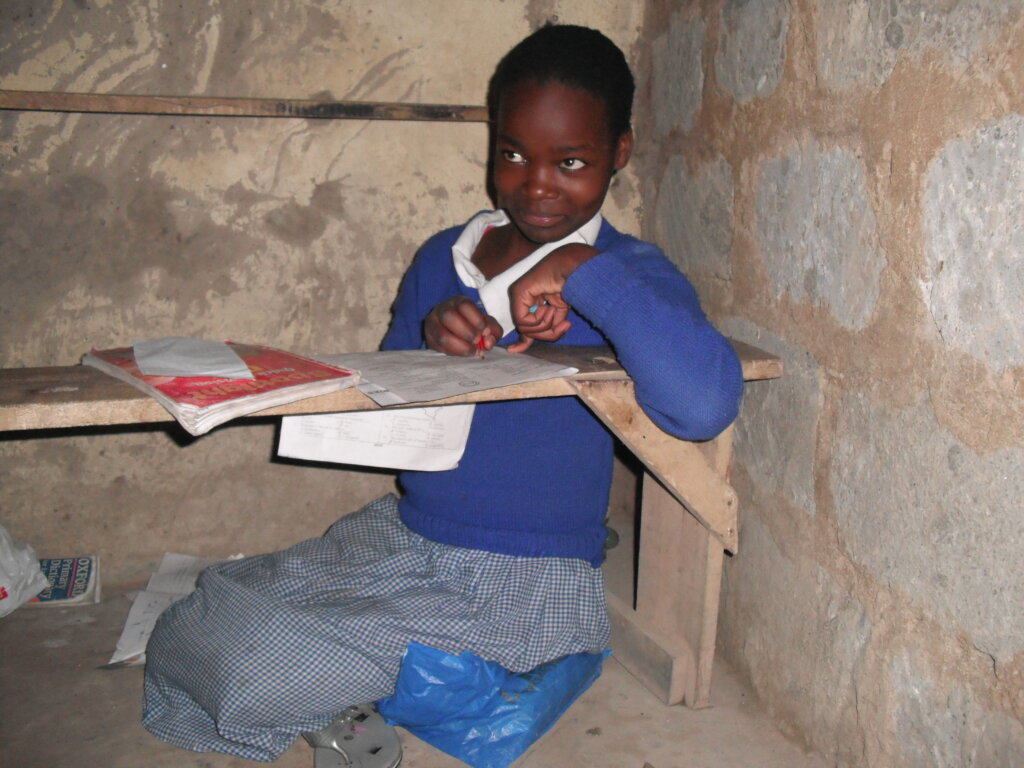
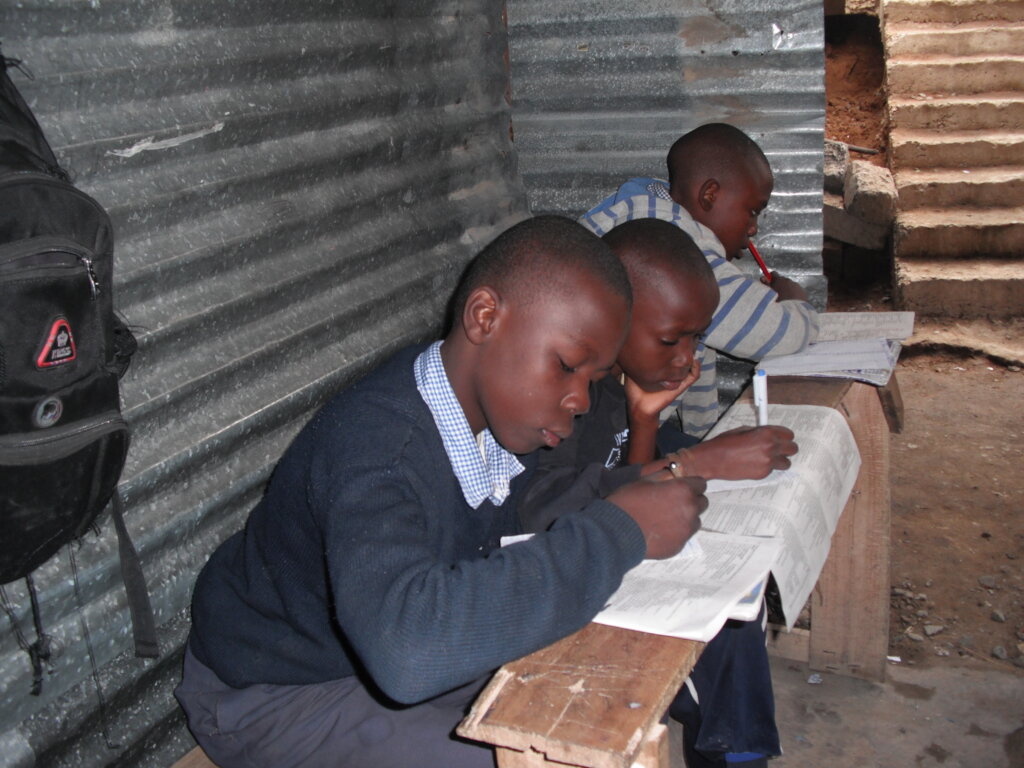
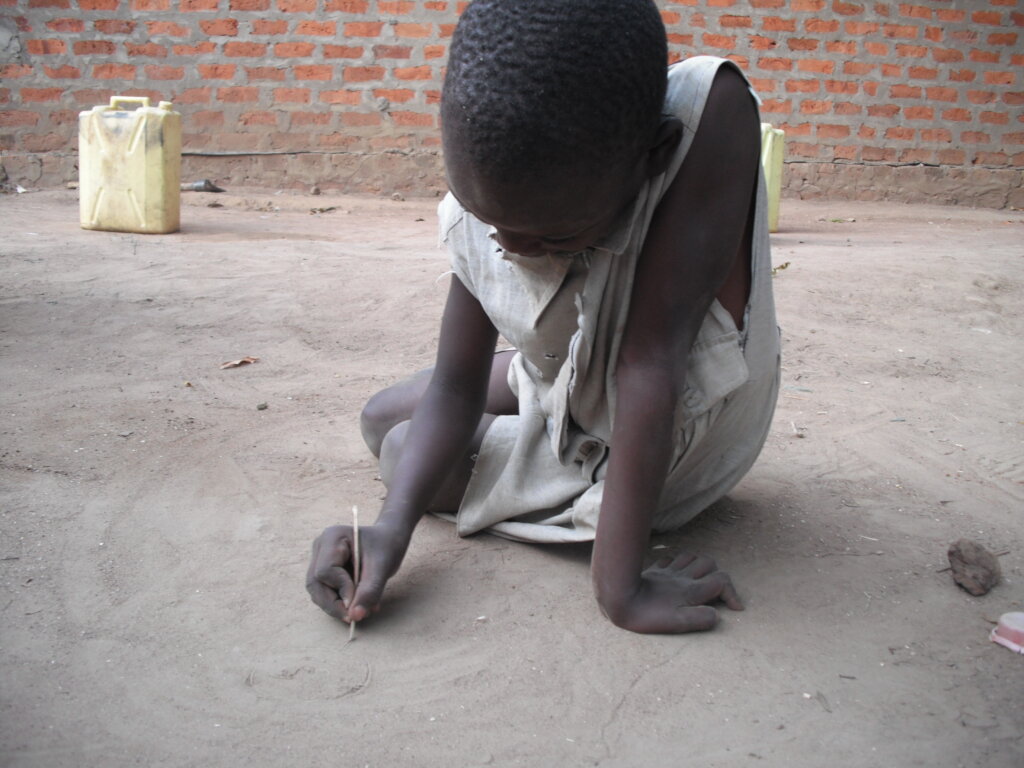
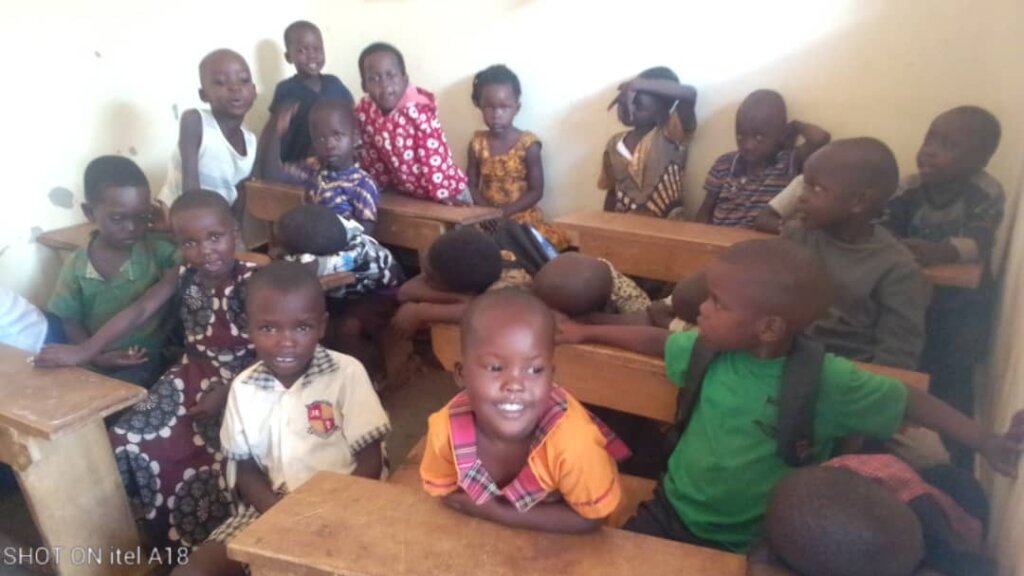
Aparis Community Development Program (Aparis CDP) is actively leading initiatives to provide education, scholastic materials, and safe shelters for over 1,000 underprivileged and orphaned children in Aparis Village, Kumi District, Uganda.
The program operates in a rural region severely impacted by historical conflicts, extreme poverty, and high rates of preventable disease, which collectively act as massive barriers to child education.
Background and Core Challenges
The community faces complex socio-economic hurdles that keep vulnerable children out of school:
Historical Vulnerability: Households continue to suffer from the long-term aftermath of the Mukura massacres and post-Teso wars (1986–2000).
Extreme Poverty: Widespread financial hardship prevents families from paying basic school tuition or purchasing required supplies.
High Orphanhood Rates: A significant population of children are orphaned due to HIV/AIDS, malaria, and civil conflict, leaving many to face homelessness or child labor.
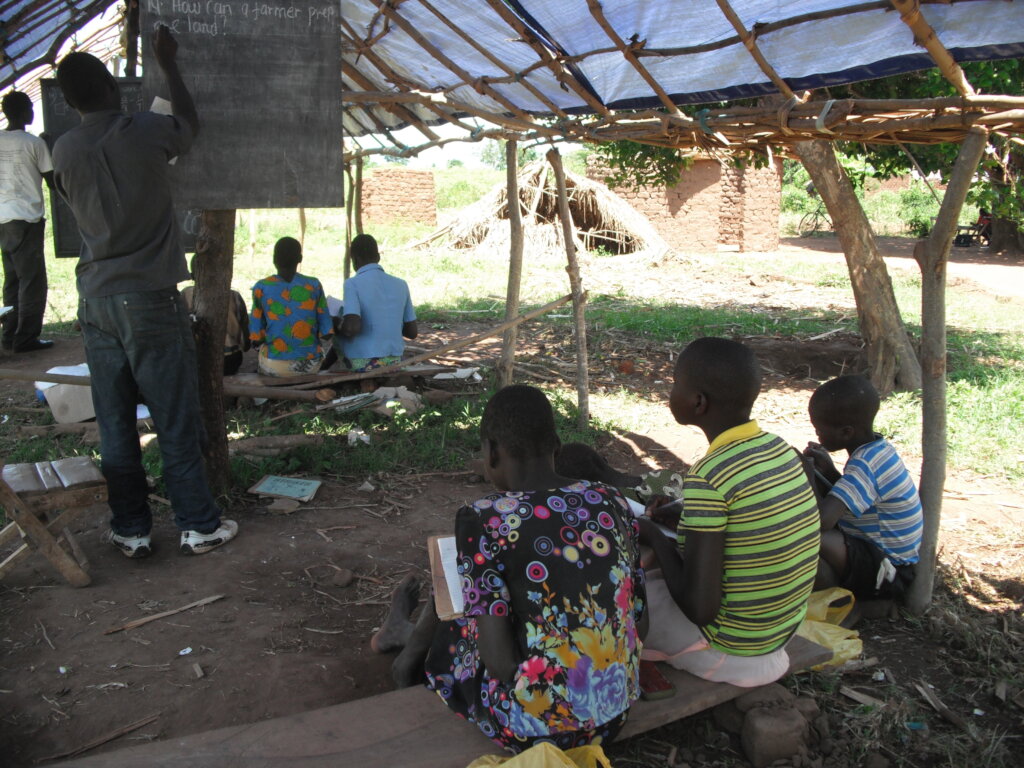
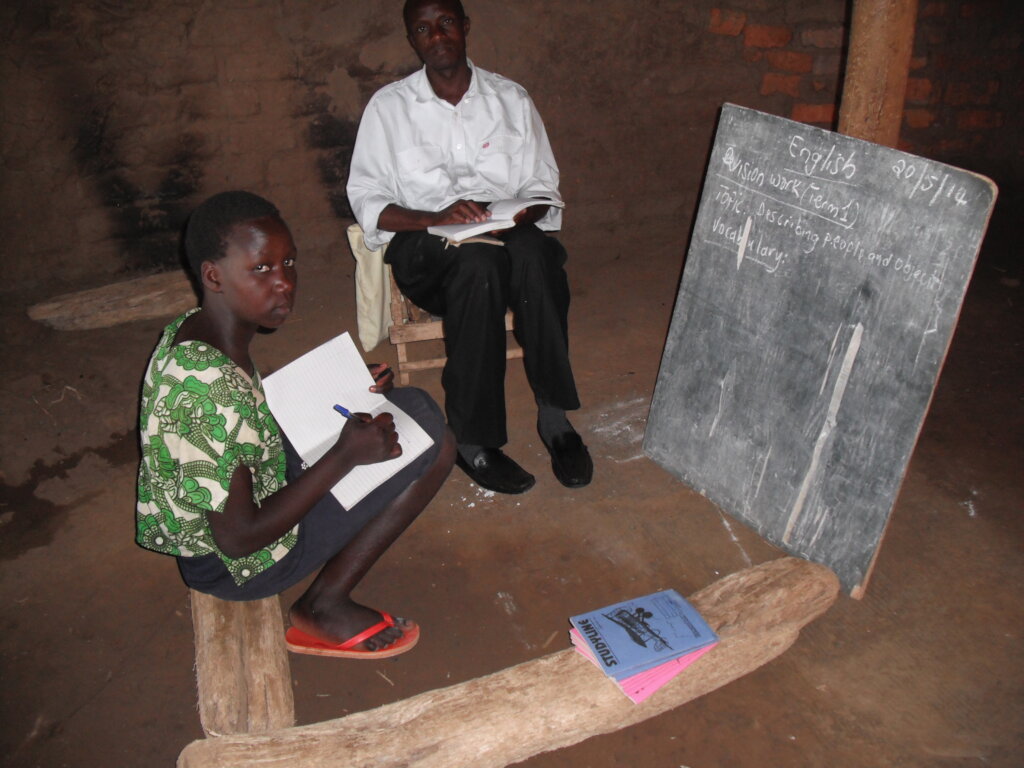
Deficient Infrastructure: Local schools frequently lack standard classrooms, permanent hygienic latrines, clean water points, and library spaces.
Program Interventions & Impact
Civil society initiatives, documented extensively via the GlobalGiving Aparis CDP Project Page, focus on several key pillars to keep rural students in school:
1. Scholastic Support and Tuition
Target Reach: Grassroots operations actively focus on helping 1,021 needy, poor rural school children.
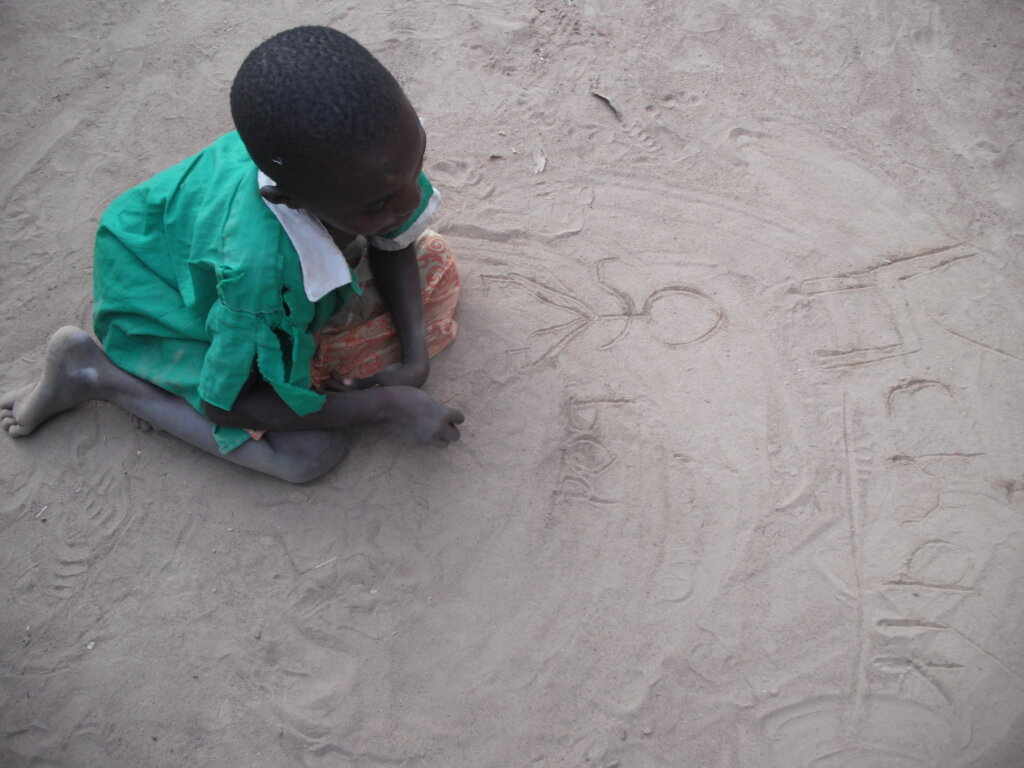
Supplies Distribution: Providing essential daily items such as pens, pencils, exercise books, backpacks, and mathematical sets.
Uniforms: Giving students matching school uniforms to build confidence, eliminate social stigma, and fulfill institutional enrollment rules.
2. Structural and Facility Expansion
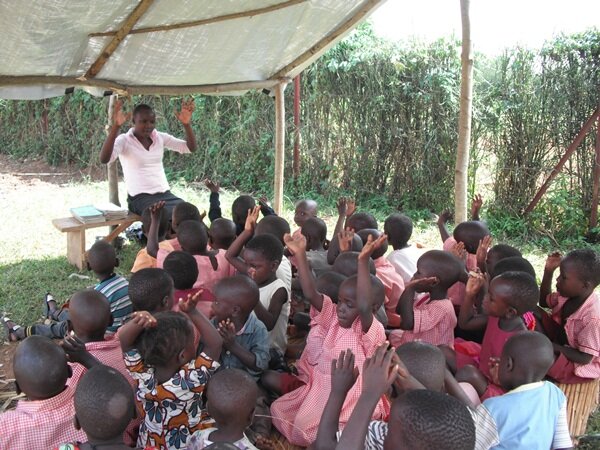
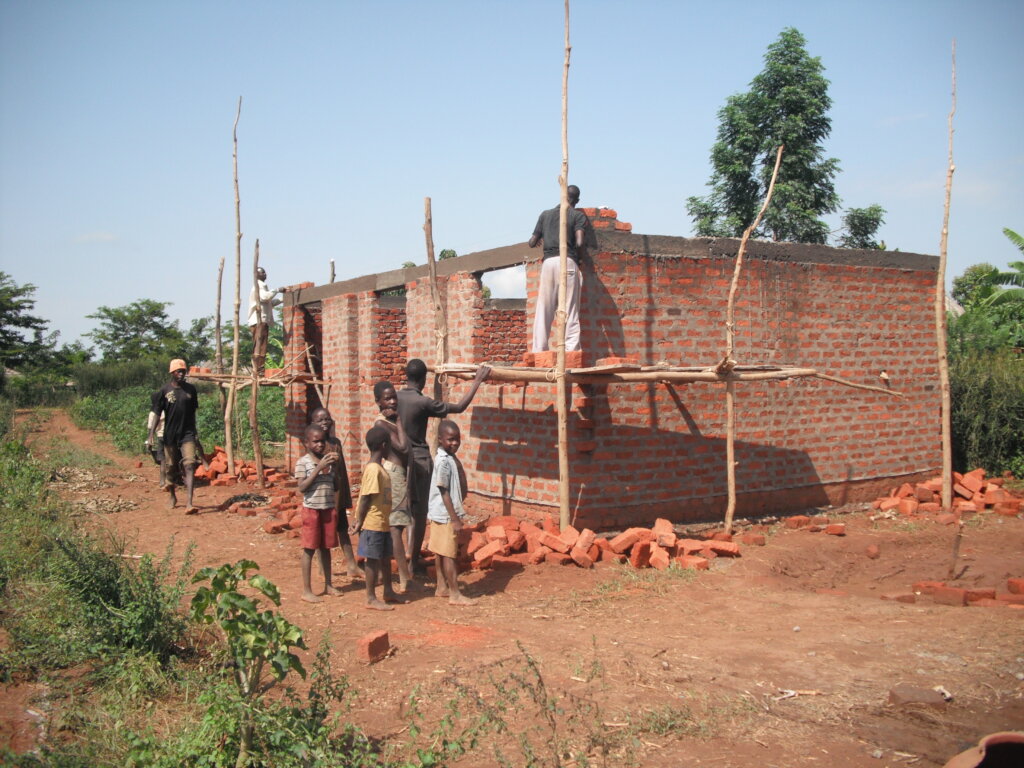
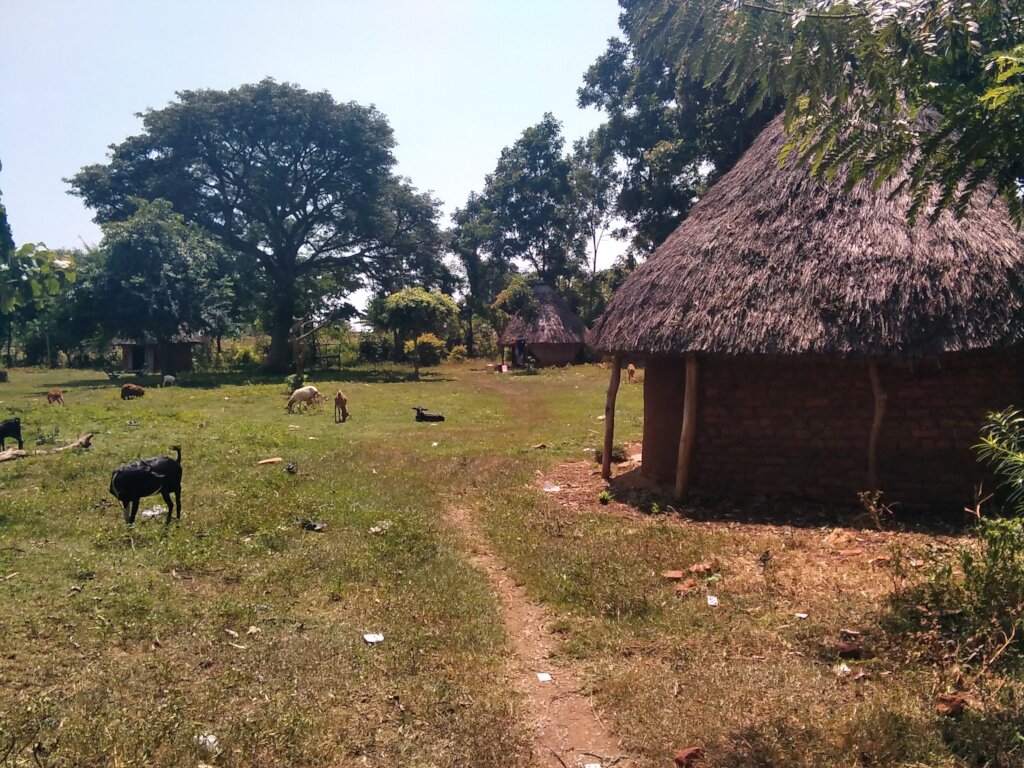
Classroom Upgrades: Shifting children out of temporary mud or grass huts and tree-shade learning environments into permanent brick classrooms.
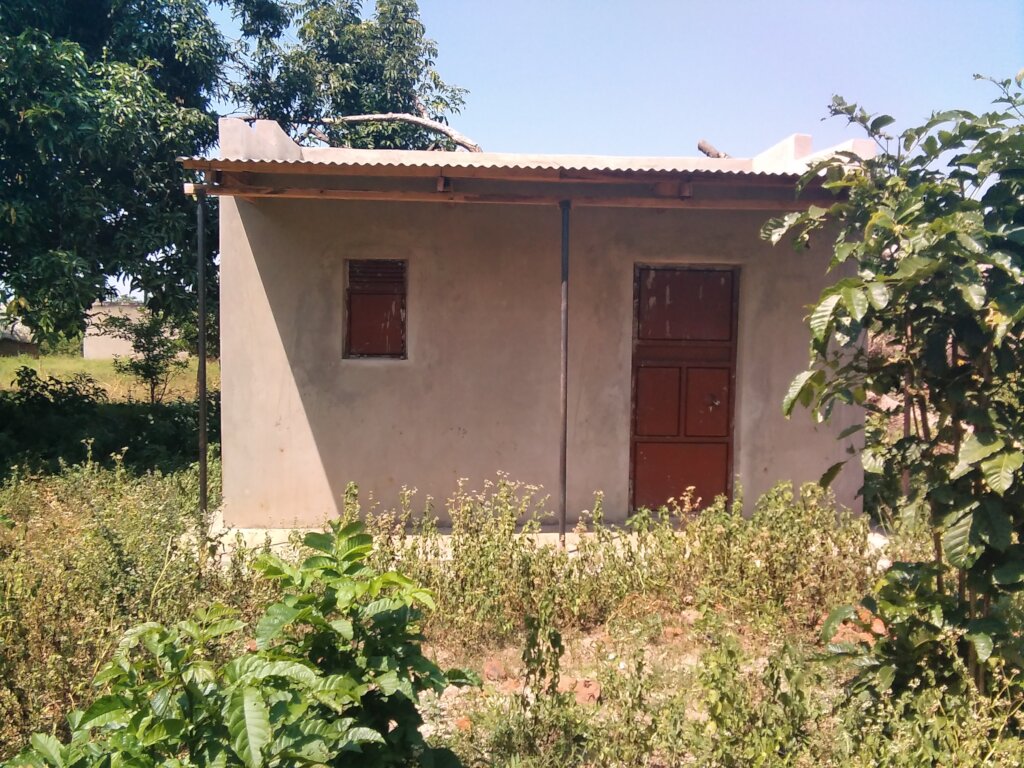
Health and Sanitation: Constructing permanent multi-door school toilets to dramatically improve low latrine coverage and isolate student facilities from staff facilities.
Safe Haven: Operating localized shelter projects to house and feed street children or total orphans who have no domestic support systems.
Cost Breakdown for Educational Aid
According to verified project tracking data from the GlobalGiving Project Reports, small amounts of micro-funding yield highly tangible deliverables on the ground:
Cost (USD) Resource Delivered to Aparis Village
$10 Pays school fees for one child for an entire academic term.
$20 Buys 10 bulk boxes of student exercise books.
$25 Fulfills tuition costs or provides basic text material.
$30 Purchases 1,000 standard mathematical sets for upper primary classes.
$45 Funds 3 nutritious daily meals for a cluster of 100 school children.
$50 Procures a tailored, durable school uniform for an individual student.
$100 Supplies 10 complete school backpacks or specialized library text volumes.
$150 Covers a professional local teacher's full monthly salary.
Future Needs and Sustainability
While the Aparis Community Development Program has successfully advanced many cohorts from primary education to sitting national exams, significant funding gaps remain. Sustaining this progress requires transitioning towards long-term community-based organization status, improving clean water pipelines to halt waterborne sickness, and funding solar power generators to help rural campuses access modern digital literacy
Project reports on GlobalGiving are posted directly to globalgiving.org by Project Leaders as they are completed, generally every 3-4 months. To protect the integrity of these documents, GlobalGiving does not alter them; therefore you may find some language or formatting issues.
If you donate to this project or have donated to this project, you can receive an email when this project posts a report. You can also subscribe for reports without donating.



Support this important cause by creating a personalized fundraising page.
Start a Fundraiser