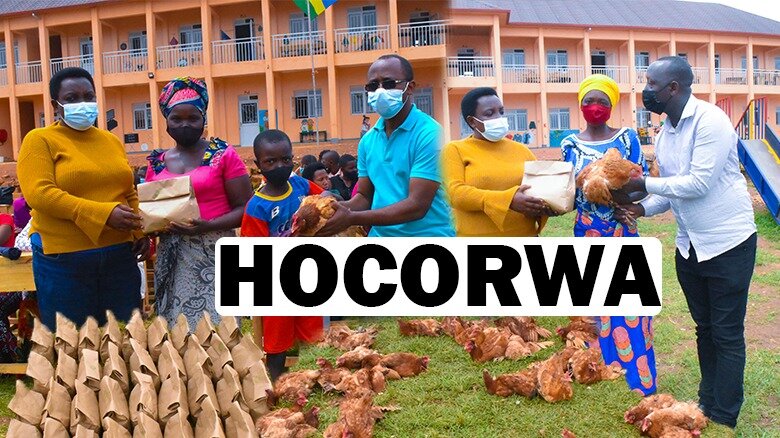
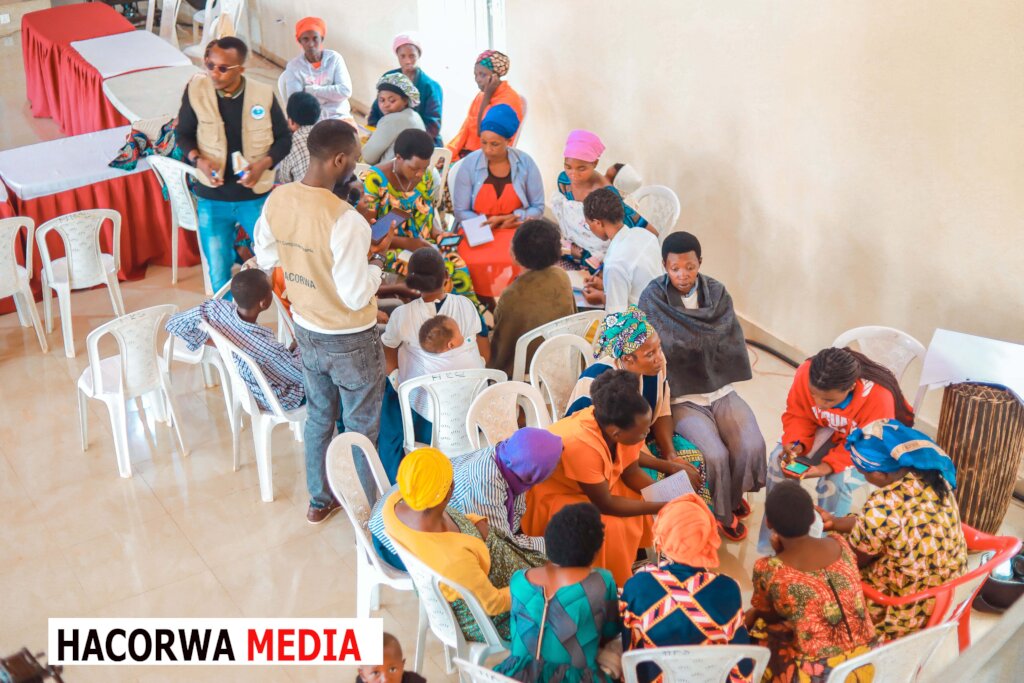
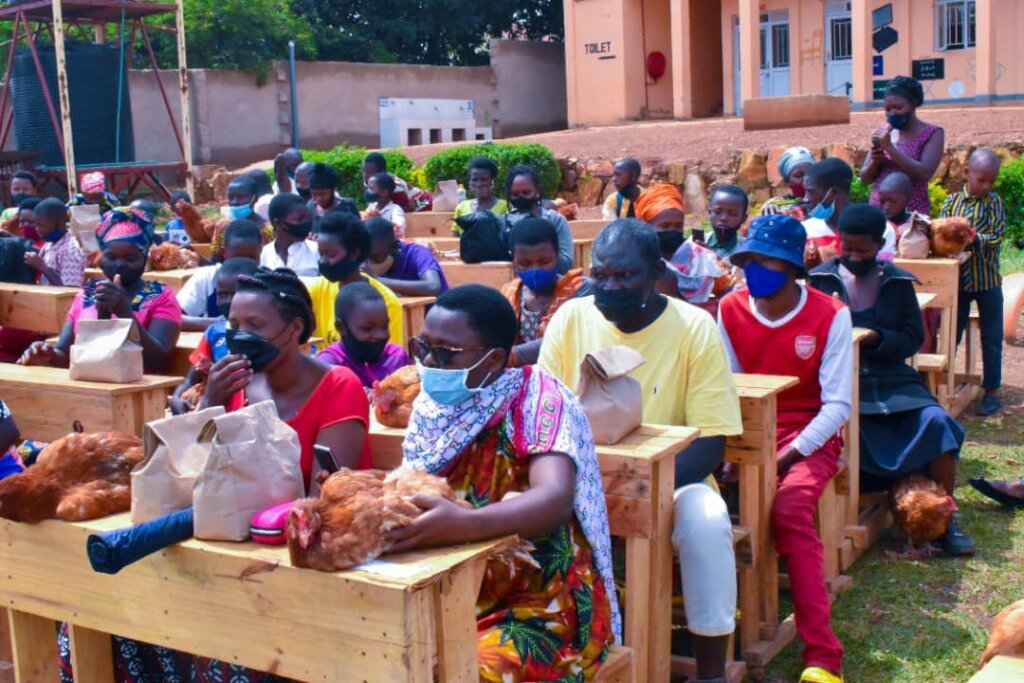
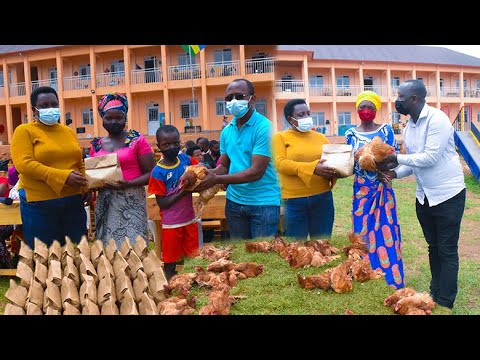
The project aims to prevent and reduce malnutrition in 300 children under five in Rwanda in semi-urban settings in Kigali. It will work with health centers to identify and support moderately malnourished children by providing two hens per household for regular egg access. Both women and men will engage in family education and positive parenting. Families and communities will help create a supportive environment to improve nutrition and food security for children and all household members.
Child malnutrition (stunting) affects 33% of children under five in Rwanda. It causes poor growth, delayed brain development, lower productivity, and higher health risks. Because malnutrition is complex, it needs multiple solutions. Short-term actions include improving access to nutritious food (an example of hens provision for egg access) and family nutrition education. Long-term efforts focus on reducing poverty, improving feeding practices, and increasing access to healthcare.
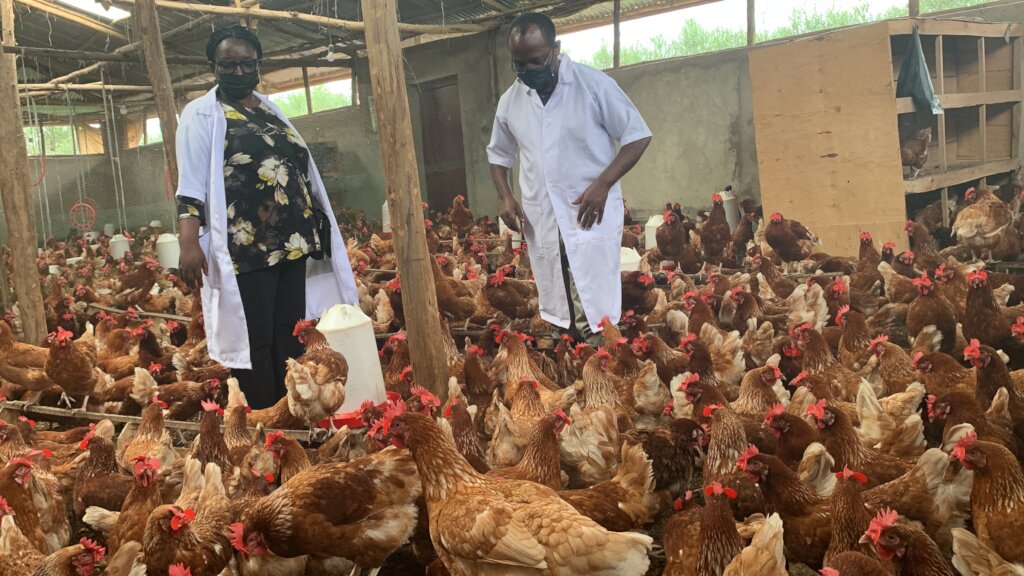
Providing hens for egg access helps fight malnutrition due to the high nutritional value of eggs. Rich in protein, eggs support growth and immunity, especially for children and mothers. They are affordable and accessible for low-income families. This approach promotes health and development in vulnerable communities. The project will also include nutrition education to improve feeding practices among families and communities.
This project to prevent malnutrition in children under five will lead to better child growth, learning, and overall health. In the long term, it will reduce illness, improve school performance, and support stronger, healthier families. By boosting nutrition and household food security, the project will also enhance economic stability for vulnerable families and help break the cycle of poverty.
This project has provided additional documentation in a PDF file (projdoc.pdf).



Support this important cause by creating a personalized fundraising page.
Start a Fundraiser