By Heather Wilcox | Director of Annual Giving & Advancement Services
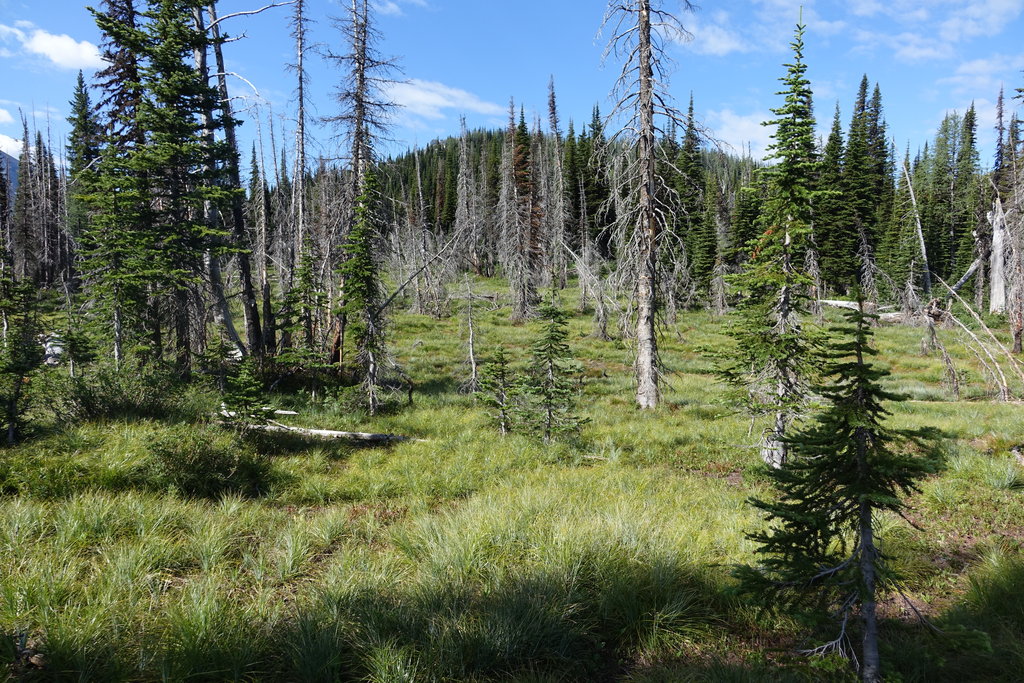
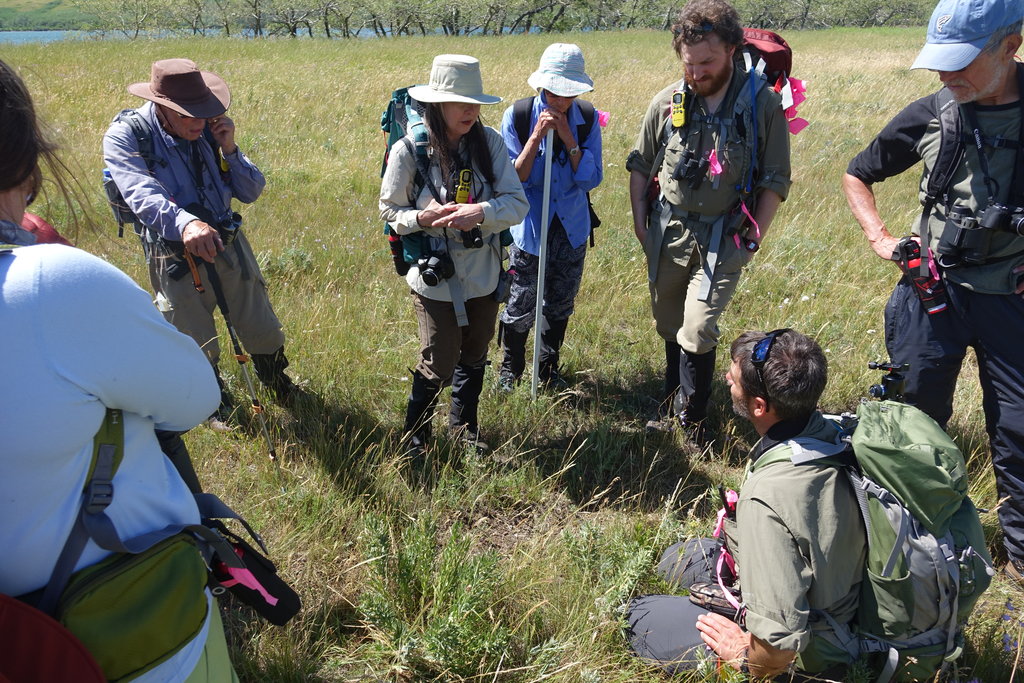
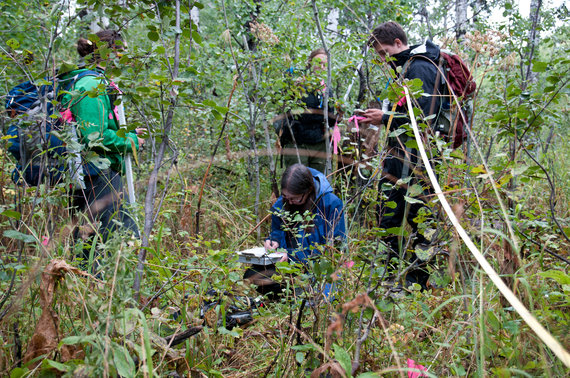
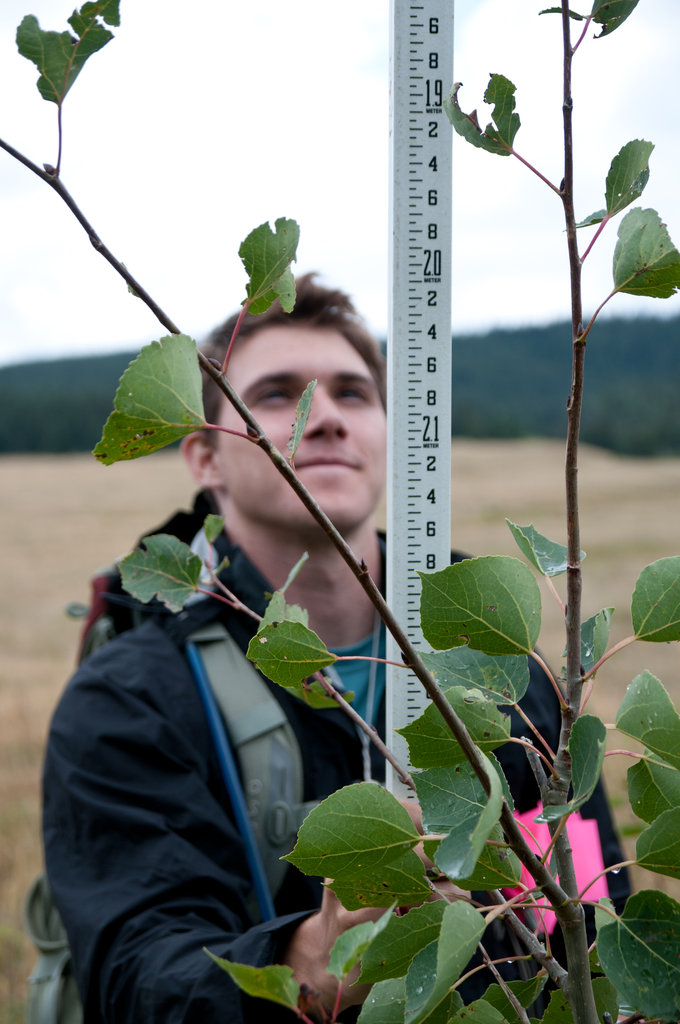
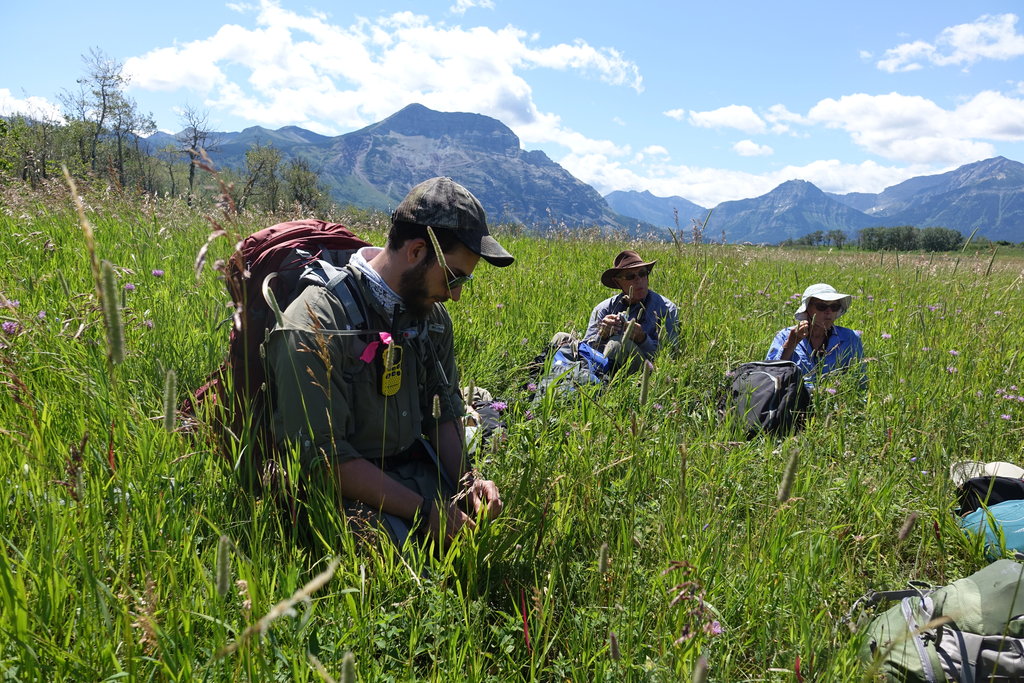
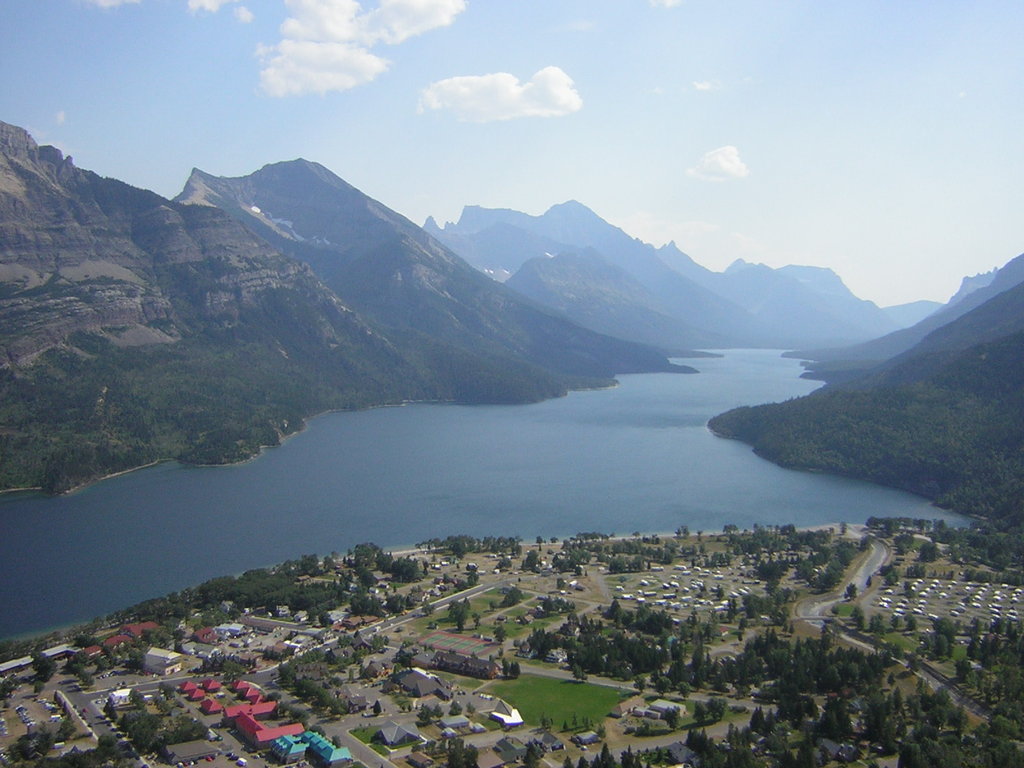
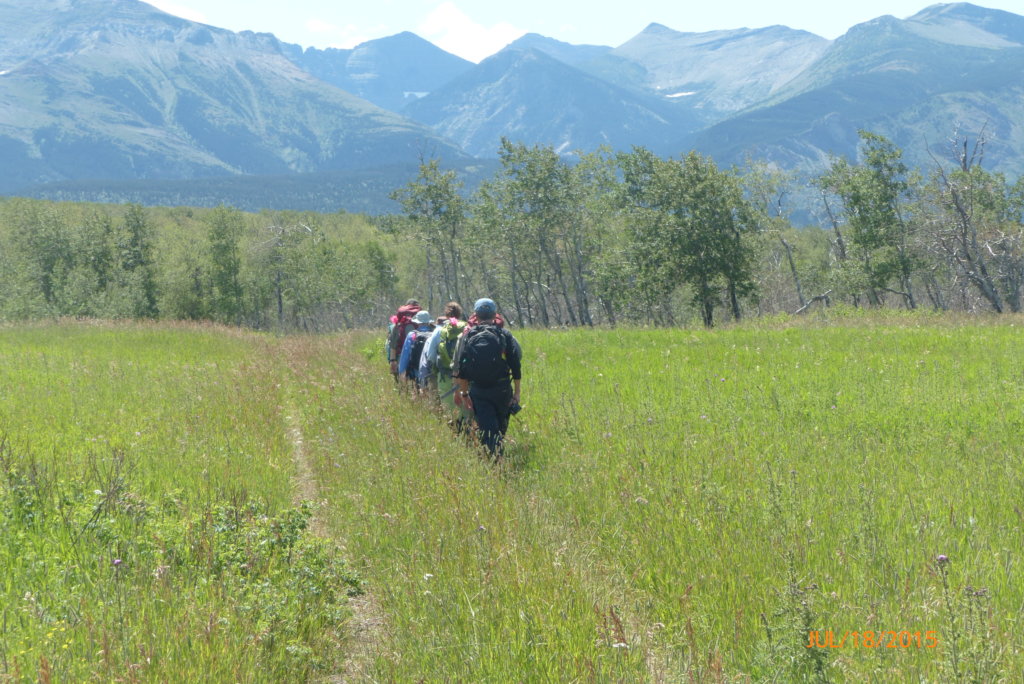
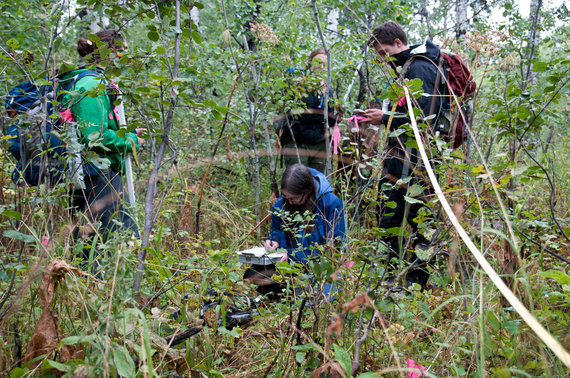
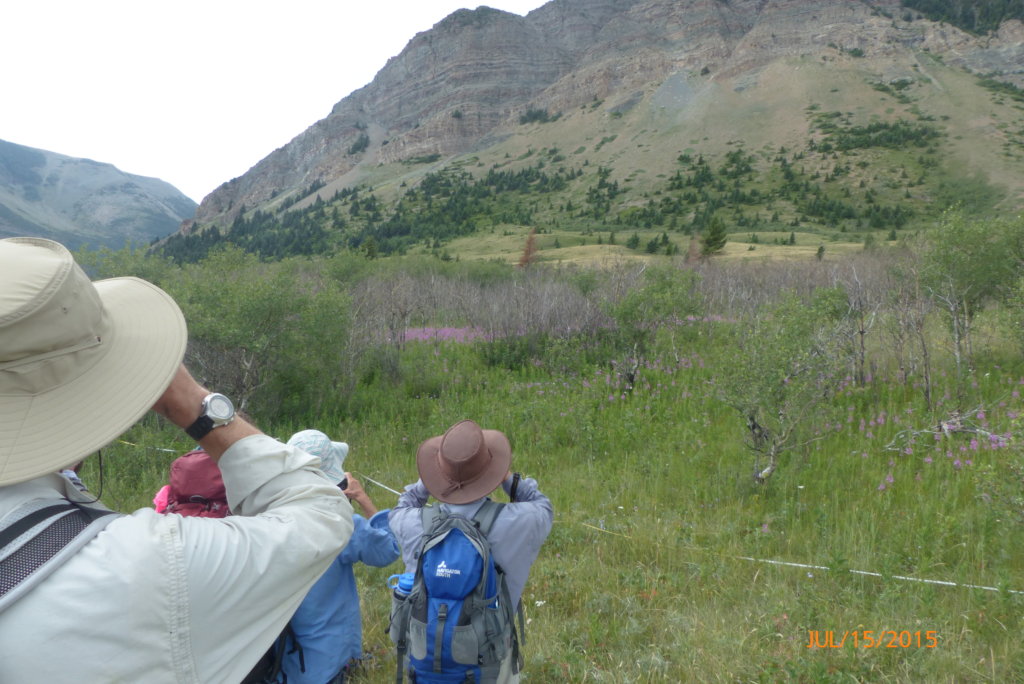
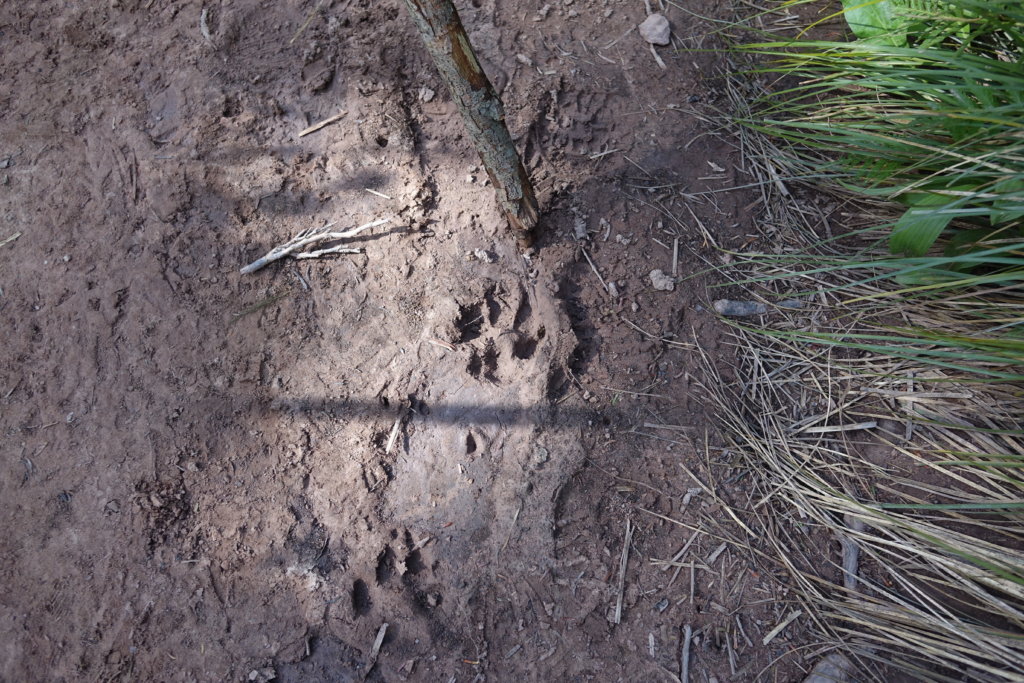
With your support, Restoring Fire, Wolves and Bison to the Canadian Rockies has completed its second year of research with Earthwatch Institute. This year, 48 volunteers joined Dr. Cristina Eisenberg and her research team in Waterton Lakes National Park, Alberta, between May and September. Sometimes hiking up to 12 miles a day, volunteers helped conduct aspen surveys, track transects, and conduct wolf and other wildlife monitoring.
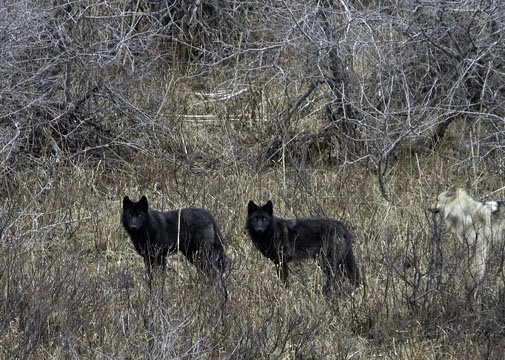
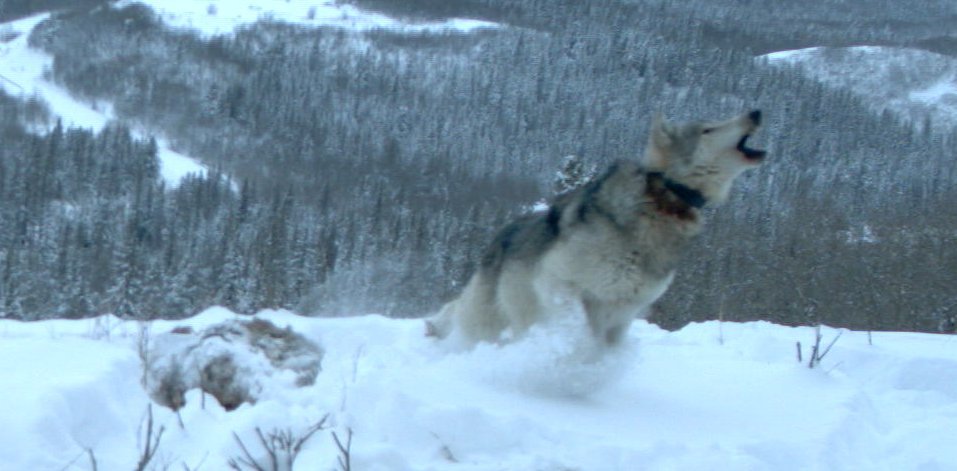
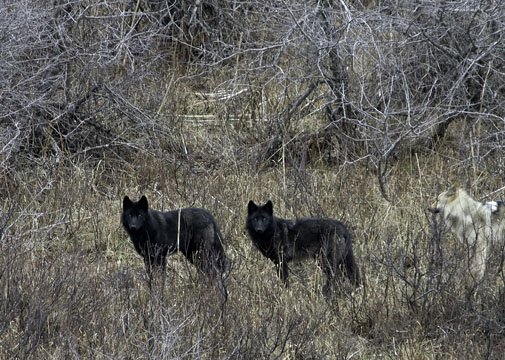
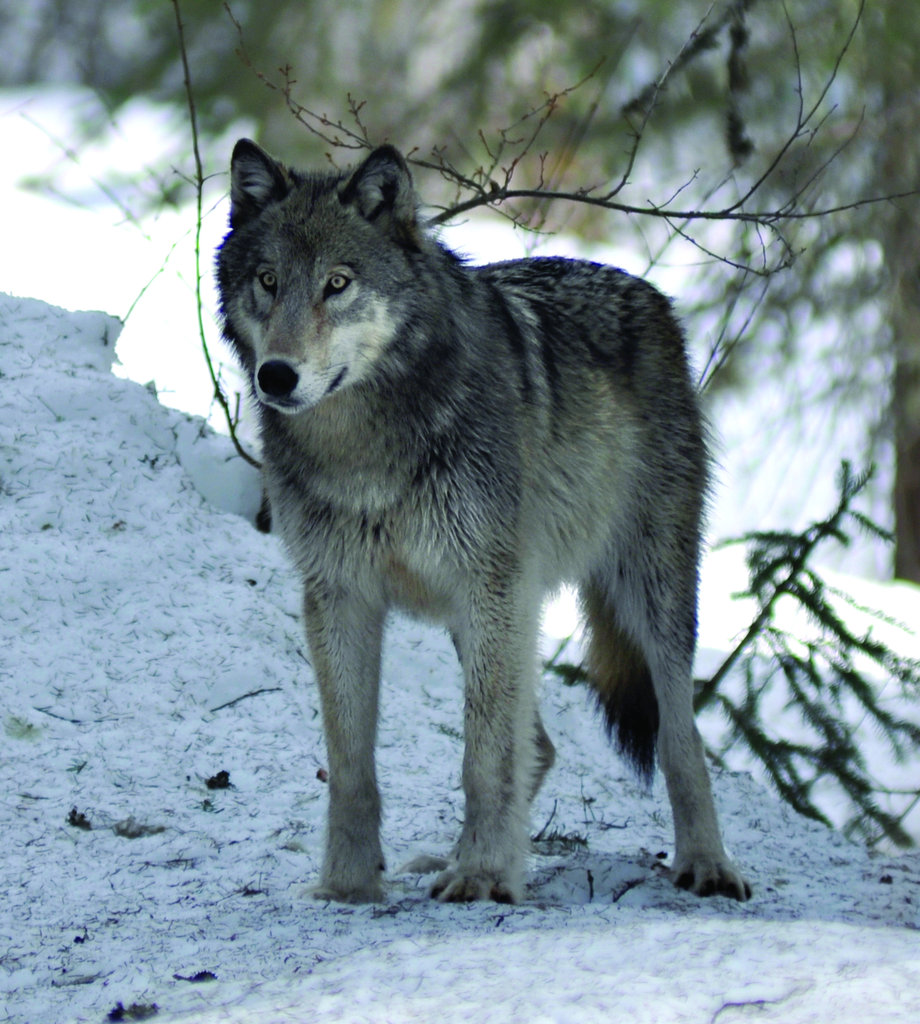
Early findings from this year indicate abundant large carnivore activity by wolves, grizzly bears, black bears, cougars and coyotes, while remote monitoring confirmed that two wolf packs in the park had denned and produced pups. Bolstering the research this year was the addition of two local Kainai First Nation community fellows. Sponsored by a group of donors, the fellows received expert training in field ecology and ecological restoration methods to help advance conservation planning and support tribal economic health. In turn, they were able to share their vast knowledge and history of the research sites with scientists and volunteers.
Engaging tribal members augments local positive effects on conservation and education, improves human-wildlife coexistence, strengthens local environmental stewardship, and empowers community members, particularly under-represented groups such as women, to become conservation leaders. By directly engaging current and future leaders from the Kainai Nation, the tribal community will strengthen its partnership with local governance to build and inspire support for the conservation of healthier tribal lands.
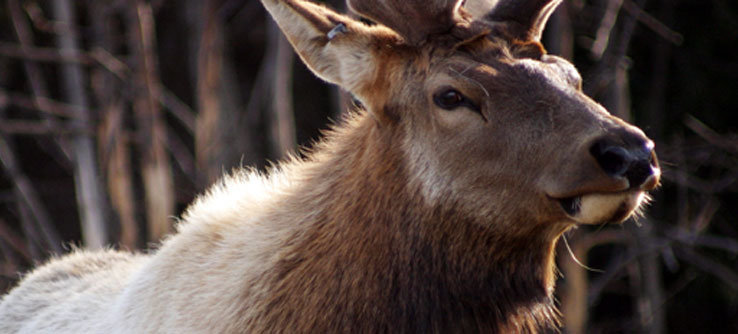
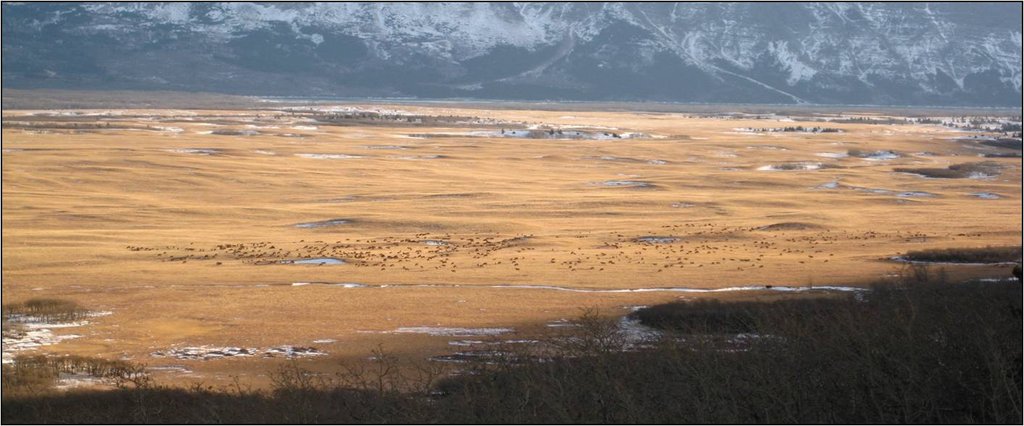
Looking ahead to next spring, volunteers will take on new mapping of aspen stands on a much finer scale to better understand the influence of stand size on fire severity and subsequent elk browsing. Elk diet analysis will also be added to assist park managers with bison reintroduction scoping. A key focus of next year’s research will be to identify indicator variables that park managers can use easily and cost-effectively to monitor fire response over a longer temporal scale.
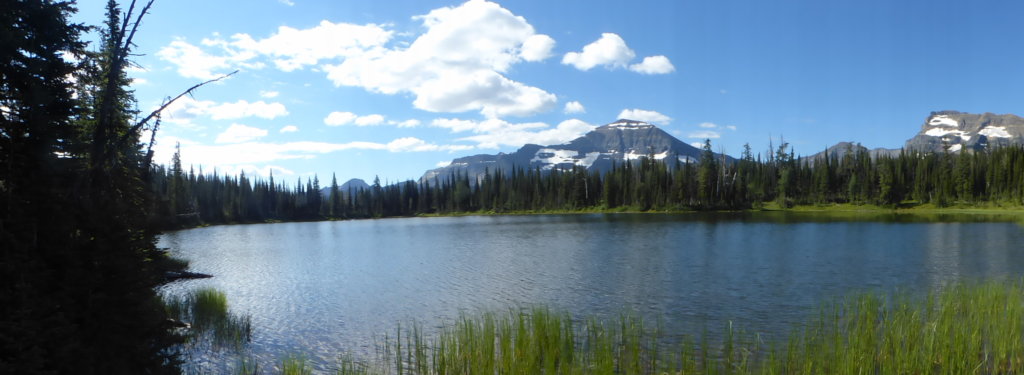
In the meantime, thank you again for your ongoing support of Earthwatch’s Restoring Fire, Wolves and Bison to the Canadian Rockies research. Your involvement will help implement management plans that keep this pristine wilderness – and the many people and species who depend on it - thriving. We look forward to sharing Dr. Eisenberg’s analysis and conclusions from her 2016 work early next year.
With gratitude,
Heather Wilcox
Director of Annual Giving & Advancement Services
hwilcox@earthwatch.org
978-450-1208
P.S. Remember, you don't just have to read about this research from afar... you can be at the center of the action as an Earthwatch research volunteer! Please follow the link below to see which teams are accepting volunteers for 2017.
Links:
Project reports on GlobalGiving are posted directly to globalgiving.org by Project Leaders as they are completed, generally every 3-4 months. To protect the integrity of these documents, GlobalGiving does not alter them; therefore you may find some language or formatting issues.
If you donate to this project or have donated to this project, you can receive an email when this project posts a report. You can also subscribe for reports without donating.



Support this important cause by creating a personalized fundraising page.
Start a Fundraiser