By Heather Wilcox | Director of Annual Giving & Advancement Services
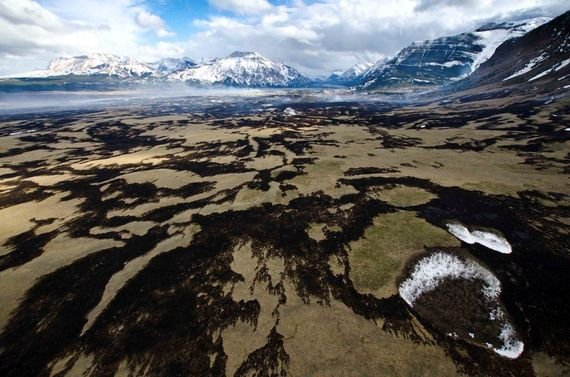
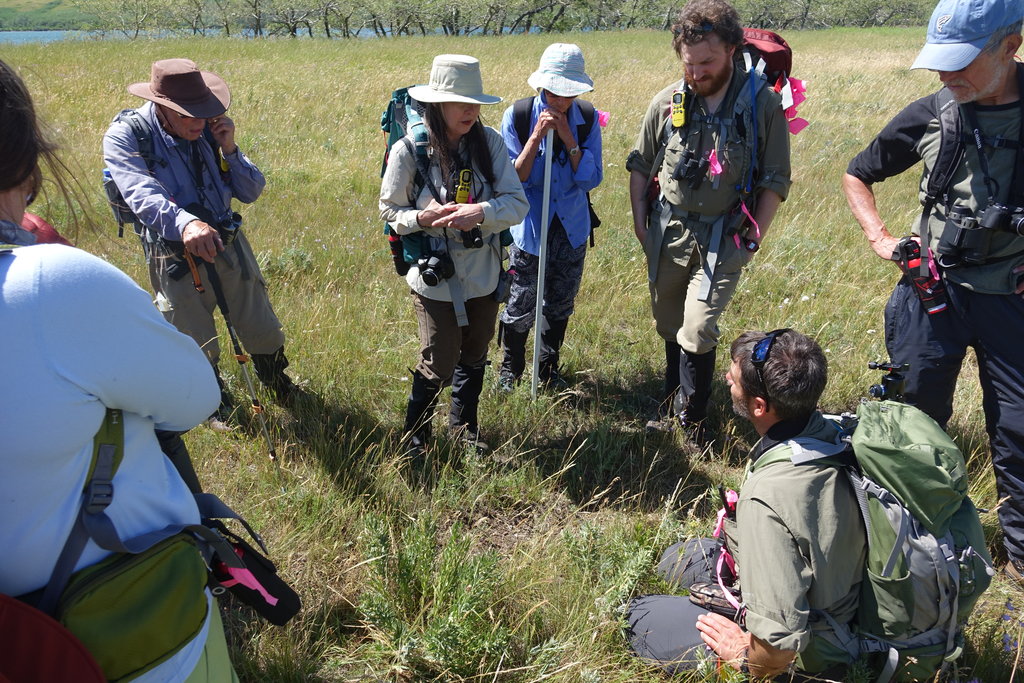
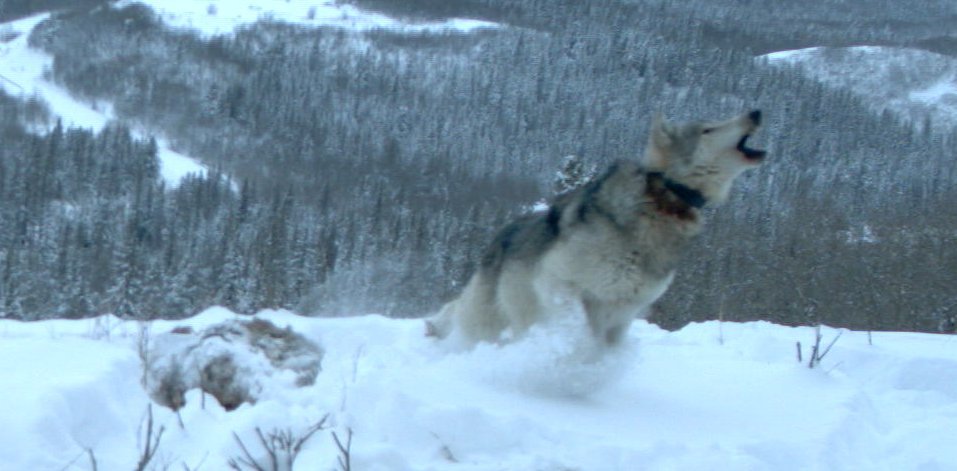
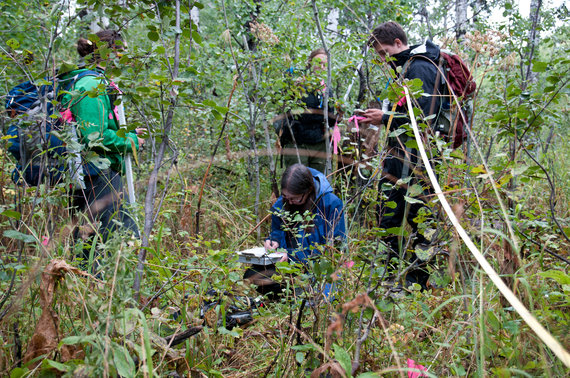
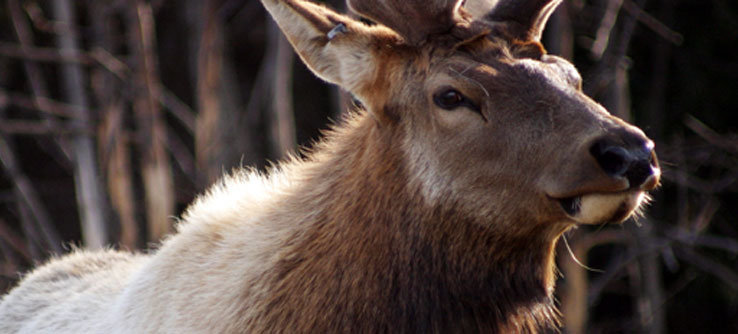
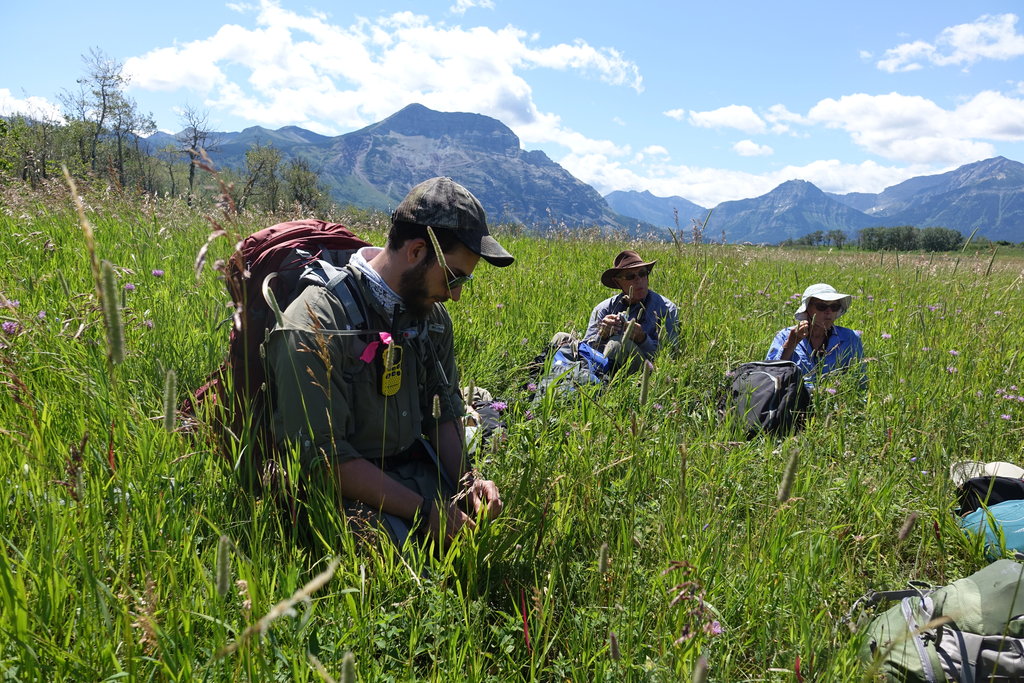
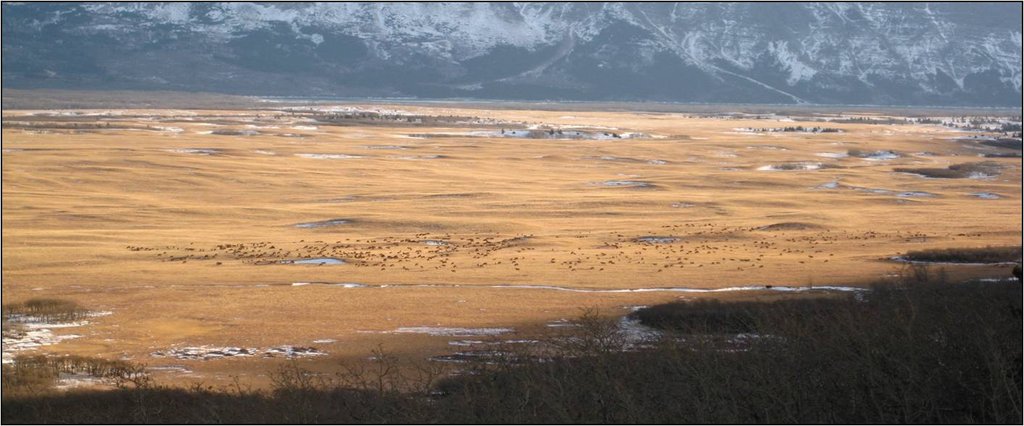
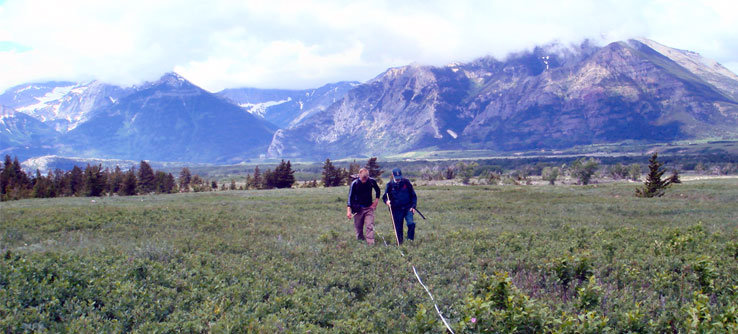
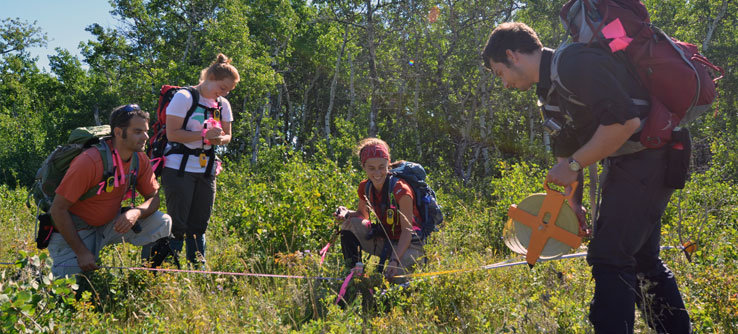
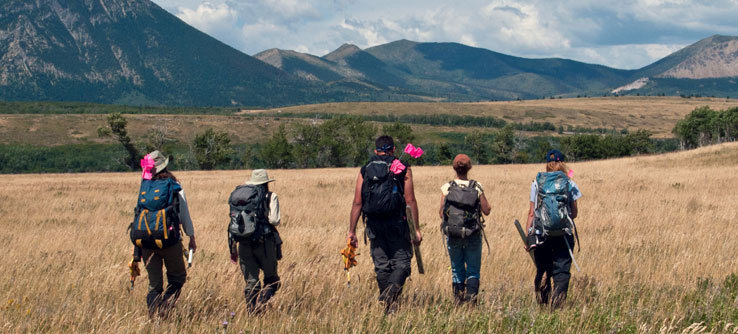
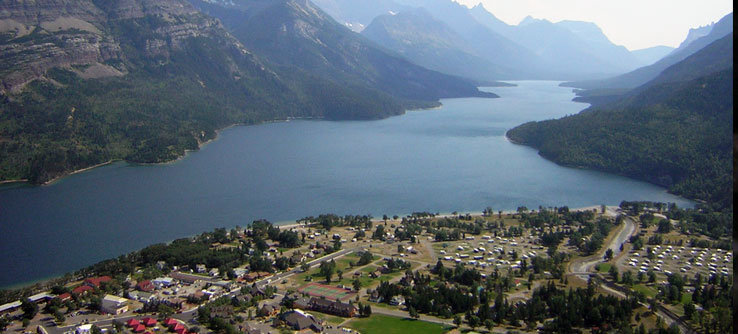
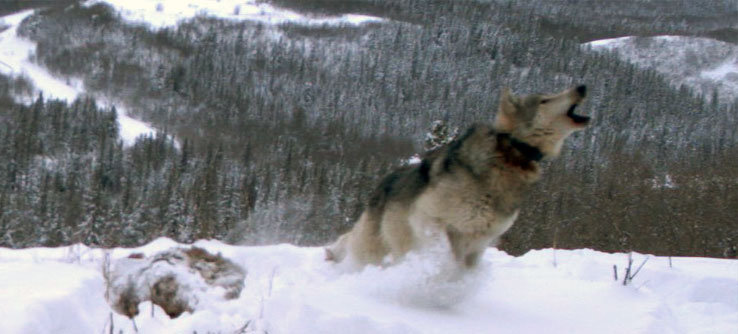
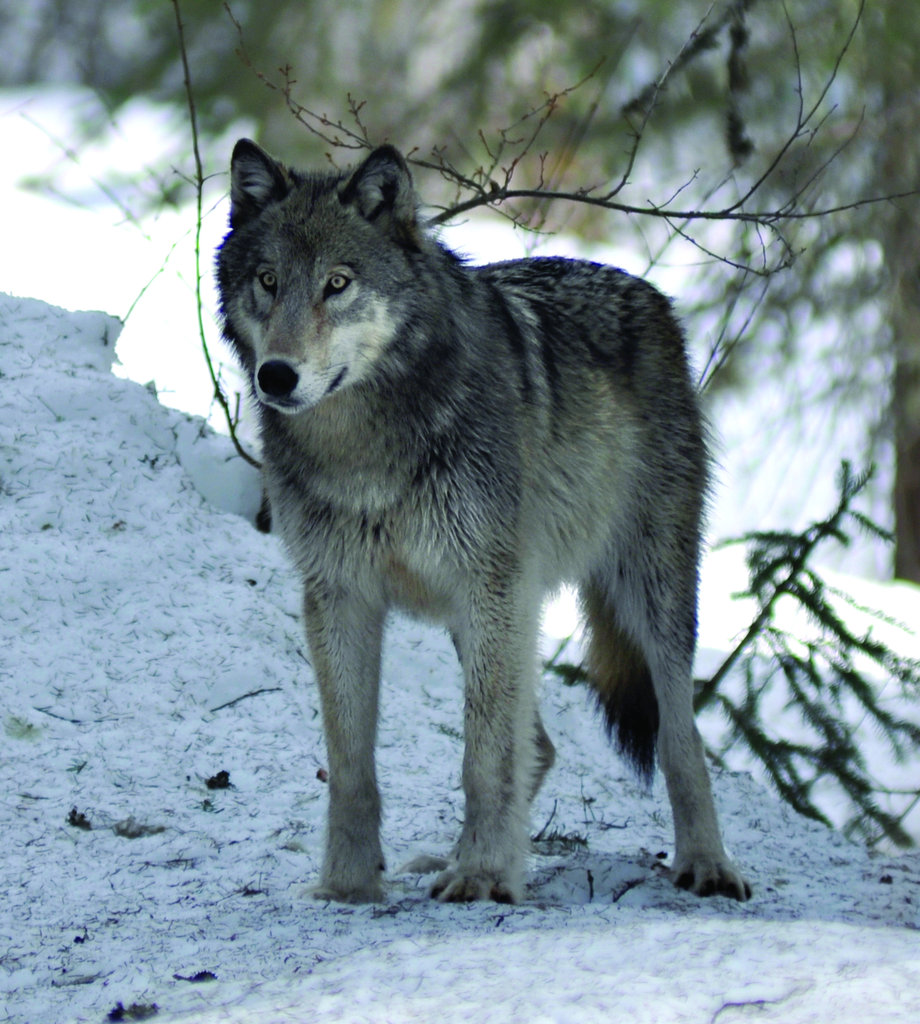
Greetings! With your support, Earthwatch’s Tracking Fire and Wolves Through the Canadian Rockies citizen science expedition is roughly half way through its second year of field research, which runs from May through the end of August. In 2015, 9 teams of 28 volunteers joined Dr. Cristina Eisenberg and her research team in Waterton Lakes National Park in Alberta to collect data on the dynamic relationship between fire, aspen, elk and wolves.
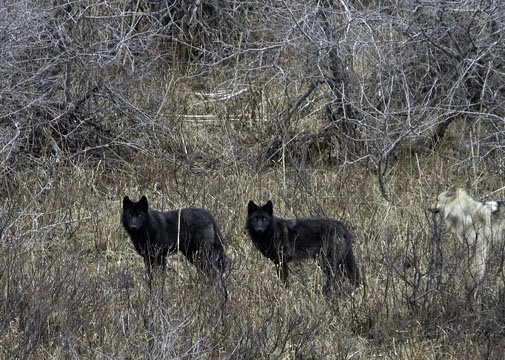
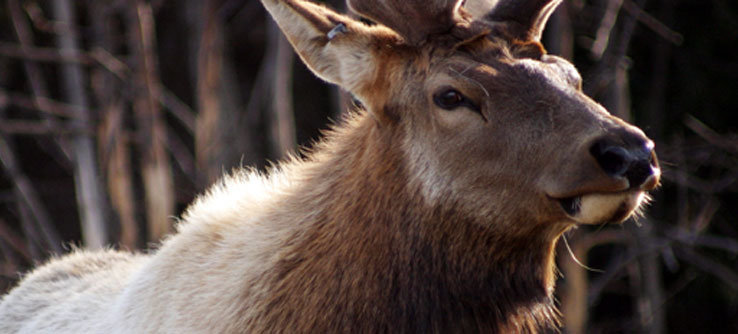
Fire increases both resources available to elk (aspen sprouts) and predation risk (thick post-fire vegetation that makes it hard for elk to detect and escape predators). By studying the effects of controlled burns across multiple sites, Dr. Eisenberg will answer the following research questions:
As is the case with any fire study, multiple years of data collection are necessary because it takes several years for the full ecological impacts of fires, which are quite complex, to develop. The goal of this project is to record at least a 5-year time series for each burn site. However, several key observations are already emerging.
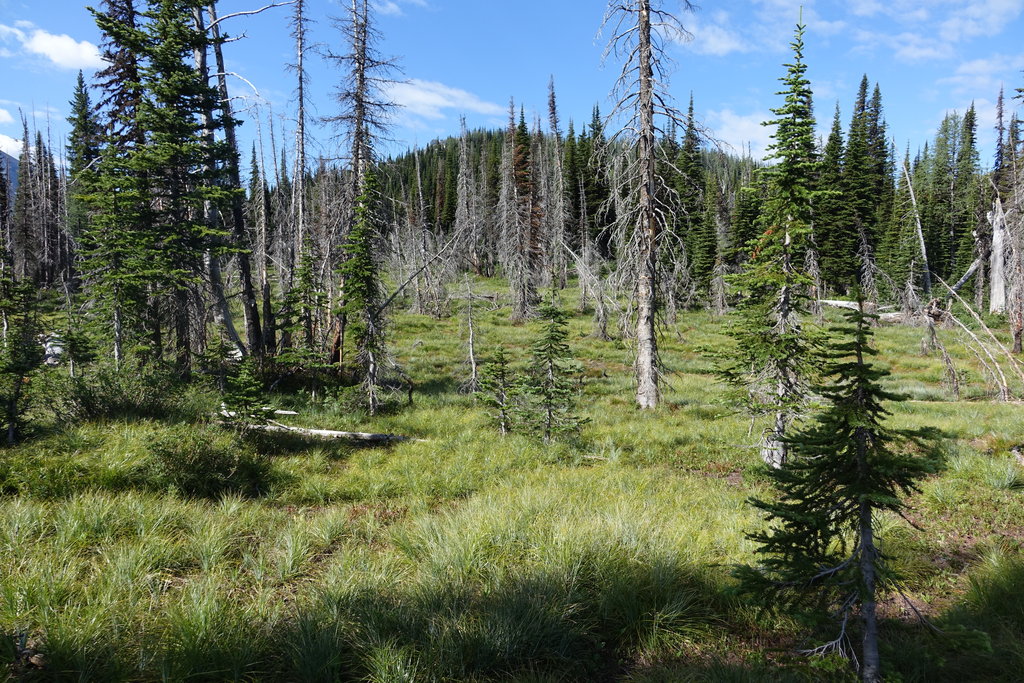
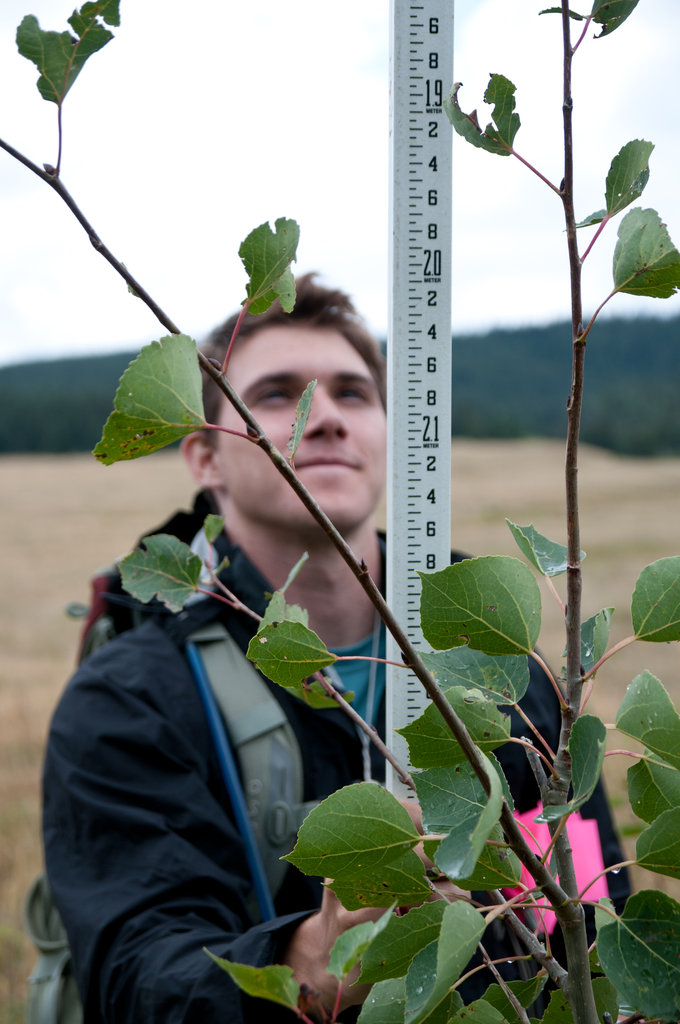
Prescribed fires stimulated vigorous sprouting of aspen, but didn’t kill significantly more trees than those that were dead before the fire. It also improved wildlife habitat. Post-fire, ecologically important native grasses were thriving and shrub biodiversity increased. Aspen sprouts, native grasses, and shrubs provide important foods for elk, deer, songbirds, and insects. Consequently, within ten weeks after one of these prescribed fires, one study site had turned into a wildlife magnet teeming with activity.
Other data show that between 2008 and 2015, the density of young recruiting aspen increased while the density of mature and senescent aspen declined. This could suggest several things: 1) elk are avoiding aspen and are eating more grass, which increases in nutritional quality post-fire. 2) there are so many aspen sprouts to eat, that elk impacts on these sprouts are proportionately lower; and 3) elk may be avoiding aspen sprouts because it is more difficult to escape predators when browsing in an aspen thicket that has grown more dense also as the result of the fire.
We look forward to expanding on these preliminary observations after data collection is complete for 2016. Thank you again for your support! Ecological restoration requires long-term research that wouldn’t be possible without the generosity and commitment of caring conservationists like you.
With gratitude,
Heather Wilcox
Director of Annual Giving & Advancement Services
hwilcox@earthwatch.org
978-450-1208
P.S. Remember, you don't just have to read about this research from afar... you can be at the center of the action as an Earthwatch research volunteer! Please follow the link below to see which teams are still accepting volunteers for 2016 and beyond.
Links:
Project reports on GlobalGiving are posted directly to globalgiving.org by Project Leaders as they are completed, generally every 3-4 months. To protect the integrity of these documents, GlobalGiving does not alter them; therefore you may find some language or formatting issues.
If you donate to this project or have donated to this project, you can receive an email when this project posts a report. You can also subscribe for reports without donating.



Support this important cause by creating a personalized fundraising page.
Start a Fundraiser