By Heather Wilcox | Director of Annual Giving & Advancement Services
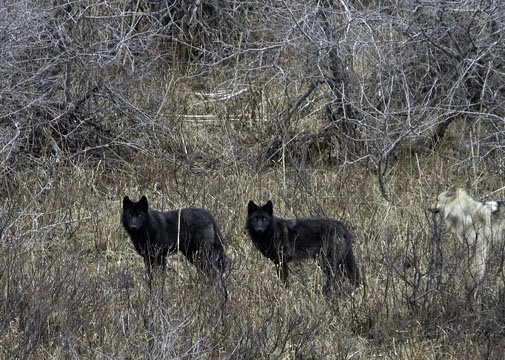
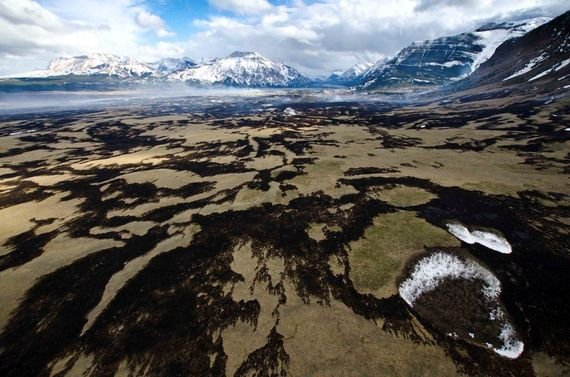
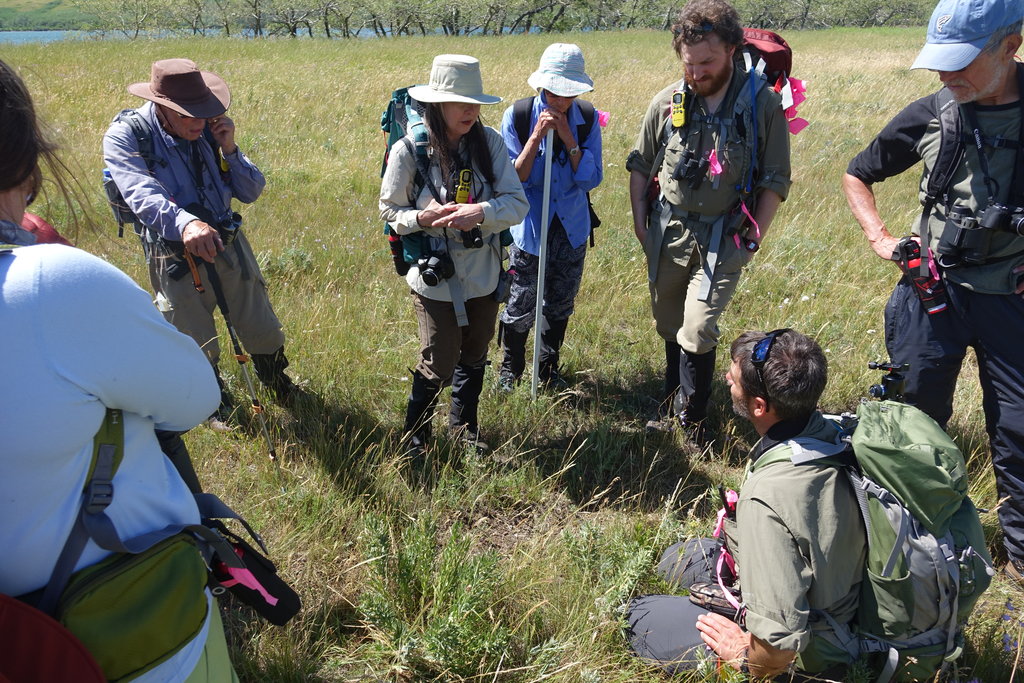
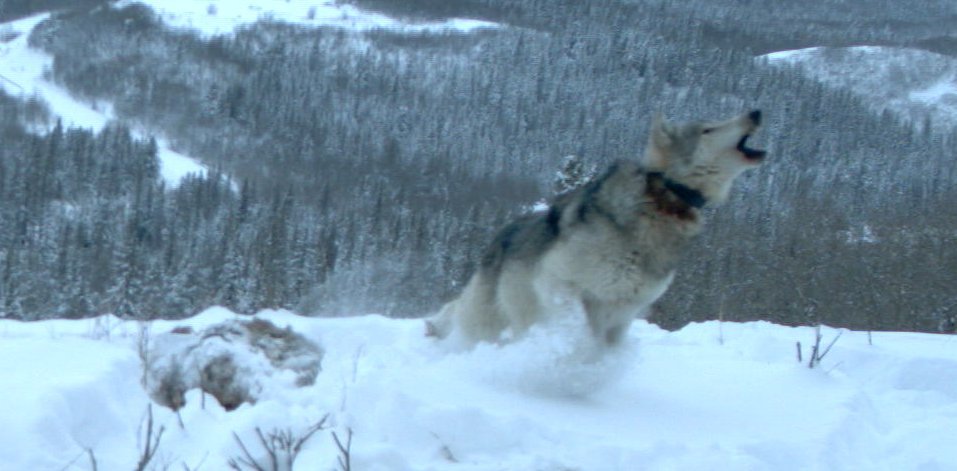
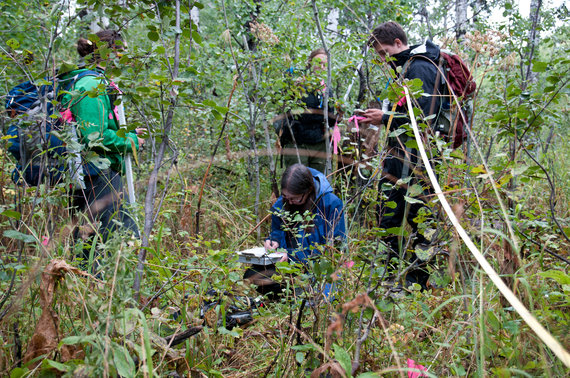
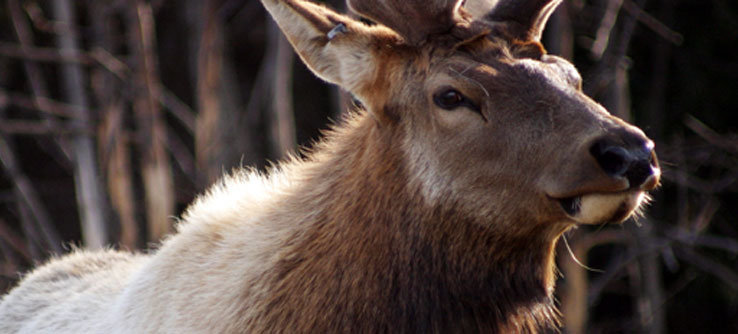
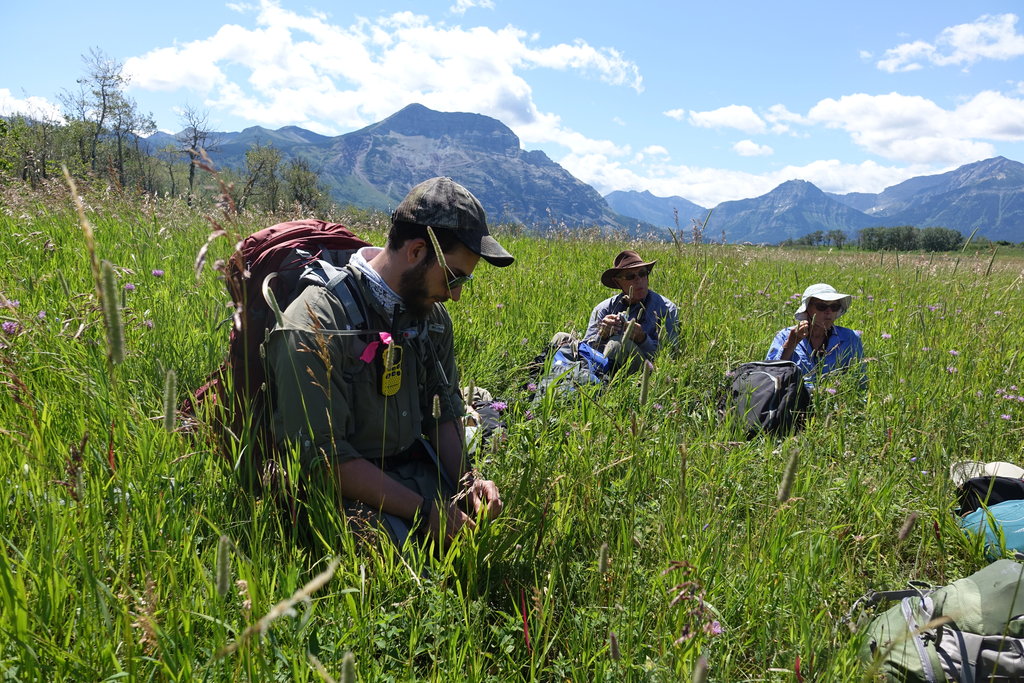
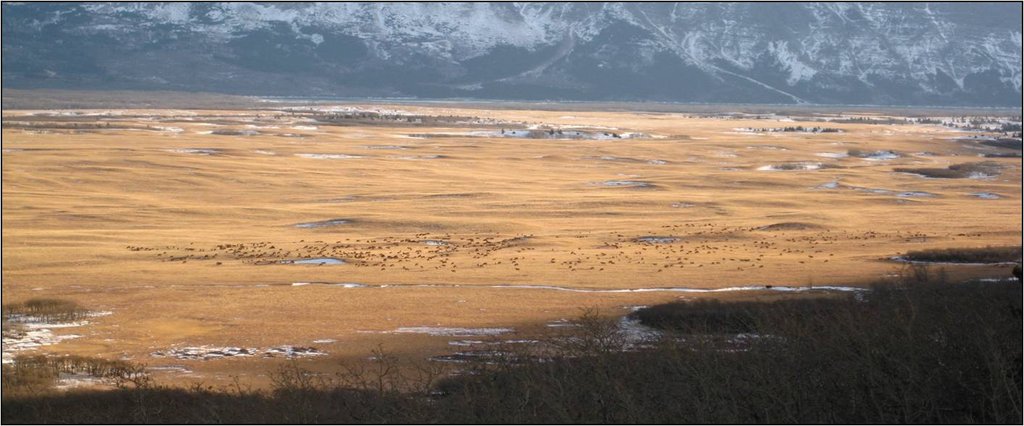
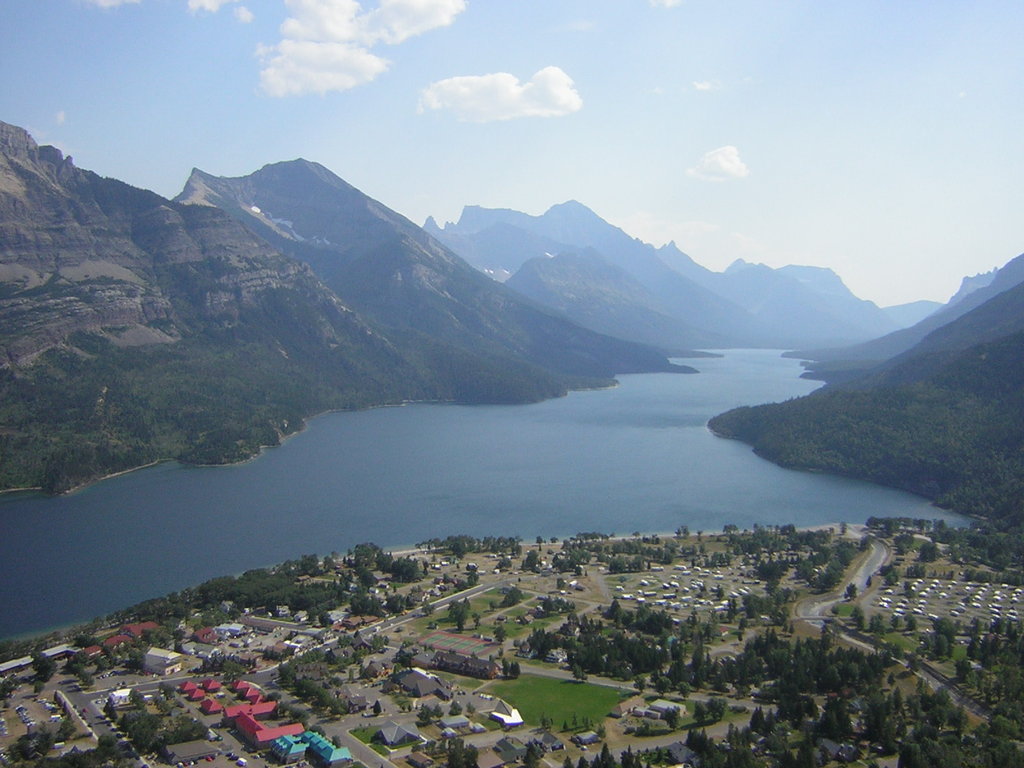
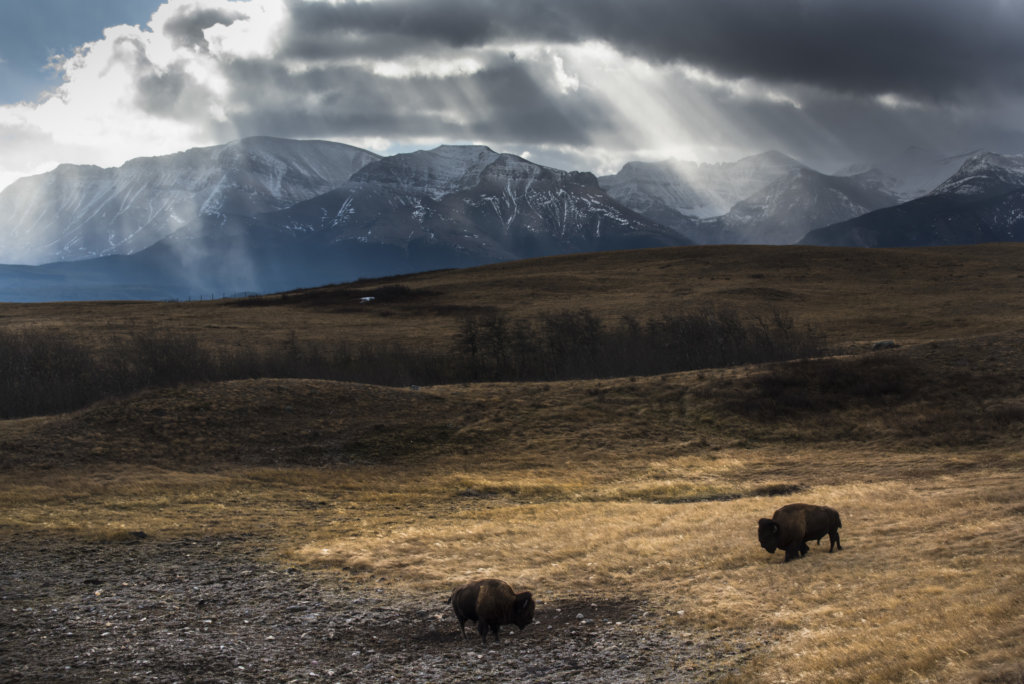
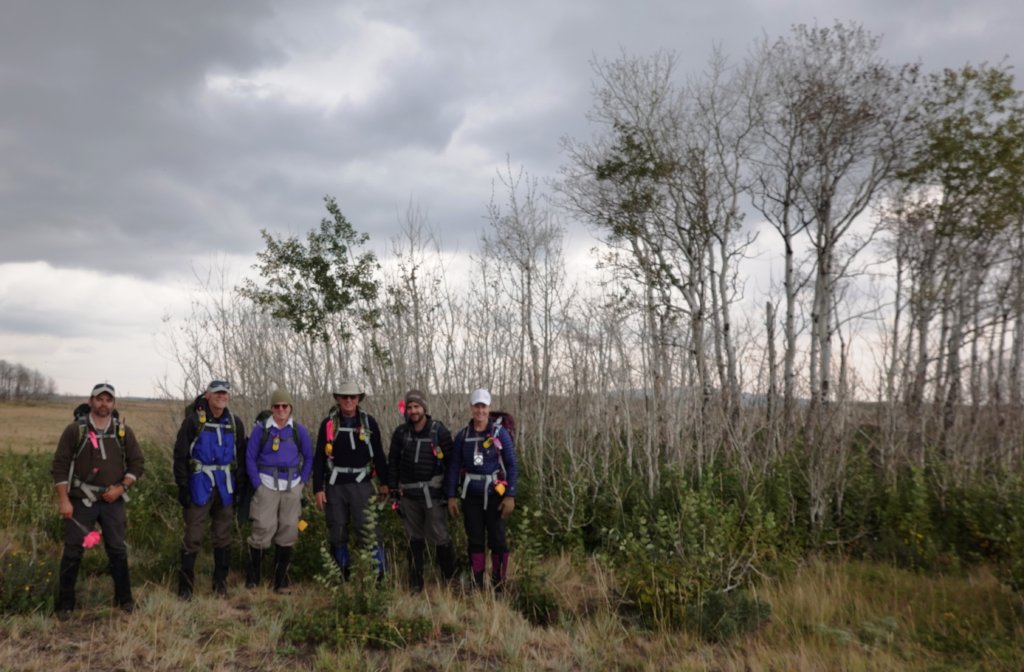
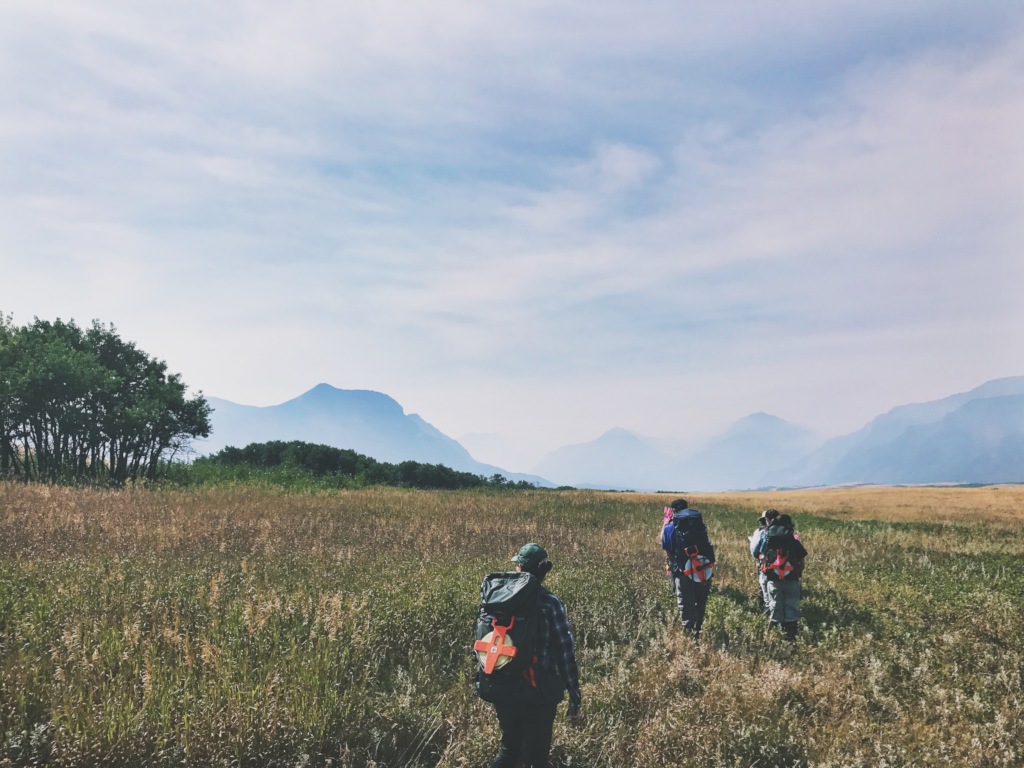
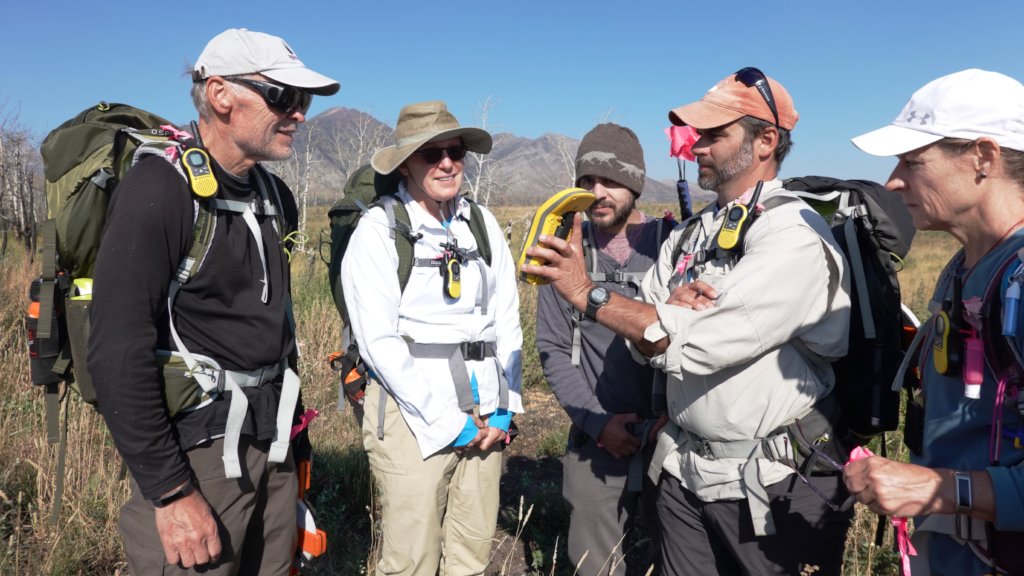
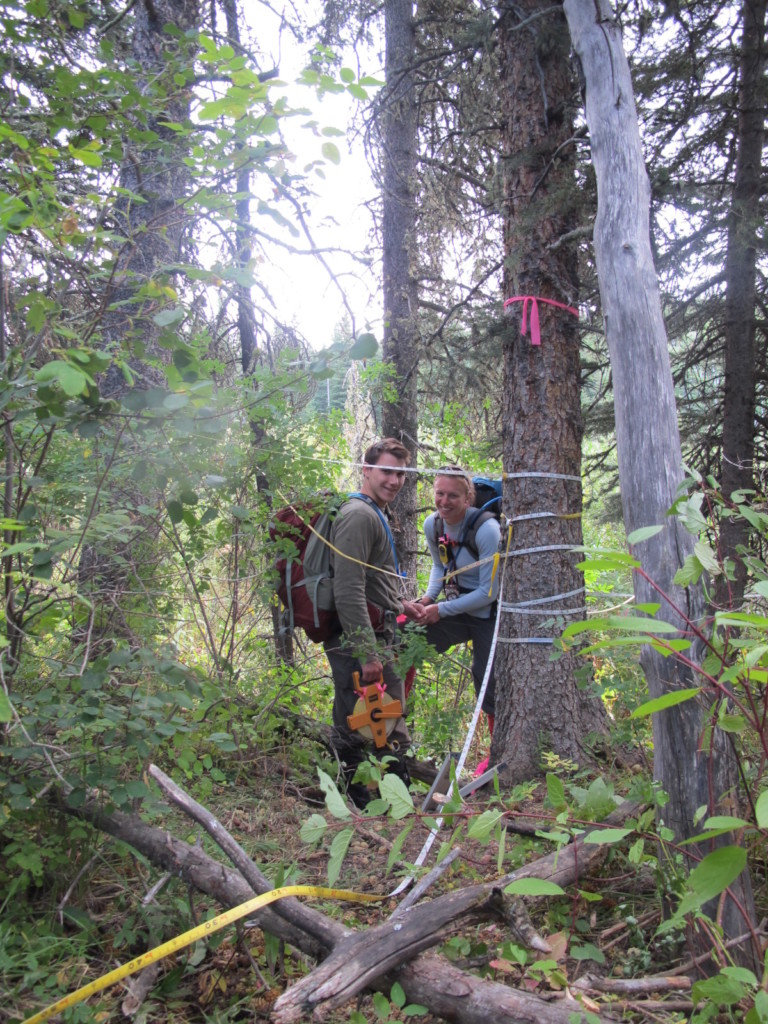
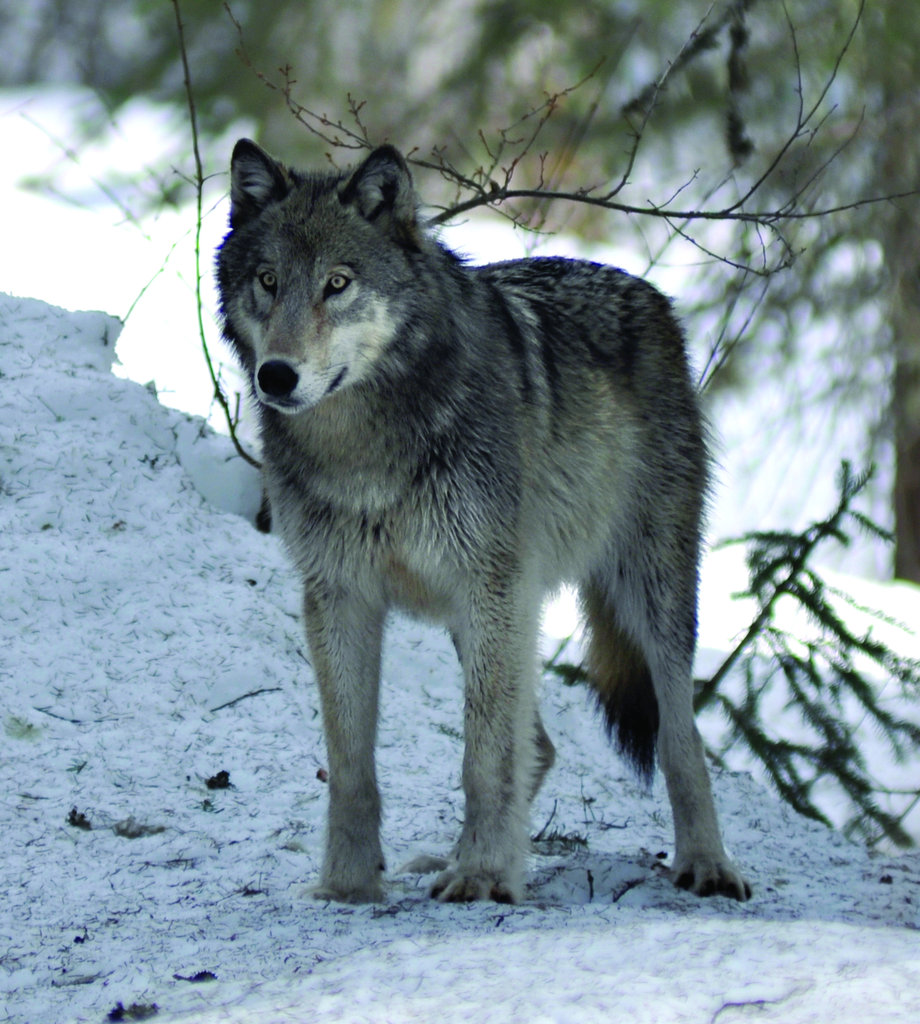
Earthwatch’s Restoring Fire, Wolves and Bison to the Canadian Rockies expedition has concluded research activities during its 3rd season, which ran from May – September. During this time, ten teams of volunteers joined Dr. Cristina Eisenberg and her staff to collect important data on the progress of rewilding efforts taking place in Waterton Lakes National Park, Alberta, Canada. Specifically, Dr. Eisenberg is studying the reintroduction of wolves, wildfires and bison to the region, all of which were key elements to sustaining a healthy and balanced alpine ecosystem, prior to their eradication by European settlers in the late 1880s.
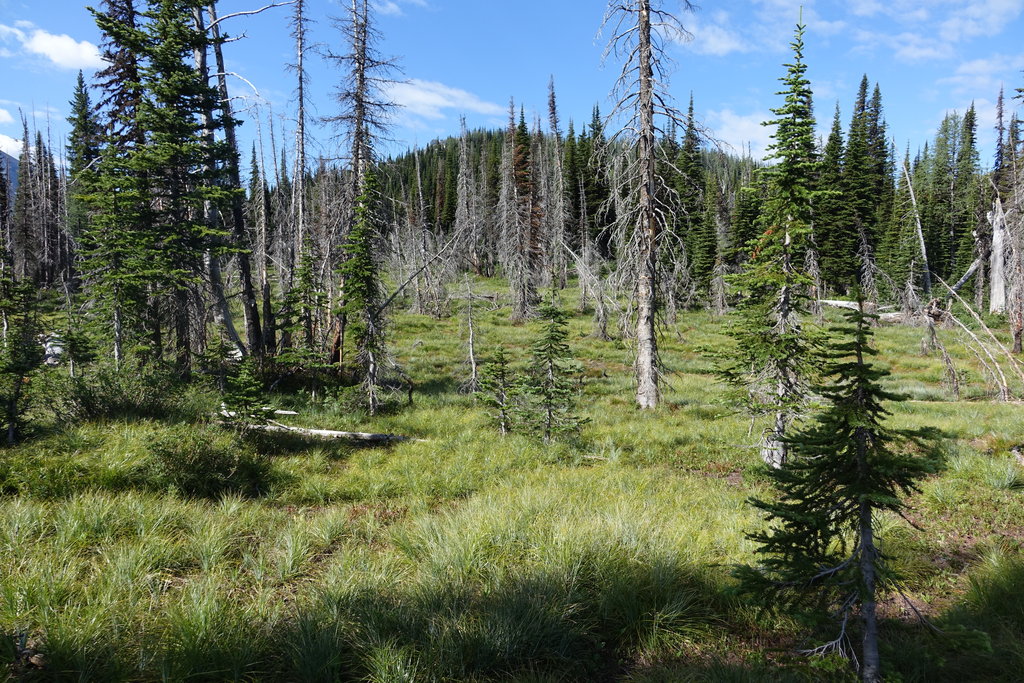
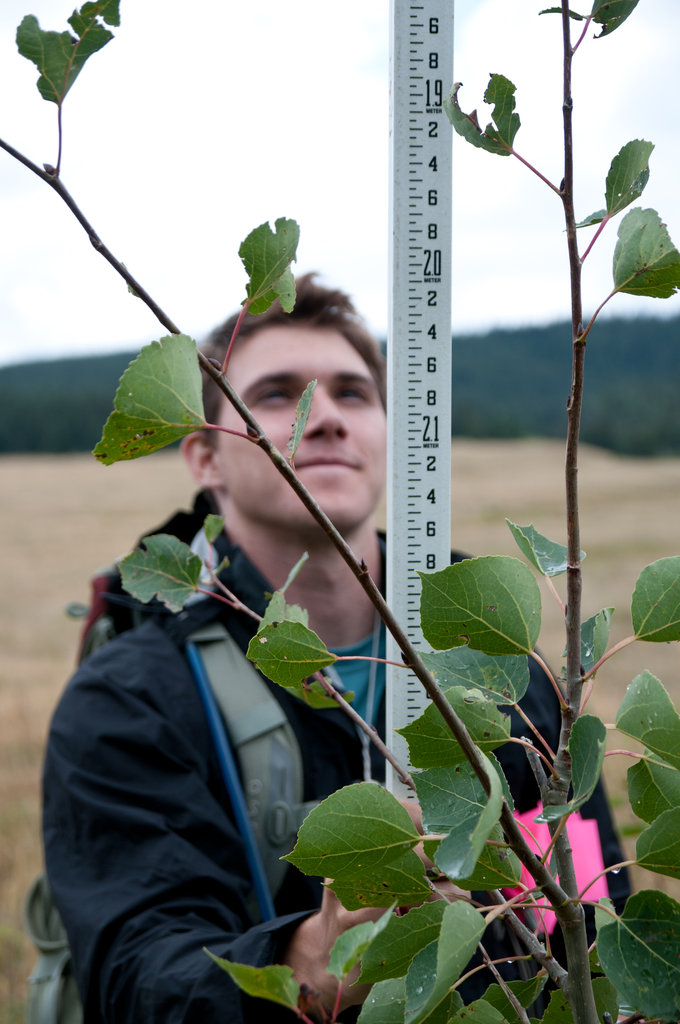
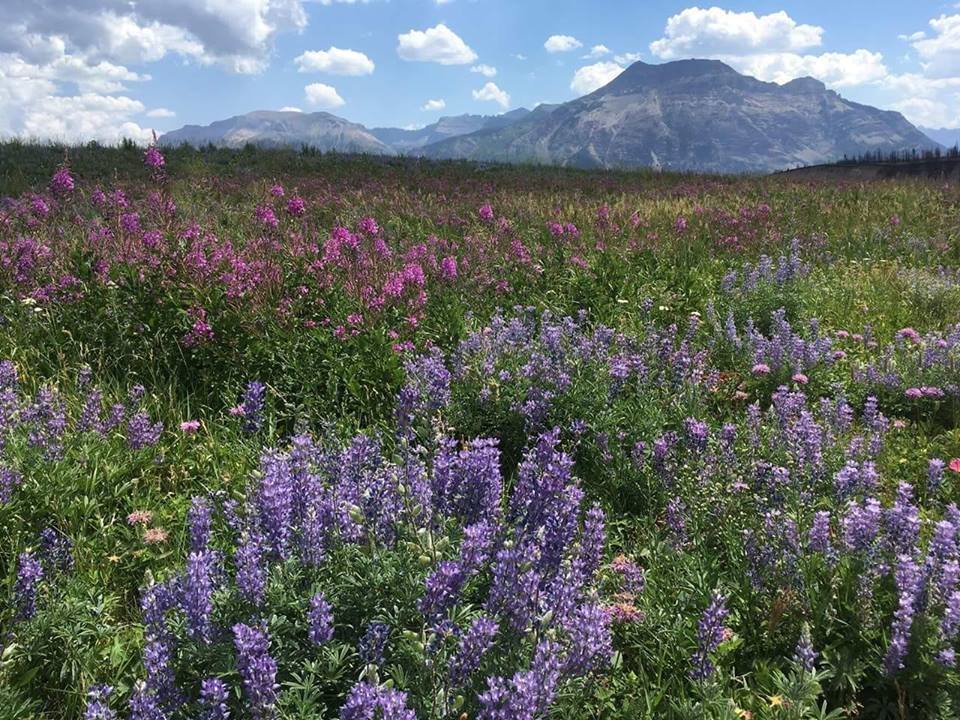
As wildfires increase in number and severity around the globe, understanding the ecological impacts of a fire such as the Kenow fire, which burned over 38,000 hectares in British Columbia last August and September, is crucially important to science. Wildfires occur naturally and fulfill critical ecosystem functions, with the positive ecological effects usually greater than the negative. Wildfires remove canopy cover, providing an opportunity for smaller, ground-based plants and tree saplings to establish.
These dynamic ecosystems evolved with fire, and will continue to change and adapt in response to natural forces. A complete understanding of the impact of this wildfire on the park’s ecology will take many years to assess. With the continued support of generous donors like you, Dr. Eisenberg’s work will contribute significantly to humanity’s understanding of big, severe fires, and of how to restore landscapes and create more resilient ecosystems in the aftermath of such fires.
We look forward to sharing findings from the 2018 season once data analysis is complete, in early 2019. In the meantime, thank you for all you do to support multi-year conservation studies like this one. Together, we are making a real difference in the fight to sustain our planet, one species, one donation, and one day at a time.
Wishing you and yours a joyous holiday season,
Heather Wilcox
Director of Annual Giving
978-450-1208
hwilcox@earthwatch.org
P.S. Remember - you don't just have to read about this research from afar... you can be at the center of the action as an Earthwatch research volunteer! Follow the link below to see which teams are still accepting volunteers in 2019.
Links:
Project reports on GlobalGiving are posted directly to globalgiving.org by Project Leaders as they are completed, generally every 3-4 months. To protect the integrity of these documents, GlobalGiving does not alter them; therefore you may find some language or formatting issues.
If you donate to this project or have donated to this project, you can receive an email when this project posts a report. You can also subscribe for reports without donating.



Support this important cause by creating a personalized fundraising page.
Start a Fundraiser