By Heather Wilcox | Director of Annual Giving & Advancement Services
Thank you for supporting Earthwatch’s Restoring Fire, Wolves and Bison to the Canadian Rockies research expedition. Dr. Cristina Eisenberg has concluded her analysis for 2017, the second year of data collection with Earthwatch volunteers. This past season was particularly eventful, when September wildfires burning in Montana and Alberta, Canada led to the evacuation of Earthwatch volunteers and staff, park visitors and residents. The flexibility, resilience, and positivity of our volunteers, who continued performing research tasks albeit on a modified schedule, encapsulated the true Earthwatch spirit.
Below, Dr. Eisenberg reflects on this memorable season:
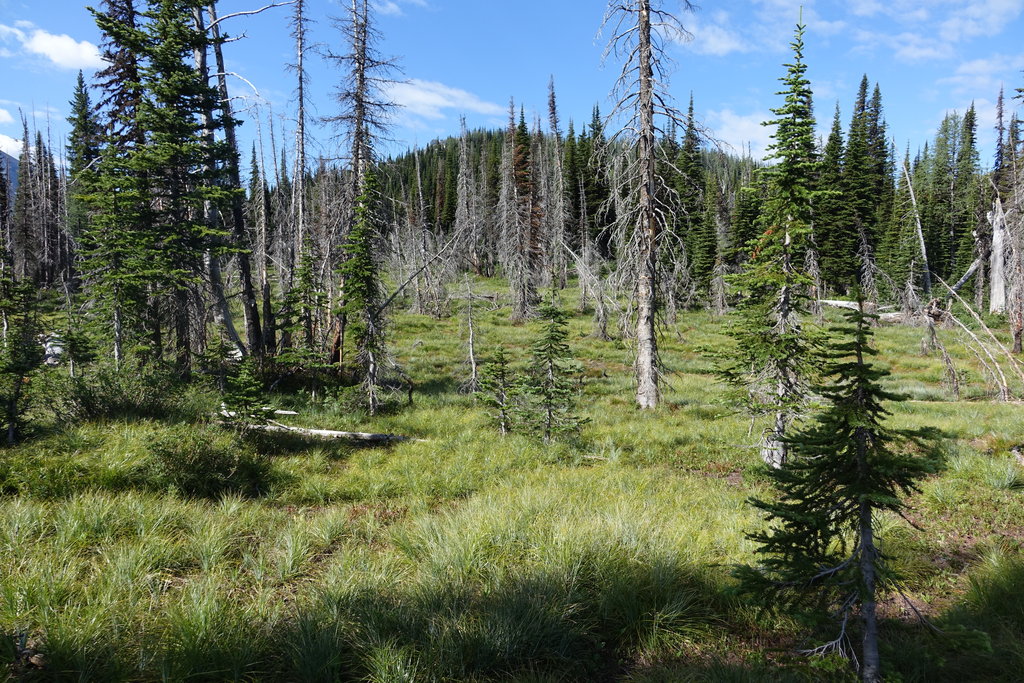
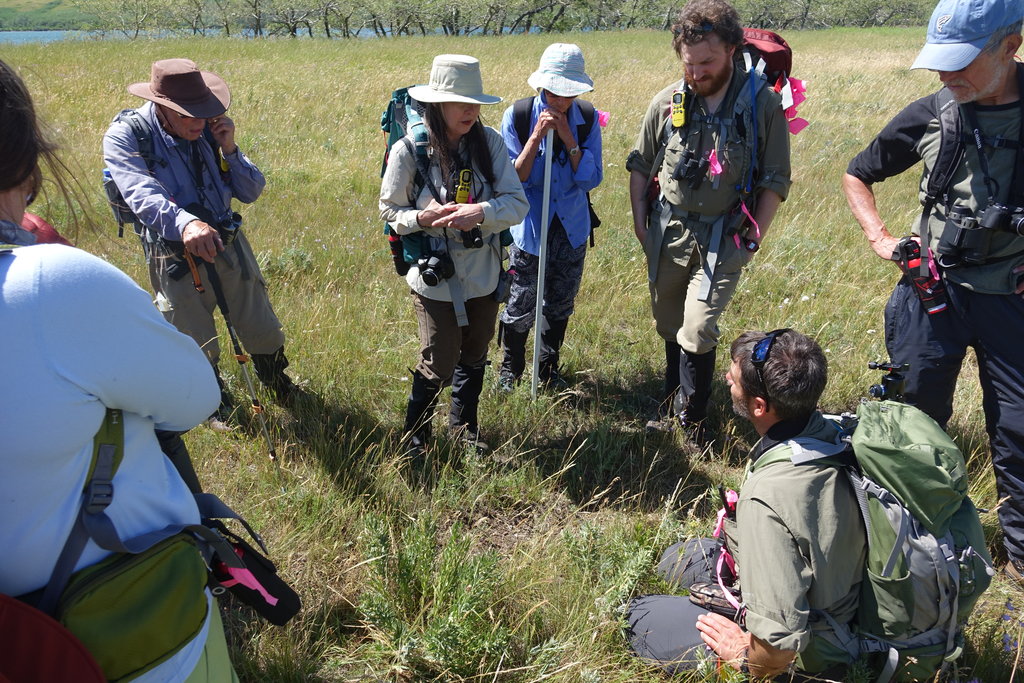
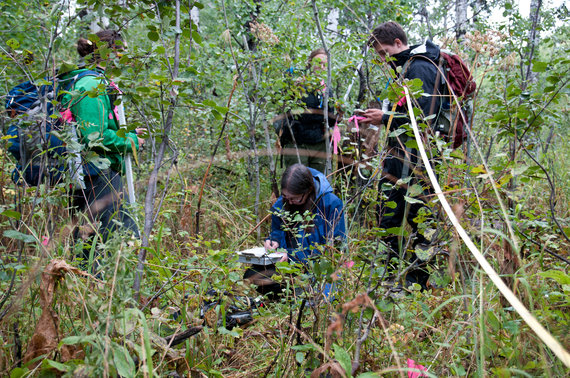
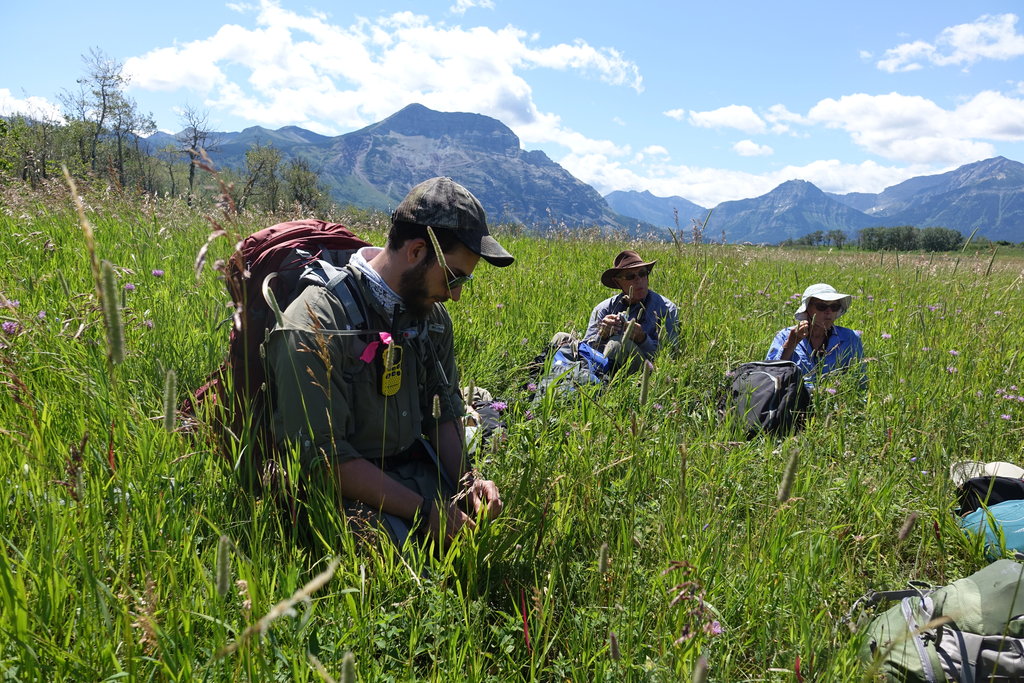
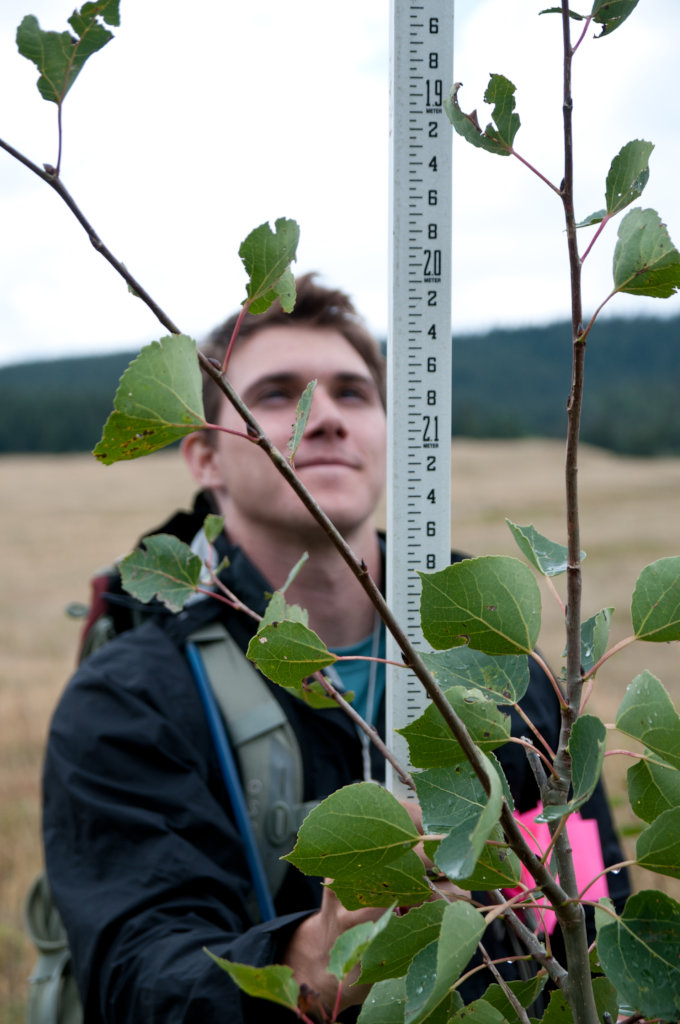
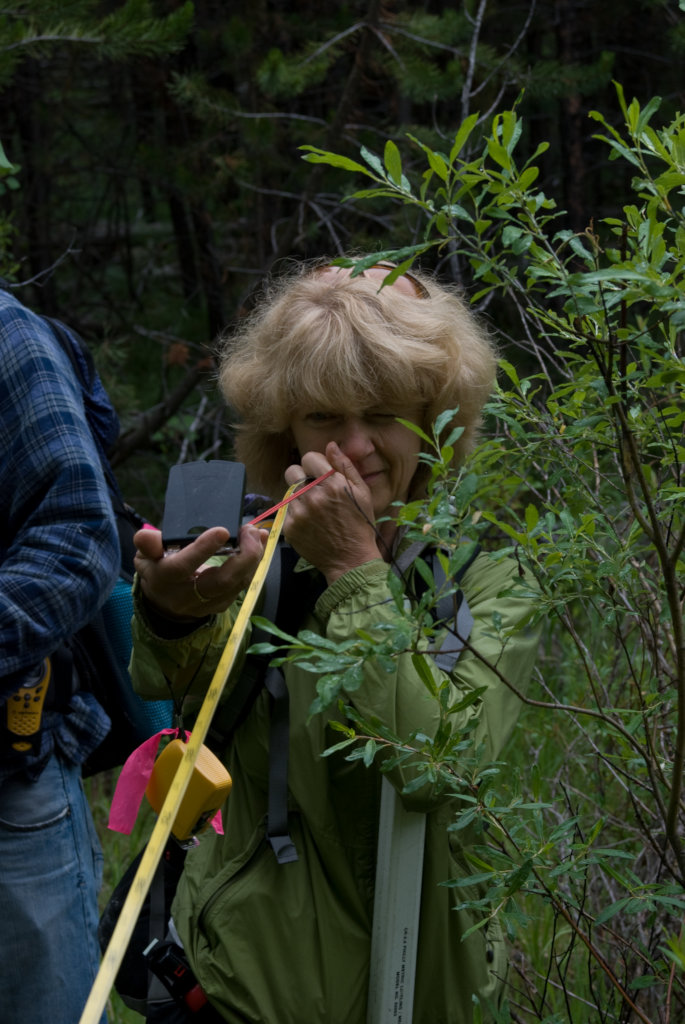
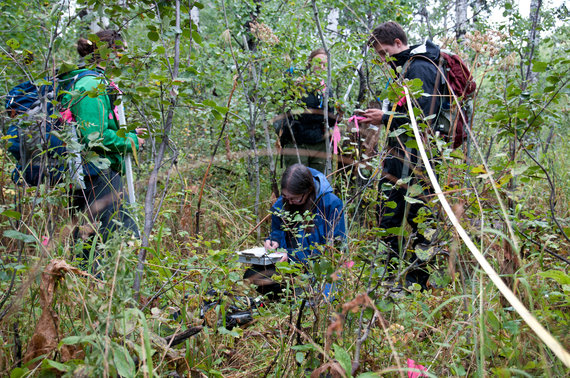
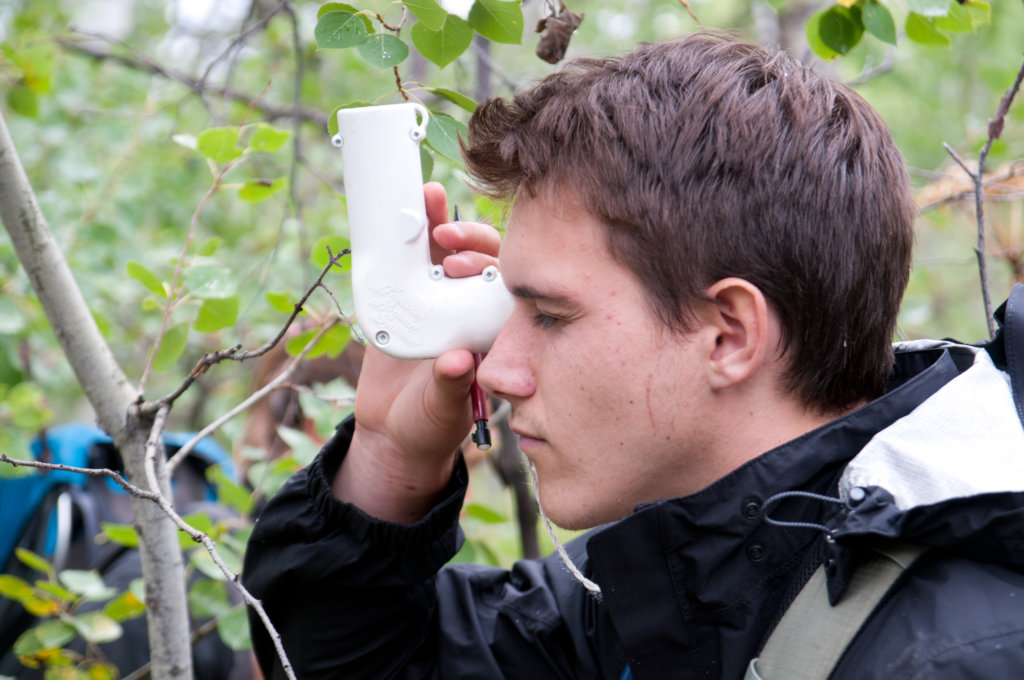
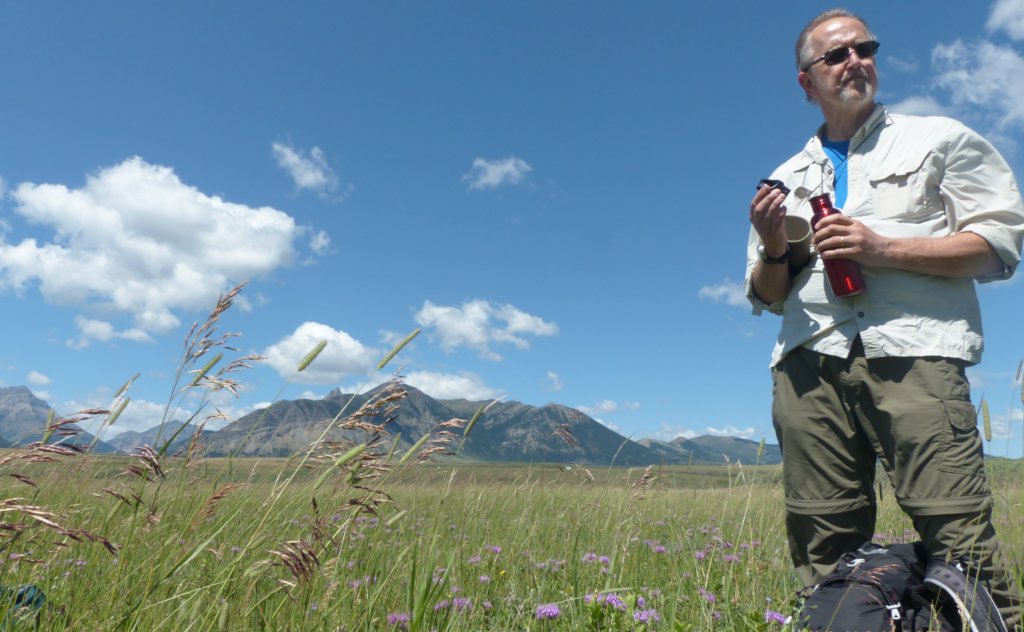
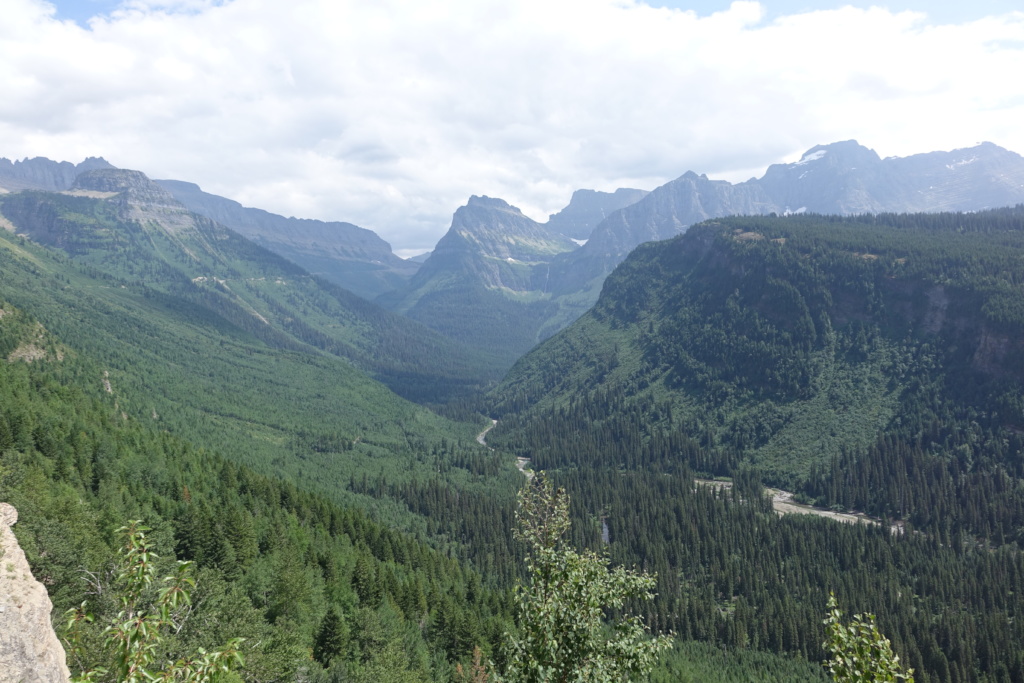
In the 2017 field season, 60 Earthwatch volunteers worked alongside my co-PIs David Hibbs and Curtis Edson, graduate student Chris Anderson, our field technicians, and me as we expanded our work onto the Kainai First nation (Blackfoot) historic tribal timber land, and also collected data in the park. The large, high-quality dataset that was collected directly supported ecological restoration at both sites. Last summer, Earthwatch volunteers were critical to our ability to capture the ideal baseline for the Kenow fire, a large, lightning-caused wildfire that unexpectedly burned our entire study site at the very end of our field season, thereby changing our research landscape and creating new “burning” questions for 2018.
Because wildfires are increasing in severity globally, understanding the ecological impacts of a fire such as the Kenow fire is crucially important to science. But it takes LOTS of field data before and after such a fire, combined with state-of the-art remotely sensed data (e.g., LiDAR) to understand these impacts. Thanks to you and other Earthwatch citizen scientists, our project will be contributing significantly to humanity’s understanding of big, severe fires, and how to restore landscapes and create more resilient ecosystems in the aftermath of such fires. In 2018, we will be asking how the effects of wildfire differ from the effects of very carefully controlled prescribed fire set by humans— and how plant and animal community responses to these two types of fire might differ.
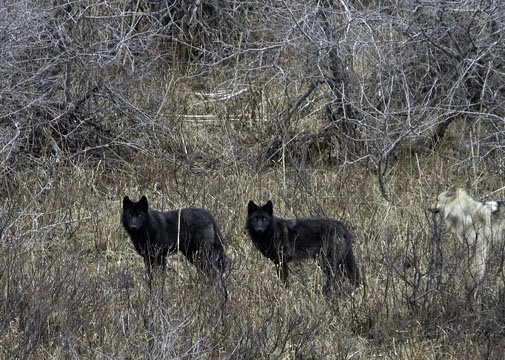
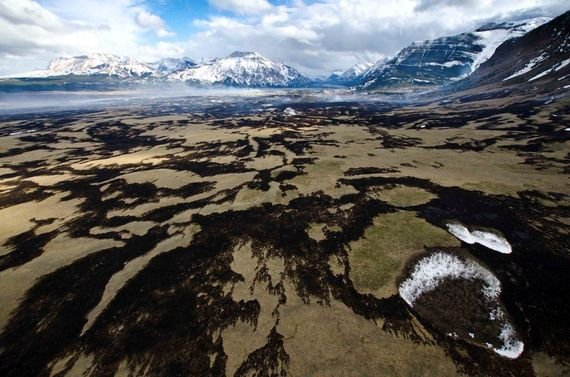
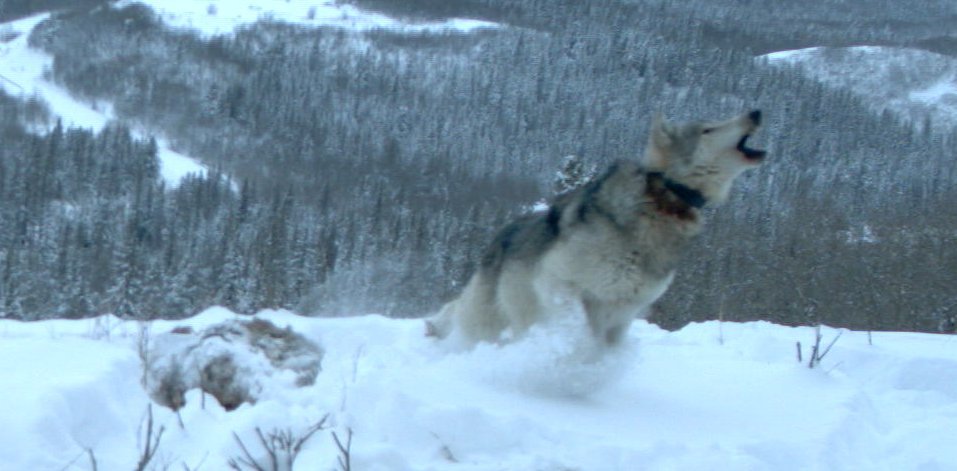
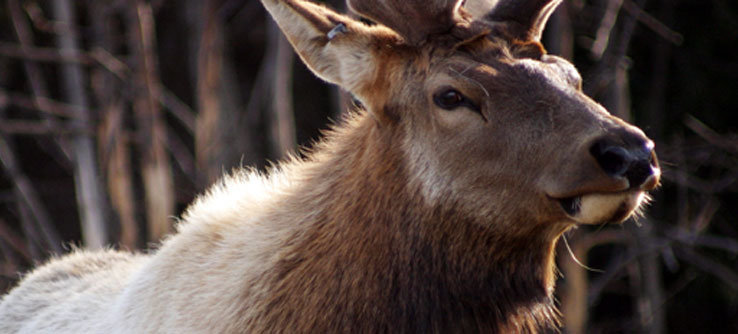
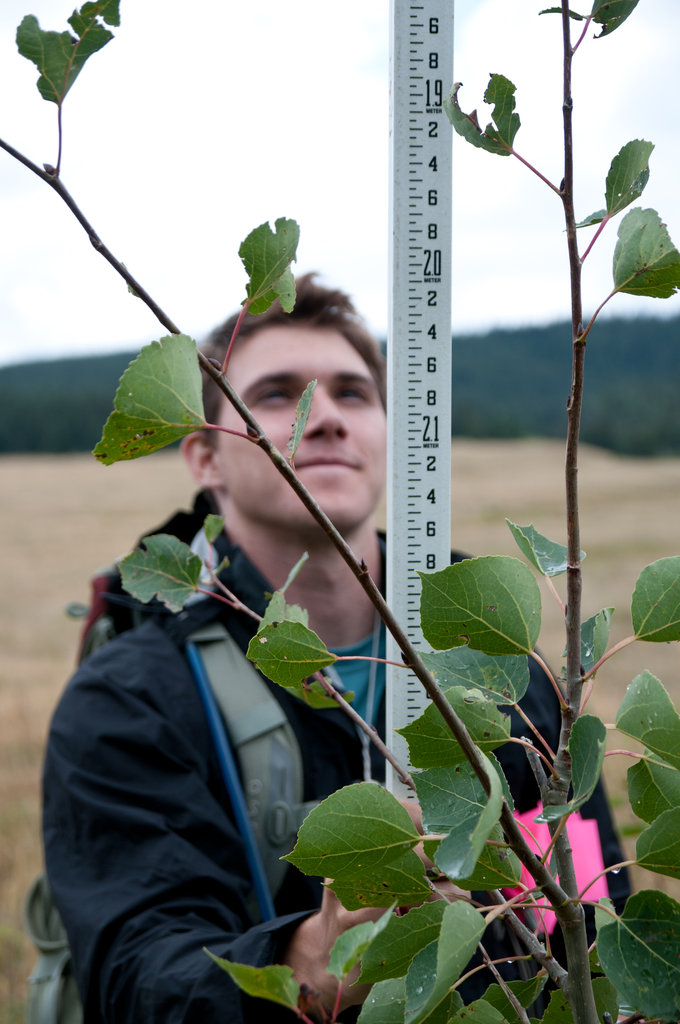
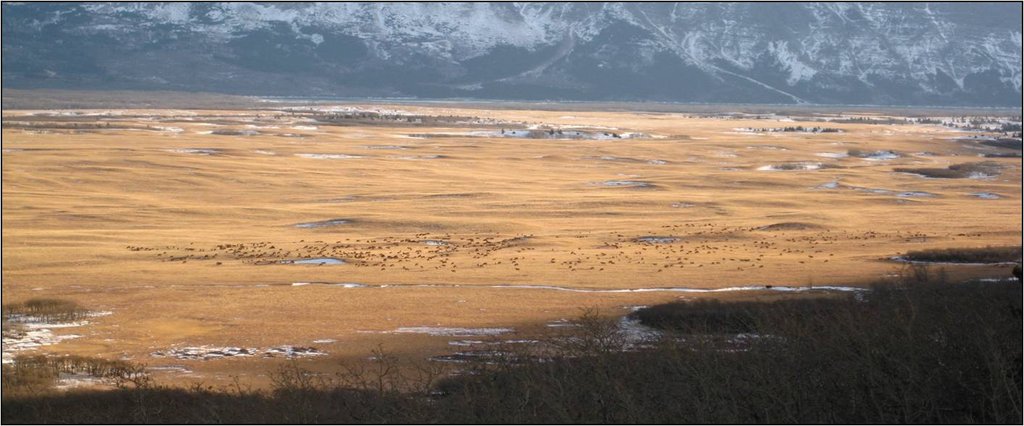
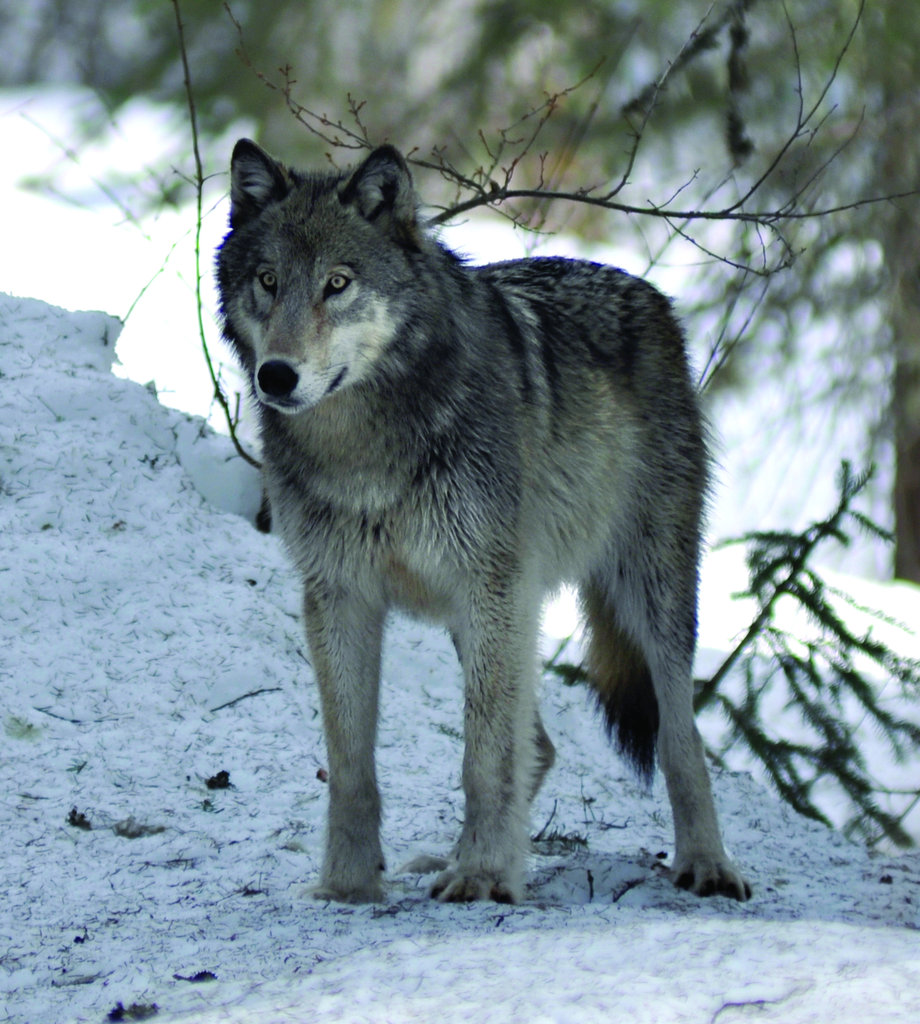
Our 2017 data show many interesting things, such as that elk continue to be ten times more abundant than deer in this system. Together we learned that prescribed fire creates more open, diversely structured aspen stands and that elk browsing on burned aspen continues to decline and stay low, likely due to a variety of factors, including plant defenses and risk of predation by wolves. To underscore this, within aspen stands we found multiple carcasses of fresh, wolf-killed elk. You helped us discover that the Eskerine prairie is so healthy that it continues to be nearly completely composed of native grass species. You also helped us identify places where the prairie is at risk and needs to be restored, to improve important habitat for bison.
This year we entered the second year of the Kainai First Nation Community Fellows Program. We were delighted to have teachers and community members from the tribe join us as Earthwatch team members. They shared important Traditional Ecological Knowledge insights on our research and provided much inspiration for all, supported by our Kainai field technicians, Elliot Fox, Diandra Bruised Head, Alex Shade, and Dustin Fox. We are thrilled that this program will be growing significantly in 2018.
So until next field season, our heartfelt thanks to each of you for all you contributed to our project. Wherever life leads you, may you find opportunities to advance conservation, to take action to help restore landscapes and their species, and in so doing have amazing adventures. My colleagues and I are honored to have your support.
Sincerely,
Dr. Cristina Eisenberg
Earthwatch Chief Scientist
Want to learn more? Follow the link below to read the full results and conclusions of the 2017 research season. And remember - you don't just have to read about this research from afar... you can be at the center of the action as an Earthwatch research volunteer! Visit the expedition sign up page to see which teams are still accepting volunteers in 2018.
Thank you again for your generosity and commitment to rewilding North America!
With gratitude,
Heather Wilcox
Director of Annual Giving & Advancement Services
hwilcox@earthwatch.org
978-450-1208
Links:
Project reports on GlobalGiving are posted directly to globalgiving.org by Project Leaders as they are completed, generally every 3-4 months. To protect the integrity of these documents, GlobalGiving does not alter them; therefore you may find some language or formatting issues.
If you donate to this project or have donated to this project, you can receive an email when this project posts a report. You can also subscribe for reports without donating.



Support this important cause by creating a personalized fundraising page.
Start a Fundraiser