By Camilla Capel | Development Executive
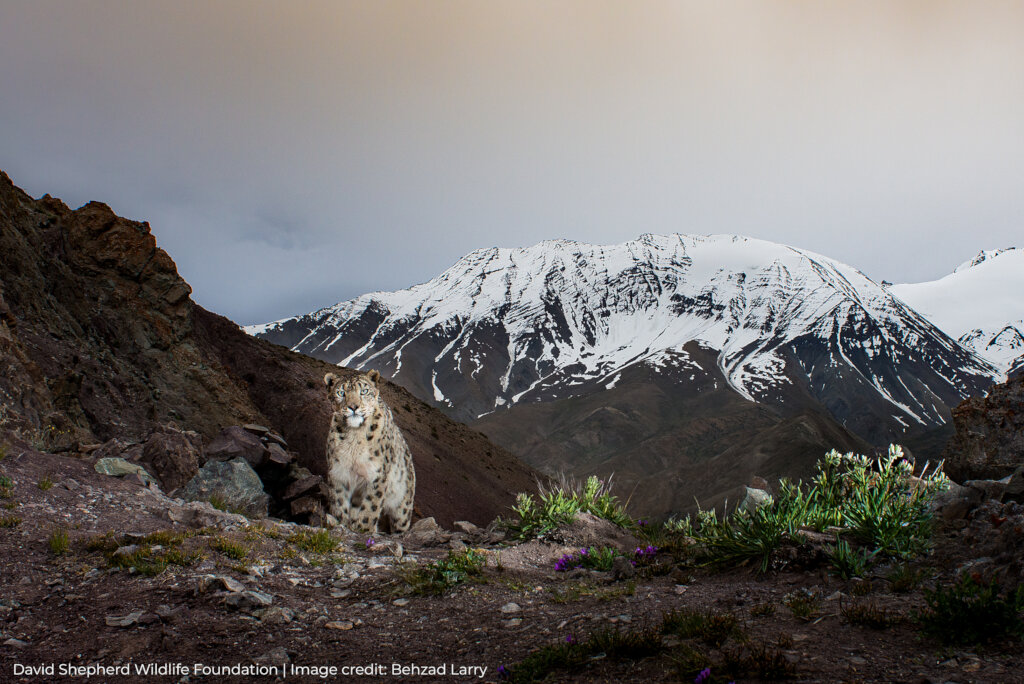
Snow leopards are rarely seen, but their future depends on very visible human choices: whether herders can earn an income without losing tolerance for predators, whether children grow up valuing mountain wildlife, and whether researchers can better understand how these elusive cats move across vast landscapes.
This year, your support helped conservation partners in Mongolia and Kyrgyzstan combine science, education and community action to create a stronger future for snow leopards and the people who share their habitat.
Mongolia: tracking cats and supporting communities
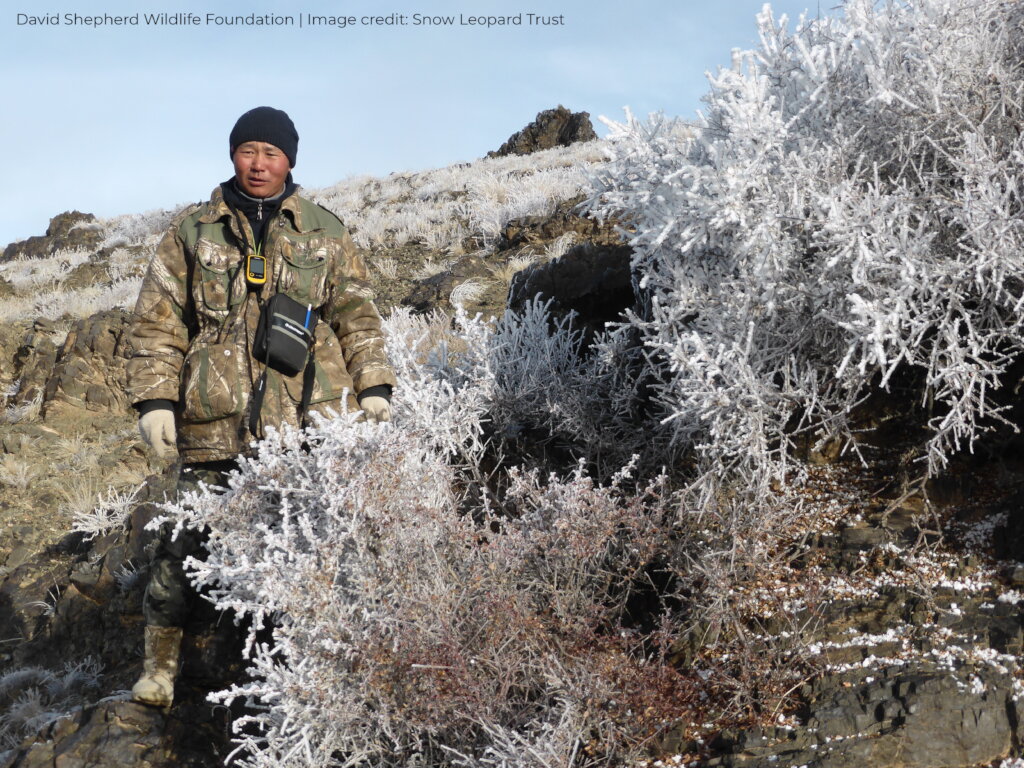
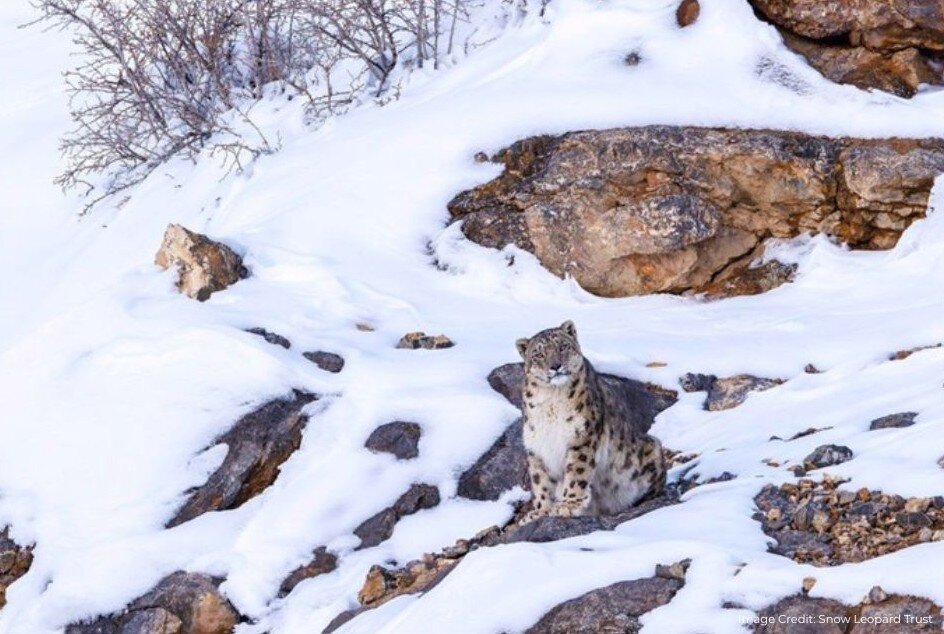
In Mongolia, DSWF funding supported long term monitoring and research by the Snow Leopard Trust. During the reporting period, researchers collared four new snow leopards, bringing the total to seven actively monitored cats. They also collected data from 149 GPS cluster sites, including 122 resting sites and 27 kill sites, helping to build a clearer picture of how snow leopards use the landscape.
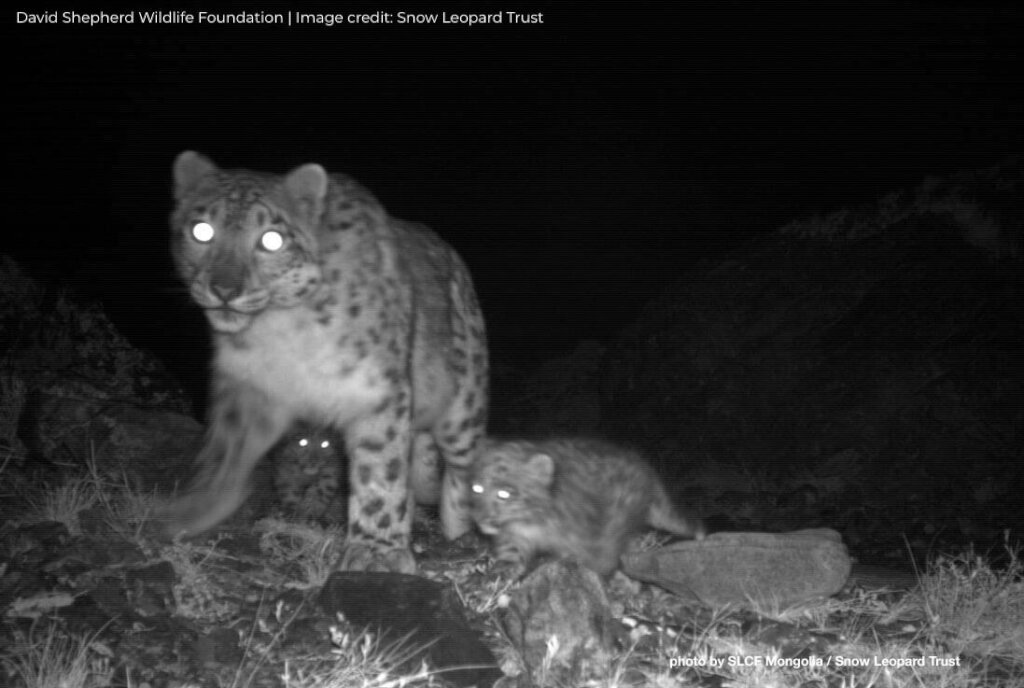
Camera trapping and wildlife monitoring generated further valuable insights. Between 40 and 45 camera traps were rotated across study sites, supporting monitoring of an estimated 20 resident adult snow leopards within Tost Nature Reserve. Surveys recorded multiple breeding females and at least seven cubs born in 2024, encouraging signs for the population.
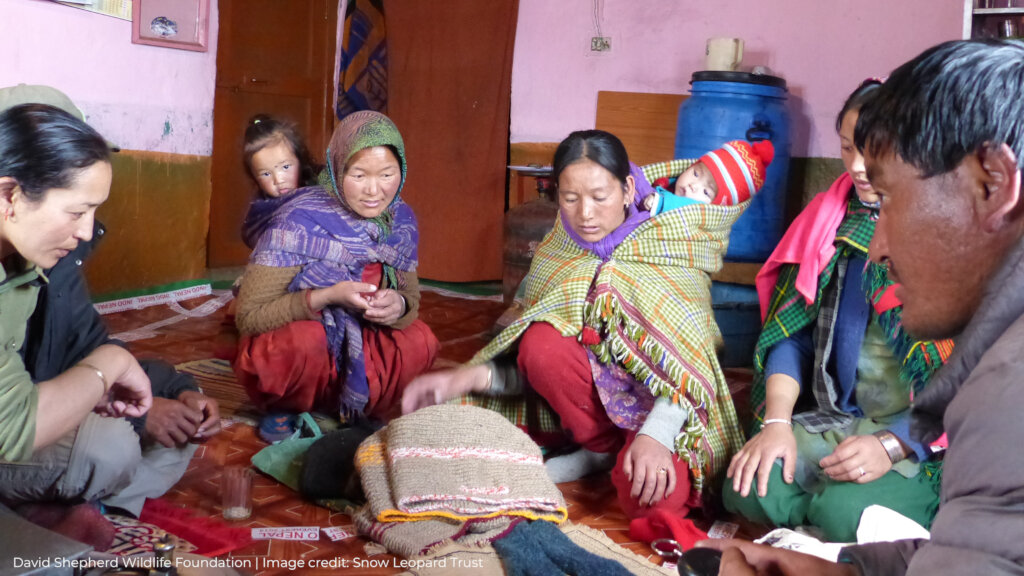
Alongside research, community conservation continued to play a central role. Through Snow Leopard Enterprises, 117 women from 23 communities took part in handicraft production, with the Snow Leopard Trust purchasing more than 10,000 wool products. Participants earned an average of £90 each, including conservation bonuses awarded because no snow leopards or wild prey were reported illegally killed within participating community areas.
The programme also delivered training to 73 women and supported community-led initiatives including an eco-toilet at a tourism site, school library resources and an educational eco-camp for 130 children. The Nomadic Trunk programme was also launched, with 30 community rangers trained to deliver educational materials and games on local ecology to around 150 households across two provinces.
Kyrgyzstan: taking snow leopard education national
In Kyrgyzstan, DSWF support helped connect remote mountain communities with conservation education while improving understanding of snow leopard populations through camera trapping and monitoring.
A major achievement was the expansion of conservation education from local schools into the national education system. A snow leopard themed English lesson plan was distributed to more than one thousand teachers nationwide. The Snow Leopard Trust also worked with the Ministry of Education to integrate snow leopard ecology, habitat conservation, food webs and adaptation into new Grade 5 and Grade 7 textbooks expected to reach approximately 300,000 students.
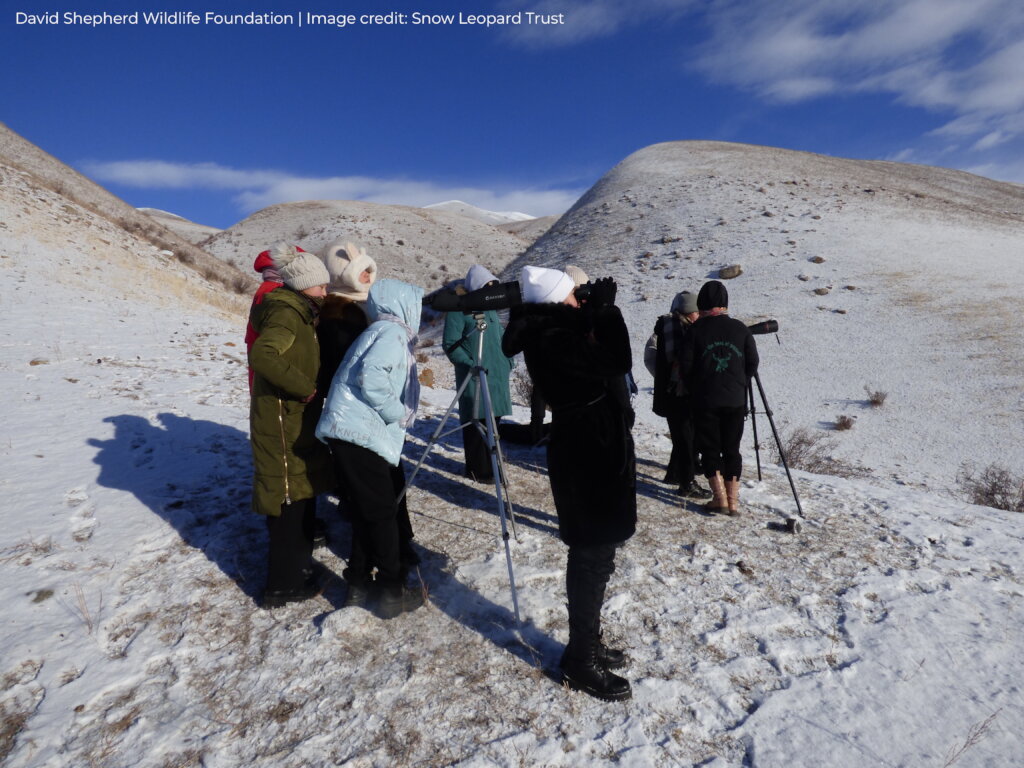
At community level, 432 students from 22 rural schools took part in WhatsApp based environmental education activities, with an 88% participation rate among registered Grade 7 students. Around 200 children joined conservation lectures and presentations, 40 students attended nature excursions and 80 students participated in summer eco-camps. For one eco-camp group, the experience became particularly memorable when they spotted a wild snow leopard, a rare encounter that brought their learning vividly to life.
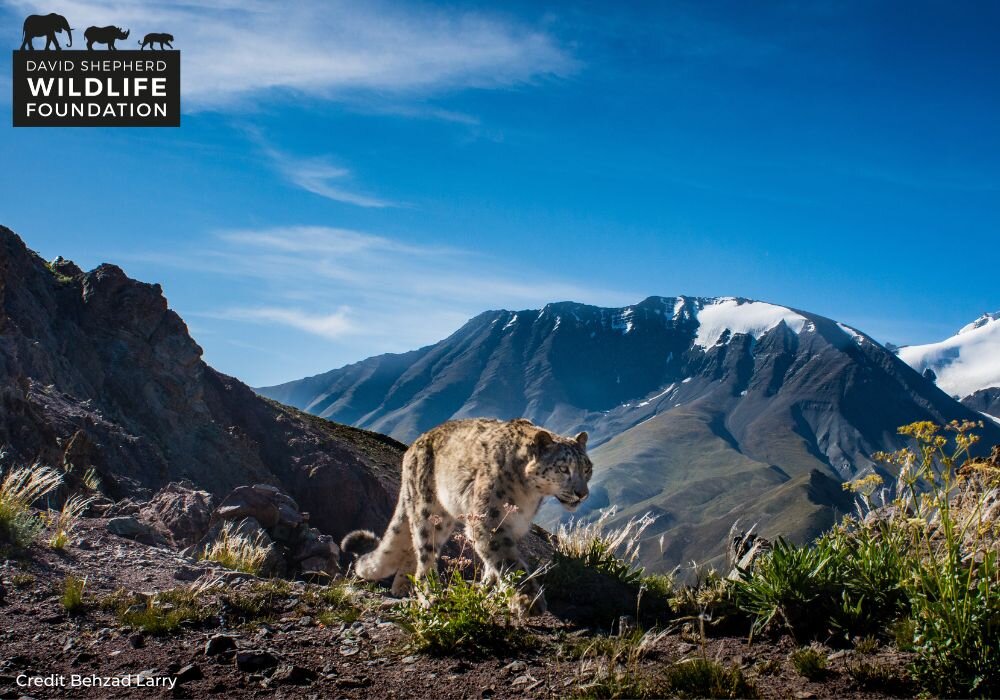
Monitoring work also continued across the mountains. Forty camera traps contributed to surveys covering 4,743 km² of snow leopard habitat. Analysis from Sarychat-Ertash Nature Reserve identified 19 adult snow leopards and five cubs, while surveys in the Kyrgyz Ala-Too range confirmed six adult snow leopards and one sub-adult.
Looking ahead
Thank you for helping protect snow leopards through science, education and sustainable livelihoods. Your support is helping researchers better understand these elusive cats, empowering communities to become conservation partners and inspiring the next generation of mountain conservationists.
Project reports on GlobalGiving are posted directly to globalgiving.org by Project Leaders as they are completed, generally every 3-4 months. To protect the integrity of these documents, GlobalGiving does not alter them; therefore you may find some language or formatting issues.
If you donate to this project or have donated to this project, you can receive an email when this project posts a report. You can also subscribe for reports without donating.



Support this important cause by creating a personalized fundraising page.
Start a Fundraiser