By Megan Whittington | Director of Marketing, Media, and Impact
Dear supporters,
It has been a busy winter, so we thought we'd share a few highlights from the month of July below:
Rhino Monitor Training in Malawi
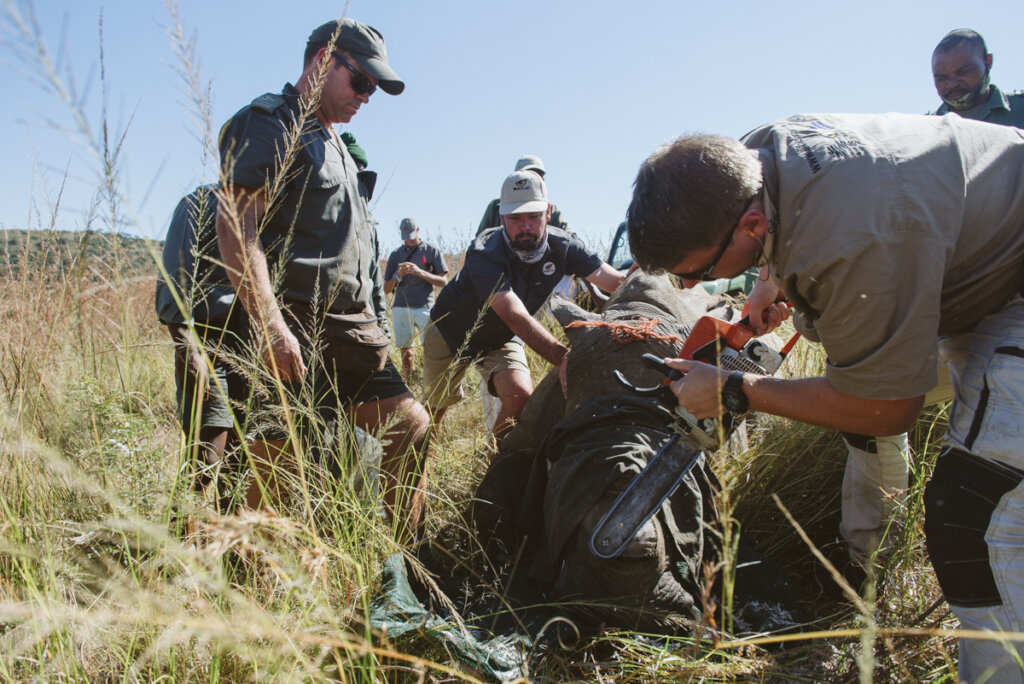
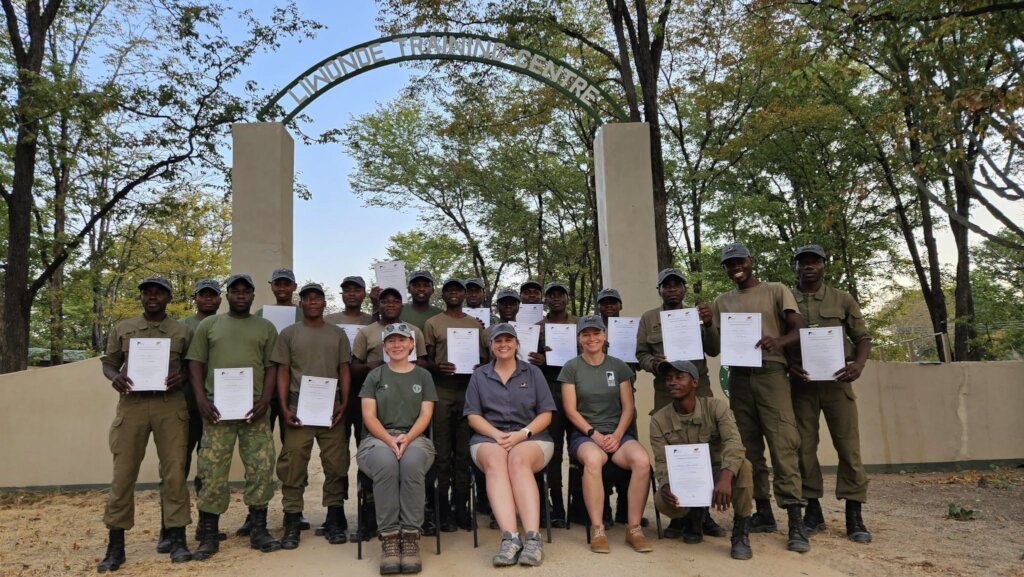
Wildlife ACT's Species Conservation Director Anel Swart recently assisted with the training of 19 participants at Liwonde National Park, Malawi, in collaboration with WWF South Africa's Black Rhino Range Expansion Project (BRREP), working alongside Ursina Rusch of BRREP. Based at the Liwonde Training Centre, the course combined field monitoring sessions with classroom lessons, splitting the group each morning between the two.
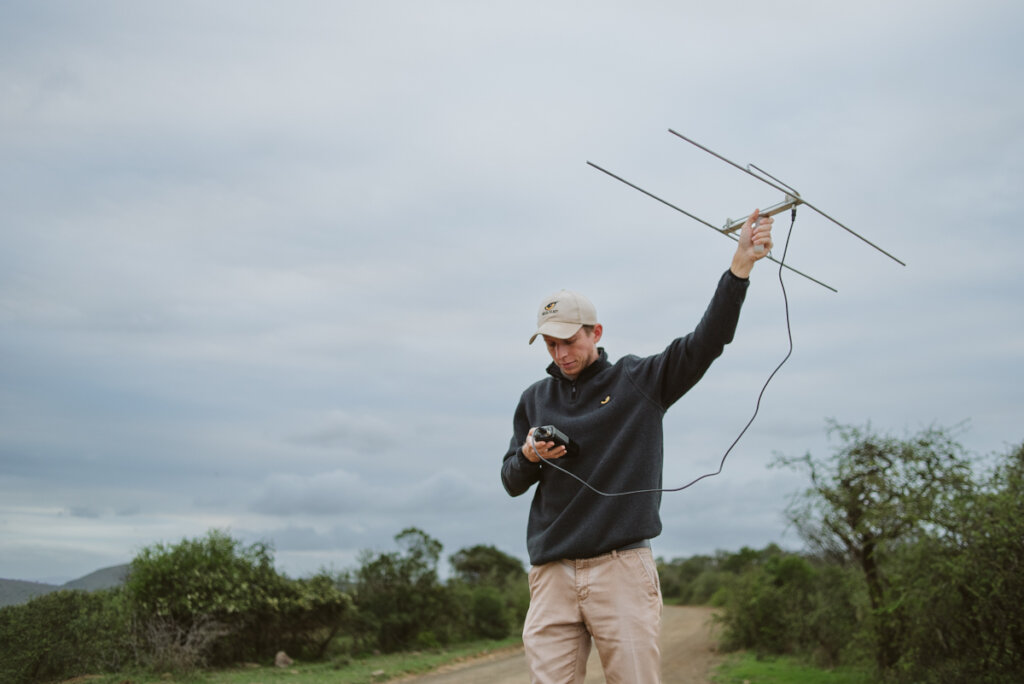
Participants included 12 Black Rhinoceros monitors from Liwonde National Park, the park's rhino monitoring team coordinator and training officer, and five Black and White Rhinoceros monitors from Akagera National Park in Rwanda. Sessions were structured around knowledge exchange, drawing on the monitors' own years of field experience, and covered themes including VHF tracking, monitoring ethics, data collection, body condition assessments, camera trapping techniques, and monitor safety and behaviour during patrols.
Refresher training like this keeps monitoring standards consistent across borders, supporting the long-term data collection that underpins essential Black Rhinoceros recovery for this Critically Endangered species. With sincere thanks to WWF South Africa's Black Rhino Range Expansion Project (BRREP) for the collaboration.
Mzimkulu Vulture Hide Reopens to the Public
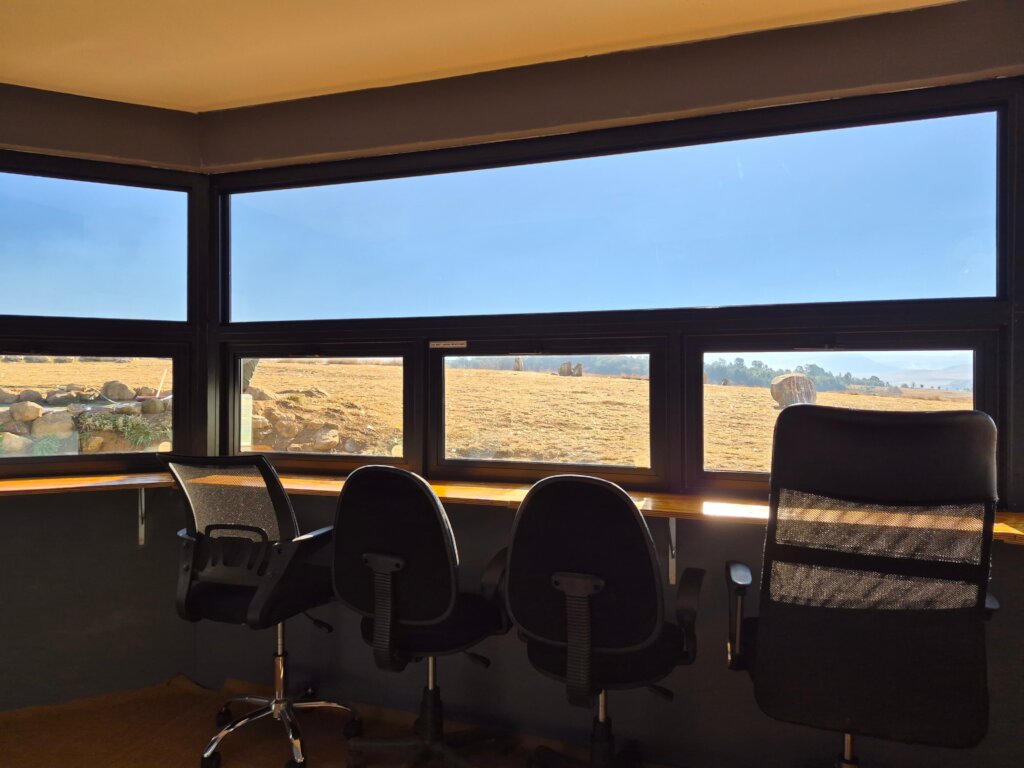
The Mzimkulu Vulture Hide in the Southern Drakensberg officially reopened to the public on 1 August 2026, following a temporary closure implemented as a precautionary response to the regional outbreak of Foot and Mouth Disease. While Vultures are not affected by Foot and Mouth Disease, the Hide is situated on a working farm that supports livestock. Out of an abundance of caution, and in support of broader community efforts to prevent the further spread of the disease, all bookings and visitor access were temporarily suspended.
The Hide forms part of Wildlife ACT's Southern Drakensberg Conservation Project and is the result of a collaboration between Wildlife ACT and Riverlea Farm, with the shared aim of establishing a sustainable safe feeding site for cliff-nesting Vulture species in the Southern Drakensberg. Every visitor helps keep this vital initiative for these at-risk birds going.
African Wild Dog Conservation Update
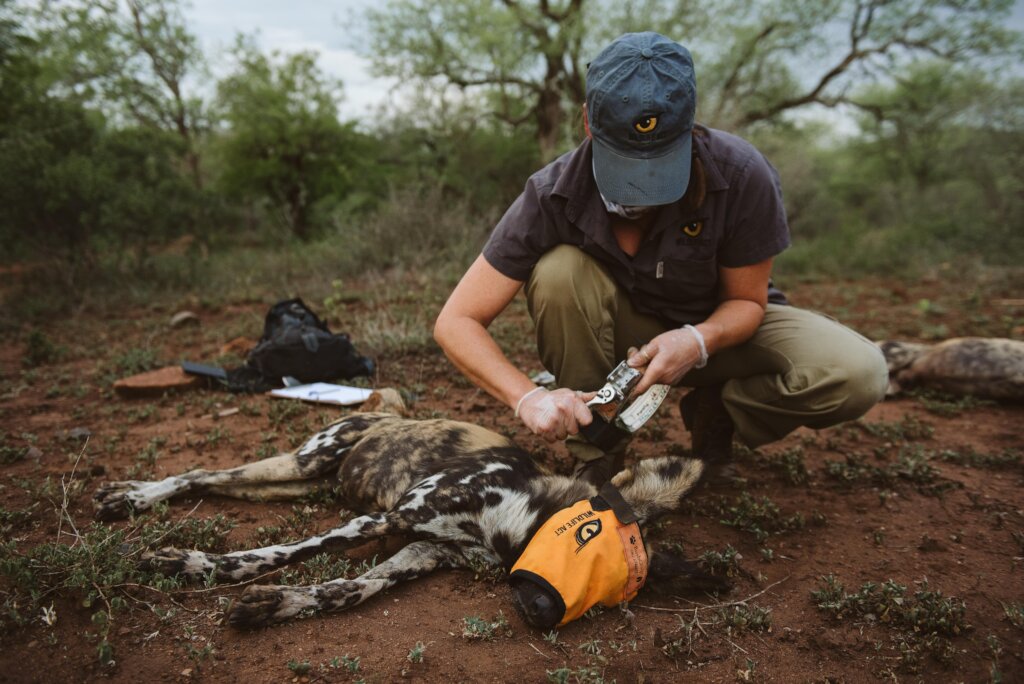
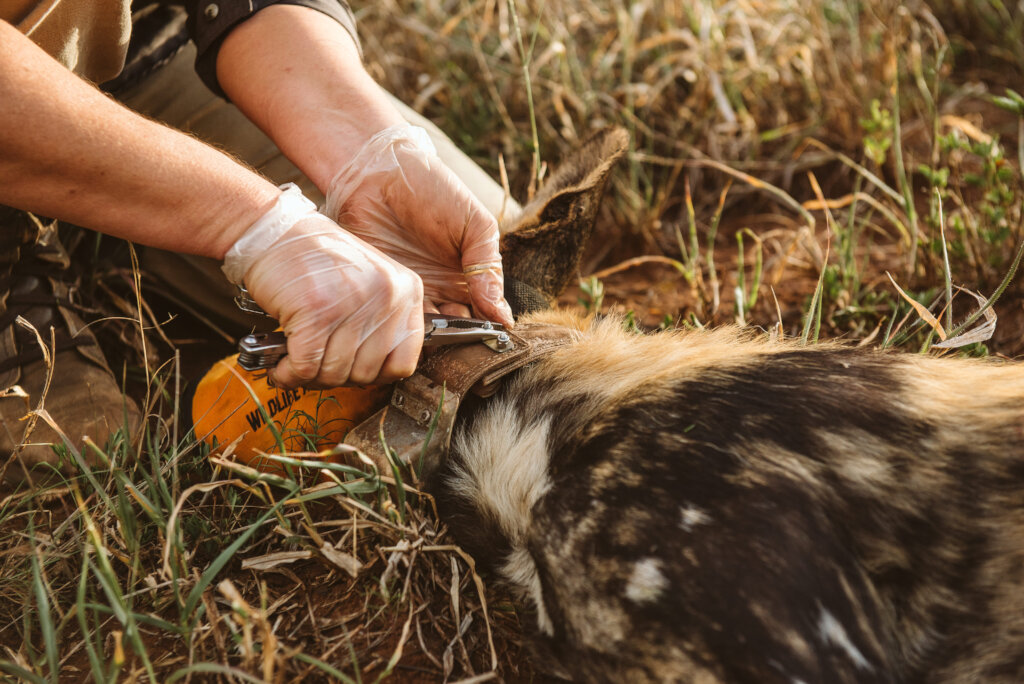
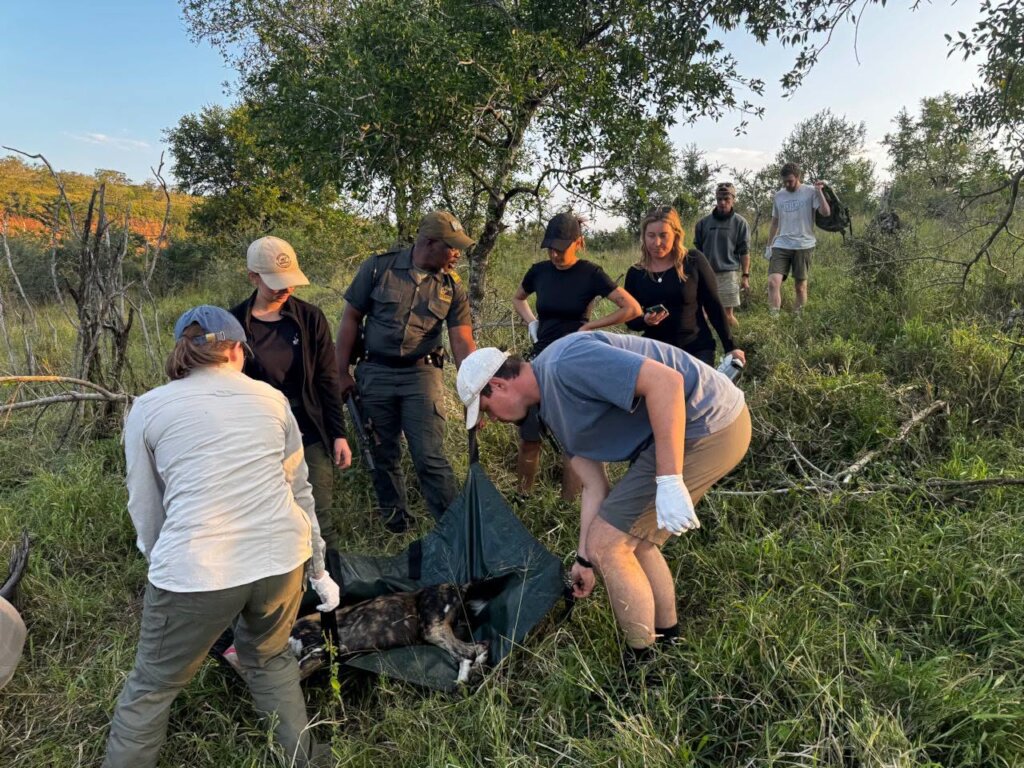
Wildlife ACT, in partnership with Ezemvelo KZN Wildlife (EKZN) and African Wildlife Vets, recently completed a capture and collaring operation in Hluhluwe-iMfolozi Park after two sub-adult male African Wild Dogs dispersed from one of the resident packs and moved beyond their natal pack's home range, finding themselves outside of the park. Fortunately, they were spotted fairly quickly during an aerial patrol.
EKZN's Section Ranger Sibonelo Zulu and Conservation Manager Dennis Kelly led the response, with African Wildlife Vets providing support for the darting and EKZN veterinarian Jen Lawrence overseeing the procedure. Wildlife ACT's Priority Species Monitoring team assisted throughout, helping to collar one of the African Wild Dogs before they were moved into a temporary holding facility.
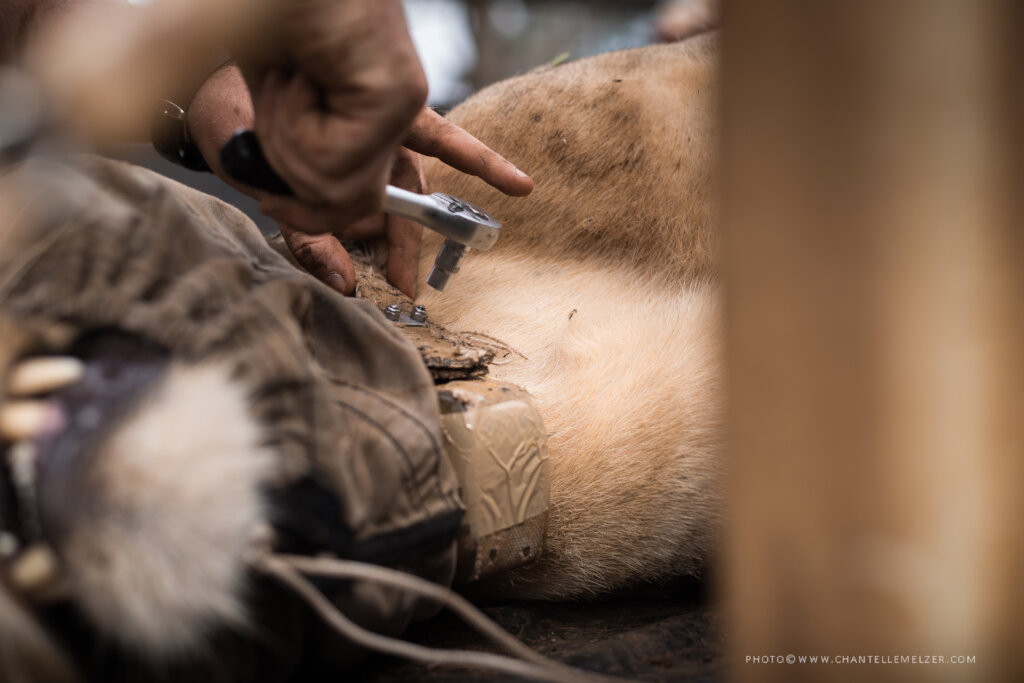
African Wild Dogs are one of Africa's most Endangered carnivores, and every safe outcome for dispersing individuals is essential to the species' recovery. Tracking devices give on-the-ground conservation teams the ability to track their movements closely and respond quickly if needed, as well as report data for important species management decision-making. Wildlife ACT's iMfolozi Priority Species Monitoring team continues to monitor the individuals closely while options for a safe, long-term protected area placement are worked through. We look forward to sharing an update on this soon.
19 Vultures Fitted with GPS Trackers in Zululand Vulture Project Operation
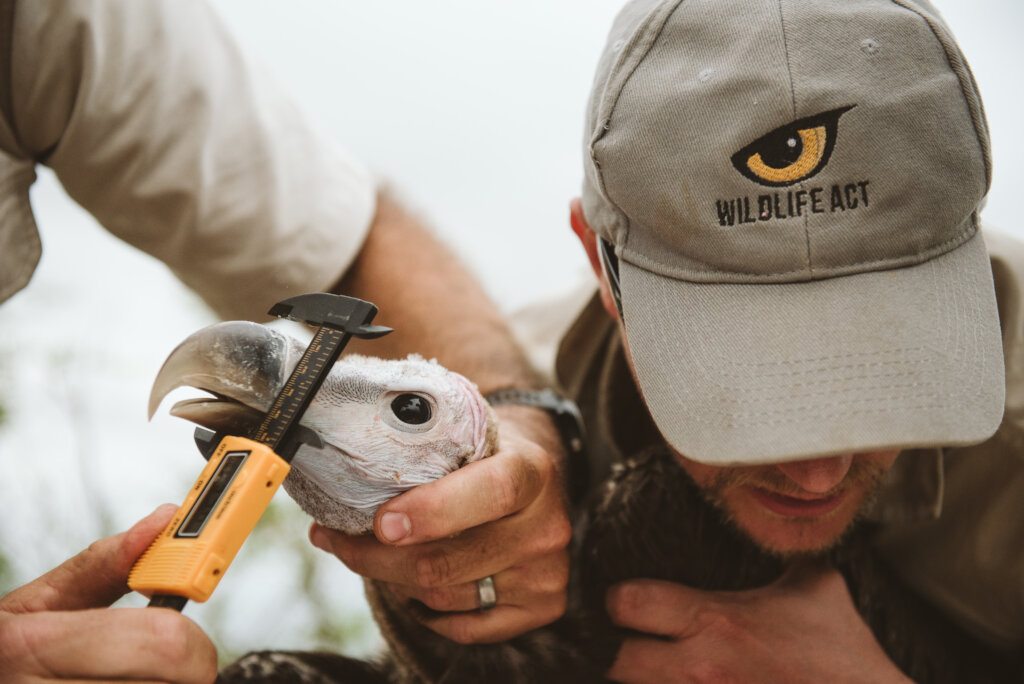
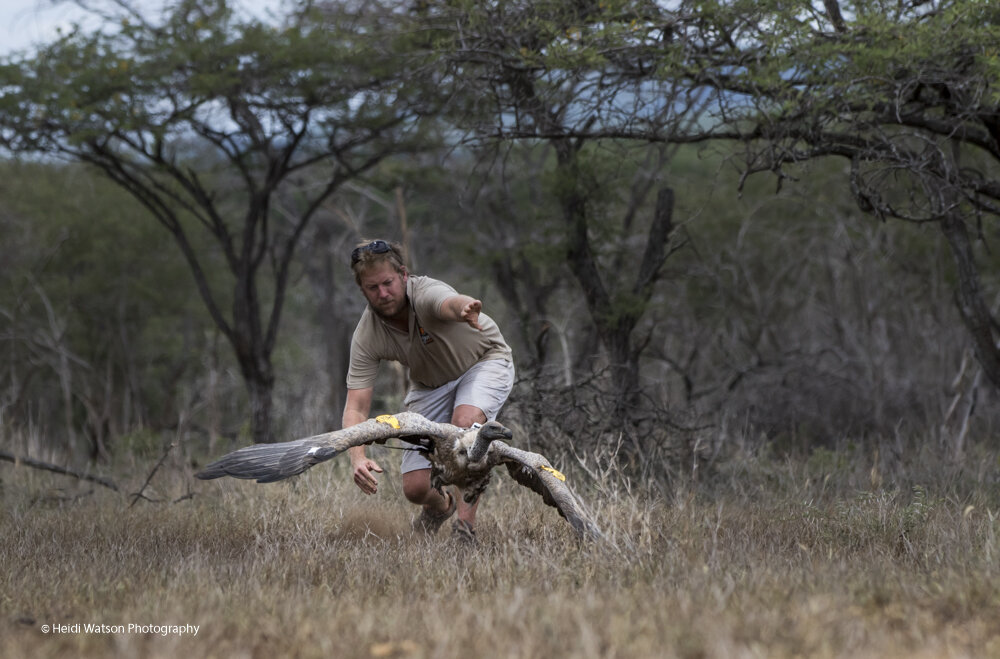
Wildlife ACT, in partnership with Ezemvelo KZN Wildlife, recently completed a focused Vulture capture operation in Hluhluwe-iMfolozi Park as part of the Zululand Vulture Project. Over two days, the team successfully deployed 19 GPS tracking units to Critically Endangered African White-backed Vultures in the northern section of the protected area. The operation focused on resident adult birds, helping strengthen long-term understanding of how this population moves across the landscape. Deploying 19 units in just two days marks a significant operational achievement and a major step forward for Vulture conservation in KwaZulu-Natal.
The solar-powered GPS units are specially designed to minimise impact on the birds while providing detailed movement information, helping conservation teams identify key feeding and roosting areas, detect potential poisoning events, and respond rapidly to threats where needed. KwaZulu-Natal's African White-backed Vulture population has declined dramatically in recent decades. As highly efficient scavengers, Vultures play a vital role in ecosystem health by removing carcasses and helping reduce the spread of diseases such as anthrax and rabies.
Wildlife ACT's Vulture conservation work extends beyond satellite tracking and includes nest monitoring, lead testing, emergency poisoning response, and community education initiatives across the region, all of which this tracking data strategically complements. Thank you to Ford Motor Company Wildlife Foundation, Happy Hollow Foundation, Briandez Legacy Trust, and the Dry Creek Fund for supporting this work.
Two Cape Vultures Released After Rehabilitation
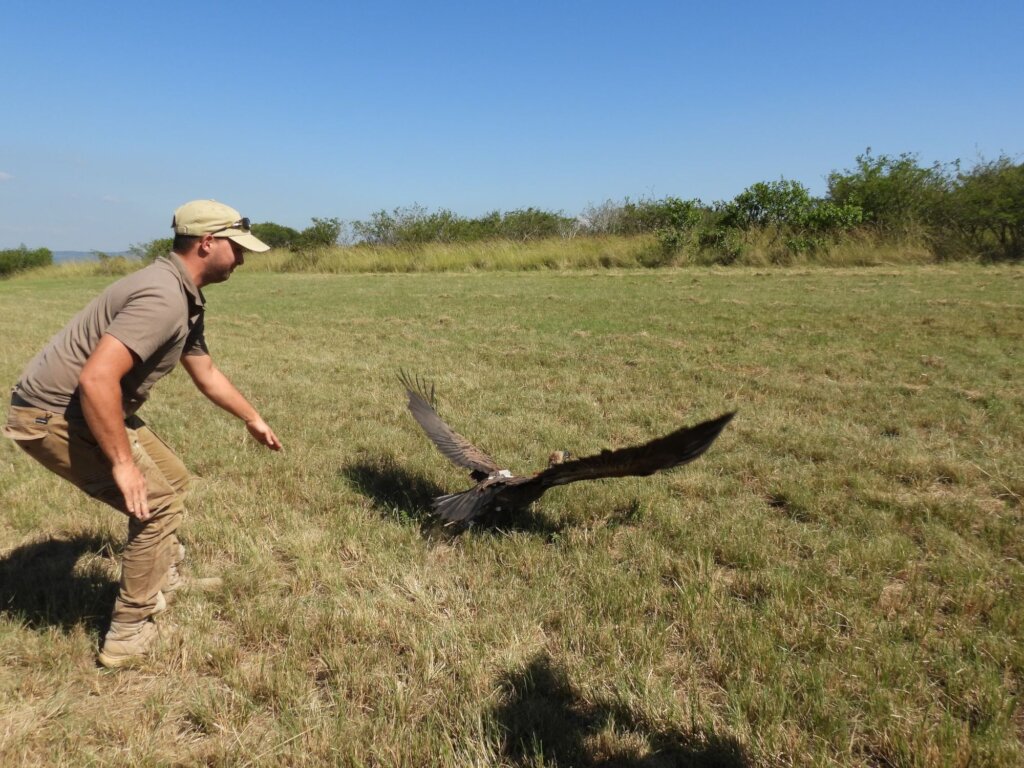
In late July, Wildlife ACT's Southern Drakensberg Conservation Programme team was pleased to collaborate with FreeMe Wildlife on the release of two Cape Vultures at the Mzimkulu Vulture Hide. After spending time in rehabilitation recovering from lead poisoning, both Vultures took to the skies once again and were soon observed feeding on nearby carcasses, a promising sign as they returned to their natural habitat.
Wildlife rehabilitation plays a vital role in giving injured and poisoned Vultures a second chance, and it is always a privilege to witness and be part of these events. However, these remarkable birds continue to face numerous threats, including poisoning, collisions with power infrastructure, habitat loss, and persecution. Lead poisoning alone remains a significant conservation concern, often resulting from Vultures feeding on contaminated carcasses.
Every successful release is a reminder of the importance of collaborative conservation efforts. Thank you to FreeMe Wildlife for their dedication to rehabilitating these incredible birds and giving them the opportunity to soar once more, and to CHEP for their partnership and support.
World Ranger Day and the Wildlife Ranger Challenge
Wildlife ACT is once again taking part in the Wildlife Ranger Challenge, standing alongside ranger teams from across Africa in a campaign that celebrates and supports the people protecting our wildlife.
Our Hluhluwe-iMfolozi Park team taking part this year is Migail Nieman, Camera Trap Project Technician; Sibusiso Mathe, Black Rhinoceros Monitor; Siphelele Cele, Boundary Project Monitor; and Janlu Nieuwoudt, Priority Species Monitor. Over the next seven weeks, the team will take on a quiz, a pushup challenge, a situp challenge, and the flagship 21 km race, all in support of the rangers who protect Africa's wildlife every day.
Thank you for continuing to make this work possible, from field monitoring and species recovery to the training and partnerships that support it all.
Project reports on GlobalGiving are posted directly to globalgiving.org by Project Leaders as they are completed, generally every 3-4 months. To protect the integrity of these documents, GlobalGiving does not alter them; therefore you may find some language or formatting issues.
If you donate to this project or have donated to this project, you can receive an email when this project posts a report. You can also subscribe for reports without donating.



Support this important cause by creating a personalized fundraising page.
Start a Fundraiser