Project Report
| Jul 3, 2018
Safe to Grow, protecting Nepali children after EQ
By Caroline Emlyn Jones | Fundraiser
![]()
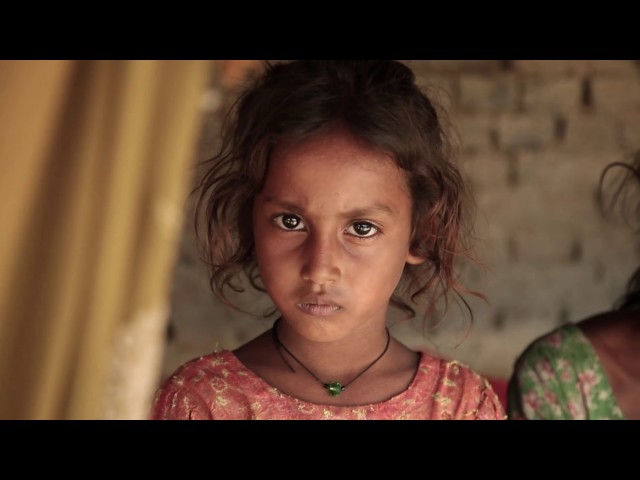
It is now over three years since the devastating earthquake in Nepal which destroyed over 800,000 homes and affected around 8 million people. As well as destroying homes, it destroyed land, livelihoods and people’s way of life. In one of the world's poorest countries, in which inequality and extreme poverty were already huge problems, the earthquake disproportionately affected those already suffering. Unable to wait for support, many of the poorest were forced to leave their villages and head for cities like Pokhara to survive. However, no longer being in the areas directly impacted by the earthquake, these children and families were overlooked by the majority of other disaster responses.
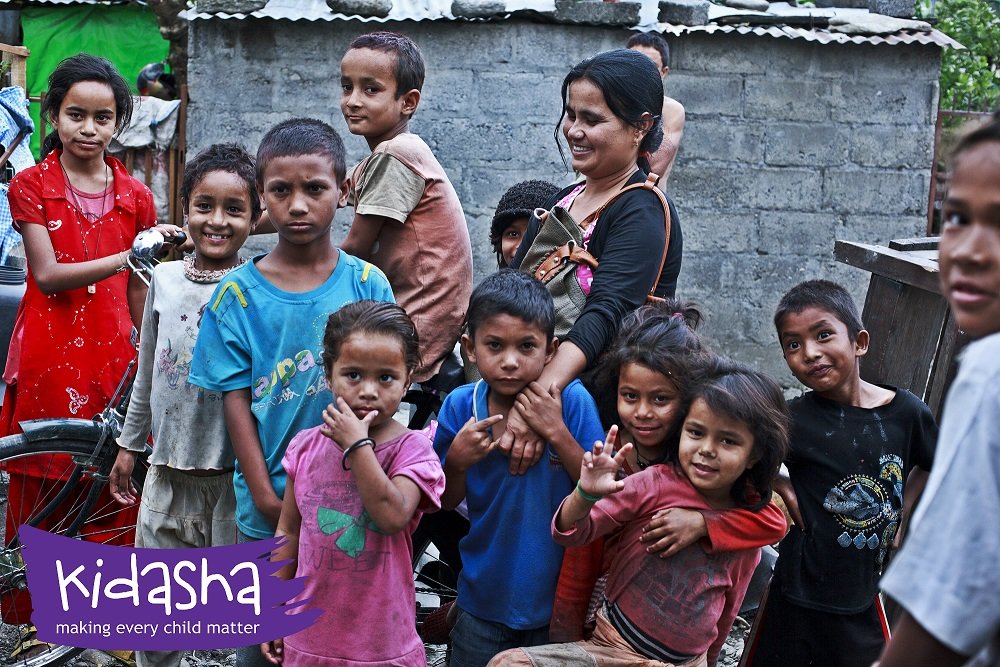
After the earthquake, we focused our response on an area in which we have the most experience and resources - helping children and families living in extreme urban poverty in Pokhara. Over the last three years, we have helped almost 1,000 earthquake affected children and their families who were forced to migrate to the city, the majority settling in slum areas. We helped them setup homes, supported them to access local services, and made sure their children could enrol in local schools. We rescued and rehabilitated girls who were victims of trafficking. We removed children from abusive and exploitative working conditions and reintegrated children with their families and back into mainstream education. For older adolescents, we worked with local employers to improve working conditions and provided skills training, business training and access to apprenticeships to prevent their exploitation.
We have integrated support for earthquake victims into our core programme in Pokhara and now almost 1 in 3 of the working and at risk children that we support have been affected by the earthquake in some capacity.
Thank you for your kind and generous support.
The Kidasha Team
![Share on Twitter]()
![Share on Facebook]()
Apr 4, 2018
Safe to Grow, protecting Nepali children
By Caroline Emlyn Jones | Fundraiser
![]()
Thank you for supporting our Safe to Grow Project
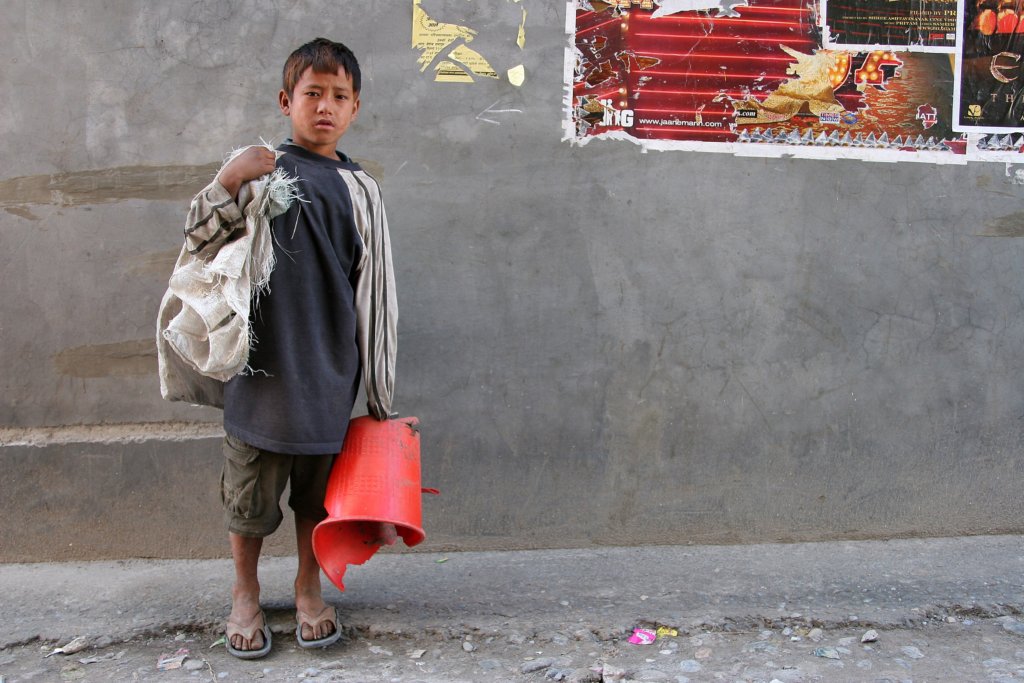
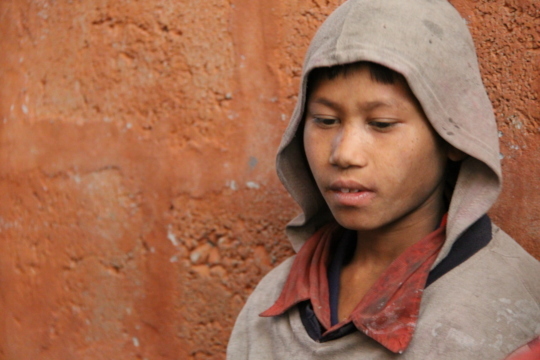
It is estimated that since the devastating earthquake, there are around 5000 children living on the streets in Nepal. Almost two thirds of these children will have been spending time living on the streets since the age of ten, or younger. Street children will most likely have been pushed out of their homes by violence, parental poverty or family breakdown.
On the street, these children face further abuse, including from tourists and the police. Despite being victims of circumstance and existing in the worst conditions, street children are treated as less than human and are often spat on, beaten, and called derogatory names.
Four in five of these children will turn to solvent abuse as a way to cope with the trauma of living on the street. They collect rubbish and rags, or beg, in order to earn money to survive. These children exist within a cycle of poverty and abuse – unable to get proper, paid work, they will continue to suffer from addiction, abuse and psychological trauma, and many will die young.
Here at Kidasha, we are working to break this cycle. Our work is not just about getting these children off the streets, but also facilitating their recovery, teaching them valuable skills, and preventing them from ever having to return to this way of life. We also work directly with families to put an end to the conditions which force children out of their homes and onto the streets.
It is now almost three years since the earthquake, but there is still a lot to do. So on behalf of the children we work with - A big thank you.
Best wishes
The Kidasha Team
![Share on Twitter]()
![Share on Facebook]()
Jan 8, 2018
Safe to Grow, protecting Nepali children
By Caroline Emlyn Jones | Fundraiser
![]()
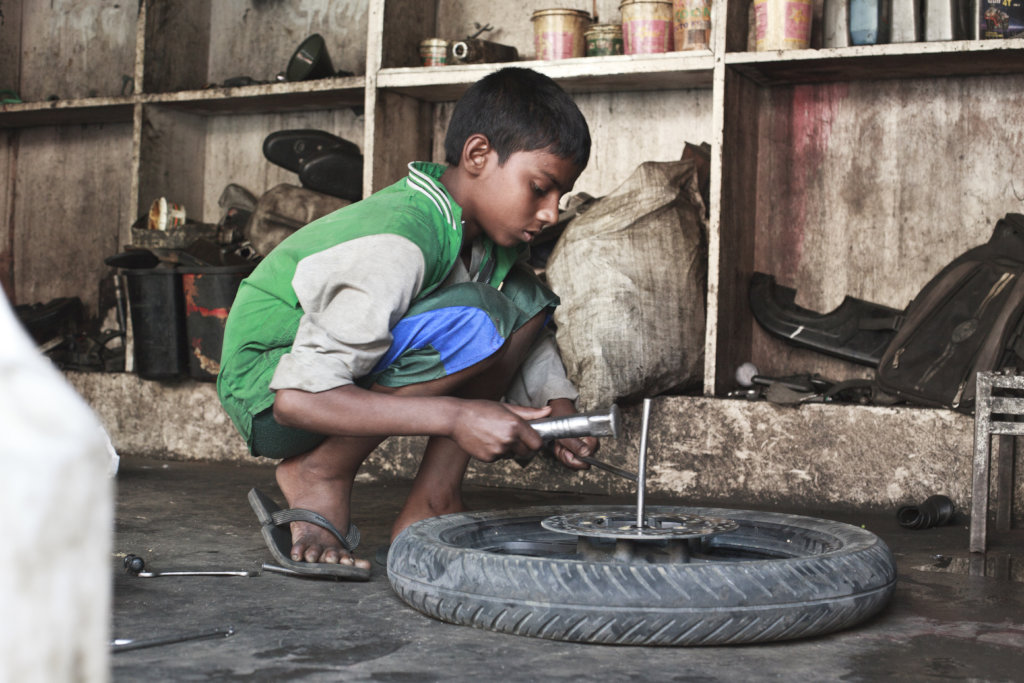
I would like to share with you a story about Sujan (not his real name) who is just 14. He should be living with his family and spending his days at school. Instead, he’s forced to live alone, miles from his loved ones, and work 12 hour days doing manual labour for meagre pay. Sujan came to Pokhara in search of work after the earthquake.
In Nepal, the one ticket to a brighter future is education, but Sujan is trapped in a cycle of labour and poverty, unable to even write his own name. This is the reality for countless children in Nepal. Forced out of school and into work in order to support their families, they are vulnerable to harrowing levels of abuse and deprivation. Across Nepal, 1 in 4 of the poorest children are not in school.
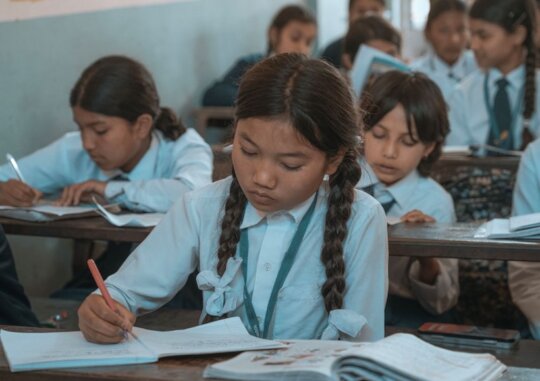
But there is hope for children like Sujan. Our Boosting Learning course, designed specifically for street or working children, focuses on improving basic literacy and numeracy, with practical applications which make a real difference to their daily lives. Those who take this course see a dramatic improvement in reading and comprehension skills, as well as marked changes in confidence and self-belief.
After meeting Sujan, Kidasha was able to find a place for him on one of these courses. He said:
“I really enjoyed going to classes. The teacher taught us really well and I was able to learn practical things, like how to write a customer bill, fill in an application form, or do measurements. Before, I was embarrassed in work as I didn’t know how to do simple things, but now I can talk to customers and take on more responsibility.”
Sujan is now working towards a promotion in his job and is planning for his future with more hope and confidence. Just 40 hours of education has helped change the shape of what’s to come for him.
In 2018, we want to provide even more of Nepal’s children with the tools they need to break the cycle of poverty, but we need your donations. With your help and generosity, we can help more children like Sujan.
On behalf of everyone at Kidasha, thank you for any support you can give.
Best wishes for 2018.
The Kidasha Team
Links:
![Share on Twitter]()
![Share on Facebook]()