By Maryanne Kuria | Project Development & Reporting.
Mount Kenya is much more than Africa’s second-highest mountain. Its forests, moorlands, rivers and wildlife form one of Kenya’s most important ecosystems and a vital water source for more than 3.5 million people across ten counties.
The ecosystem supports elephants, various antelopes including the critically endangered mountain bongo and more than 80 endemic plant species found nowhere else on Earth. Its forests regulate water, store carbon, support biodiversity and sustain communities living around the mountain.
Yet this ecosystem is under increasing pressure. Agricultural expansion, settlement and infrastructure are fragmenting habitats, while illegal logging, charcoal burning, poaching, bushmeat hunting, wildfires and encroachment continue to threaten forests and wildlife. As natural habitats become increasingly fragmented, opportunities for human-wildlife conflict also increase.Protecting Mount Kenya therefore requires more than responding to individual threats. It requires a sustained presence on the ground, every day.
Conservation in Action
Mount Kenya Trust (MKT) was established in response to a conservation crisis. In 1999, a Kenya Wildlife Service and UNEP aerial survey documented extensive destruction of the Mount Kenya and Imenti forests.More than 25 years later, MKT continues to protect and restore this landscape through an integrated approach centred on People, Wildlife, Forests and Water.
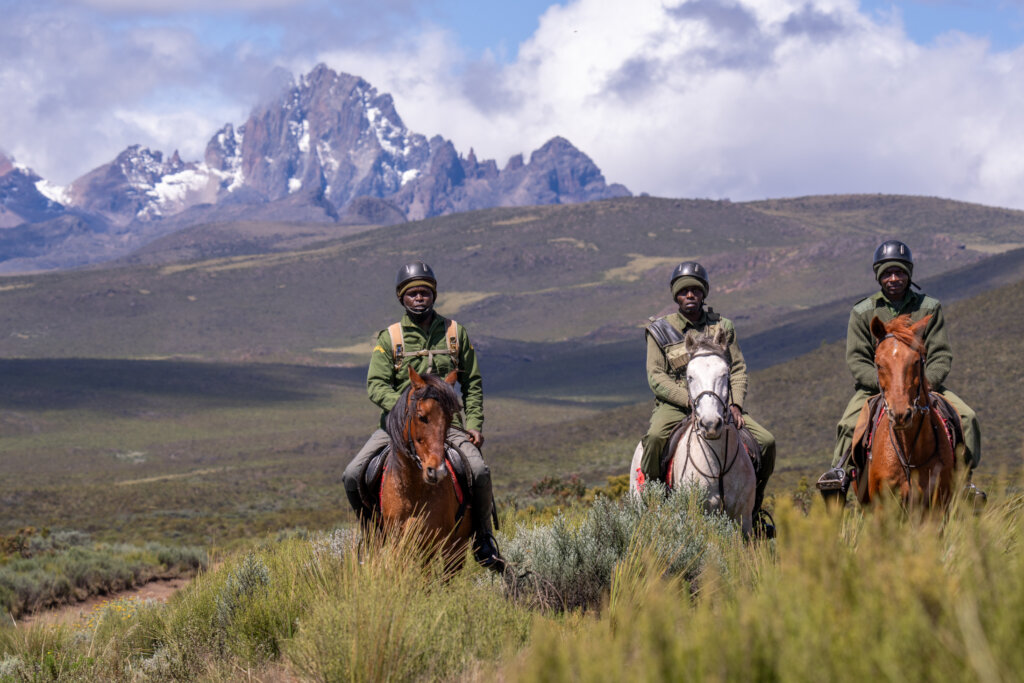
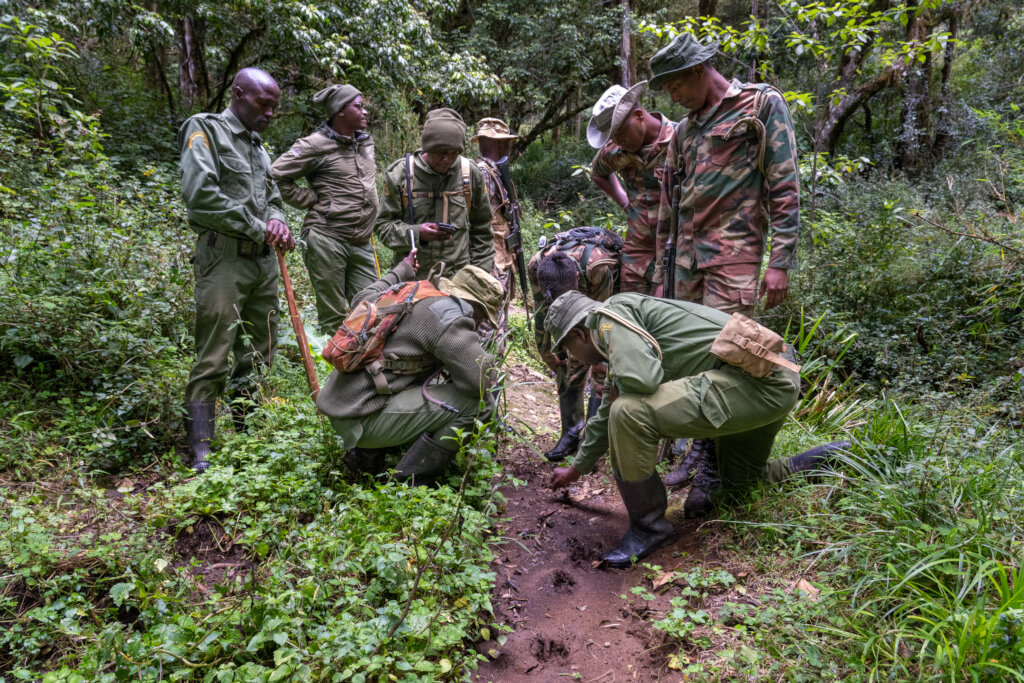
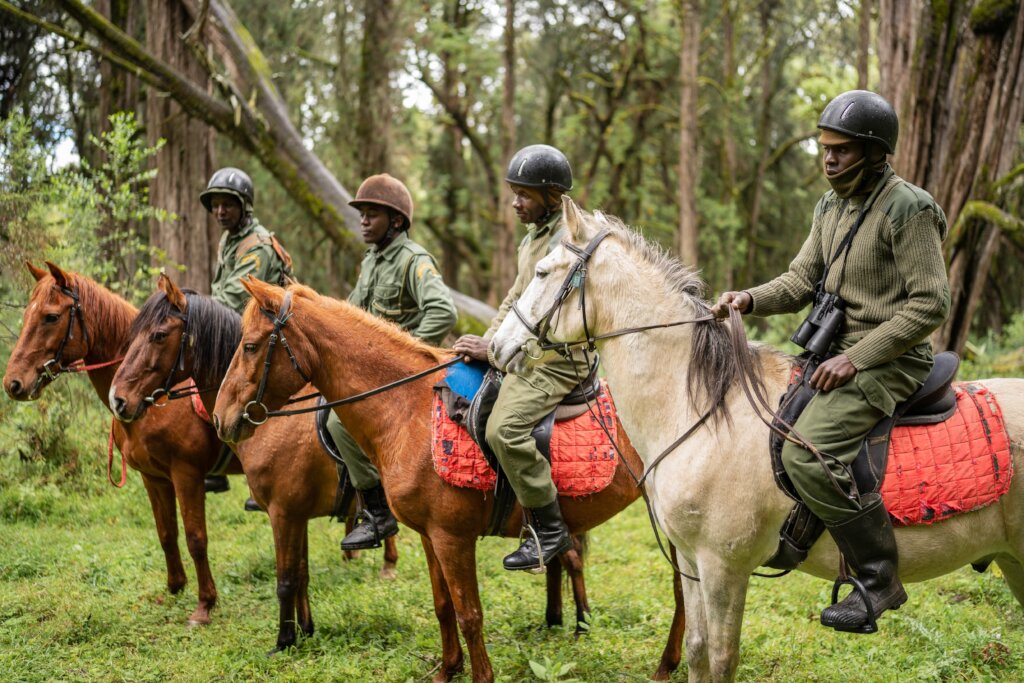
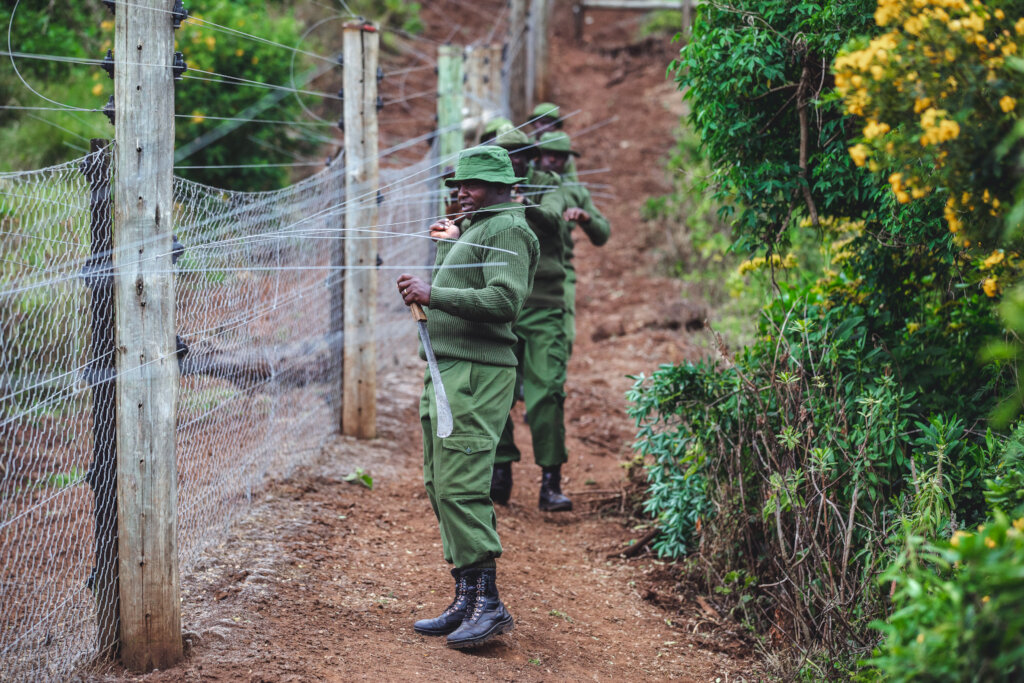
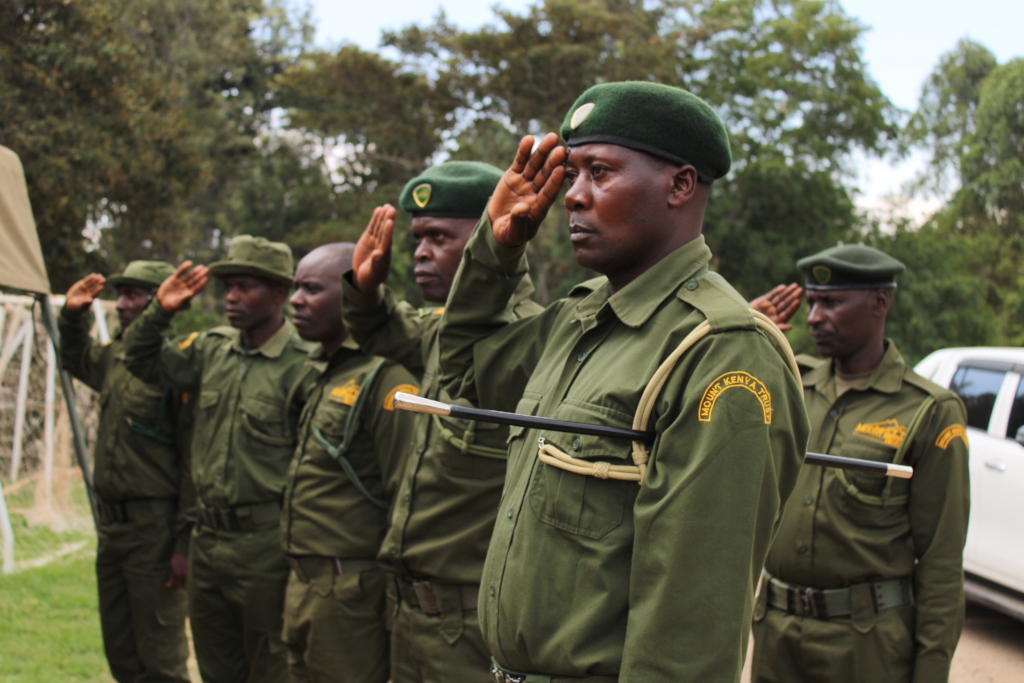
At the heart of this work are our ranger teams Working alongside the Kenya Wildlife Service (KWS), Kenya Forest Service (KFS), conservation organisations and local communities, MKT’s rangers provide a consistent conservation presence across some of Mount Kenya’s most remote and vulnerable areas.
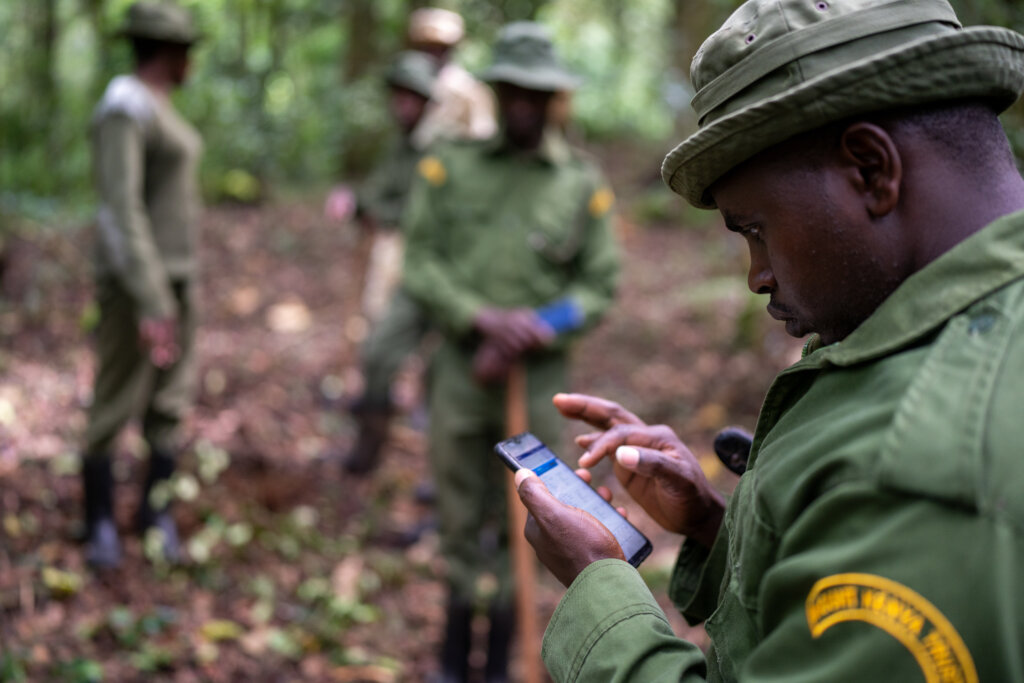
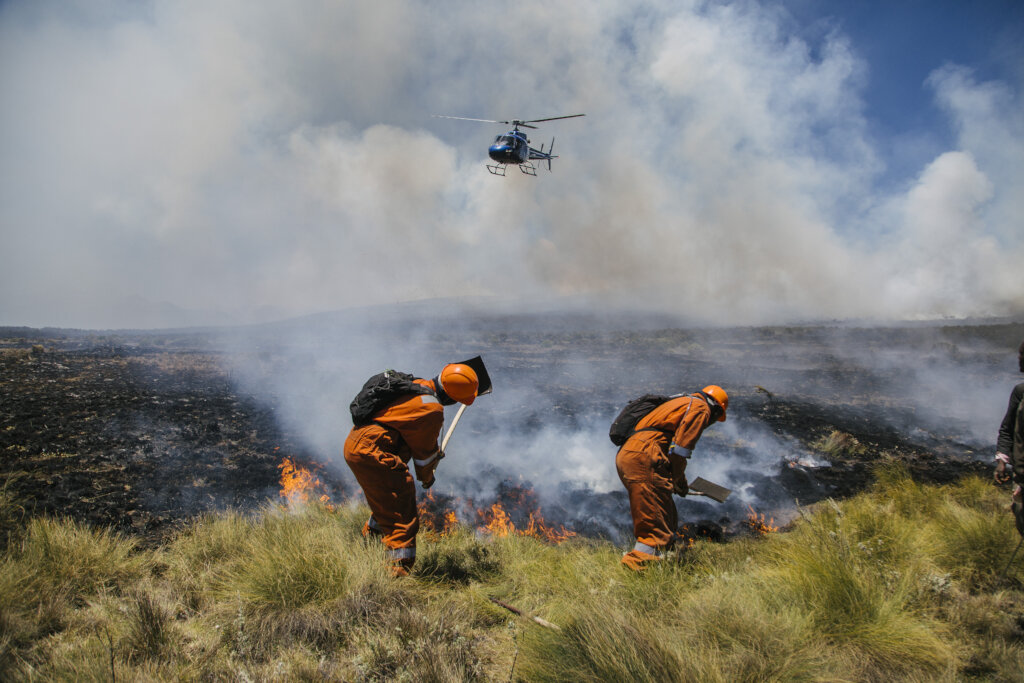
Their work is preventative, responsive and increasingly data-driven. Rangers patrol forests and moorlands, monitor biodiversity, deter illegal activities, maintain firebreaks, respond to wildfires, protect restoration sites and conduct anti-poaching and anti-bushmeat operations. They also support human-wildlife coexistence by monitoring wildlife corridors, responding to conflict and helping communities address threats along protected-area boundaries.
Teams Protecting Mount Kenya
Protecting More Than Wildlife
Ranger work extends beyond patrols. Along Mount Kenya’s rivers—including the Timau, Ontulili, Ngusishi and Teleswani—teams conduct riparian patrols, support restoration and clean-up activities, and promote protection of these critical water systems. Rangers also monitor wildlife movement through key corridors and respond to human-wildlife conflict. These connections are increasingly important as development fragments natural habitats.
MKT supports the Mount Kenya–Lewa wildlife corridor, helping maintain connectivity between important habitats. This is particularly significant for wide-ranging species such as elephants and for the critically endangered mountain bongo, which depend on connected and secure landscapes.
Holistic Conservation
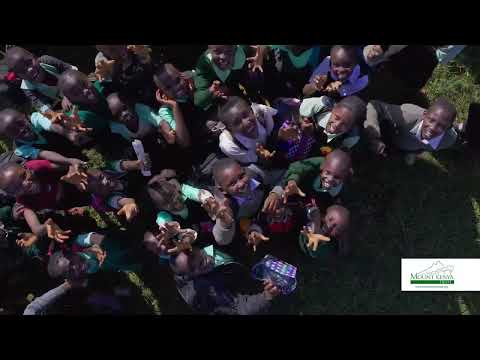
The future of Mount Kenya is closely connected to the people living around it.Twenty-seven communities live along the forest edges of Mount Kenya, with many households dependent on agriculture and natural resources for their livelihoods. Conservation cannot succeed without working alongside these communities. MKT works with communities, government agencies and conservation partners to reduce pressure on natural resources, address human-wildlife conflict, support restoration and build local ownership of conservation.
This approach recognises that protecting Mount Kenya is not simply about keeping people out of protected areas. It is about creating conditions where people, wildlife and forests can coexist over the long term.
Your Support
The work of a ranger begins long before a threat is detected. Rangers need to be able to reach remote areas, communicate with their teams, remain in the field and respond effectively when situations change & donor support helps make this possible. Funding contributes towards the equipment, communications, training, patrol resources and field support that enable our teams to maintain a continuous presence across the ecosystem.
That support translates into practical conservation action: more effective patrols, faster responses to threats, better monitoring of wildlife and habitats, and greater capacity to protect areas undergoing restoration.Every patrol is an opportunity to detect a threat before it becomes irreversible. Every observation adds to our understanding of the ecosystem. Every response helps reduce risk for people and wildlife.
Looking Ahead
This first update provides the context for the work your support makes possible. In future updates, we will take you closer to the field, sharing ranger activities, patrol results, wildlife and habitat monitoring, community engagement and tangible examples of donor support in action.
Thank you for standing with Mount Kenya Trust and with the people who work every day to protect this extraordinary ecosystem.
Together, we can sustainably conserve Mount Kenya—for wildlife, communities and generations to come.
Project reports on GlobalGiving are posted directly to globalgiving.org by Project Leaders as they are completed, generally every 3-4 months. To protect the integrity of these documents, GlobalGiving does not alter them; therefore you may find some language or formatting issues.
If you donate to this project or have donated to this project, you can receive an email when this project posts a report. You can also subscribe for reports without donating.



Support this important cause by creating a personalized fundraising page.
Start a Fundraiser