By Debobroto Sircar | Assistant Manager - Wild Aid
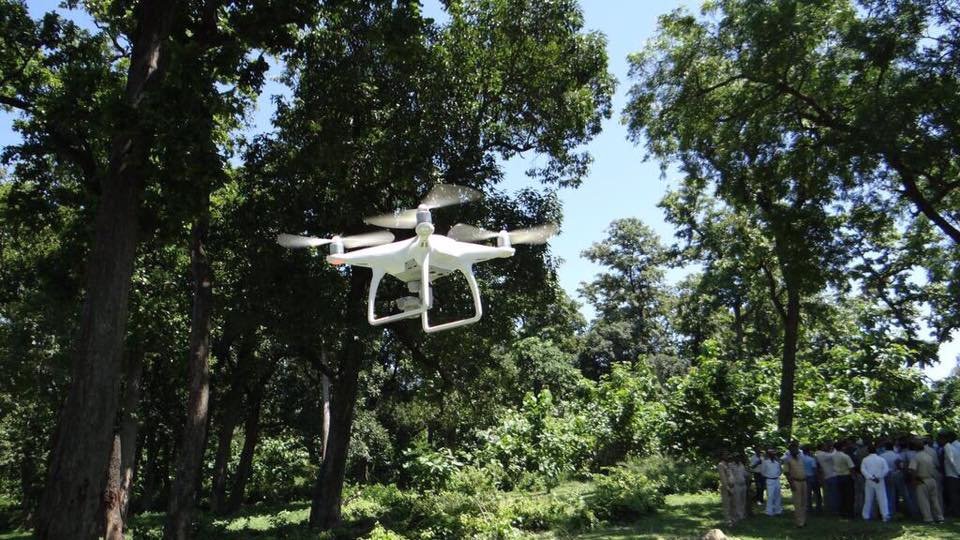
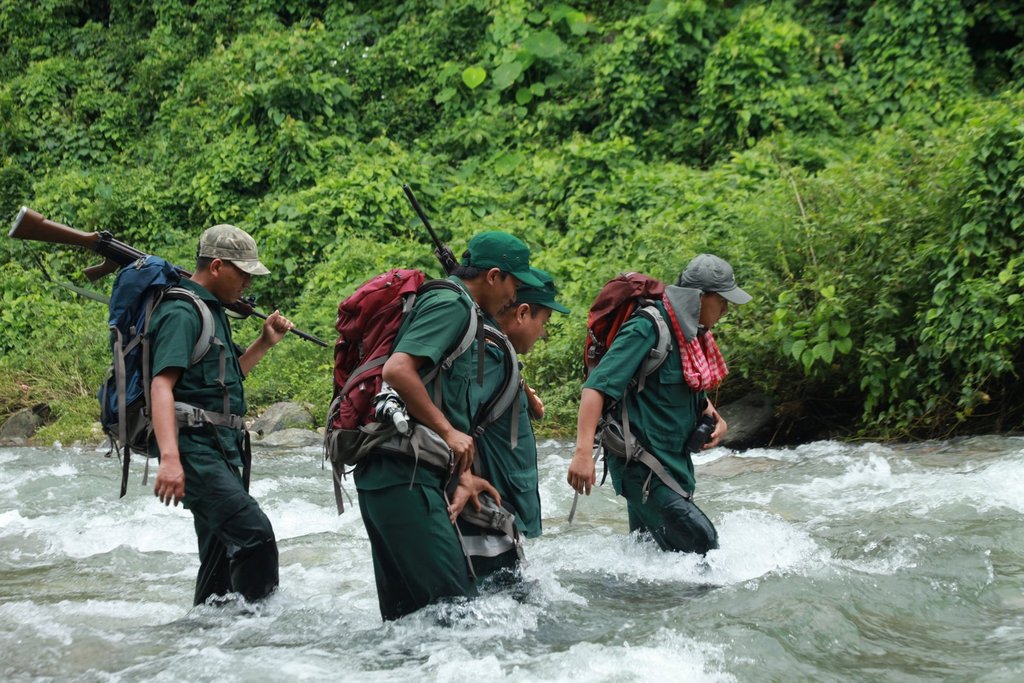
To address the ever increasing incidences of big cat human conflict (Reportedly 15 humans have fallen prey in the last one year) in the state of Uttar Pradesh, northern part of India, Wildlife Trust of India (WTI) through your generous support, recently equipped the conflict mitigation teams of the forest department with two quadcopters (a type of unmanned aerial vehicle). By getting nearer to a ‘conflict’ animal where forest guards can’t get close enough, the quadcopters with its bird eye view has the potential to easily cover a large distance of the conflict area, remotely identify the location of the animal and can helps the team to strategize procedures for tranquilizing and capturing the animal (if need be), without taking any risk of casualty to the team as well as the targeted animal. The aim of the project was to provide the conflict mitigation teams with a modern tool that could enhance their work efficiency in the field.
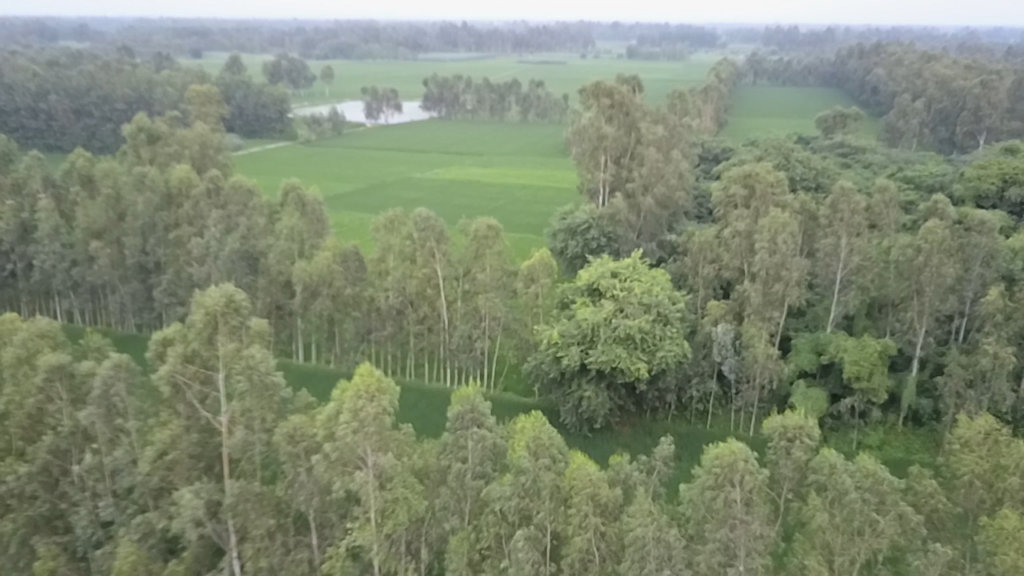
Last month in the fringe villages of Pilibhit Tiger Reserve, Uttar Pradesh the quadcopters proved their worth as they were extensively used to scout and establish the presence of a ‘conflict tiger’. An adult male tiger was constantly moving in the agricultural fields of Amariya tehsil (district) under Pilibhit forest division. In a span of few months, the tiger reportedly kill three humans. To address this grave issue, the Forest department along with WTI team initiated a search operation for the tiger. Given the vast landscape, covered in swathes of sugarcane crop interspersed with paddy patches and poplar tree line-ups the foot staff found it difficult to patrol. Even search operations on elephant back became futile. The quadcopters were flown daily in the morning and later afternoon hours, across patches indicated by local people, based on various claimed sightings. In one of its flight schedule, the team was able to locate a blue bull(a natural prey species of tigers) kill amongst a thick patch of sugarcane.The location of this kill jump started the operation and immediate efforts were made to localize the tiger within a smaller area. In total, the quadcopters had about 140 hours of flight time, covering distances ranging from approx 4 km, in scouting operations across terrain where monitoring on foot was near impossible (and/or time consuming) and a very risky affair considering the presence of a free ranging tiger in the area.
As of now, the tiger is yet to be captured however, by the team’s efforts it has not killed any human. The quadcopter thus, has been extremely useful in all the scouting and search operations, and is expected to be used continuously in this operation, until the tiger is captured.
Project reports on GlobalGiving are posted directly to globalgiving.org by Project Leaders as they are completed, generally every 3-4 months. To protect the integrity of these documents, GlobalGiving does not alter them; therefore you may find some language or formatting issues.
If you donate to this project or have donated to this project, you can receive an email when this project posts a report. You can also subscribe for reports without donating.



Support this important cause by creating a personalized fundraising page.
Start a Fundraiser