By Harsha Doriya | Assistant Project Officer
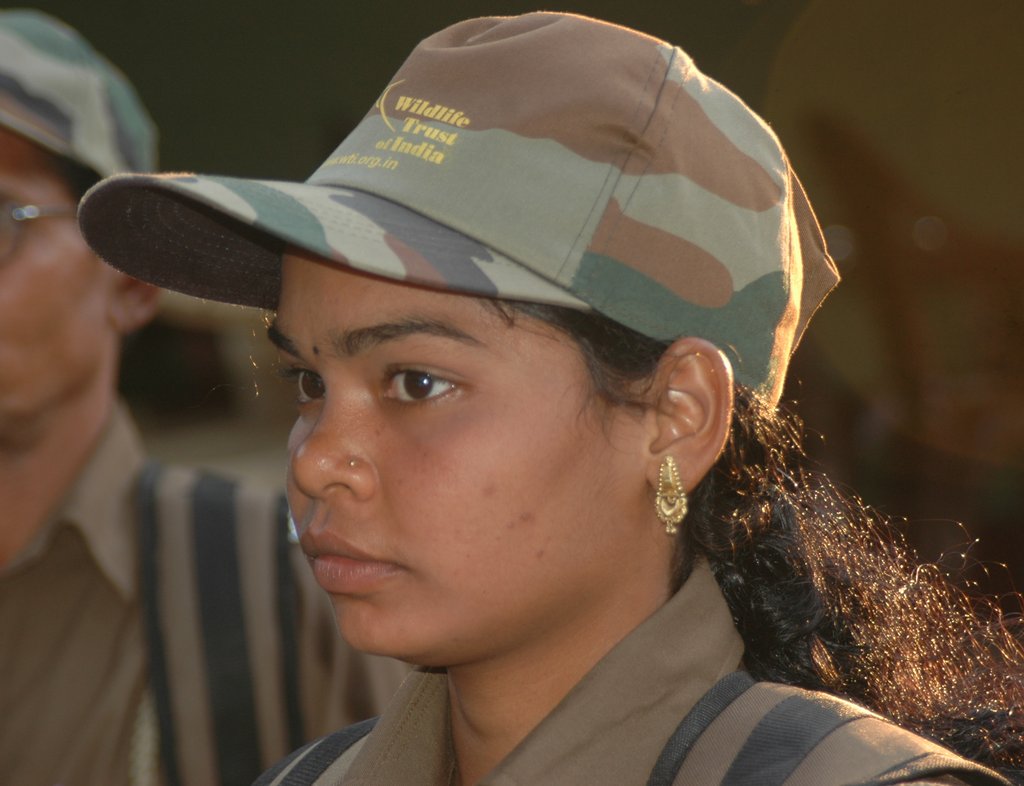
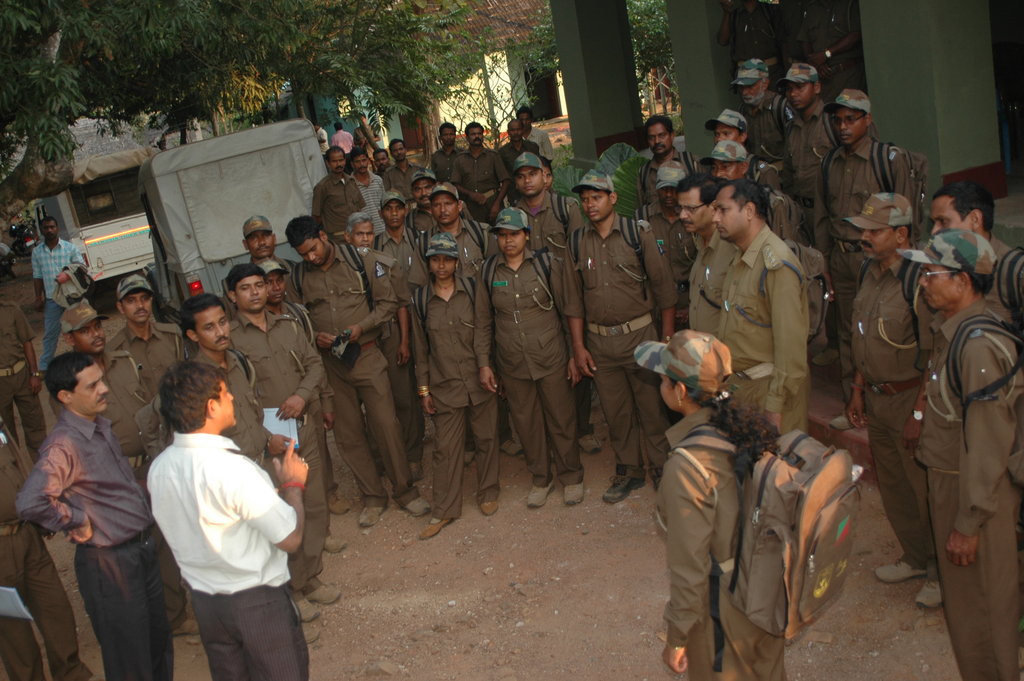
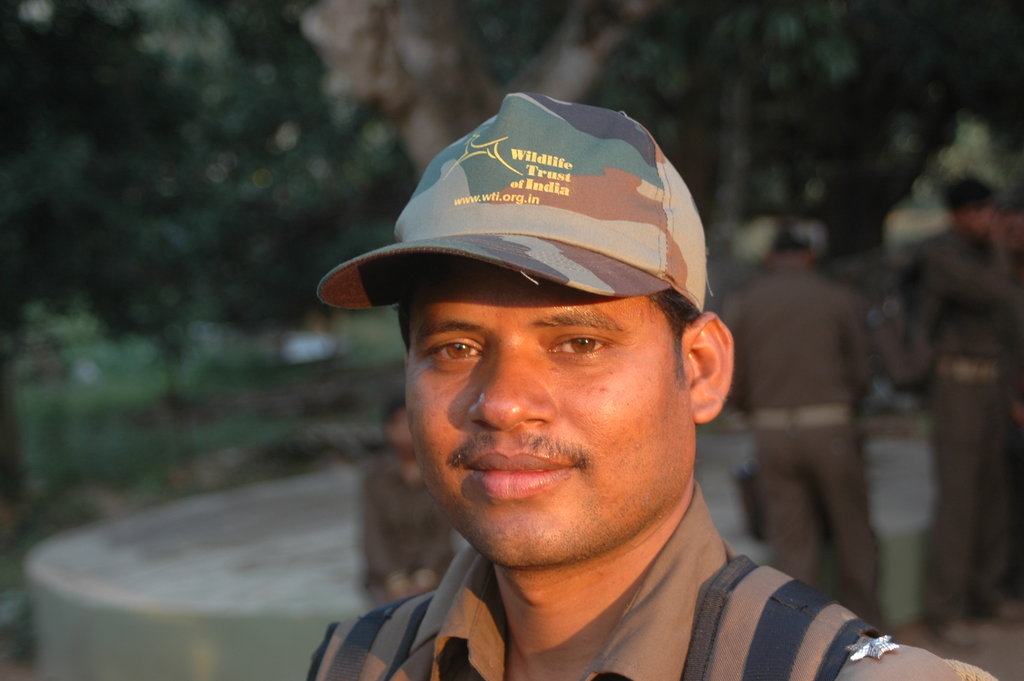
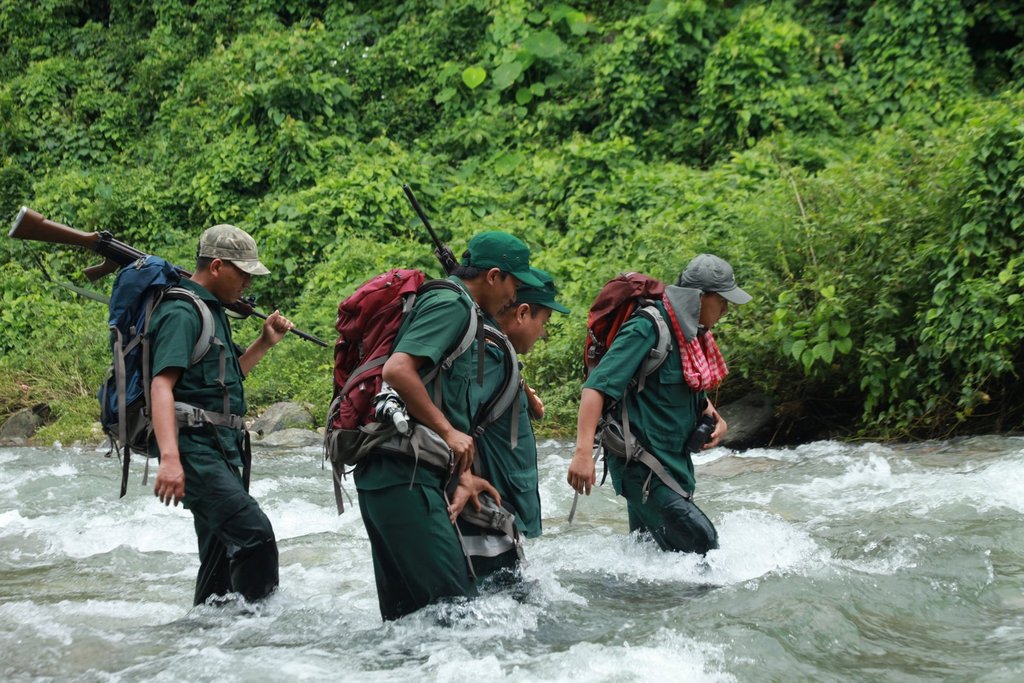
India’s wildlife is threatened due to several issues natural as well as anthropogenic. Natural emergencies like flood, earthquakes not only affect the human lives but wild animals also become the victim of these disasters. Apart from these, poaching, conflicts, infrastructural developments also threaten the immense wildlife of India. To preserve the rich biodiversity of country, the forest officials works tirelessly day and night. Even through their job is tough, demanding and involves high risk, they put all their efforts in protection and preservation of wildlife. There are around 110,000 forest rangers, deputy forest rangers, foresters and forest guards across India. The huge number of staff needs equipments to curb the issue of poaching, conflicts during natural disasters.
Assam is one of the worst sufferers of flood due to River Brahmaputra and its tributaries and it comes in every year as a festival which causes woes rather than joy. Assam experiences a huge amount of losses due to acute flooding in the flood plains of the river Brahmaputra. Assam holds more than two-third wild population of one horned rhino (rhinoceros unicornis) in world. One-horned rhinos are dependent on conservation because of threats from poaching and destruction of habitat.
Flooding lead to increased silt deposition in the existing wetlands, making water scarce for the rhinos. This causes the rhinos to stray out of the sanctuary during winter, exposing themselves to danger from poachers. According to studies, a total of 239 one-horned rhinos have been killed by poachers in Assam from 2001 to 2016. They are killed for their horns that are traded in the international black markets for humongous value. Flooding puts more pressure on the field staff to perform anti-poaching activities.
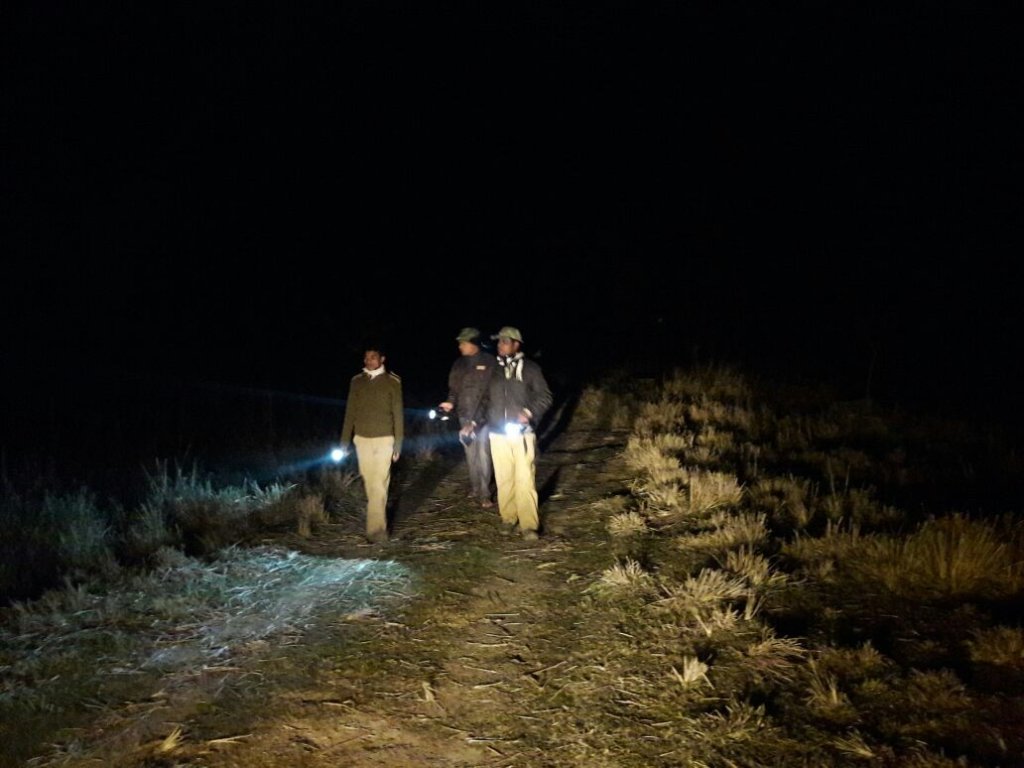
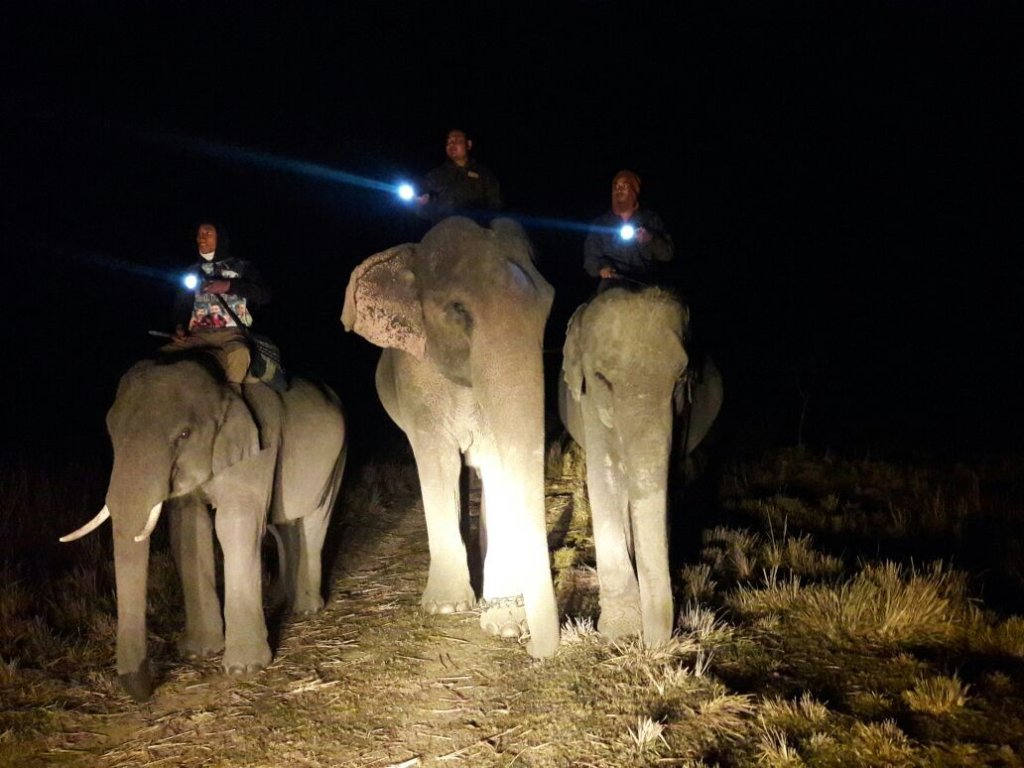
The Pobitora Wildlife Sanctuary is a reserve in the Morigaon district of Assam and has the highest density of one-horned rhinos in the world. During recent floods in Pobitora, forest officials reported that the floods had also damaged around 50 per cent infrastructure of the Sanctuary. Statistics says that 161 rhinos have been killed in Kaziranga, 34 of them have been killed in Orang National Park, 15 one-horned rhinos in Pobitora Wildlife Sanctuary and nine in Manas National Park. Conserving and protecting rhino in the 21st century in Assam will depend on continued relentless efforts by the forest staff to save the rhinos from poachers. Poaching will remain a major threat to the rhino population. Therefore, anti-poaching efforts have to be improved and maintained. To combat poaching incidents in the sanctuary and keep a vigil on the conflict in the area, Wildlife Trust of India have provided needed field gears (LED Torches) to the forest staff of Pobitora Wildlife Sanctuary through a Rapid Action Project. These torches are being used in the fringe areas of Pobitora like Haduk, Tamulidoba, Kukuari, etc where rhinos move towards the high altitude areas during the flood. The torches will help the forest officials during their night patrolling and will aim to reduce the poaching as well as conflict incidents.
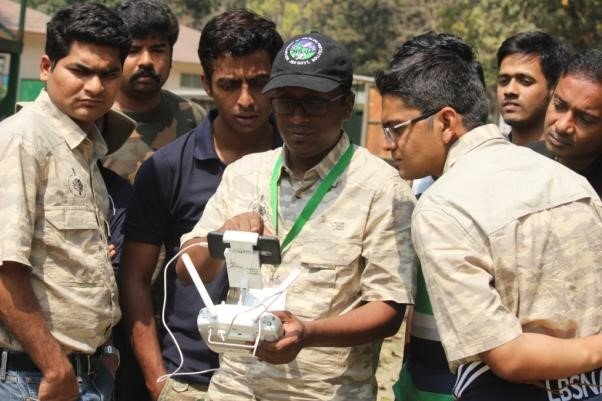
Similarly, to address the increasing incidents of conflicts in Uttar Pradesh, WTI in association with Uttar Pradesh Forest Department (UPFD) has formulated conflict mitigation teams at hot-spots of conflict, near the Tiger reserves and other forested areas. These teams are called upon when tiger move into human settlements and causes conflict with people. Though effective on many accounts, an urgent need is felt to equip these carnivore conflict mitigation teams with new methods of addressing conflict. Unmanned aerial vehicles (UAVs) especially quadcopters in India, could not only be a great tool for monitoring a species' population and determining its range, it could additionally usher a new way of managing different wildlife conservation issues. For instance, they could stop poachers, before they strike by pinpointing their locations as well as address human wildlife conflict. With this mindset, WTI equipped the Dudhwa TR forest officials with a quadcopter (a multi-rotor drone operated manually) to help the conflict management team in their work of action. By getting nearer to a ‘problem animal’ than frontline forest staff often can, the quadcopter with its bird eye view can easily cover a large distance of the conflict area, remotely identify the location of the ‘problem animal’ and help the team to strategize procedures for tranquilizing and rescue, without any risk of casualty to the team as well as the individual animal. The quadcopter was handed over to Mr. Mahaveer Kaujalgi, Deputy Director of Dudhwa Tiger Reserve. Basic flying guidelines were provided to the frontline forest staff on how to use the quadcopter in field by Dr. Mayukh Chatterjee.
With dedicated efforts, the Forest Department, which has nearly a hundred year of experience in wildlife conservation and with support from the NGOs and local people, the challenging task of conserving wildlife for next hundred years, seems not a distant cry.
Project reports on GlobalGiving are posted directly to globalgiving.org by Project Leaders as they are completed, generally every 3-4 months. To protect the integrity of these documents, GlobalGiving does not alter them; therefore you may find some language or formatting issues.
If you donate to this project or have donated to this project, you can receive an email when this project posts a report. You can also subscribe for reports without donating.



Support this important cause by creating a personalized fundraising page.
Start a Fundraiser