By Jenna Bailey | Program Officer
How wild tigers are reclaiming areas of their historic range
Across Asia, projects bring hope for the future of tigers
On July 29th—Global Tiger Day—tigers, and all of us who care about their future, had reasons to be hopeful. Across Asia, wild tigers are slowly returning to the areas they once roamed. Having lost 92% of their historic range, tigers now inhabit only a fraction of the territory they once called home. But thanks to the collaborative efforts between WWF, governments, communities, and other NGOs, tigers are making a comeback.
Let’s dive into a few of the regions in Asia where tigers are making a return:
India
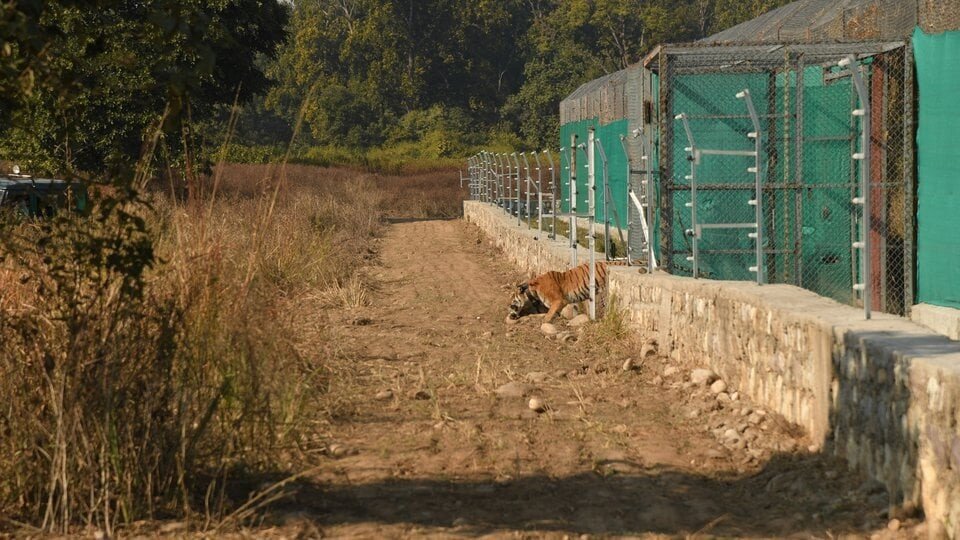
The Terai Arc landscape in northern India is home to the Rajaji Tiger Reserve. This region is home to an incredible array of wildlife, including tigers. However, rapid urban expansion has placed growing pressure on the surrounding natural areas. Rajaji Tiger Reserve has been especially impacted, with a city, railway line, and highway slicing through its center and making it nearly impossible for tigers to move between the eastern and western parts of the reserve. To address this, translocation is being used to boost tiger populations in the western region. Since 2021, five tigers have been successfully relocated from a nearby reserve. WWF-India has supported these efforts and continues to monitor the movements of the translocated tigers. WWF is working to enhance functional wildlife corridors to improve connectivity between tigers across the reserve. With these efforts underway, there is growing home for the recovery of the tiger population in Rajaji.
Kazakhstan
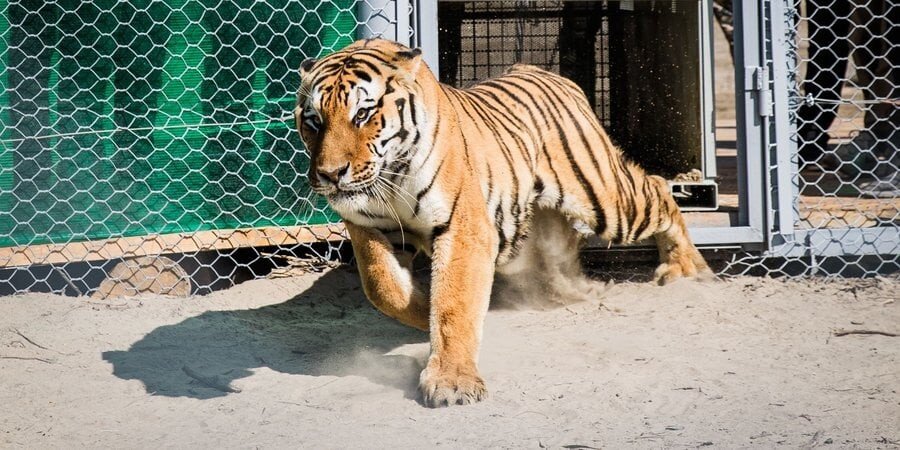
In Kazakhstan, a landmark conservation initiative is underway to reintroduce wild tigers to a country where they have been extinct for more than 70 years. In 2024, two captive Amur tigers were translocated from a reserve in the Netherlands, to a semi-wild enclosure in Kazakhstan’s Ile-Balkhash Nature Reserve. The goal is for these tigers to reproduce, allowing future generations to be released into the wild. Kazakhstan plans to continue reintroducing wild tigers to the landscape to support genetic diversity and build a healthy, stable population. This ambitious program is led by the Government of Kazakhstan, with support from WWF and the United Nations Development Project.
Thailand
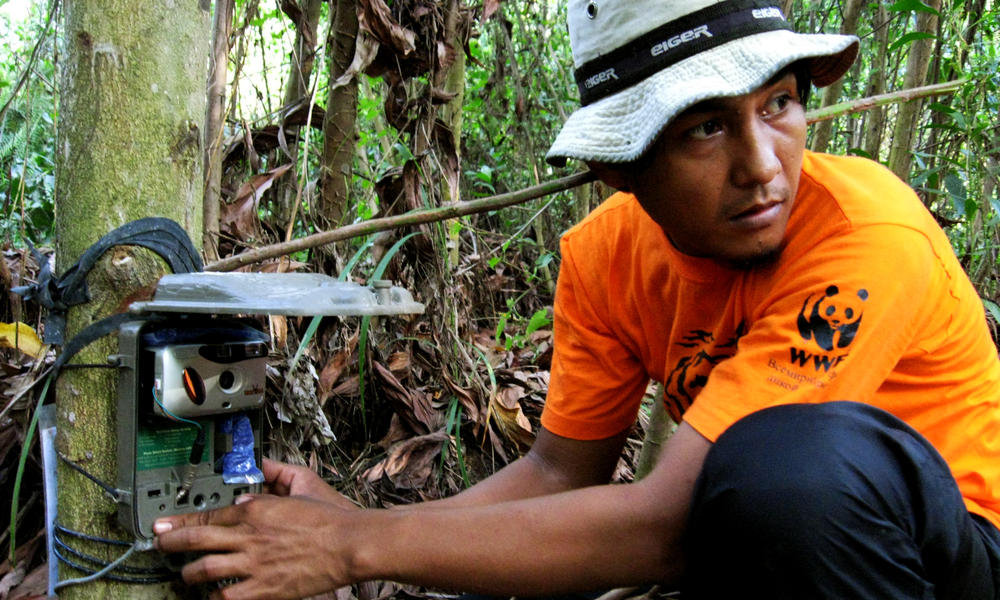
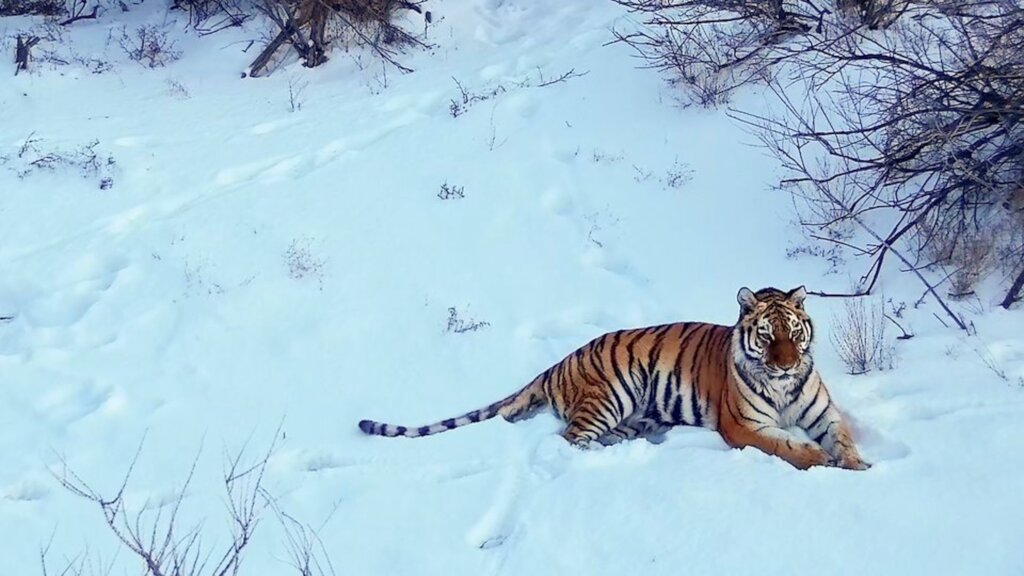
In 2022, a tiger footprint was discovered in northwest Thailand’s Mae Ping-Om Koi Forest Complex—a conservation area spanning more than 1,300 square-miles. For years, it was believed that tigers no longer roamed this region. The footprint was a remarkable find, and just months later, a camera trap confirmed the presence of a tiger in the same forest. It’s likely that the tiger traveled from a source tiger population located more than 60 miles south, where decades of conservation efforts have helped the population recover. Efforts are now underway to improve connectivity between these two regions, offering hope for a sustained tiger presence in Mae Ping-Om Koi.
How you can help!
Thanks to supporters like you, WWF has made significant strides in returning tigers to some of their historic ranges. But our work is far from over! You can join us by supporting this project and sharing it with your family, friends, and colleagues. Together, we can make a lasting impact and help tiger populations come roaring back. Thank you!
Links:
Project reports on GlobalGiving are posted directly to globalgiving.org by Project Leaders as they are completed, generally every 3-4 months. To protect the integrity of these documents, GlobalGiving does not alter them; therefore you may find some language or formatting issues.
If you donate to this project or have donated to this project, you can receive an email when this project posts a report. You can also subscribe for reports without donating.



Support this important cause by creating a personalized fundraising page.
Start a Fundraiser