By Hannah Thirananthasombun | Project Coordinator
As technology evolves, so do the tactics of online predators. From January to May 2026, the HUG Project has been actively working on the ground to address a critical and rapidly growing threat: the misuse of Artificial Intelligence (AI) to exploit young people. Thanks to your ongoing support, we have adapted our defense strategies to meet these complex digital dangers head-on.
Here is how your generosity helped us protect the digital generation over the last five months:
1. Empowering 1,230 Students to Navigate the AI Era Safely
During this period, our team traveled to various schools and educational institutions to deliver cutting-edge digital safety workshops. We are thrilled to report that we reached 1,230 students and youth, equipping them with the awareness they need to stay safe in an increasingly AI-driven world.
Modern online threats have become incredibly sophisticated and closer to our children than ever before. Rapid advancements in AI mean that youth can easily let their guard down and fall victim to scams. To counter this, our team updated our curriculum to include a comprehensive breakdown of AI technology—including its basic concepts, its benefits, and most importantly, how criminals misuse it.
2. Unmasking AI-Powered Threats
Our workshops demystified the specific, high-tech tactics currently used by perpetrators to deceive youth, manipulate information, and build false credibility. We educated students on how to recognize and avoid:
Algorithmic Harassment & Priming: How online systems can target and groom vulnerable youth.
Deepfake Sextortion: The terrifying use of AI-manipulated imagery for blackmail.
Deepfake News & Misinformation: Fabricated media designed to mislead.
Deepfake Voice Cloning Fraud: Criminals mimicking the voices of loved ones or trusted figures to scam children.
Deepfake Cyberbullying: Using altered media to harass and humiliate peers.
AI Chatbots: Understanding the risks of interacting with automated, manipulative entities online.
Because predators now use AI to generate highly convincing fake audio, videos, and identities, children face a much higher risk of online human trafficking. Our sessions pulled back the curtain on these tactics so predators can no longer catch them off guard.
3. Building Digital Resilience and Practical Solutions
Beyond identifying threats, we focused heavily on equipping these students with actionable lifelines. Our team provided deep insights into:
The psychological and social impacts of AI misuse.
Practical, step-by-step guidelines for digital self-protection.
Support systems and rights for those affected by digital threats.
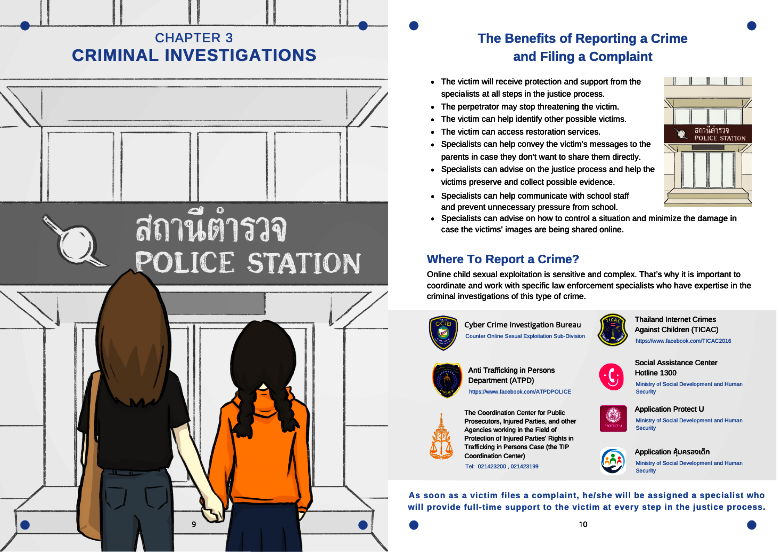
Clear reporting channels and immediate ways to seek help if they or their friends become victims.
Our core mission for this initiative is to ensure that the next generation is not just tech-savvy, but tech-smart. By supporting these workshops, you have given 1,230 students the critical thinking skills to outsmart digital predators, protect their personal boundaries, and safely harness technology in their daily lives.
Case Update: Victim Assistance and Law Enforcement Collaboration
To highlight the ongoing importance of our protection efforts, we would like to share a recent case from April 2026 involving direct intervention and survivor support.
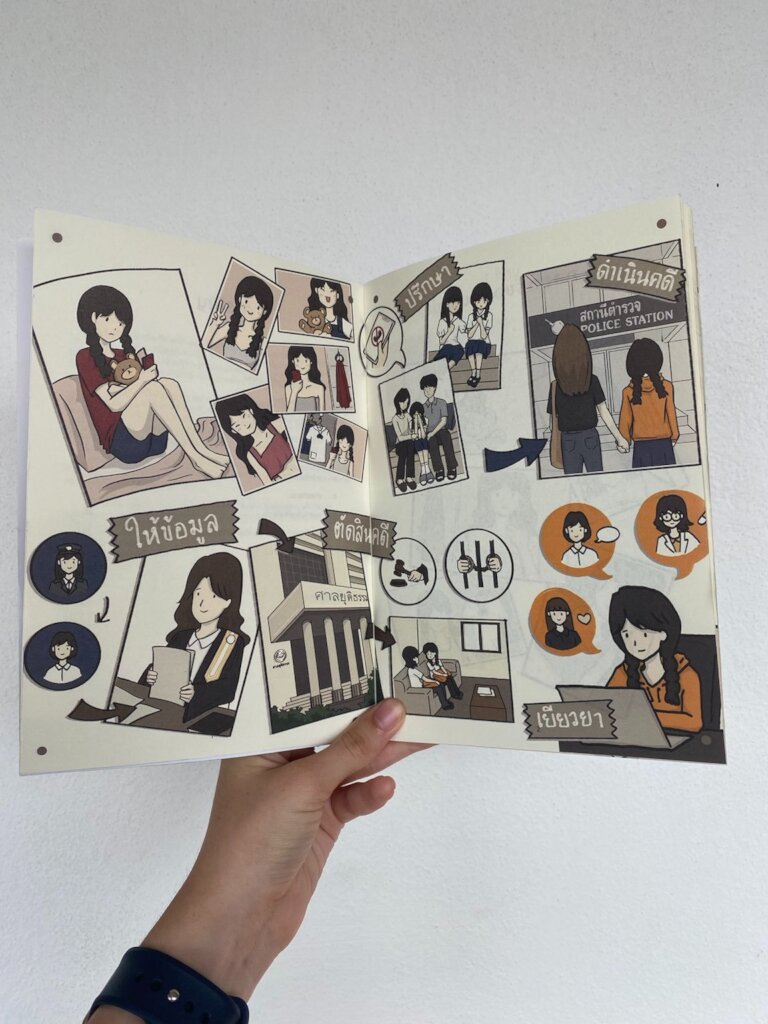
The Hug Project collaborated with police officers to provide urgent assistance to an 8-year-old girl who had fallen victim to an online offender. An investigation revealed that the perpetrator met the child through an online platform, where he focused on building rapport with her. He then enticed the victim by offering in-game items as rewards to produce and send him sexually explicit material (Child Sexual Abuse Material or CSAM).
Upon receiving the report, the HUG Project immediately coordinated with law enforcement to track down the perpetrator. Our team supported the operation by connecting the police with the relevant online platforms to facilitate the request for user data and obtain the offender's account information, which proved vital to the police investigation.
Armed with this digital evidence, the police successfully identified, located, and arrested the perpetrator. A search of his property revealed that the offender had stored a large volume of photos and videos related to child sexual exploitation, and was actively distributing and offering this material for sale through various online channels.
Alongside the legal proceedings, the HUG Project focused heavily on victim protection and rehabilitation. We advised the guardians to take the young survivor to a hospital for specialized evaluations by psychologists and child and adolescent psychiatrists. This care is essential to assess her development, monitor her mental state, and mitigate potential psychological impacts. We continue to provide ongoing support to the family to help them recover emotionally and safely adapt back to daily life.
This rescue is a stark reminder of why our digital safety workshops are so critical. Your support isn't just funding education—it is actively saving children from exploitation and helping survivors heal. Thank you!
Project reports on GlobalGiving are posted directly to globalgiving.org by Project Leaders as they are completed, generally every 3-4 months. To protect the integrity of these documents, GlobalGiving does not alter them; therefore you may find some language or formatting issues.
If you donate to this project or have donated to this project, you can receive an email when this project posts a report. You can also subscribe for reports without donating.



Support this important cause by creating a personalized fundraising page.
Start a Fundraiser