By Slavica Vasic Mitrovic | Directoc
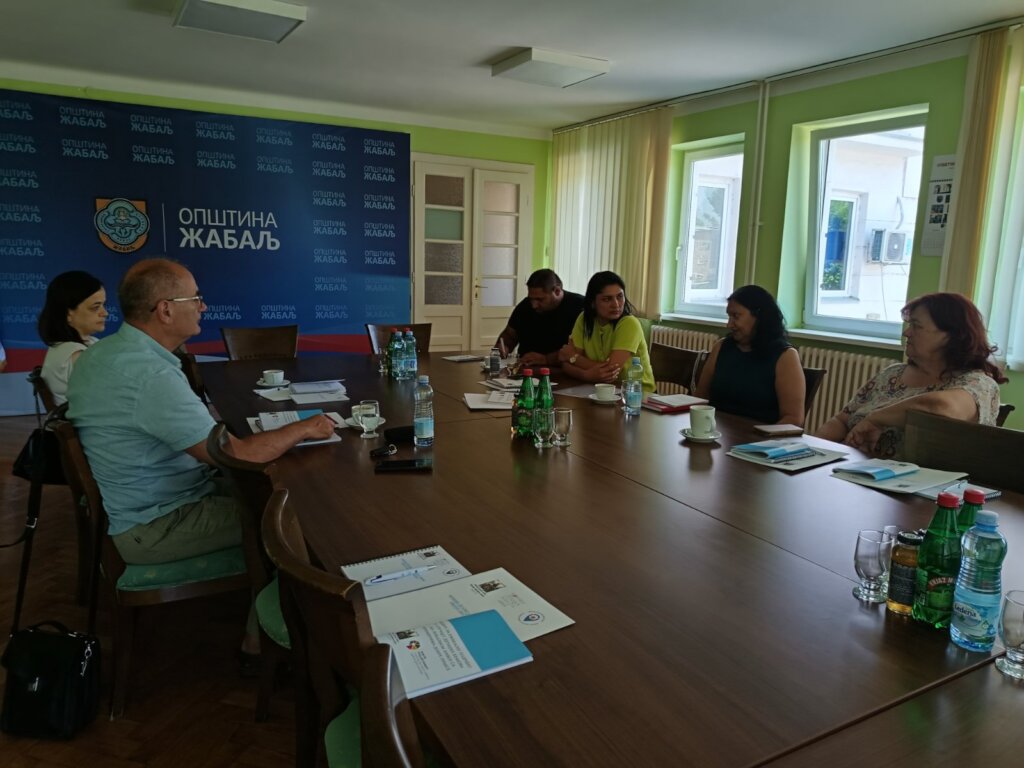
The project is addressed to the Roma community, representatives of institutions, as well as Roma women activists, in order to comprehensively act on the causes and consequences of child marriage. Through the project, we point out the various problems faced by Roma women, especially those who are victims of child marriage. It is carried out in municipalities and cities: Pirot, Bujanovac, Vranje, Kostolac, Zrenjanin, Pancevo, Zabalj, Leskovac, Kruševac, Zvezdara (Belgrade). The criterion for the selection of these local self-government units was that they are those local self-government units that have the highest percentage of child marriages, but also the existing capacities of RZM organizations to implement various actions in their communities.
Another criterion for the selection of 10 pilot municipalities is the existing signed Protocols for the improvement of cooperation and the development of integrative social protection of women victims of domestic and partner violence and the prevention of child marriage at the local level.
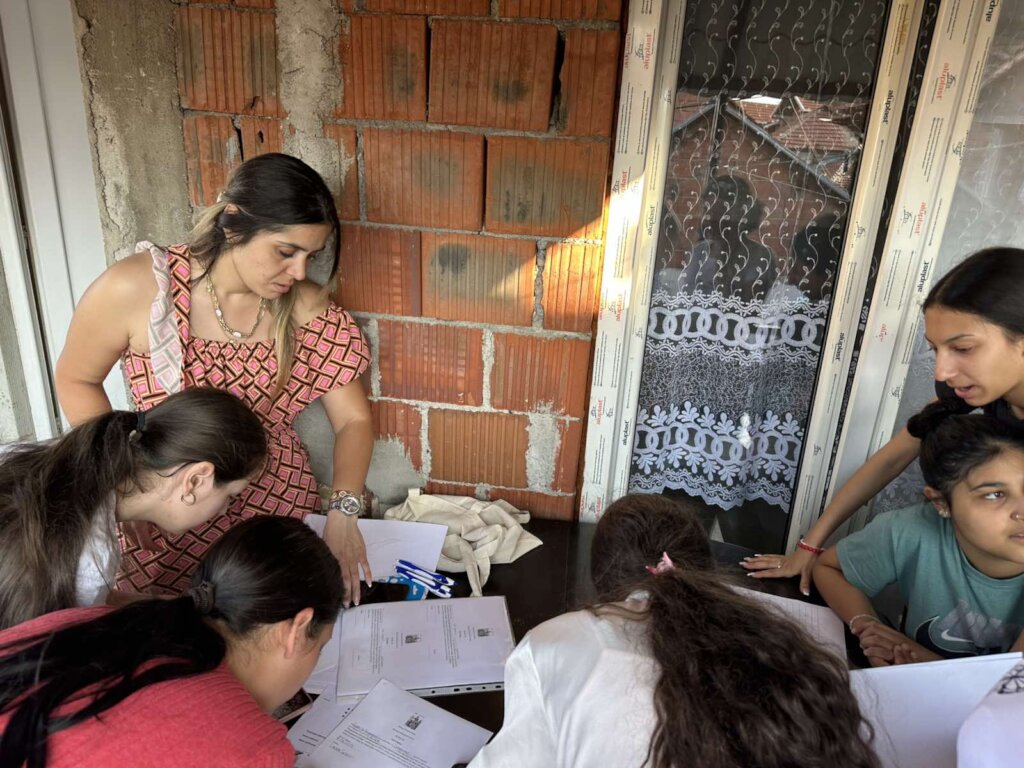
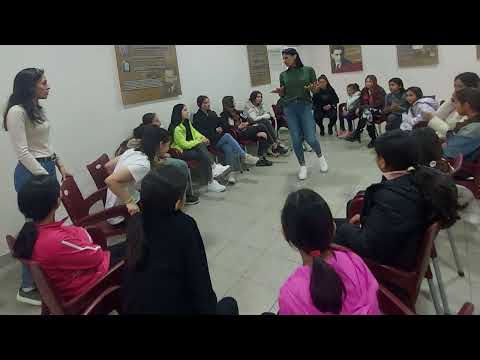
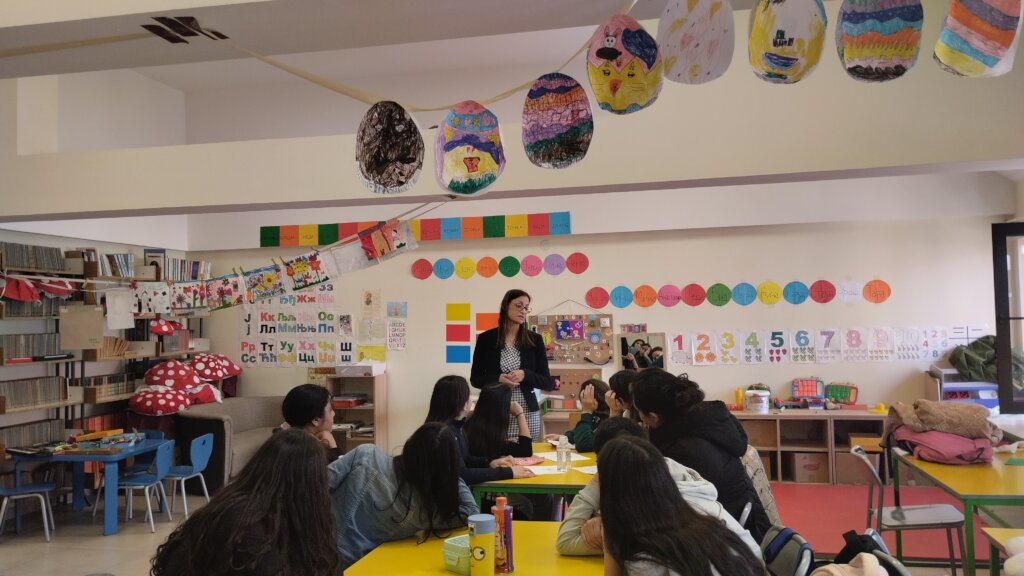
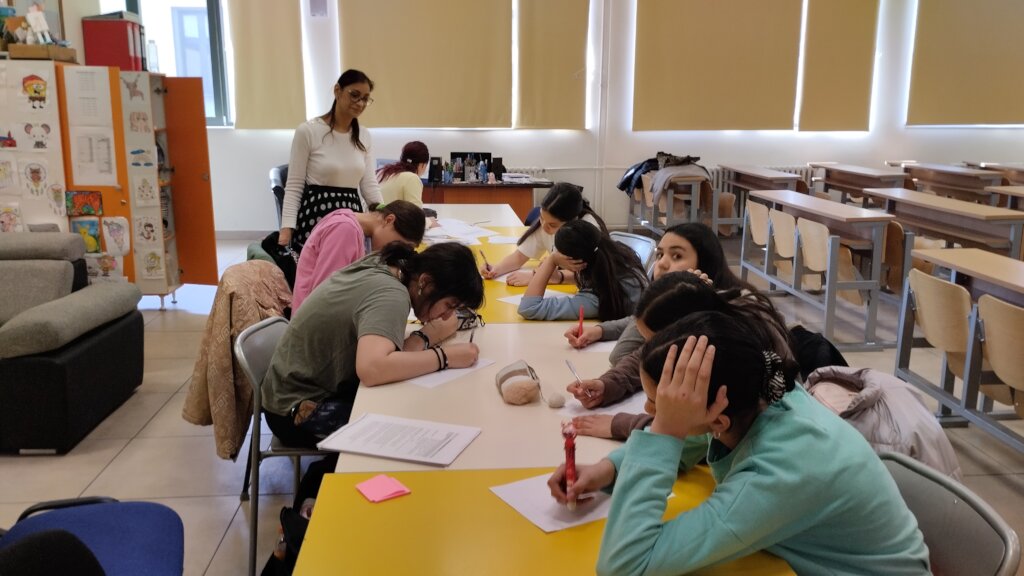
vOrganization of 3 rounds of workshops (480 workshops) with Roma women and girls on raising self-confidence and protection against child marriage and 480 forums
So far, 480 workshops and 480 forums have been held
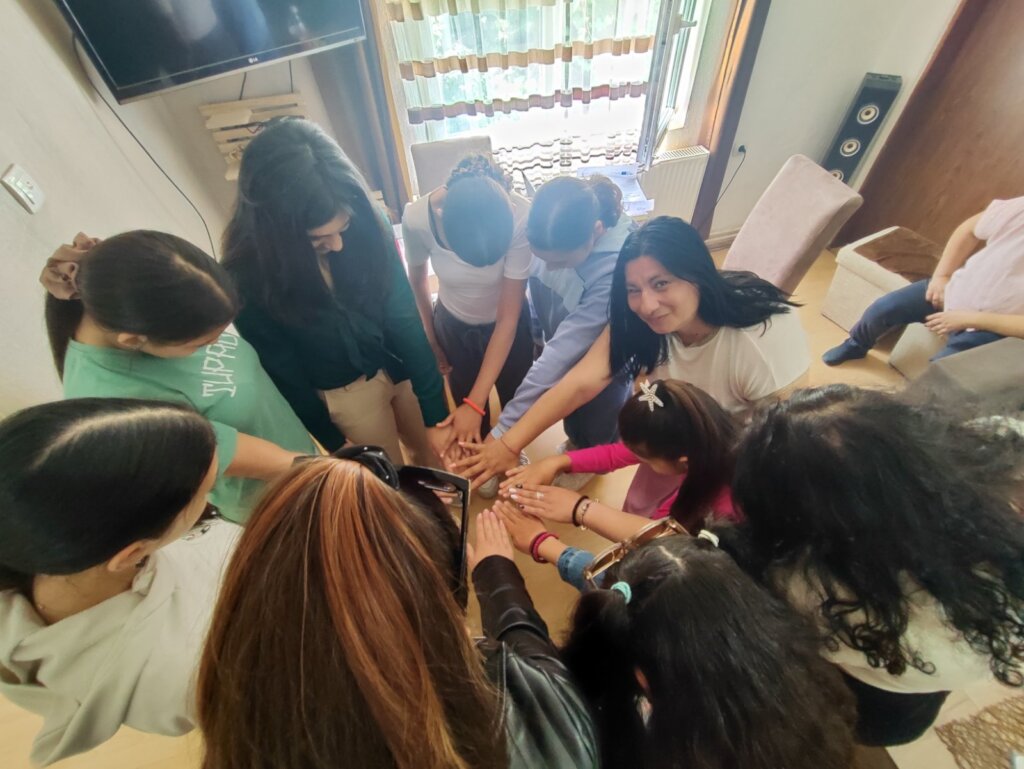
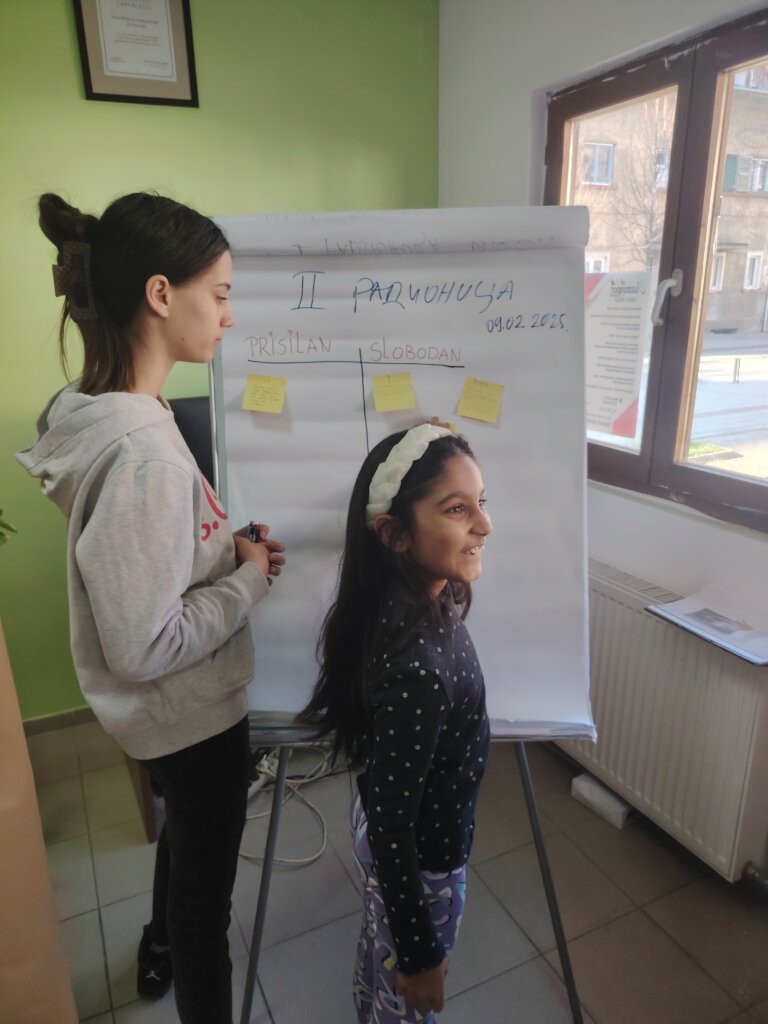
In meeting the realization of one of the main strategies of work, i.e. education, workshops were organized with Roma girls and young women, all with the aim of raising their awareness about the rights of children and women and the legal regulations of Serbia, as well as protective mechanisms in providing resistance to child marriage.
Analyzing the entire work at the workshops, it can be concluded that a lot of work was done to empower Roma women and girls to see the importance of their empowerment, to strengthen their female identity, to understand the importance of abolishing the harmful traditionalist practices of early marriage, as well as creating favorable conditions for paying more attention to the problem of women's health, noticing the harm of underage pregnancies.
What is specific about these workshops is that the participants of the workshops are new girls in each settlement, who were recognized as bearers of change in their communities. Looking at the reports for this series of workshops, it can be concluded that the interest in these workshops is high. At the very beginning of this cycle of workshops, the girls were closed and shy. The task of these workshops is to empower Roma women and young women and girls to see the importance of strengthening, strengthening female identity, abolishing harmful traditionalist practices of early marriage, as well as creating favorable conditions for paying more attention to the problem of women's health, noticing the harmful effects of underage pregnancies. 9vRaising the awareness of members of the Roma community so that they have a greater understanding of the rights of children and women and the consequences of the harmful practices of child marriage, as well as to receive information about the legal regulations and protective mechanisms of Serbia in the fight against child marriage.
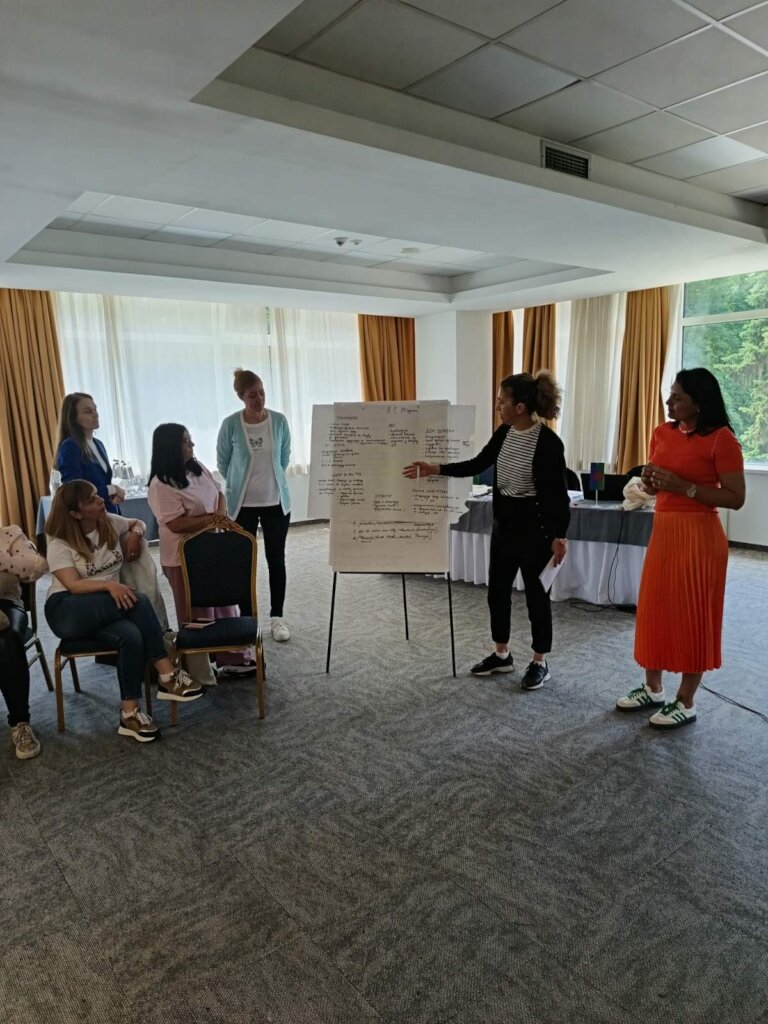
The main goal of holding the forums was to raise awareness in the Roma community, especially among parents, about the harmful practice of child marriage, opportunities for response and ways to support children, especially girls.
The stands were made with mothers and fathers. So far, 480 tribunes have been held with 900 participants
Even though there was a justified fear of panel leaders (which they expressed at the training sessions for leading panels) because until now they mostly worked with women and girls, and the panels also include men, they successfully realized them. Some of the fears related to the forums were related to whether the community would respond and how they would accept the topic, how they would deal with existing prejudices.
Being familiar with working in the field with adults, they were aware that it may happen that not all participants attend all topics, so it turned out to be good that the scenario for the forums is permeated with frequent repetition of what has already been said, so that everyone is clear about what they are talking about and what their position is.
From the reports from the forums, it can be concluded that the views of Roma women and men who participated in these forums clearly indicate that the position of Roma women is determined by a strong patriarchal tradition, which often manifests itself as irregular school attendance, early school leaving and early marriage. Then comes the birth of children. Without school and a professional title, without work experience, and with a large number of children, with increasingly pronounced discrimination, Roma women find it difficult to find a job.
For the Roma women who participated in the forums, who are 45 and older, this picture of the life of women in Roma families is common and even desirable, and they see nothing wrong with it. Their views are reflected in the message to young girls that "a woman must know how to run a house and a family, to be responsible for the birth of children and that the family must have many children". In addition, the young girl and her mother also have the responsibility of virginity. This age group of our participants stuck very firmly to their "arguments", claiming that today's increasingly frequent divorces and disagreements in marriage are precisely the fault of disrespect for tradition.
On the other hand, younger Romani women, participants in the forums, do not want their daughters to prove their virginity by showing the sheets, while some of them are still undecided on the issue and are closer to the opinion that the custom of preserving virginity has more good features than bad. Tribunes where men gave the main speech showed that tradition, upbringing and expectations of parents, especially fathers, play an important role in the lives of Roma women. Participants of tribunes of all age groups would feel guilty if they did something contrary to tradition, slightly less than 30% of women at the tribunes claimed that they would not feel guilty, while the rest did not declare themselves clearly and avoided a concrete answer. Everyone, both men and women, agree that tradition, including Romani tradition, does not place men and women in the same position. In response to the question why they think they are not in the same position, the men gave these answers: "why should they be, a woman must listen to her husband", "a woman is below a man", "such is the tradition, it has been like this for a hundred years", "a man and a woman must not have the same position, it must not be the same position, then women would go wild, a man must take care of the family, a woman is for the home, and a man is for outside the home...".
This activity provided a more comprehensive and accurate insight into the traditional practices and beliefs of the Roma community. Findings from the field collected during the forums clearly support the fact that the Roma tradition has all the characteristics by which this concept is recognizable, namely a set of values, norms, customs that are symbolically remembered and incorporated into cultural, national, regional, local individual and collective identity.
The forums contributed to:
- that, perhaps for the first time in some, there is a public discussion in the Roma community, especially with the mothers of Roma women, about the harmful consequences of early marriages on reproductive health, especially of young girls, and about the importance of education;
- to have a public discussion in the Roma community with the inhabitants of the listed settlements, about the rights of children and women, the importance of education and the harmful consequences of customary practices, with a focus on early marriages and childbirth;
- this kind of work influenced the change of attitudes of mothers and fathers from the Roma community, who are participants in workshops and debates, towards early marriage and other customary practices that slow down the progress of the community;
. clear and strong support was provided to girls and young women to complete primary education and continue their education with a clear message to their parents as to why it is important to enable them to do so;
- a discussion was opened on changes in the attitudes of the Roma community regarding family planning;
- 30% of members of the Roma community, who participated in the forums, improved their knowledge about the problem of child marriage and its consequences.00 girls participated in the workshops. As the participants progressed, the girls were more and more open and willing to discuss the topics foreseen by the methodology that was developed at the beginning of the project. Active participation in workshops and answer all questions and share their experiences with other girls.
Girls had different views on child marriage, and the discussion about the consequences of early marriages sparked interest. They are aware of the negative effects that early marriage can have on their health, education and future. They became aware that marriage at a young age is not only a social norm, but a serious life choice that can bring negative consequences for their physical and mental well-being. A conversation about pregnancy and reproductive health helped the girls understand basic information about pregnancy, the menstrual cycle and health. Despite the difficult working conditions, the lack of space for work, in some of the settlements there is no developed infrastructure, water and electricity, their enthusiasm and interest in participating in the workshops is exceptional.
The girls who participate in our workshops believe that education is very important and that it is one way to reduce the rate of child marriage. Workshop participants who are in the final grades of high school are aware that early marriage affects all those who are in it and their families have support to complete their education. It is very important to support mothers and talk with mothers, and it would be very good if their proposal is to hold joint workshops with mothers and daughters in some folk period.
Project reports on GlobalGiving are posted directly to globalgiving.org by Project Leaders as they are completed, generally every 3-4 months. To protect the integrity of these documents, GlobalGiving does not alter them; therefore you may find some language or formatting issues.
If you donate to this project or have donated to this project, you can receive an email when this project posts a report. You can also subscribe for reports without donating.



Support this important cause by creating a personalized fundraising page.
Start a Fundraiser