By Evan Raftes | Project Leader
In parts of Ukraine, the danger doesn't announce itself. It just lands — and waits.
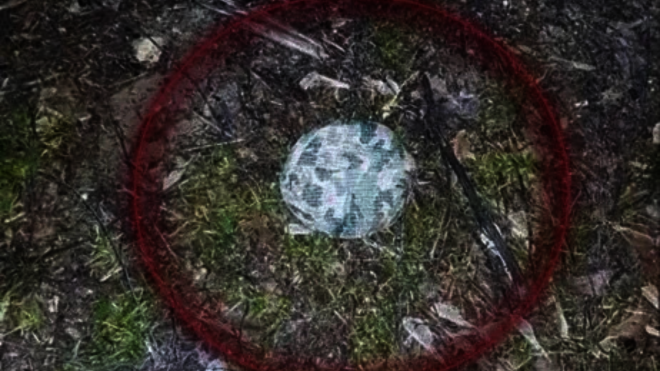
Russia has begun using cheap FPV drones to drop small anti-personnel mines across residential areas in cities like Kherson. They're called "Pryanik" — gingerbread — and the name almost sounds like a joke until you understand what they're designed to do. Round, palm-sized, wrapped in camouflage fabric. They disappear into grass, into litter, into the spaces where kids play. Seven kilograms of pressure is enough to trigger one. A toddler weighs more than that.
This isn't a front-line tactic. It's a neighborhood one.
Kherson's 60,000 remaining residents already spend most of their time in basements, listening for the sound of drones overhead. Now the ground outside their doors has become part of the threat. Walking to a pharmacy. Stepping into the yard. Letting a child outside for an hour. Every ordinary thing carries a calculation it shouldn't have to.
For our team at Hope For Ukraine, this has changed how everything works.
Aid deliveries are timed around bad weather, when drone activity slows. Teams look for tree cover in the open air. Residents hesitate at their own doors, listening before they step out. What used to be a logistics challenge is now a safety operation at every turn.
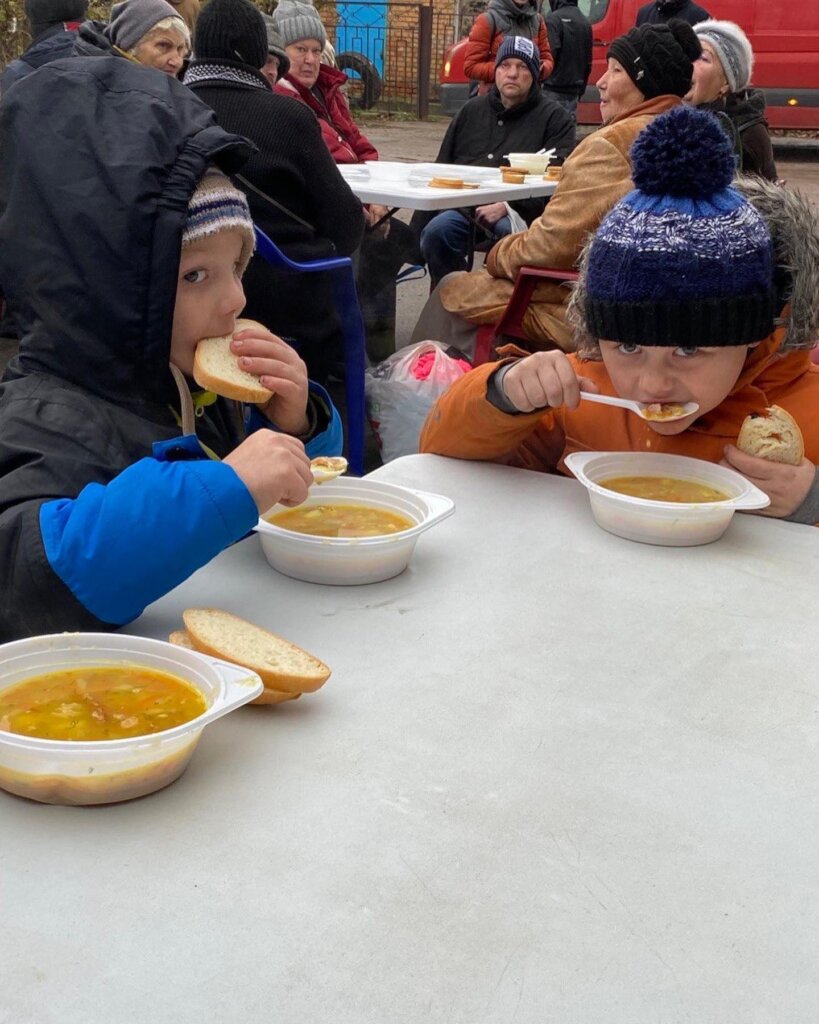
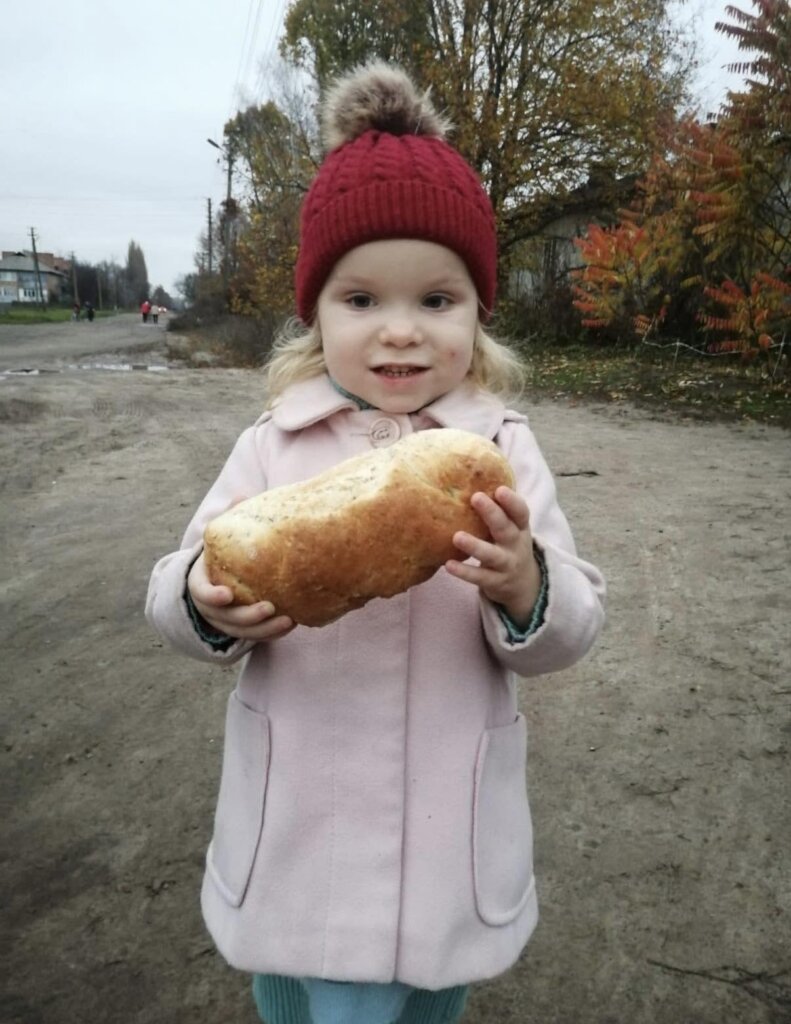
And yet the need doesn't stop. Families still need food. Homes still lose power. Children still need somewhere to just be children.
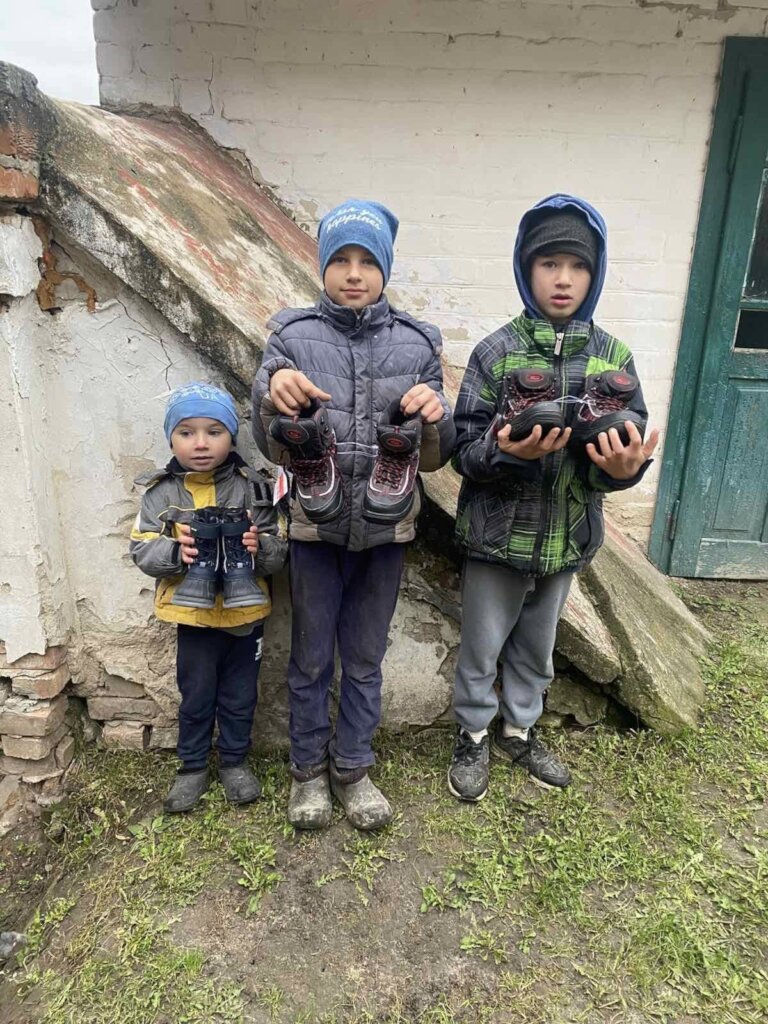
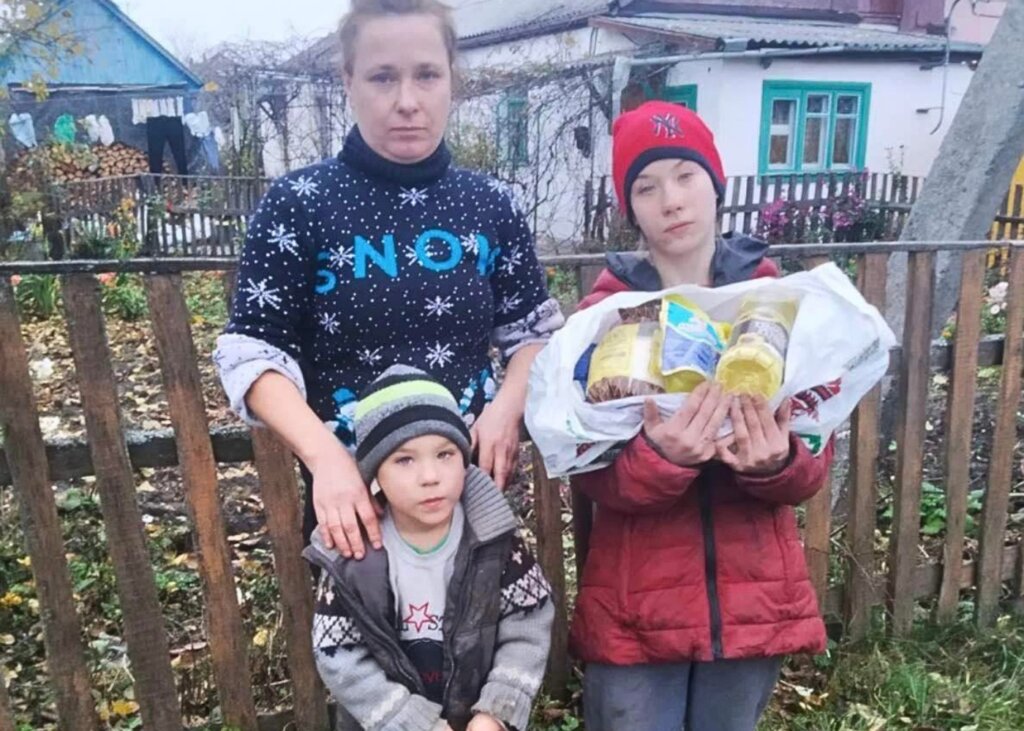
Through our Family Support Program, we're delivering food kits and essential supplies to families who can't safely leave.
Through our Solar Energy Resilience Program, we're keeping lights and heat on when the grid goes down.
Through our Children's Programs, we're giving kids after-school activities and summer camps — real moments of normalcy inside a situation that has very little of it.
As of April 2026, 1,431 people have been injured by Russian mines and explosive remnants since the full-scale invasion began. 147 of them were children.
That number will keep growing unless conditions change. Until they do, we'll keep showing up — adjusting, adapting, and making sure families in Kherson know they haven't been forgotten.
Your support makes that possible. Thank you for being part of this.
Links:
Project reports on GlobalGiving are posted directly to globalgiving.org by Project Leaders as they are completed, generally every 3-4 months. To protect the integrity of these documents, GlobalGiving does not alter them; therefore you may find some language or formatting issues.
If you donate to this project or have donated to this project, you can receive an email when this project posts a report. You can also subscribe for reports without donating.



Support this important cause by creating a personalized fundraising page.
Start a Fundraiser