By Silke Knebel | US Project Leader
We just published our 2021 Annual Report. We hope you enjoy the report!
Please see this link for our October 2022 Field Report.
FACT
OUR IMPACT
NEWS FROM THE FIELD
Forest conservation and Wildlife Management October 2022
We were able to purchase an additional 2.9 ha of forests, safeguarding them for future generations to face the years to come. Not much, but a piece of virgin forest, which is invaluable.
Our colleagues continue to install electric fences around the villages to prevent human-wildlife conflicts.
Our rapid intervention teams patrol almost every night to prevent wildlife from getting too close to the villages. This year we have seen a significant decrease in human-wildlife conflicts, but we have also had favorable conditions with abundant beech nuts.
Ecological restoration October 2022
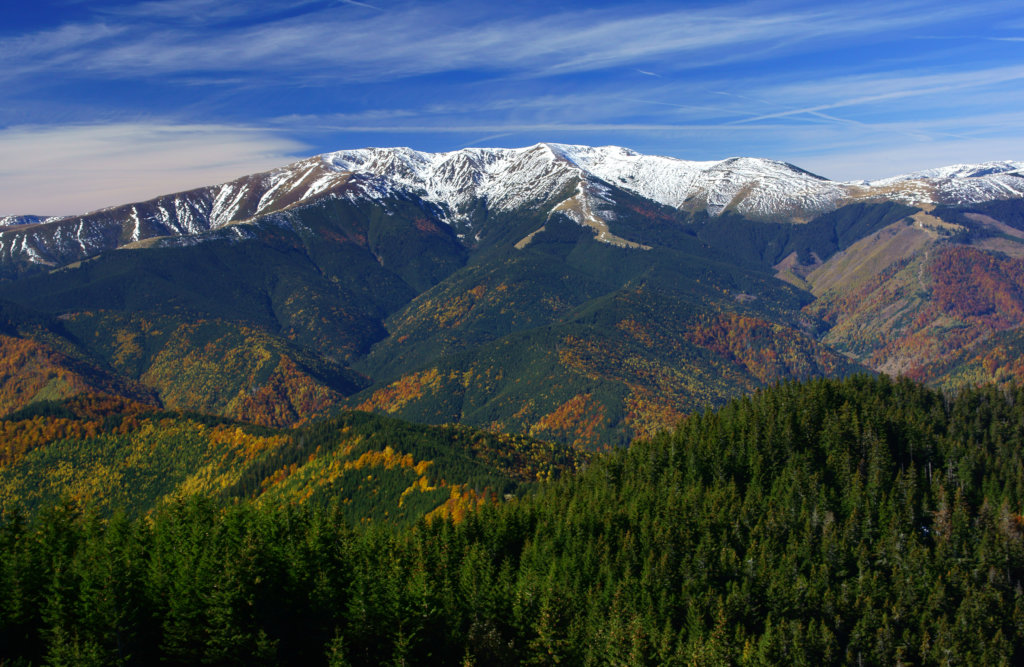
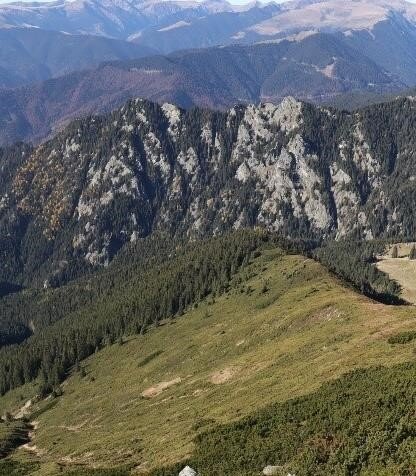
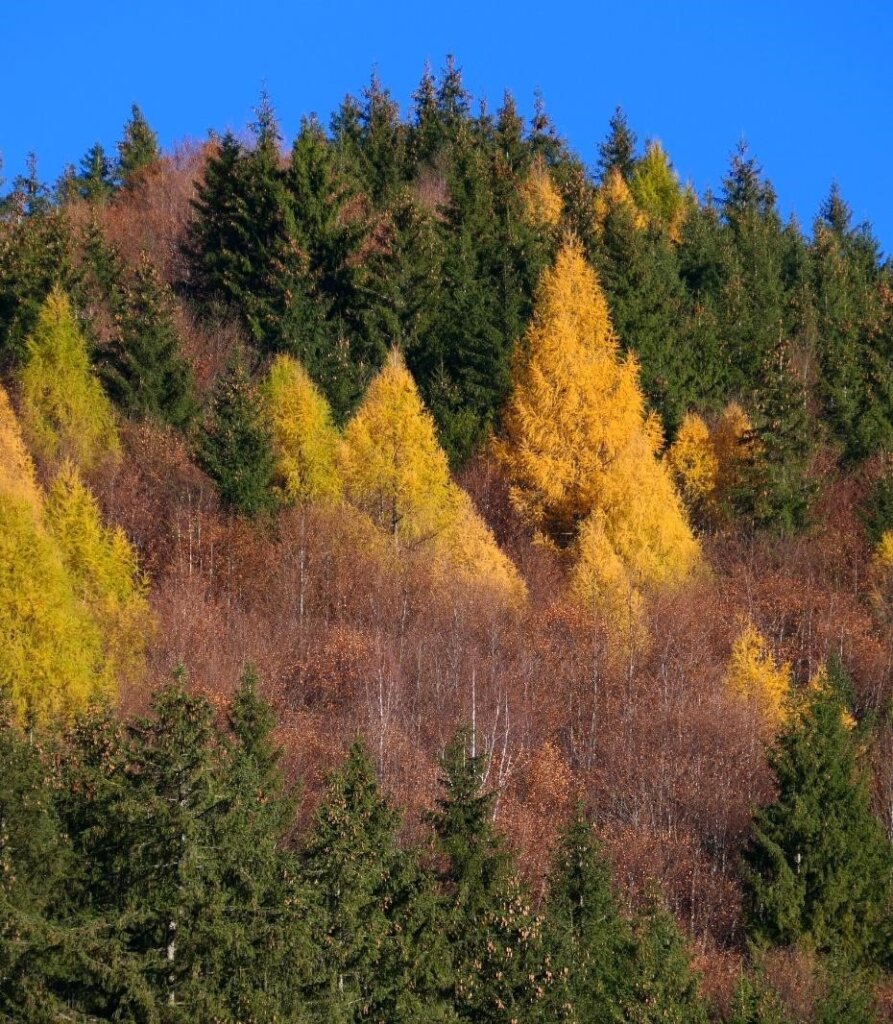
We have cultivated and prepared over 150,000 saplings from our nurseries for planting in the restoration sites in the Fagaras Mountains: fir, spruce, sycamore, beech, juniper, elm, rowan.
We have restored 700 m of forest floor in the Groapele restoration site.
We started the autumn planting season in five areas: Groapele, Dobroneagu, Basa, Zanoguta, Valea Dâmbovitei.
75 seasonal workers, five rangers and a subcontractor company are up in the Fagaras Mountains, ‘creating’ new forests. Public funding and individual donations make this possible.
We have continued the activity of eradicating invasive alien plant species (IAS): Erigeron annuus (daisy fleabane) in the Dâmbovitei Valley. This year's invasive alien plant species eradication activities have been largely successful – we have managed to greatly reduce their presence in the targeted area.
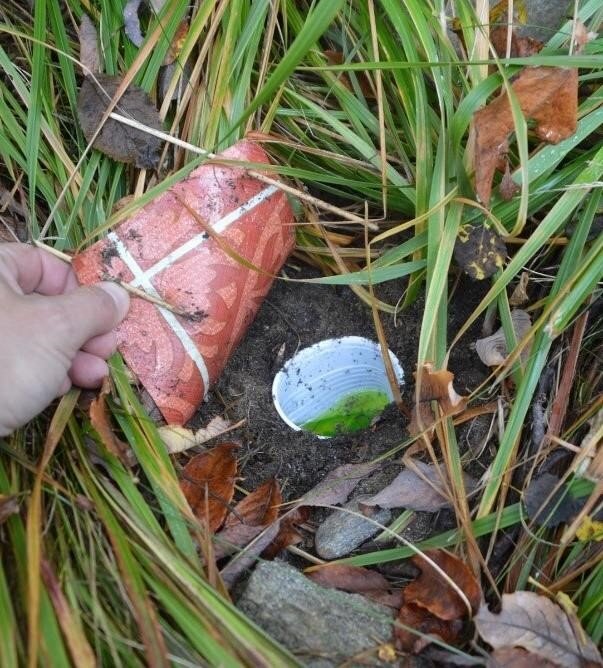
External specialists continued to monitor changes in the diversity and abundance of terrestrial arthropods in the project area.
Wildlife conservation & Monitoring October 2022
From this autumn, the bison have a new (third) starting point in the Fagaras Mountains – in Nucsoara, Arges County. The first three bison arrived from Slovakia, Germany and Sweden.
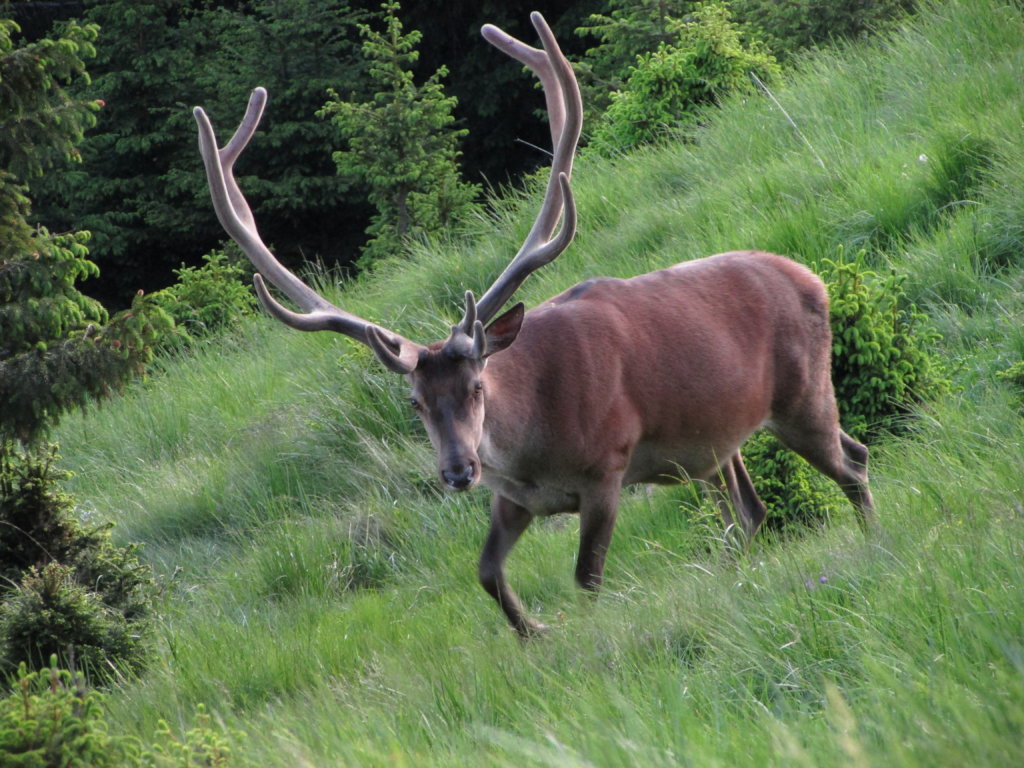
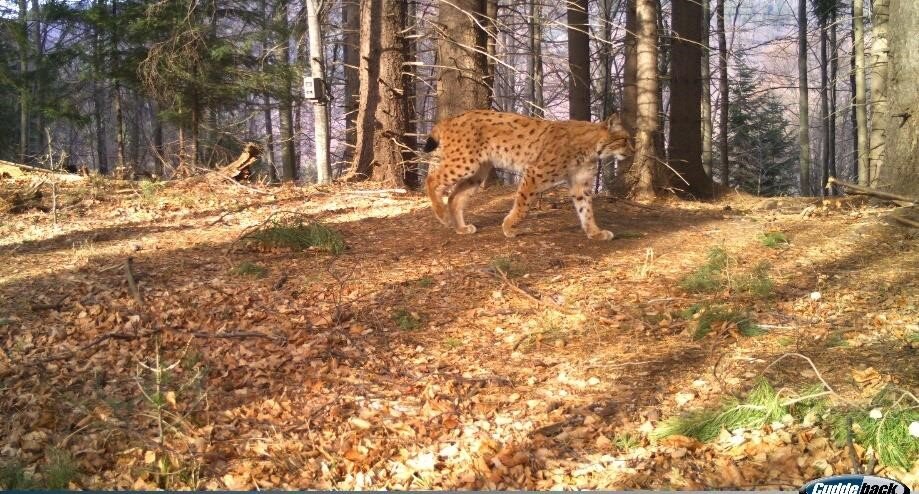
We have installed camera traps for monitoring the red deer rut, an impressive sight that red deer use to signal the start of the mating season. In addition, our rangers spent a lot of time monitoring red deer directly.
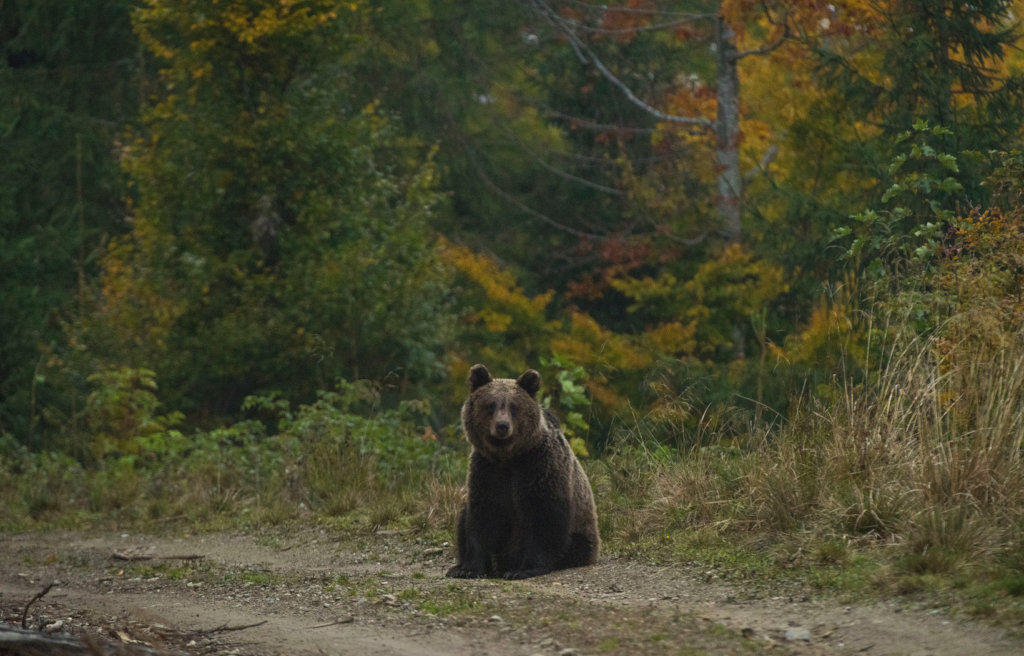
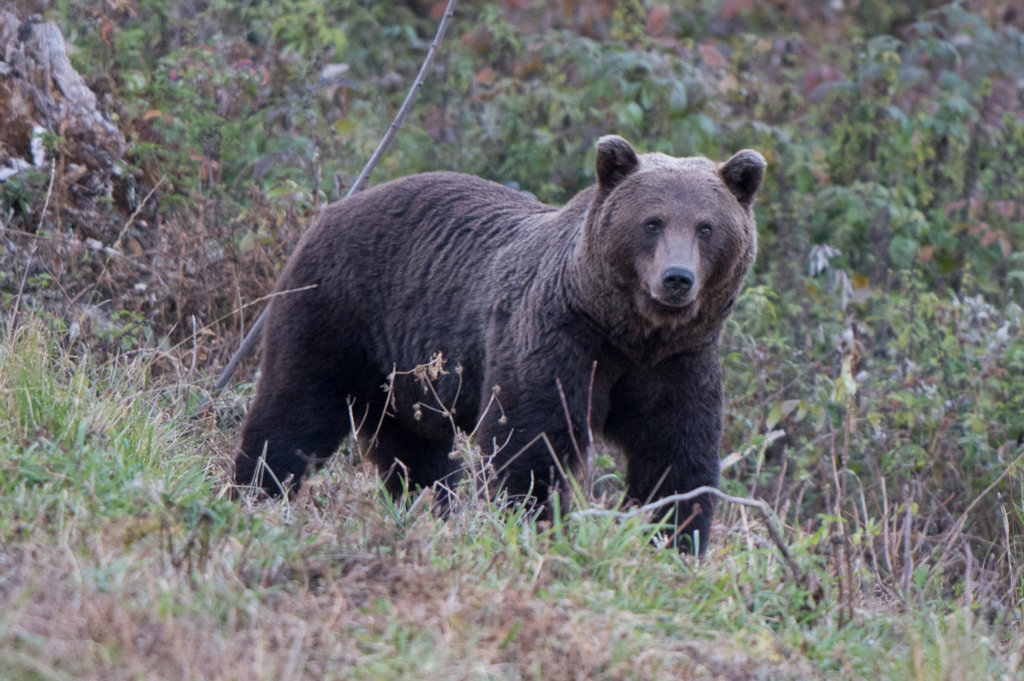
Our colleagues continue to collect biological samples for the new bear DNA study. Our second study covers an area of 120,000 hectares in the Fagaras, Piatra Craiului, Iezer-Papusa and Leaota Mountains.
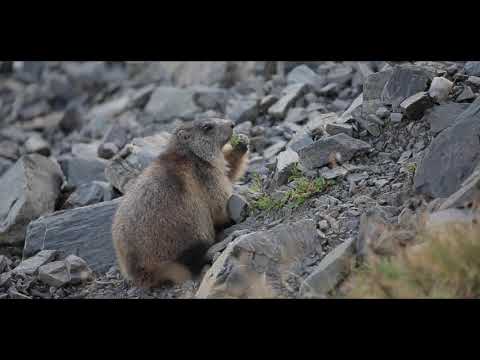
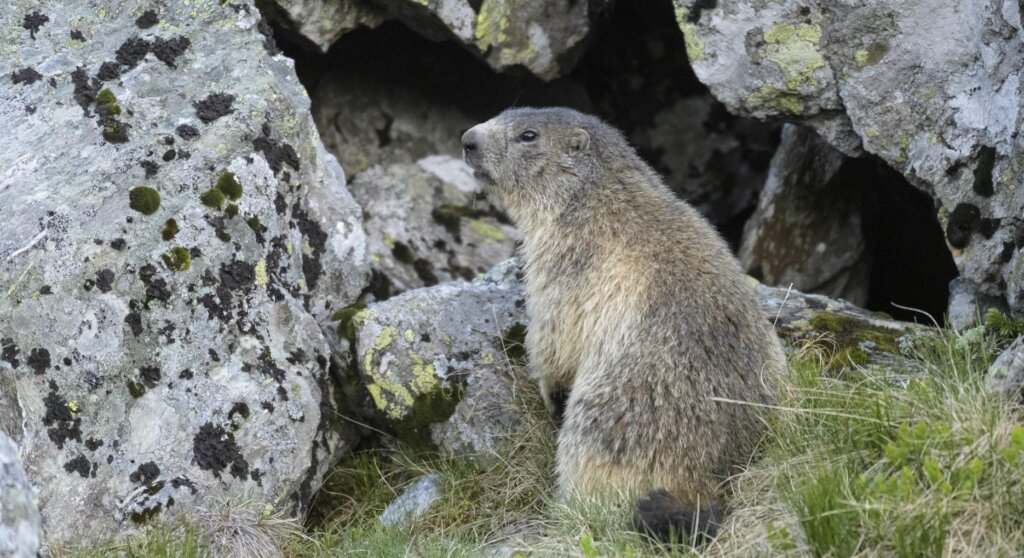
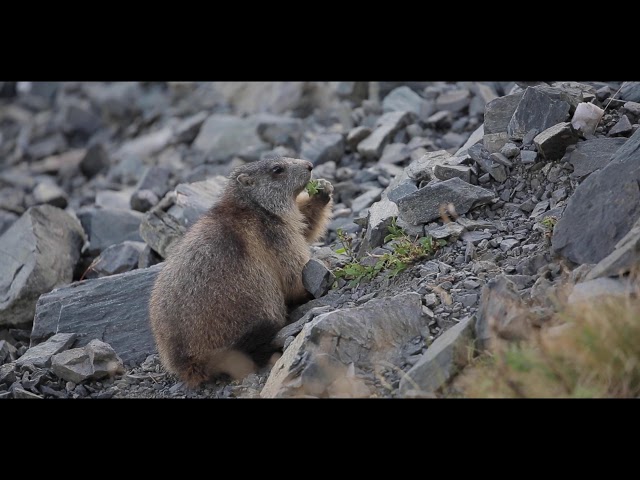
We keep monitoring golden eagles in the Fagaras Mountains – we have now collected further information on the distribution of their potential prey: capercaillie and marmots.
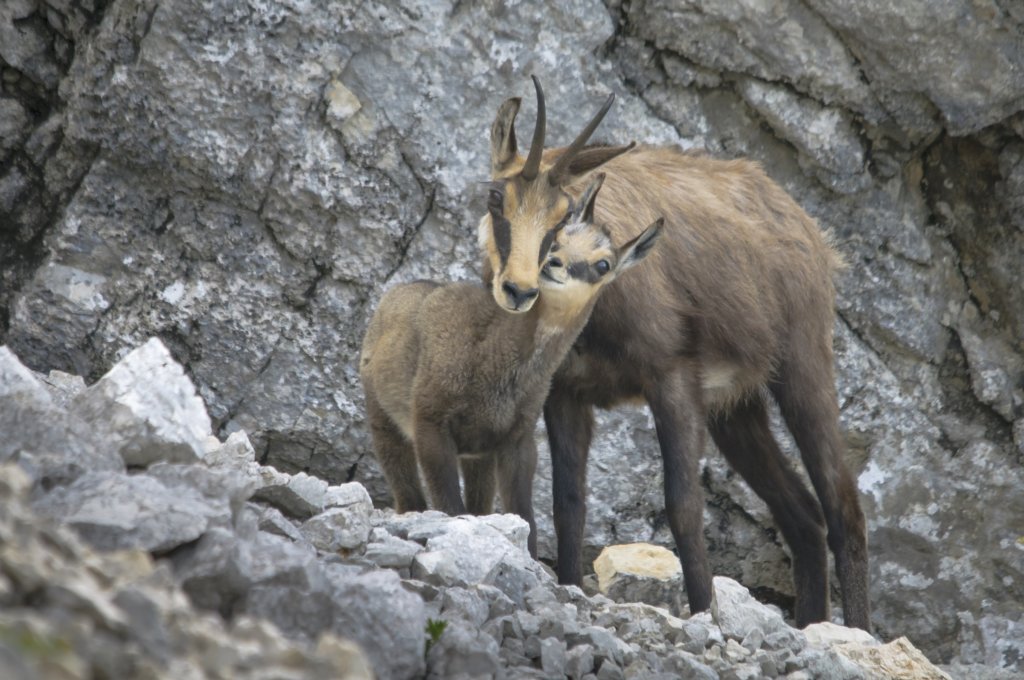
We managed to monitor chamois (species of goat-antelope native to mountains in Europe) across all our concessions. Despite our non-hunting policy, our results indicate only a slow increase in population. Chamois recovery from very low population levels (after significant overhunting) takes a lot of time, so we need to be patient. We estimate that the Iezer-Papusa mountains are home 50-60 chamois.
Conservation Enterprise Programs October 2022
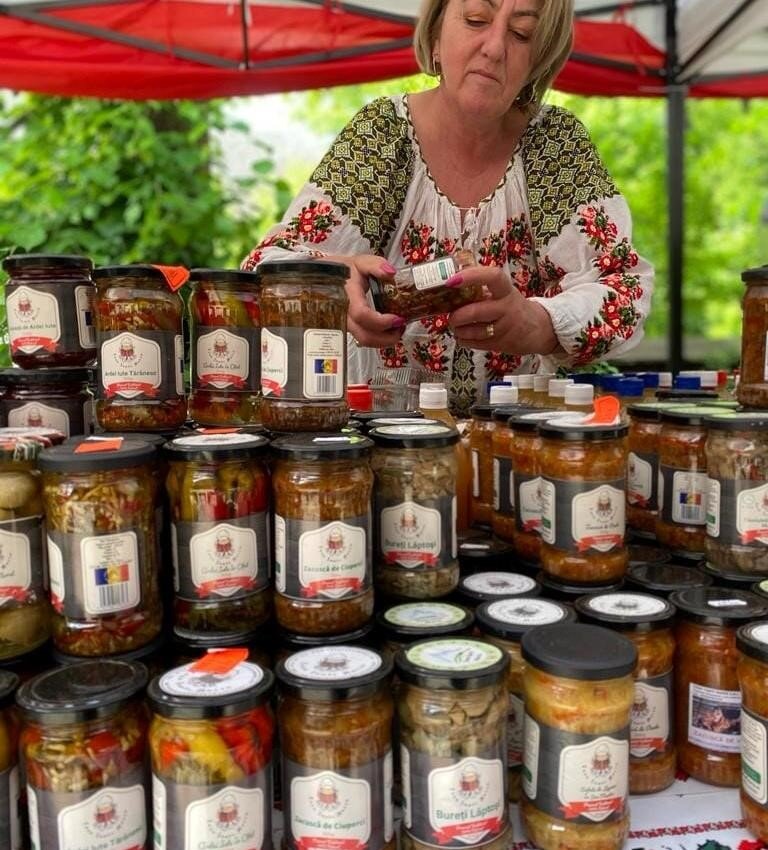
Gastronomy: is the study of the relationship between food and culture, the art of preparing and serving rich or delicate and appetizing food, the cooking styles of particular regions, and the science of good eating. FCC's Local Gastronomic Points (LGP) bring local tastes to guests, but also income to local entrepreneurs. Opposite to official restaurants, which require significant investments and paperwork, LGPs are an option for entrepreneurial families who want to offer local food to guests in their living room without a huge amount of bureaucracy. We have launched a new free consultancy programme to help residents get their LGP authorisation. The project is carried out in partnership with the Arges Veterinary Health Department. The program runs from October 2022 to March 2023 and will support entrepreneurs with free technical support in the process of authorising a LGP.
Major Partnership Achievements
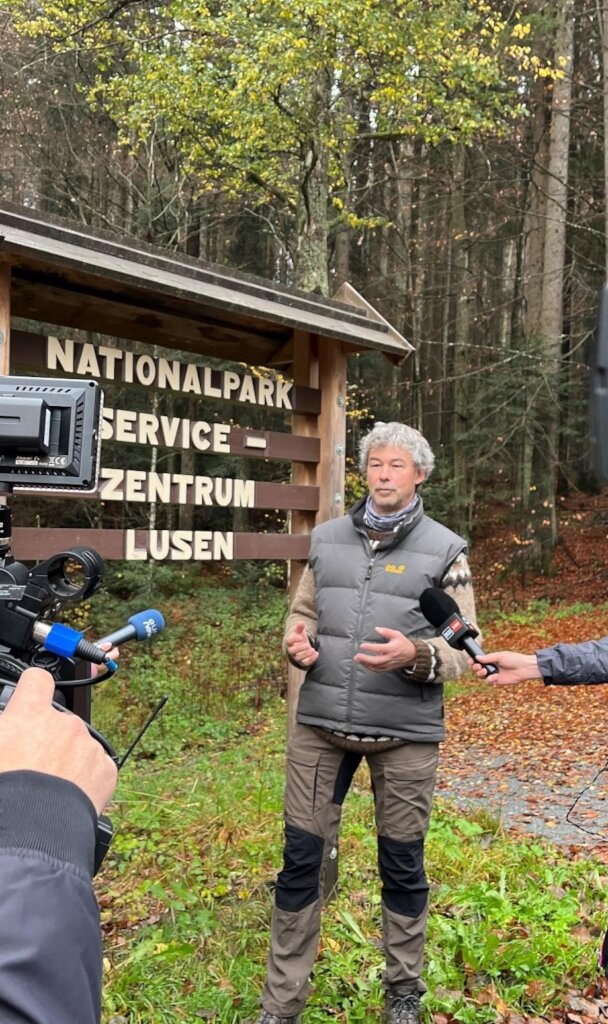
Germany’s largest national park in now supporting FCC. We are happy and excited to announce that we have signed a cooperation partnership with the Nationalpark Bayerischer Wald (Bavarian Forest National Park) in Germany. The partnership will run for five years and aims to transfer knowledge between the German and Romanian organizations in species research and monitoring projects, large carnivore management, development of educational programs, creation of economic mechanisms for communities, tourism programs, training, and communication.
We supported many more events, activities and collaborated with numerous organizations in October, please read more about them here.
Overall goals of Foundation Conservaion Carpathia
•Creating the largest forested National Park in Europe.
•Annual restoration of the original ecosystem of over 100 ha of clear-cuts.
•Protecting wildlife across a total of 96,500 ha.
•Sustainable development of local communities.
•Environmental education projects.
You are always welcome to reach out if you have any questions or updates for us! We would love to hear from you!
Many thanks,
Silke Knebel
Foundation Conservation Carpathia (FCC)
s.knebel@carpathia.org
Links:
Project reports on GlobalGiving are posted directly to globalgiving.org by Project Leaders as they are completed, generally every 3-4 months. To protect the integrity of these documents, GlobalGiving does not alter them; therefore you may find some language or formatting issues.
If you donate to this project or have donated to this project, you can receive an email when this project posts a report. You can also subscribe for reports without donating.