By Silke Knebel | U.S. Project Lead
NEWS
Foundation Conservation Carpathia is in THE GUARDIAN (June 27, 2022): Return of the big beast: in search of Romania’s wild bison
UPDATES FROM THE FIELD:
Pulled from the June Field Report.
Forest conservation and management
• In June, we were able to purchase an additional 4.42 ha of forests for protection.
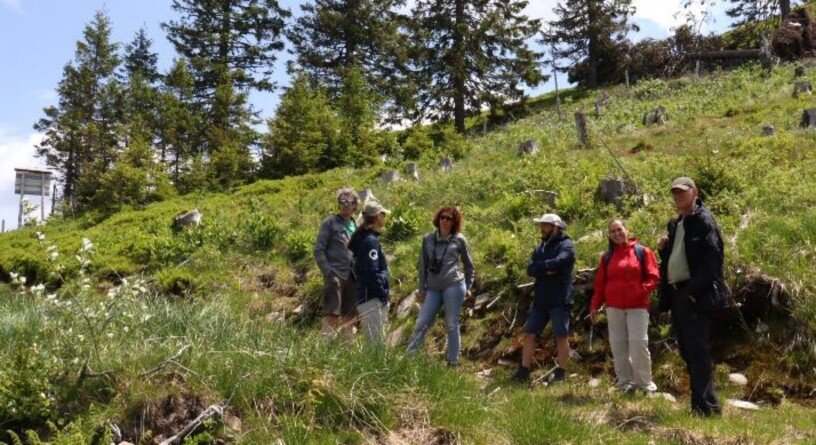
• External specialists continued to monitor changes in the diversity and abundance of terrestrial arthropods.
• We have added three more species to the orchid inventory of FCC properties: Neottia nidus-avis (bird’s nest orchid), Epipactis atrorubens dark-red helleborine), Corallorhiza trifida (yellow coralroot).
• We also identified a population of approximately 30 specimens of Cypripedium calceolus, a Lady’s slipper orchid.
Ecological restoration
• Due to rainy weather as well as past removal activities, the abundance of invasive alien plant species (IAS) was low compared to previous years. We will continue to uproot or cut Erigeron anuus (daisy fleabane), Conyza canadensis (horseweed) and Impatiens parviflora (small balsam) throughout July and August.
• IAS are often introduced unintentionally by humans, without knowing the impact on the natural
environment in that area. They replace other native species, which is why it is important to eliminate them.
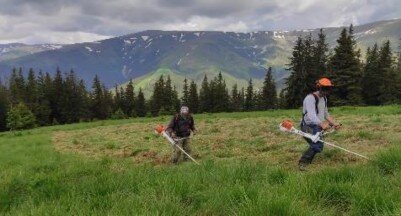
• Mowing grasses which became invasive following overgrazing on Gainatul Mare pasture. Erigeron anuus Conyza canadensis Impatiens parviflora
• The tree nurseries and greenhouses need constant attention at this time
of the year – especially weeding and watering.
• Permanent and seasonal workers are involved in growing deciduous and coniferous saplings for the new forests in the Fagaras Mountains.
• Elm is the most difficult ‘assignment’ when it comes to growing saplings. Almost all the seeds are dry, so we might lose another season for growing this important species.
Wildlife Conservation
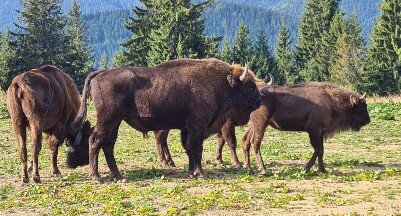
• We continue monitoring our three free-roaming Bison herds.
• This summer another eight bison (now in the acclimatization enclosures) will enjoy the freedom
of the Fagaras Mountains, making a total of 36 individuals released.
• Photographer Alexander Turner came in search of Europe’s largest land mammal with our rangers. His story was featured in The Guardian.
Wildlife monitoring
Wildlife monitoring – golden eagle and prey
• We continue collecting data to develop a golden eagle conservation plan under the LIFE Carpathia
project, which is the basis for the long-term protection of the species, and which will contribute to a general, national conservation plan. So far, the nest locations we located last year remain empty.
• We study and evaluate the capercaillie population, which is one of the main sources of food for the
golden eagle. Due to the habitat it prefers, the capercaillie can be considered an umbrella species that indicates a rich forest structure. However, in Central Europe it has decreased significantly, due to the loss or fragmentation of the habitat in which it prefers to live. The conservation status is unknown in the Fagaras Mountains.
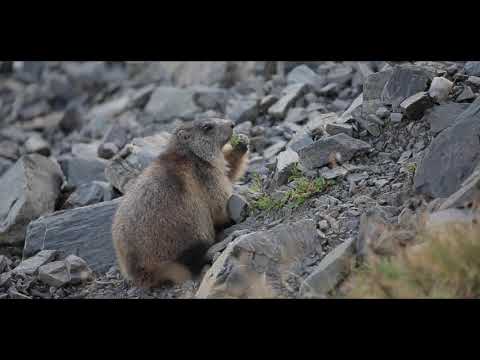
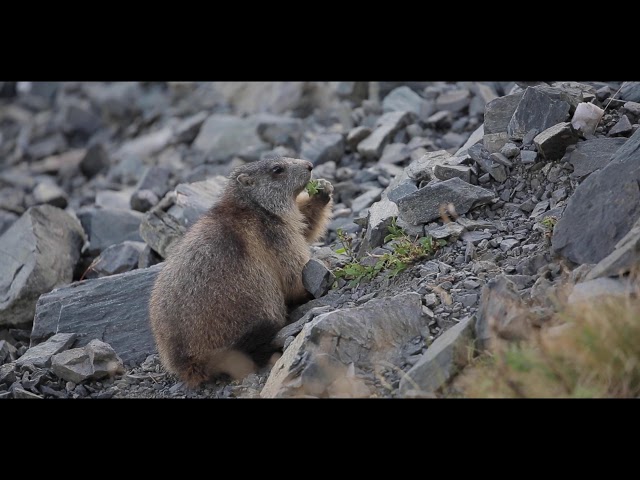
• We assess the marmot population, which disappeared and was reintroduced into the Fagaras Mountains in the 1970s and today has a viable population. The study analises the potential habitats for the presence of marmots, by using transects to delimit the distribution of the species.
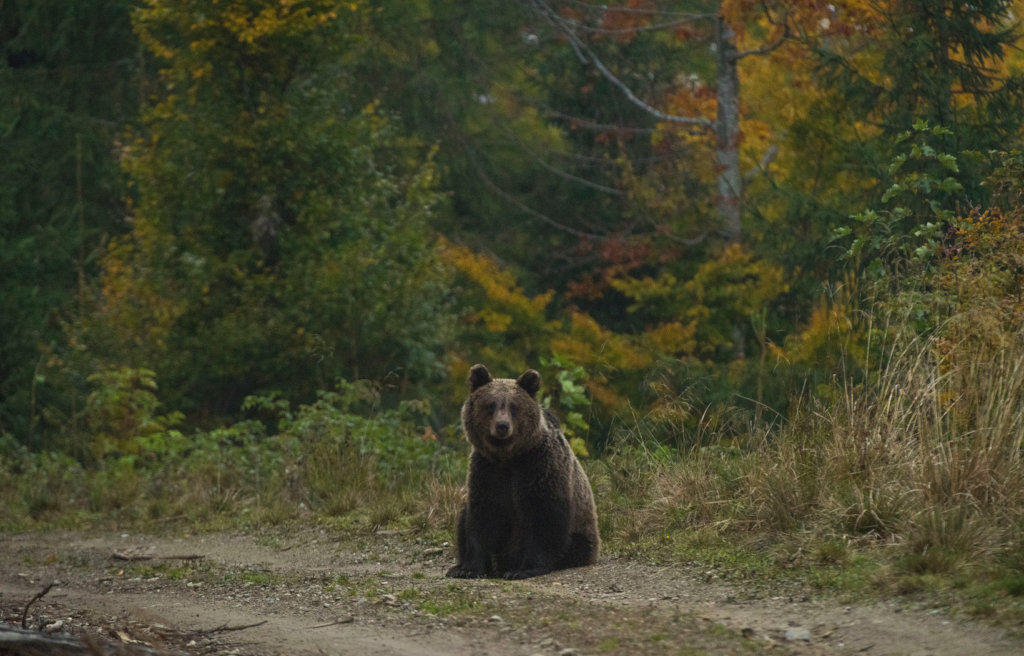
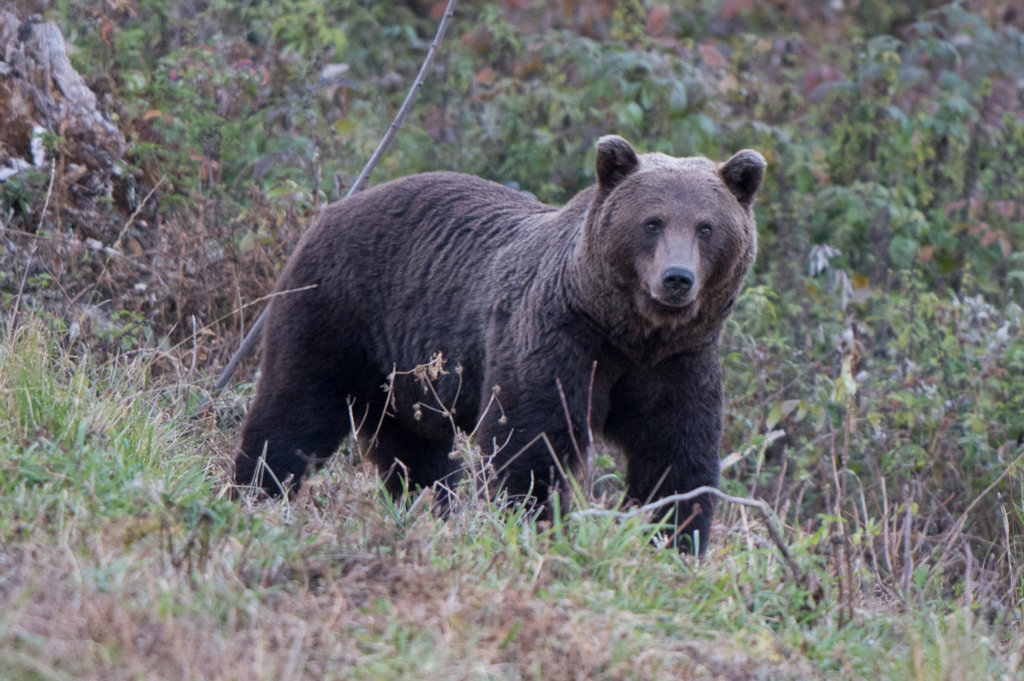
• We will have a hot summer and autumn and we are not talking about the weather. Repeating the brown bear census using genetic methods over 120,000 ha in one season will be a challenge. That’s why we have trained/retrained all the field team so everyone can contribute in collecting DNA from bear scat and hair. We look forward to comparing the current results to the ones obtained in the first study.
Wildlife monitoring Aquatic fauna
• Aqua Crisius Association continued its mission to restore the native aquatic fauna in the rivers of the Fagaras Mountains: this spring they have repopulated them with another 1,500 one-year-old grayling (Thymallus thymallus).
Their overall results are very good:
• Reintroduction of 3,500 one-year-old grayling for three consecutive years in two rivers from which the species had disappeared.
• Repopulation, starting in 2018, with 10,500 native (indigenous) trout and 55,600 embryos of the same species.
• Dozens of missions to prevent and combat fish poaching.
Conservation Enterprise Programme
Cobor Biodiversity Farm
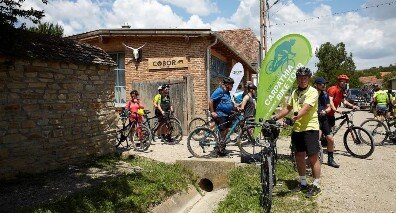
• This was the first Carpathia Bike Tour. See this video. More than 100 cyclists from all over the country cycled through the hills of Transylvania to our biodiversity farm. Additional Photos here on Facebook.
We have many more updates in our Newsletters, please click here to read more about our Conservation enterprise programme and Communication & community outreach activities.
Thank you so much from all of us at Foundation Conservation Carpathia!!! You can email us if you have any questions: Silke Knebel @ s.knebel@carpathia.org.
https://www.carpathia.org/
Links:
Project reports on GlobalGiving are posted directly to globalgiving.org by Project Leaders as they are completed, generally every 3-4 months. To protect the integrity of these documents, GlobalGiving does not alter them; therefore you may find some language or formatting issues.
If you donate to this project or have donated to this project, you can receive an email when this project posts a report. You can also subscribe for reports without donating.