By Silke Knebel | US Project Leader
United for People and Nature
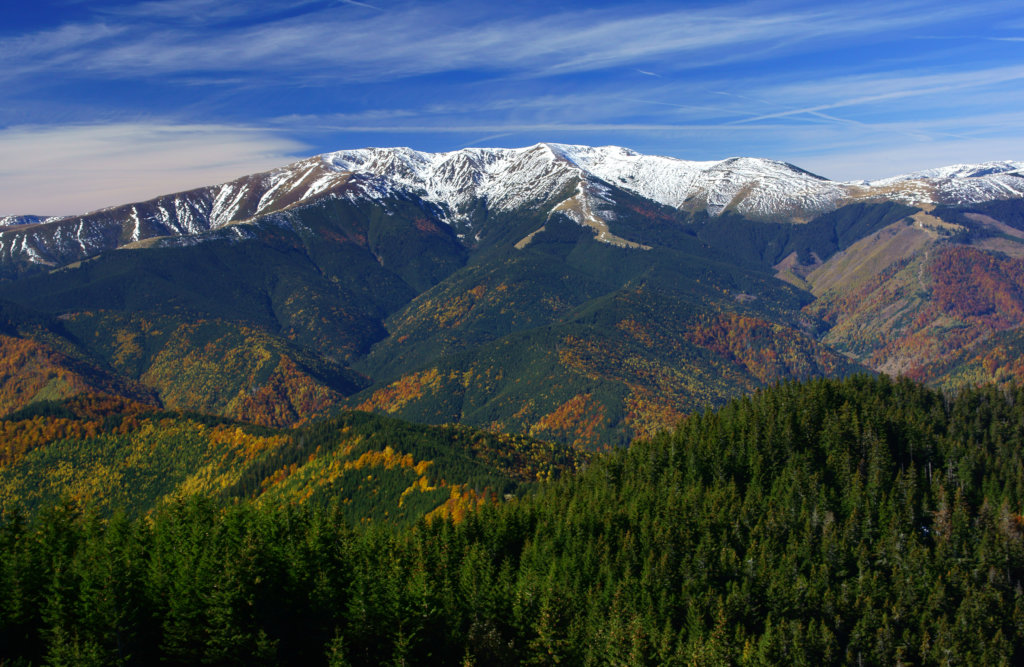
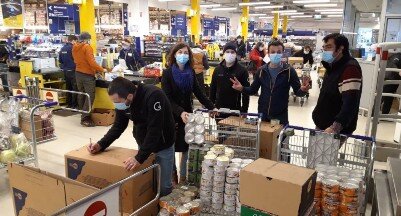
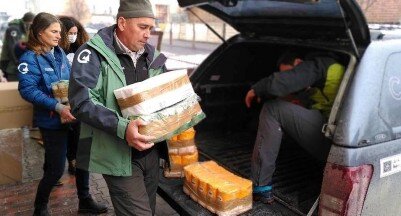
Known for their scenic beauty and huge primary forests, the protected areas of the Ukrainian Carpathians have now become a shelter for Ukrainian refugees. Visitor centers, administrative buildings, and settlements in national parks are filling up with people who have fled their homes further east, searching for a safer place. Over the past few weeks, we have been working with partners to provide support to the Ukrainian people and protected areas. We have organized numerous convoys of food, tents, mattresses, blankets, clothes, hygiene products, and heating systems, and will continue to help, while we remain equally focused on nature protection and our conservation activities in the Fagaras Mountains.
Forest Conservation and Management
26,693 ha of forest and pasture have protected status under the CARPATHIA project. Obtaining the highest level of legal protection for all acquired land is the core of this goal. Additionally, we developed an infrastructure plan for the future National Park, purchased a 4.5 ha property for our regional logistics hub and raised 750,000 Euro for implementation in 2022. We save natural forests in the Fagaras Mountains by purchasing land or through land conservation easements. This allows us to ensure complete protection in the National Catalogue of Virgin Forests or the Management Plan of the Natura 2000 sites. Romania has over 6 million hectares of forests, of which a significant portion is still virgin.
During the reporting periods, we have replanted 21 hectares of trees. Since spring is the main planting season, we will aim to replant more than 80 ha of trees in April/May 2022. Prior to replanting clear-cuts, we surveyed the forest properties to learn about existing regeneration and to understand the original tree species composition of the slopes. In this way, the restoration measures could be best targeted towards the original state. The lack of species with importance for biodiversity such as common ash, wych elm, sycamore, rowan, or European yew has led to a degradation of the ecological quality of the forests, and current development with land restitution gives little hope for improvement. To allow a re-growth of the original forest ecosystem, we raised the missing species in our own nurseries and re-planted the clear-cuts also with commercially worthless, but ecologically highly valuable tree saplings. Unsustainable logging and abusive exploitation practices have severely damaged thousands of hectares of forests, leaving the soils on the mountain slopes unprotected and exposed to erosion. In addition, forest management over the past hundred years has always favored the economically more interesting spruce, and in large areas the original diverse forests have been replaced by poor monocultures. Wherever meaningful we are committed to repairing the damage done and giving nature a head start.
Wildlife Conservation
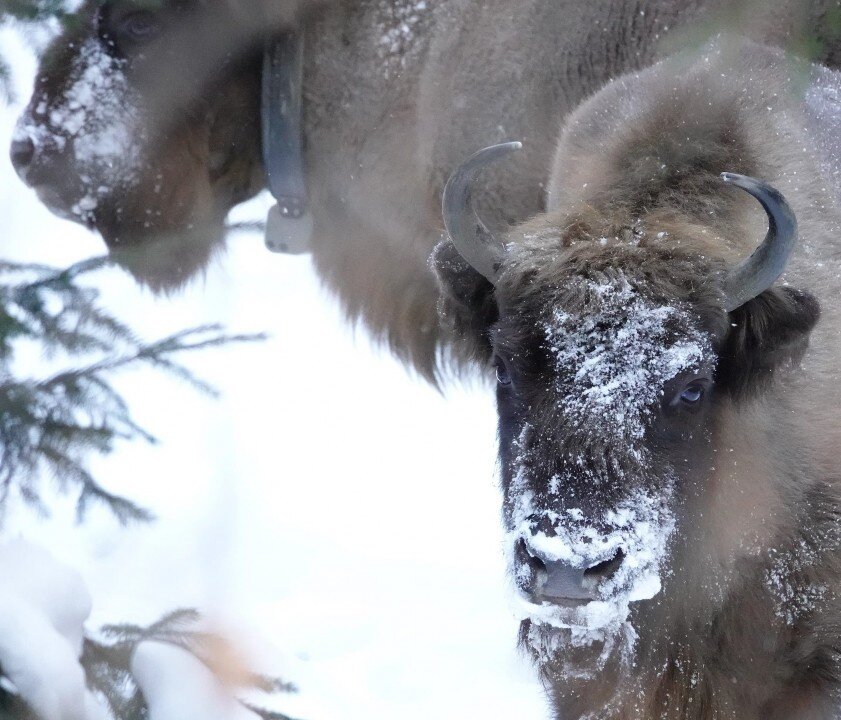
21 bison were released into the wild and are now roaming freely in the Fagaras mountains. The released bison started to explore a larger area and are permanently monitored by our rangers to observe their behavior and condition. We will keep monitoring the three herds of free-ranging bison and we have signs we might have other calves later this year. We also translocated the first two beavers in November to the south side of the Fagaras Mountains – the first beavers back in the wild since over 100 years! Many more bison and beavers will be released in March and April 2022. The European bison was eradicated 200 years ago from the Carpathian forests, shortly after beavers also disappeared due to hunting for their glands and their fur. Both are keystone species for a natural ecosystem; the bison plays an important role in shaping forests in the alpine regions as an important natural grazer. Beavers are beneficial for healthy river systems as they constantly change the course of smaller streams and create a variety of micro-habitats for amphibians and riparian ecosystems. In order to fully restore the Carpathian ecosystem, FCC is currently reintroducing beavers and bison to re-wild the Southeastern Fagaras Mountains.
We have also donated eight sheep to livestock owners that have lost sheep due to wolf attacks in the Rucar and Dragoslavele area.
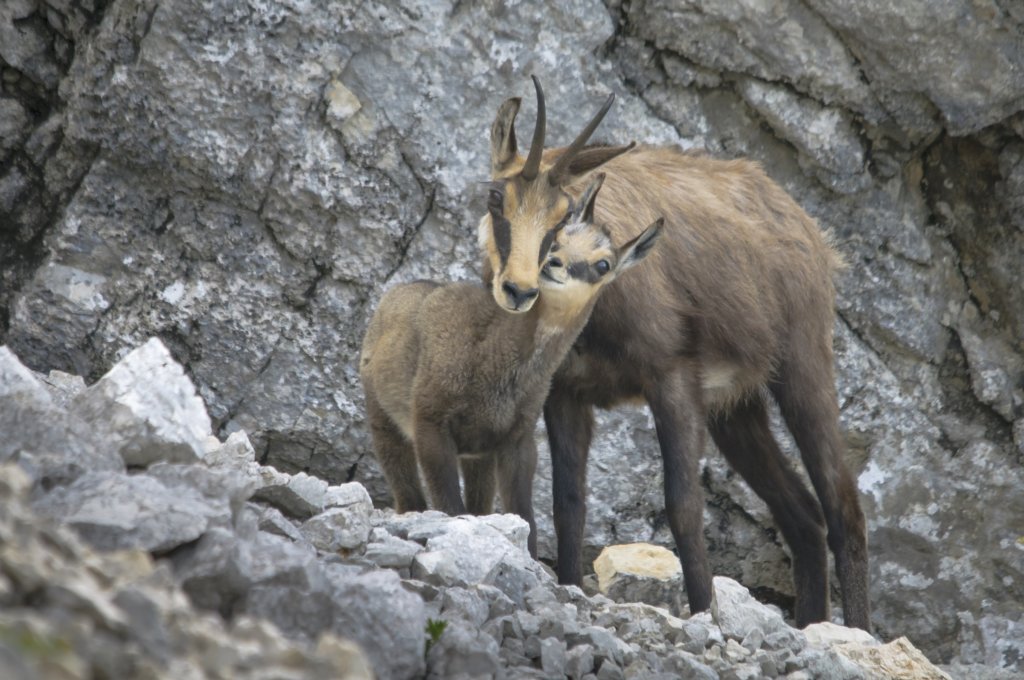
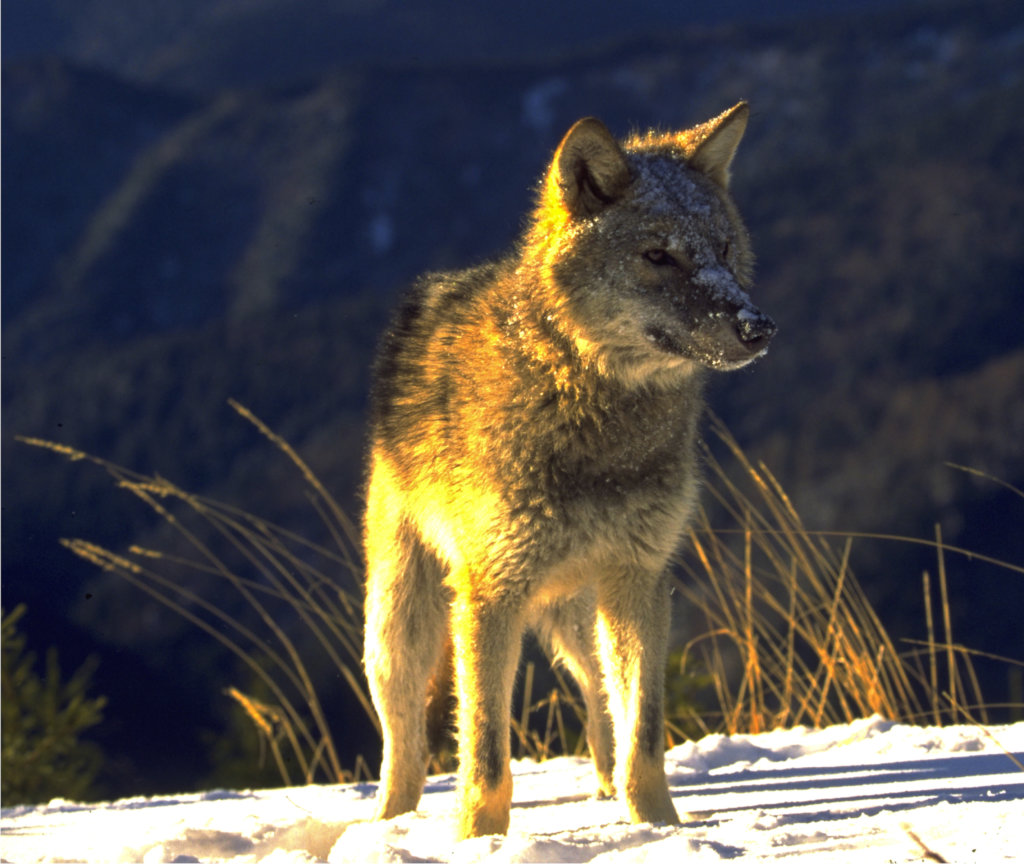
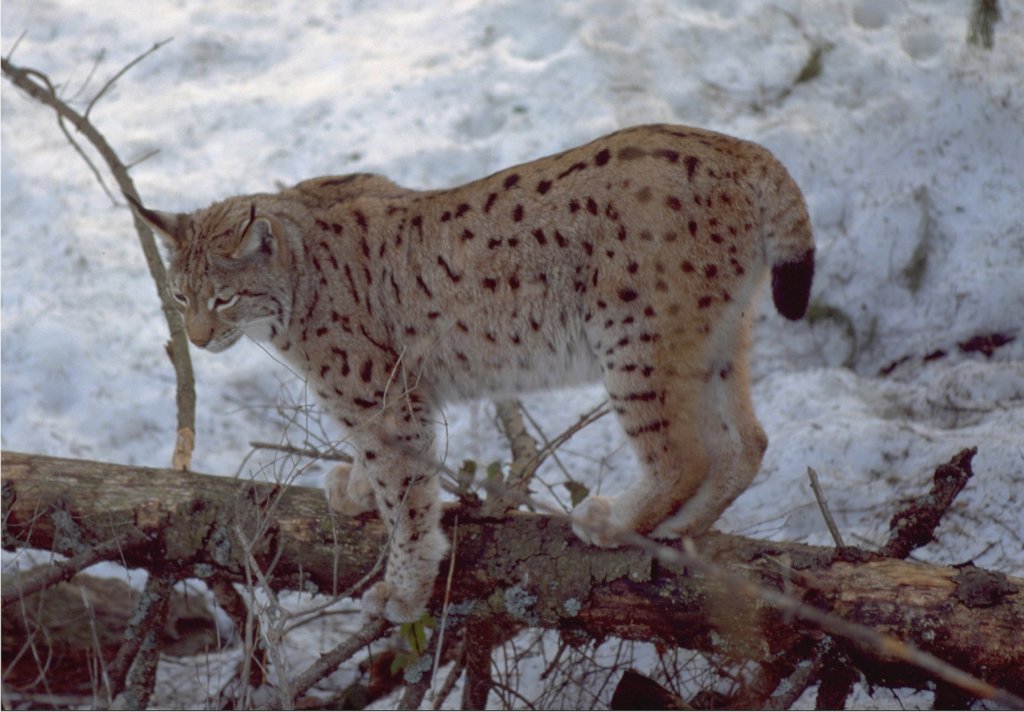
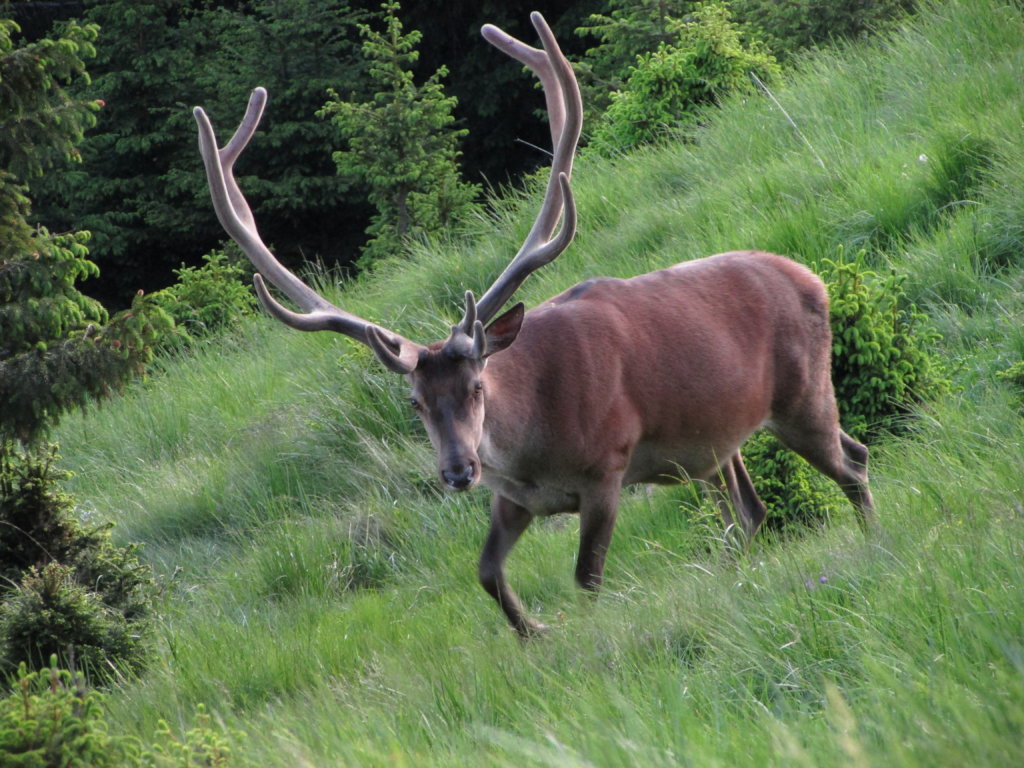
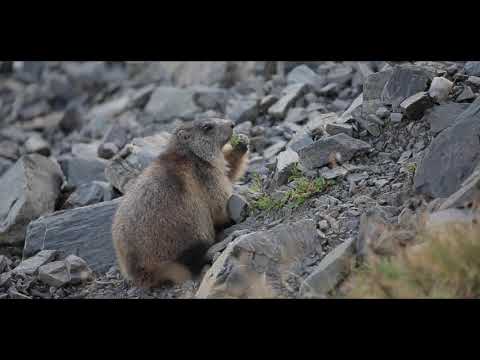
We have almost completed our wolf monitoring, with a total of 66 samples collected. We are pleased with these results and will see how much more we can manage to find. We miss the freezing winters and heavy snow of the past. We also prepare to restart the golden eagle monitoring with our project partner, Milvus. And the field teams were busy monitoring red and roe deer. In Dâmbovita Valley, species density has been rising since we bid for the first hunting concession in 2011 and the feeling is that numbers are more natural again. We had a pleasant surprise within the Management Unit 18, which we have managed since 2019, where we also found an abundant deer population. We are pleased that the protection measures we took have had positive results.
Conservation Enterprise Programme
We legally registered the Carpathia Food Hub Roadele Muntilor Carpathia (The Fruits of the Fagaras Mountains) as a tool to help small scale farmers in selling their products and had a very good start with several thousand of products sold only in the first month. The Carpathia Food Hub was launched in 2020 as the first local food enterprise collecting and distributing traditional products around the Fagaras Mountains to customers interested in obtaining fresh and healthy food. During the first month of operation, over 5,000 products from small-scale producers have been sold. This project opens up new markets for a growing number of local small-scale farmers. Today, we have 20 local producers now participating. The new project is part of a larger program which aims to support and promote local producers from the Fagaras Mountains, who farm responsibly and respect nature, who are certified and who care about ingredients and recipes. The Food Hub helps small farms grow by offering a combination of production, distribution, and marketing services, by connecting them with additional markets, and supporting the development of the local food networks. Currently, The Fruits of the Fagaras Mountains Food Hub collects products from the Southern part of the Fagaras Mountains and ensures distribution for Brasov, Bucharest and Pitesti.
We opened the Richita Field Education Center and had 19 groups with 311 participants attending during the summer and autumn season. We also organized a large national event, Fagaras Fest in Nucsoara, with over 1,000 participants and participated in several local events.
We are pleased to report that the local councils of two villages voted for an official cooperation agreement with FCC, and three more are in the process to prepare a vote. Our education and community building goals is to raise public awareness for conservation and protected areas. To do this we engage local communities in achieving conservation objectives of the Natura 2000 sites by promoting natural and cultural values of the area through events and education programs.
Communications, Media & News about FCC
We had a wonderful time out in the field with the nature photographer Dan Dinu and nature filmmaker Cosmin Dumitrache, directors of the groundbreaking România Salbatica 2021 documentary (Wild Romania -an international version coming up soon).
Links:
Project reports on GlobalGiving are posted directly to globalgiving.org by Project Leaders as they are completed, generally every 3-4 months. To protect the integrity of these documents, GlobalGiving does not alter them; therefore you may find some language or formatting issues.
If you donate to this project or have donated to this project, you can receive an email when this project posts a report. You can also subscribe for reports without donating.