By Silke Knebel | US External Affairs
We have published our annual report for 2020. Please find it here: https://www.carpathia.org/reports/.
We always publish our monthly and scientific reports on the same site.
Our latest field report for September and October is highlighted below: https://www.carpathia.org/wp-content/uploads/2021/10/Field-report-September-and-October-2021.pdf. Visit the link to see all the photos.
Ecological restoration Activities September and October 2021:
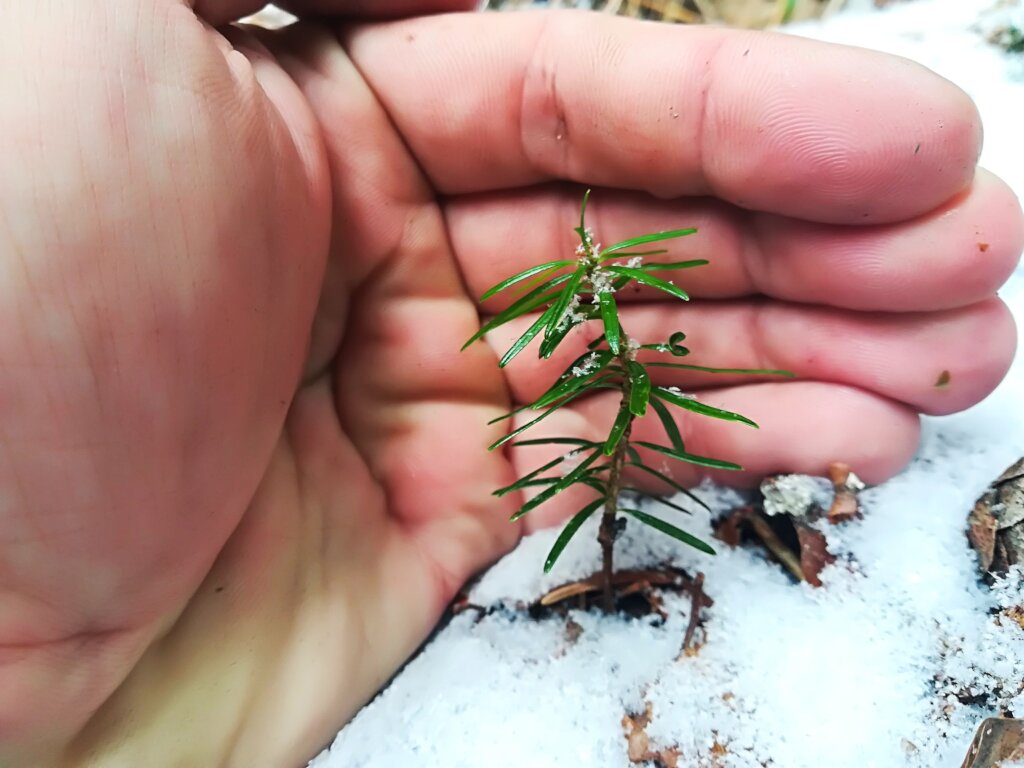
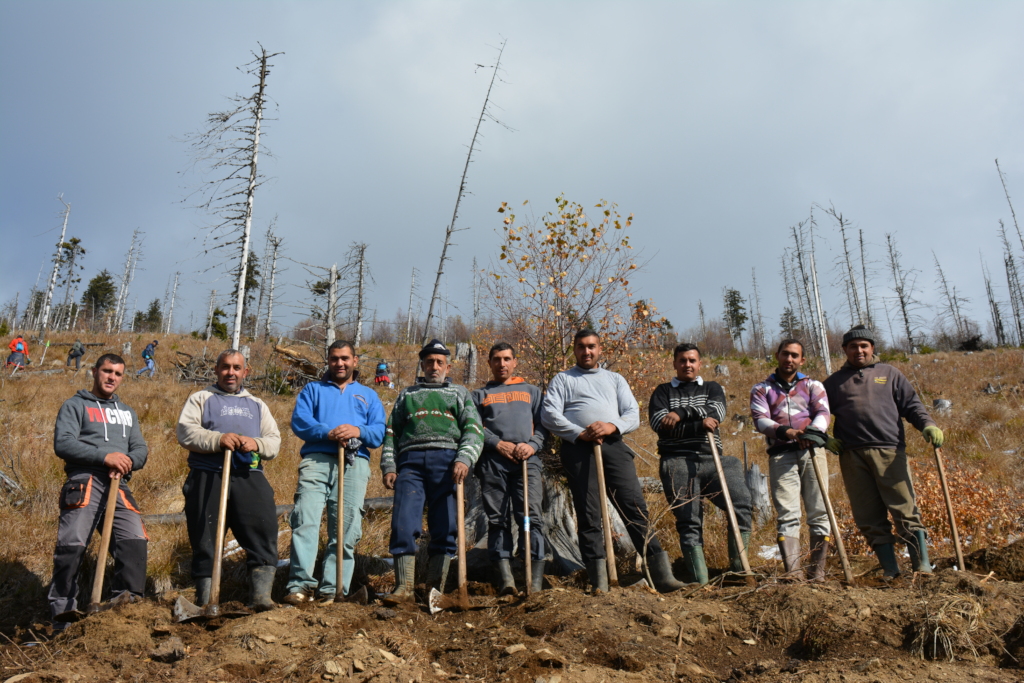
Before the snow comes, we need to cut the grass around the saplings planted in earlier seasons in order that the fragile plants do not suffocate. We do this with the help of 25 locals and a subcontracted company and as such covered an area of 10 ha. Tending the plants usually has to be continued for about 5 years after replanting. As the sheep come down the mountain for winter the rangers take care the shepherds do not pass through the reforested areas. The saplings are too young.
Due to torrential storms this summer, we had to repair the badly damaged access roads to the replanting sites. The seasonal local workers were busy with the last weeding of the season in the tree nurseries. We have collected sycamore seeds and planted them. We are now evaluating how many saplings grew enough to be planted out and how many we still need to buy from other neighbouring tree nurseries. Autumn planting is usually short. We hope to have around 15 days of good weather conditions and to restore the forest over an area of 20 ha.
We took 17,000 spruce saplings from our tree nurseries and transported them to the replanting sites. We are used to early morning planting, but due to freezing temperatures, we can only dig the soil after 9 am. 20 seasonal workers, five rangers and a subcontractor company are up in the Fagaras Mountains, ‘creating’ new forests. Public funding and also your donations make this possible.
Together with a team from the Academy of Science, we identified and evaluated a large peatland in the Fagaras Mountains: 7120 degraded raised bogs still capable of natural regeneration’, which will be included in the report for the Habitat Directive.
Wildlife conservation Activities September and October 2021:
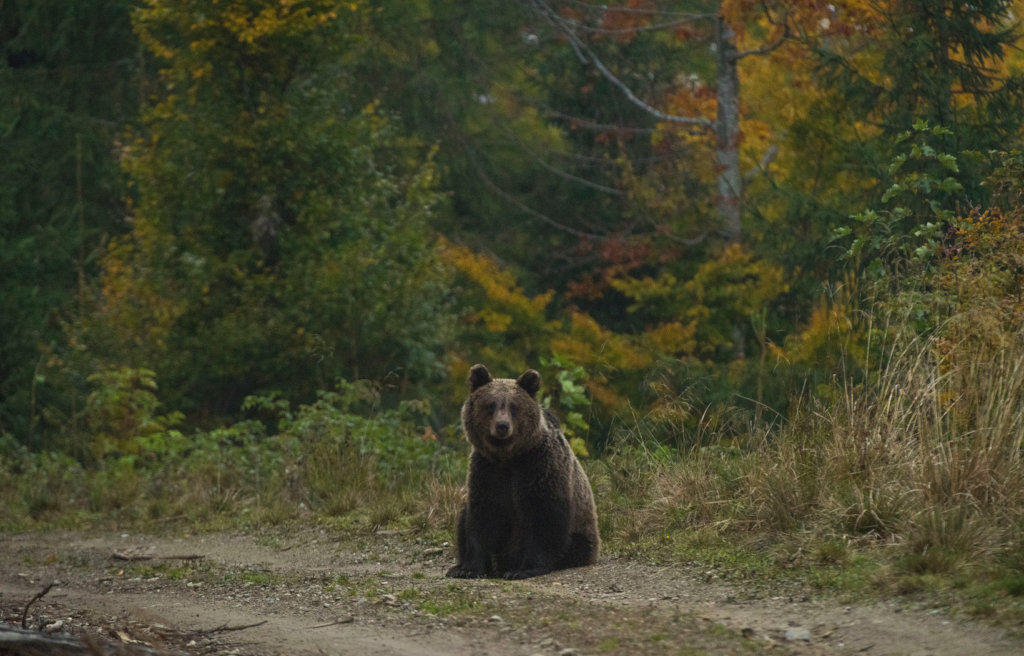
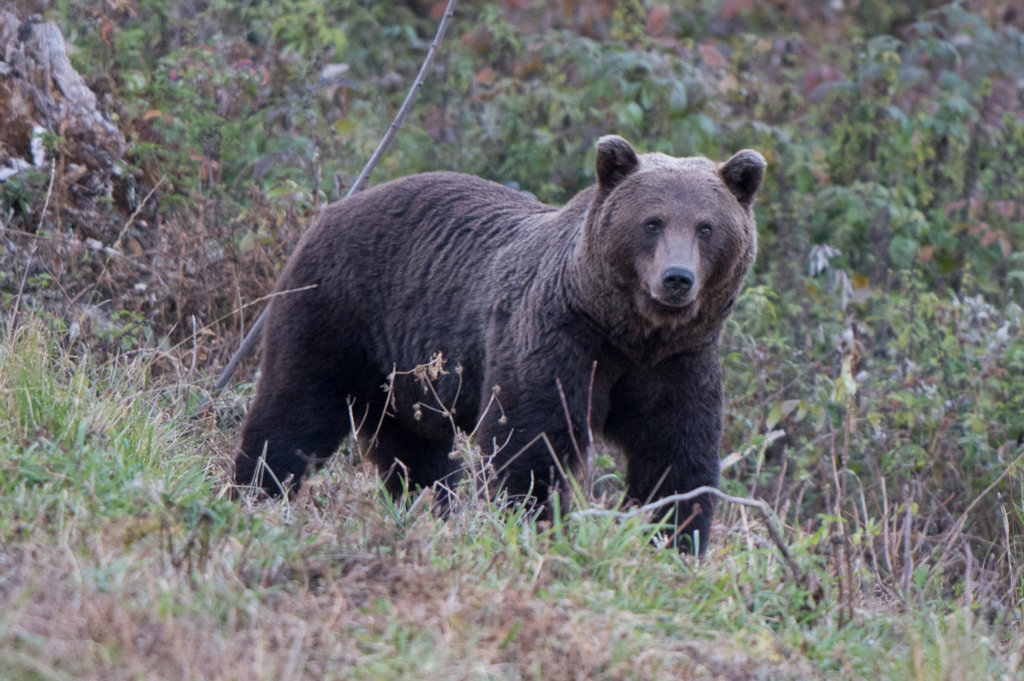
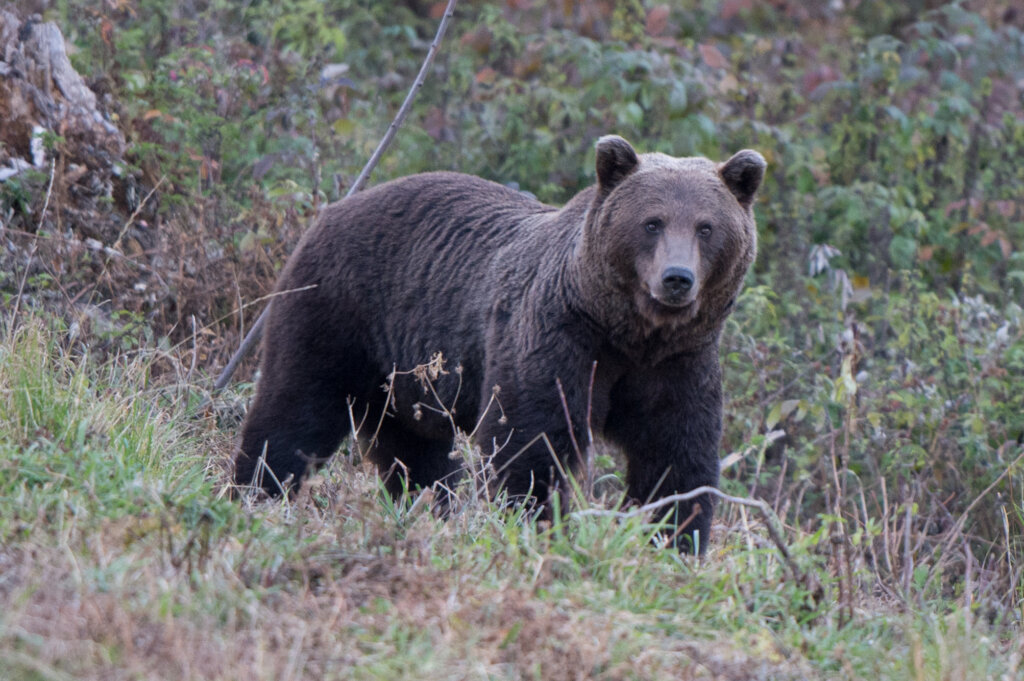
We published the first genetic study in Romania to estimate bear density in the east of the Fagaras, Piatra Craiului, Iezer-Papusa and Leaota Mountains. 1,426 biological samples were collected during the autumns of 2017 and 2018. We could identify 283 individual bears, of which 137 females and 146 males, and by statistical modelling the population density was estimated at 17-18 bears/100 square km (10,000 ha) - a good number, comparable to other areas with large, connected habitats.
Wildlife reintroduction Activities September and October 2021:
28 bison are roaming free, adapting to their new home. We keep monitoring the three herds with GPS and VHF technology. The herd released last year likes to roam in a beautiful virgin forest. The groups haven’t met each other so far, but all are doing very well. Whenever we have the opportunity, we share good practices and experiences with other colleagues: we participated in the WWF Romania Bison conference in Armenis, Caras-Severin, and in the ‘Bison in the Augustowska forest’ meeting in Poland.
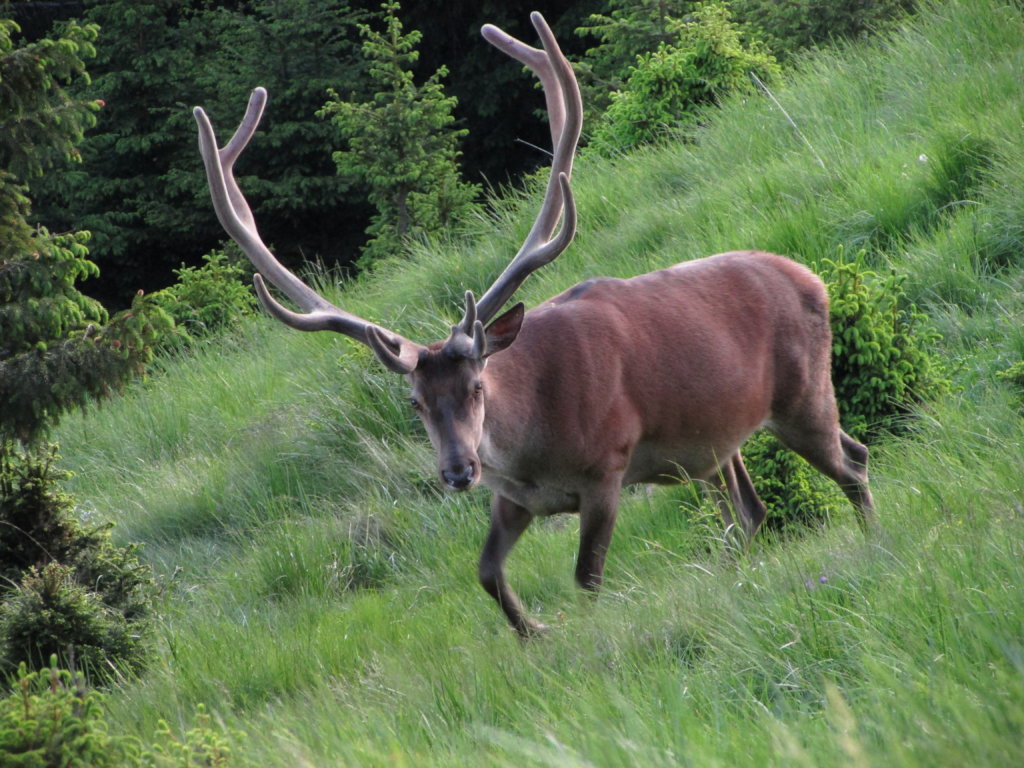
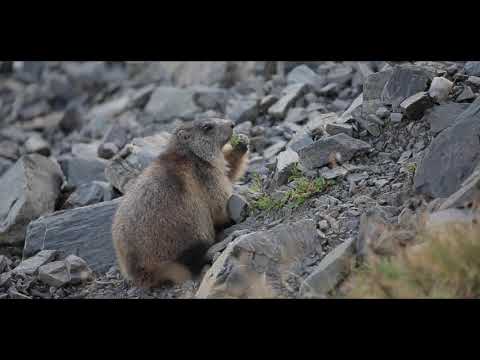
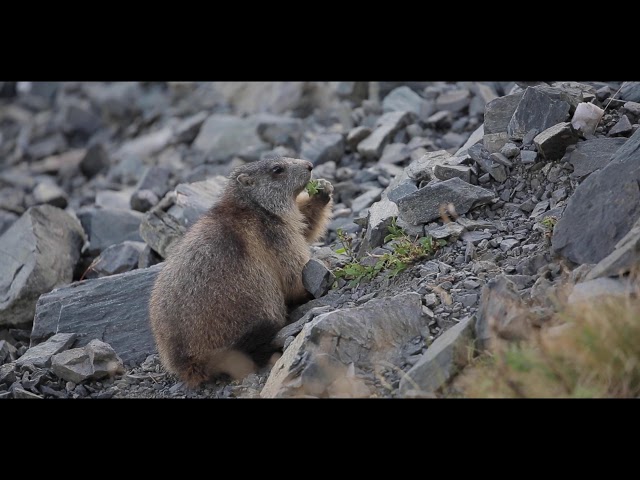
We have installed camera traps for monitoring the red deer rut. In addition, our rangers spent a lot of time monitoring red deer directly: compared to the rare occasions we heard stags' love calls in 2011, when we took over the first wildlife management concession, now the valleys are full of life, and hopefully soon more calves. After a long summer surveying golden eagles in the Fagaras Mountains, we have now started to obtain more information on the distribution of their potential prey: capercaillie and marmots.
Wildlife Management Activities September and October 2021:
Fourteen Carpathian shepherd dog puppies have found new owners in the villages surrounding the Fagaras Mountains. They now have to learn what it means to be effective livestock guardian dogs. Due to the presence of bears in orchards and close to the communities we have installed several electrical fences to prevent attacks. The Aqua Crisius Association has continued to reintroduce specimens of native (indigenous) trout. This time the fish eggs were transferred during the embryonic stage to a farm at the foothills of the Fagaras Mountains. They started their life in the vicinity of the rivers where they were introduced.
Conservation Enterprise Programme Activities September and October 2021
The ‘Fruits of the Mountains’ Food HUB is initiated by Conservation Carpathia, as a means of supporting local producers in the area and in the vicinity of the Fagaras Mountains. By ordering a basket, you help a local producer support their business. *only in Brasov, Bucharest and Pitesti for the moment The pastures scattered with secular oak trees around the village of Cobor are among the most valuable natural pastures left in Europe. Due to the abandonment of hayfields and the loss of traditional agriculture, these pastures began to lose their oaks and with them their natural value. • We would like to thank all the cyclists that chose our oak replanting project as a cause!
Join us in:
• Creating the largest forested National Park in Europe.
• Annual restoration of the original ecosystem of over 100 ha of clear-cuts.
• Protecting wildlife across a total of 65,000 ha.
• Sustainable development of local communities.
• Environmental education projects.
Thank you from all of us in Romania and Happy Holidays!
Links:
Project reports on GlobalGiving are posted directly to globalgiving.org by Project Leaders as they are completed, generally every 3-4 months. To protect the integrity of these documents, GlobalGiving does not alter them; therefore you may find some language or formatting issues.
If you donate to this project or have donated to this project, you can receive an email when this project posts a report. You can also subscribe for reports without donating.