By Soph Stephens | Digital Manager
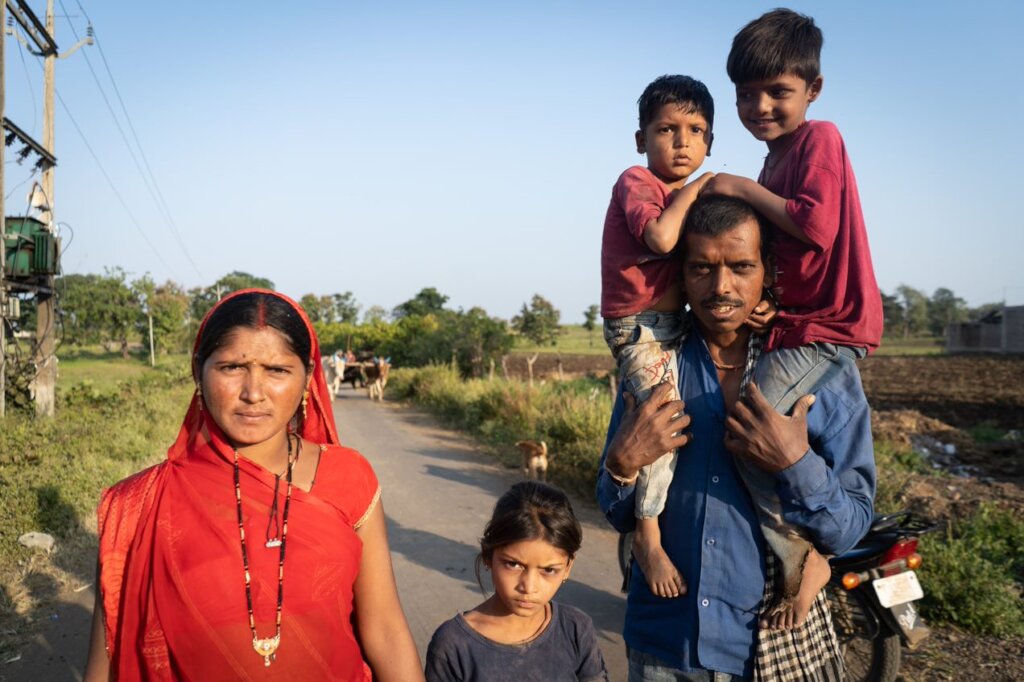
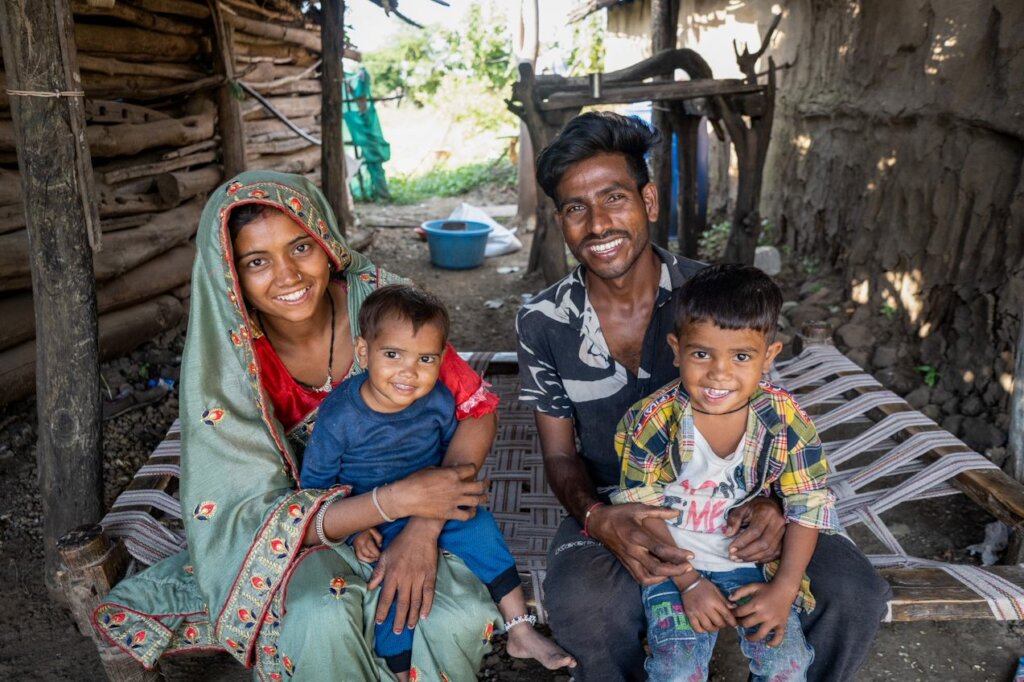
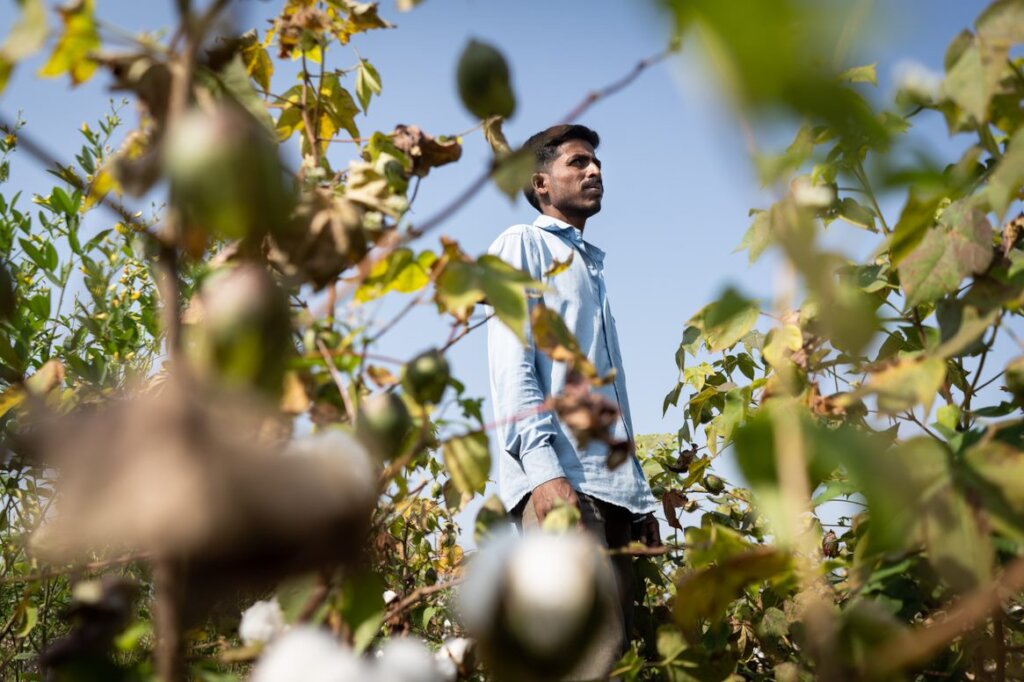
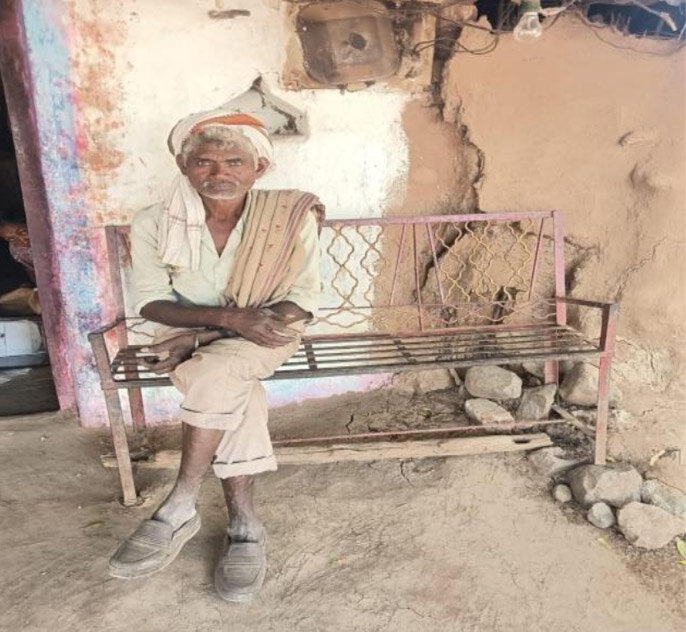
Ramesh, 67, lives in a small village in Madhya Pradesh, home to around 6,500 people who rely mainly on small-scale farming and daily wage labour to get by. Many families here live in kutcha (temporary) housing, and migration for work is common — often disrupting children's schooling and leaving little time or opportunity to navigate government paperwork.
It was during a household survey that the pur partner, Jan Sahas and their team met Ramesh, a member of a Scheduled Tribe family living below the poverty line. Despite being fully eligible, he had never received any old age pension.
The reason was a familiar one: not a lack of entitlement, but a lack of awareness and support. Ramesh had tried before to apply at the Panchayat level, only to be turned away each time — held back by administrative delays, unclear guidance, and the practical difficulty of pulling together the right documents without help.
The Jan Sahas team reviewed his documents, confirmed his eligibility, and talked him through exactly what the pension scheme offered and what it would require: a ration card, Samagra ID, bank passbook, Aadhaar card, identity proof, a photograph, and a mobile number, along with completing his Samagra e-KYC. With a clear checklist in hand and hands-on support to complete each step, Ramesh's application was submitted at the Khirala Panchayat in July 2025. From there, the team kept following up with local authorities, staying with the process until it was finally approved.
In November 2025, Ramesh received the news he had waited years for: his pension had been approved, and 600 a month would now be his. Reflecting on his earlier attempts, Ramesh described being repeatedly turned away, with no application ever properly processed — until the guidance and persistence of the Jan Sahas team finally got him across the line. He shared his gratitude to the team for the support that helped secure his financial security.
Ramesh's story is a simple but important reminder: entitlements only mean something if people can actually access them. For elderly, economically vulnerable individuals like Ramesh, that access rarely comes without someone willing to stay the course — reviewing documents, following up again and again, and refusing to let a rightful claim be forgotten.
Thank you for helping make that persistence possible.
Project reports on GlobalGiving are posted directly to globalgiving.org by Project Leaders as they are completed, generally every 3-4 months. To protect the integrity of these documents, GlobalGiving does not alter them; therefore you may find some language or formatting issues.
If you donate to this project or have donated to this project, you can receive an email when this project posts a report. You can also subscribe for reports without donating.


Support this important cause by creating a personalized fundraising page.
Start a Fundraiser