By Sherry Harbert | Communications Director
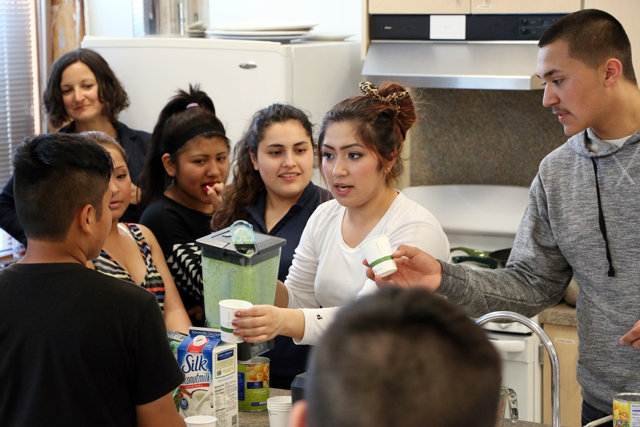
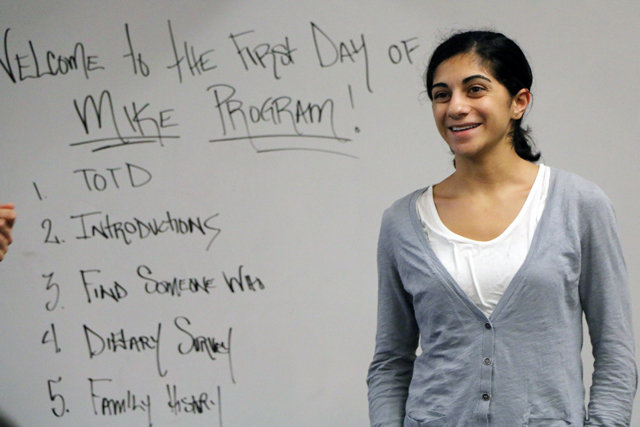
From the first day with MIKE, ninth graders at De La Salle High School in Portland were eager to learn about health, themselves and their mentor. MIKE mentors begin each class session by serving healthy snacks. This popular practice introduces new information about snacks and reinforces healthy eating habits as much as it provides the teens and their mentors time to connect.
MIKE mentors are assigned to a revolving schedule to bring healthy snacks to class—enough to feed the entire class. Part of MIKE’s mentor training includes choosing foods that appeal to teens, yet pack adequate nutrition. Jasmine, like many of the mentors, admitted that the training also helps them eat healthier.
The snacks become a draw for the youth. They are introduces to new foods and new combinations. Early in the program, the youth reveal how they eat what their families eat. “The culture food we eat is what my parents grew up with,” says Marlen, one of the youth in Jasmine’s team. “It’s what we’re all used to.”
As they gain knowledge and skills, the youth begin to realize how they can influence their parents in choosing healthier options. “Now I can tell them why I want to get other foods,” says Dahlia. “And, I can tell them what the benefits are!”
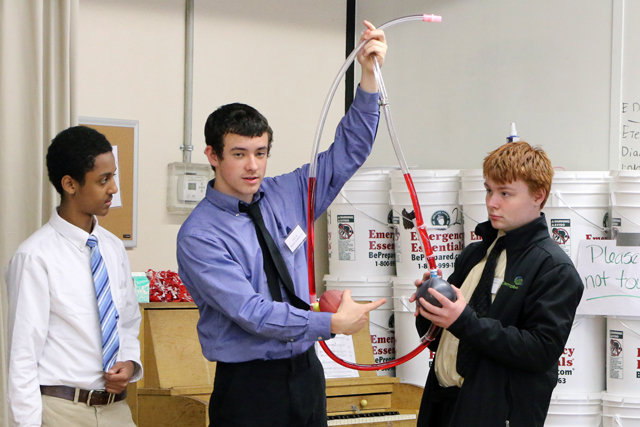
Along with the health gains from eating healthy foods, MIKE youth discover how some lifestyles can lead to chronic diseases. Using the human kidney as a conduit for introducing the physiological and societal aspects of chronic disease, MIKE mentors guide the youth through the basics functions of organ systems and how lifestyle choices affect overall health.
MIKE coordinates a field trip to a dialysis center to provide the youth with direct connection to a variety of healthcare careers while highlighting some outcomes of chronic diseases. MIKE youth often cite the visit as one of the most a compelling experiences in the program. MIKE’s mentors prepare the youth prior to the visits. The mentors discuss with the youth how and why individuals undergo dialysis. “It’s shocking and hard to accept at first,” says Marlen.
Once at the clinic, the youth are guided through the facility, meeting physicians, nurses and social workers. The clinic staff offer a variety of career options in health and healthcare professions for the youth to consider. The youth then are paired to a few of the individuals undergoing dialysis. The youth express curiosity and concern about the physical, emotional and medical situations of the individuals. “I liked that we could speak directly with the clients,” says Marlen. “I didn’t even want to ask questions, I just wanted to listen to their stories.”
The youth derive a deeper appreciation of health by visiting the clinics. “I learned that you can make a difference in a day of a person’s life, if you listen and converse,” says Marlen.
The youth are surprised to learn that individuals undergoing dialysis have many restrictions on the foods and beverages they consume. For dialysis patients, they must limit their intake of water, which proved to be a catalyst for Jasmine’s team perceptions. Suddenly, water became the top issue for the team.
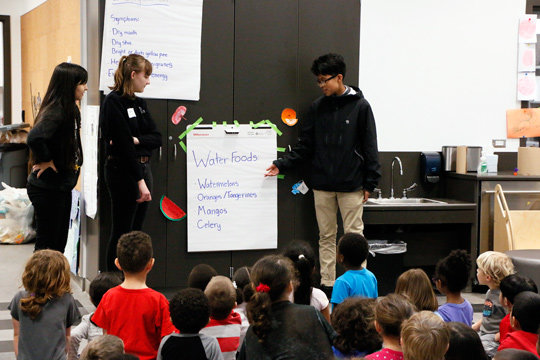
MIKE equips youth with a decision-making platform from which to launch their growing understanding of health. Each mentor team develops a health leadership project with a youth-driven solution to health issues. Jasmine’s team was determined to focus their project on the benefits of drinking water. “I wanted to make kids aware about the importance of water so they can stay healthy,” says Dahlia. Her team focused their project on “Why Water is Good!” to inspire preschoolers to drink more water.
The team created simple posters with large words and pictures based on the images they recalled seeing at that age. They discussed the benefits and challenges of presenting to such a young audience. “The presentation items will be easy, because we’ll keep them simple,” says Dahlia. “Yet, kids at that age are easily distracted, so we have to be prepared to respond with them.”
MIKE coordinates venues for the health leadership project presentations based on input from the youth. The community outreach plays an integral part in equipping youth to become health leaders. Most of the youth want to reach out to younger peers, so they opt for returning to their former schools. Amidst all the coordination, the youth prepare for their projects.
Jasmine noticed how Dahlia easily took to being the leader of the team, so she encouraged the others to join in. “I encouraged each of them to speak up more and engage with others to help them develop leadership skills,” says Jasmine. “I wish I had this experience when I was young!”
Jasmine assisted the youth in dividing up segments of their presentation so each had a role in the presentation. The youth practiced before their mentor, then before their classmates to make sure they were on cue.
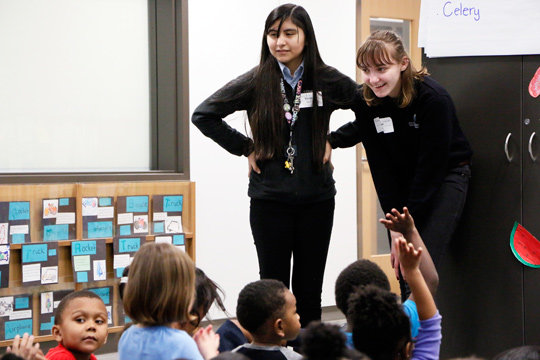
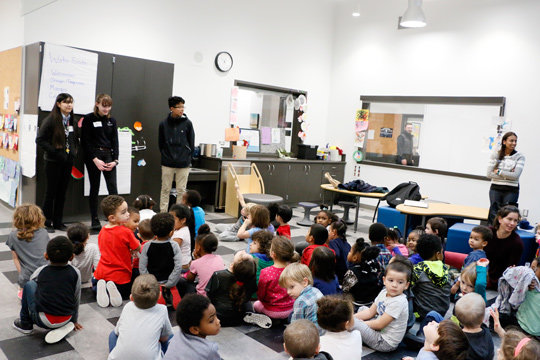
When the presentation day arrived, Jasmine’s team was excited to present their ideas about health. As they boarded the bus to Faubion School, they told Jasmine that they realized how important it was to share their message. As three preschool classrooms streamed into the commons area, Jasmine’s team eagerly rolled out their message of health.
Links:
Project reports on GlobalGiving are posted directly to globalgiving.org by Project Leaders as they are completed, generally every 3-4 months. To protect the integrity of these documents, GlobalGiving does not alter them; therefore you may find some language or formatting issues.
If you donate to this project or have donated to this project, you can receive an email when this project posts a report. You can also subscribe for reports without donating.