By Claire Kaufman | Environmental and Sustainability Program Manager
Since its inception in November 2015, Project Wildcat has become a force in Sonora, Mexico. Together with Primero Conservation, an Arizona based nonprofit corporation, Project Wildcat was started on five private ranches and an ejido (communal land) near Granados in the northernmost jaguar breeding population. These ranches represent 31,704 acres of critical jaguar habitat. This area is in the Río Bavispe valley just north of the Northern Jaguar Reserve and 100 miles south of the Arizona border.
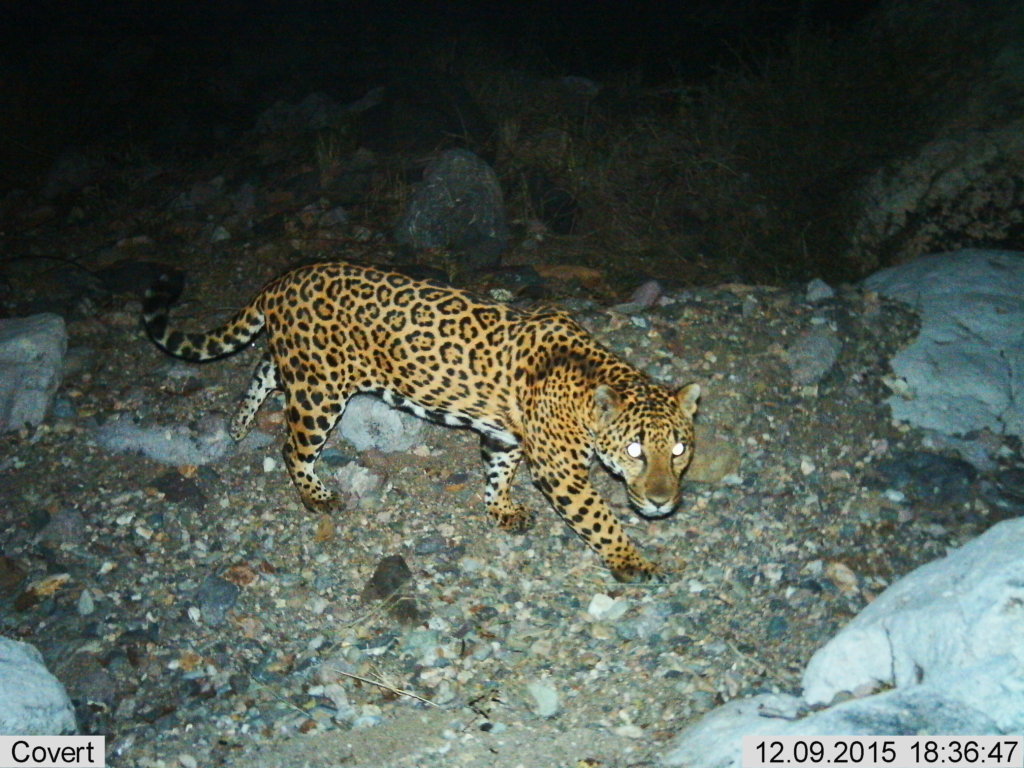
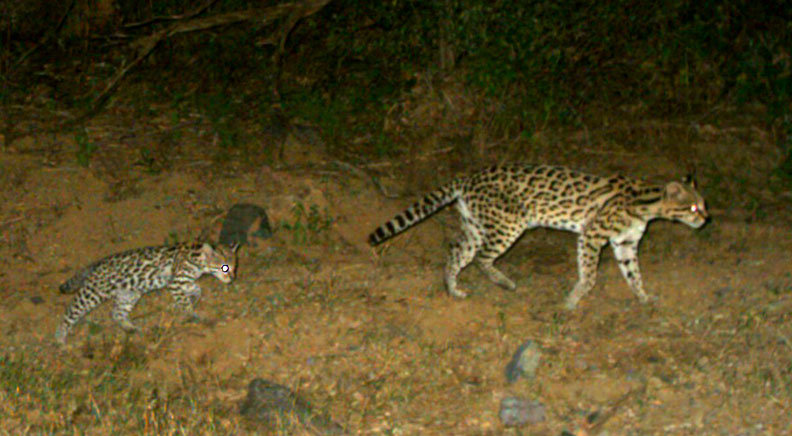
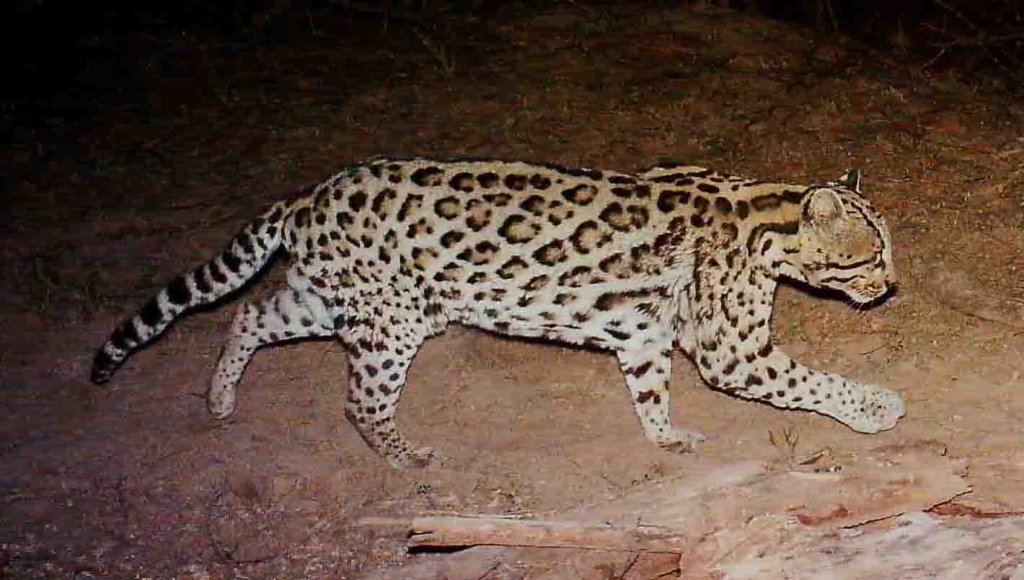
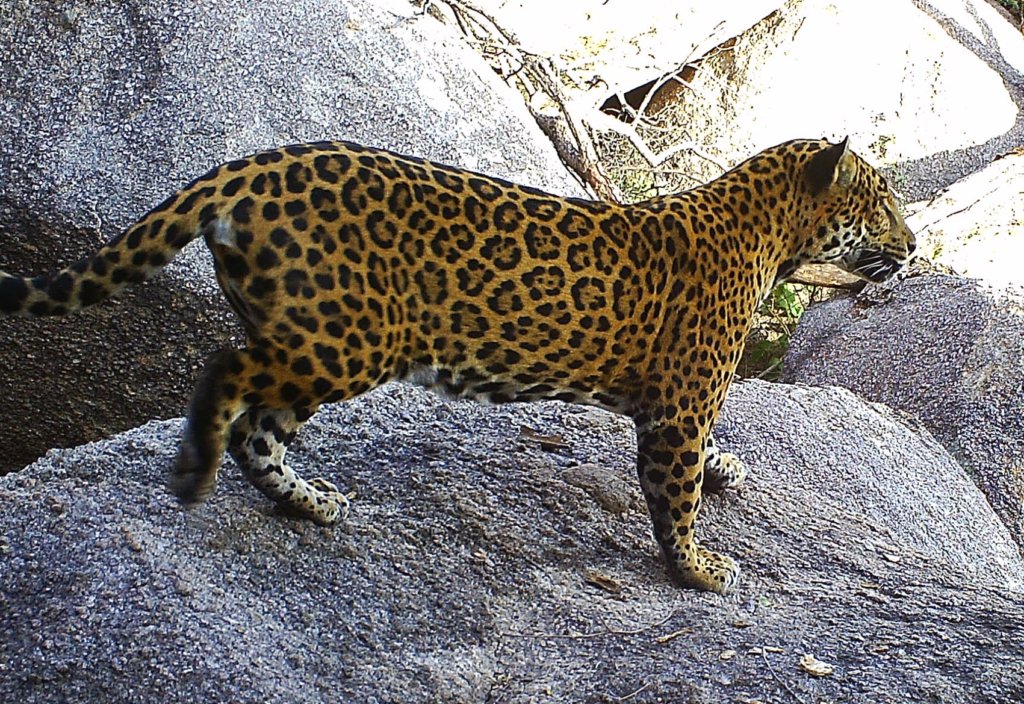
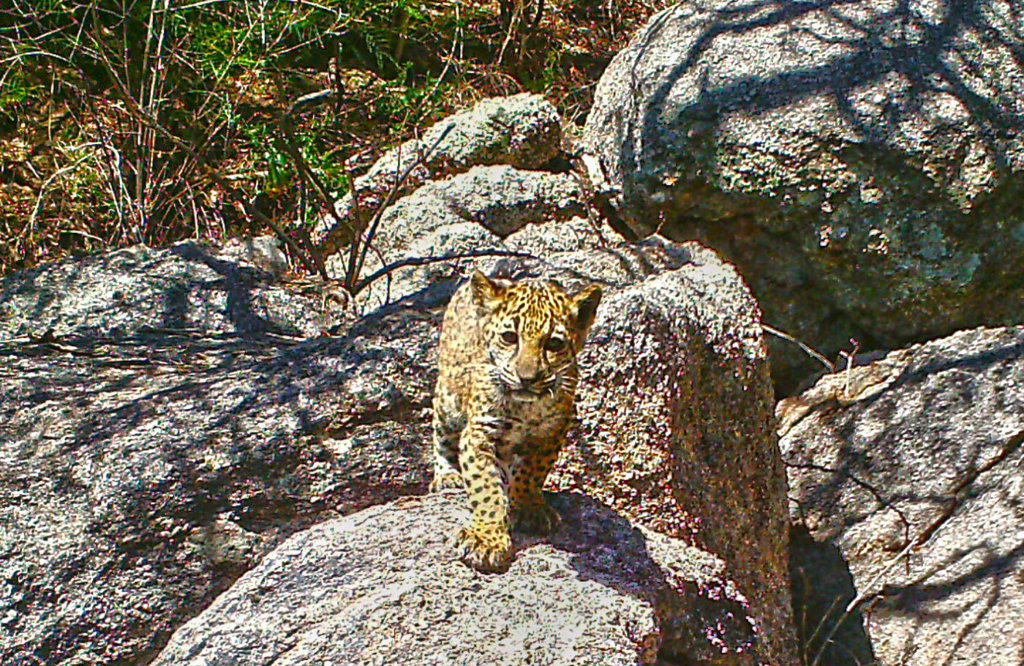
In agreement with these ranchers, wildlife cameras have been placed in prime habitats in foothills thornscrub, the northernmost habitat of the New World tropics. Many mammals are difficult to study because they are secretive, and mostly active at night. Thornscrub mammals are particularly poorly known. Wildlife cameras set up on this land have identified over 157 species of plants and animals from over 8,000 photo trap animal images. Four or five individual jaguars have been captured by our wildlife cameras on this land - in fact, one female was photographed on three different ranches, once with a cub! This information helps us document the range and habits of jaguars and work with ranchers to help them coexist with jaguars. The Project Wildcat camera data is the first summary of the mammal fauna of foothills thornscrub.
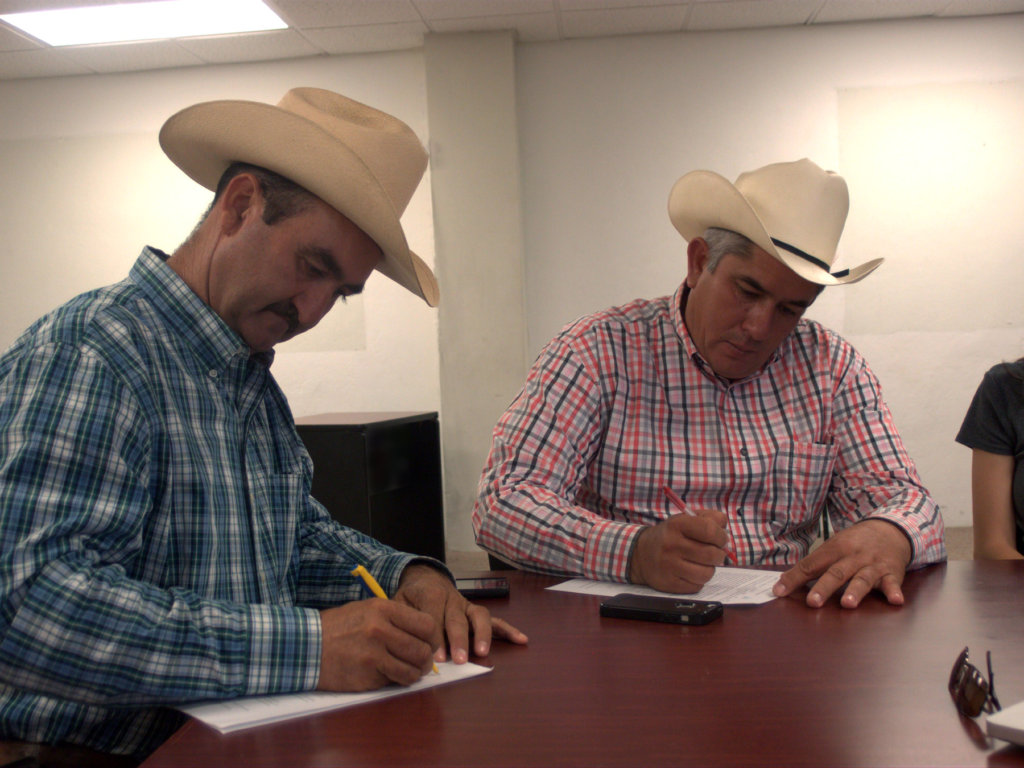
One of the ranchers participating in Project Wildcat is named Fernando. Before Fernando joined Project Wildcat, he was losing a large percentage of his income every year when jaguar would kill his cattle. Because his ranch is located in the middle of jaguar country, his cattle are easy targets for predation. In the past year alone, jaguars killed over 15% of his cattle. While he doesn't want to kill the jaguars, he has had to resort to desperate measures to save his cattle and feed his family. This is a huge problem given that jaguars are endangered and vital to the ecosystem. Luckily, through Project Wildlife, Fernando and five other ranchers like him have agreed to refrain from killing jaguars and other predators in exchange for training, supplies, and equipment to protect their cattle. This major accomplishment means that jaguars are now protected across almost 32,000 acres in Sonora, Mexico!
Links:
Project reports on GlobalGiving are posted directly to globalgiving.org by Project Leaders as they are completed, generally every 3-4 months. To protect the integrity of these documents, GlobalGiving does not alter them; therefore you may find some language or formatting issues.
If you donate to this project or have donated to this project, you can receive an email when this project posts a report. You can also subscribe for reports without donating.