By Taarika Chandy | Coordinator - Communications
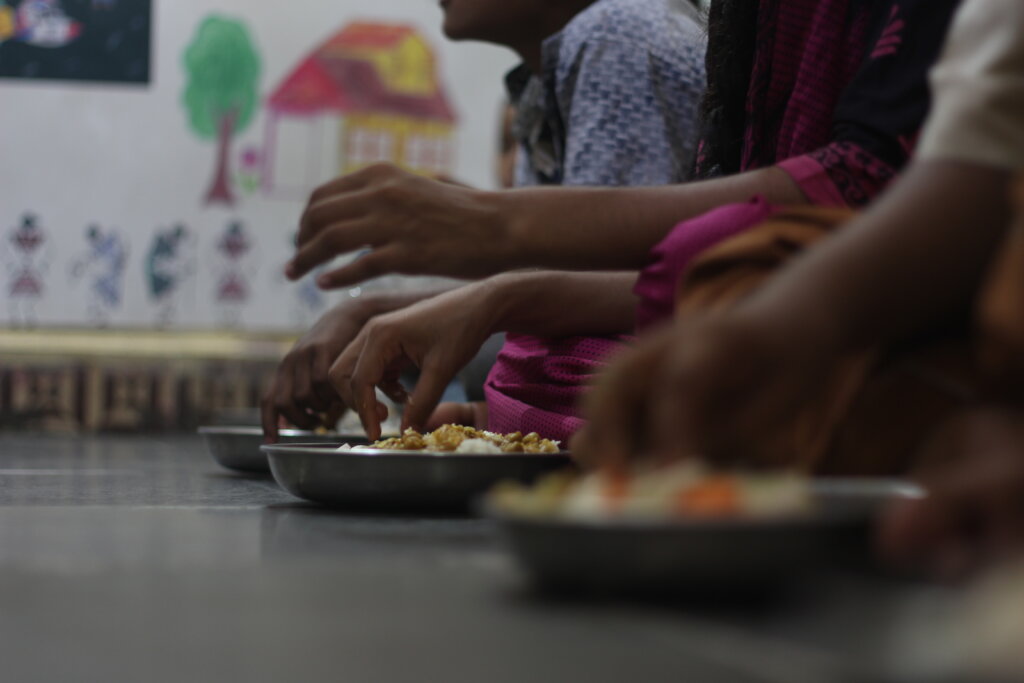
Sahaara believes that every person has a dream, and our work centers around ensuring that marginalized persons are able to articulate and work towards achieving their dream. Children in observation homes are one of the most marginalized populations in Mumbai.
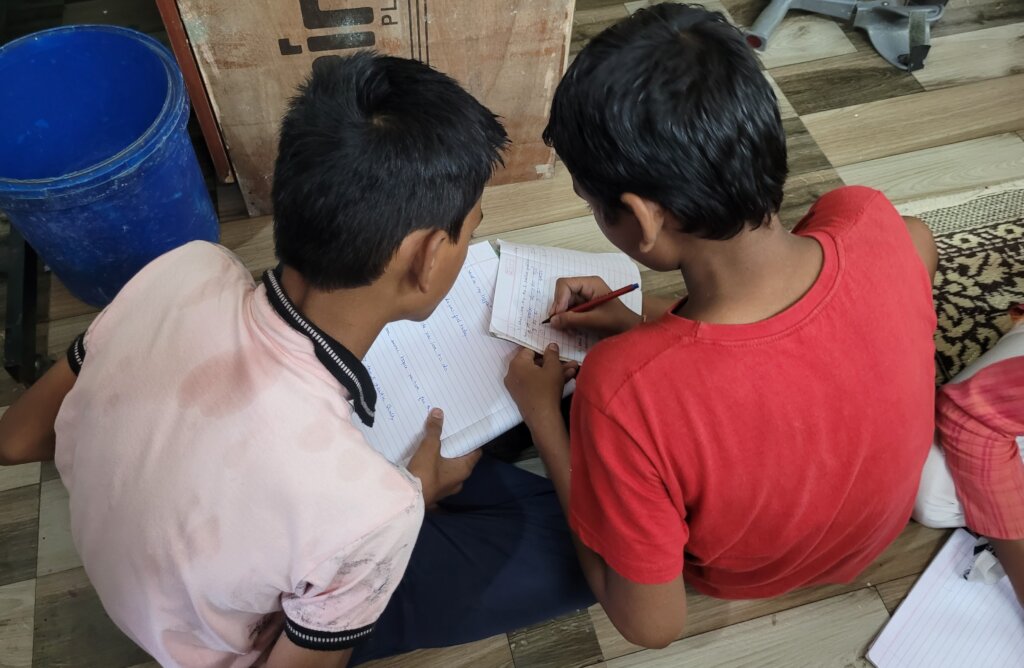
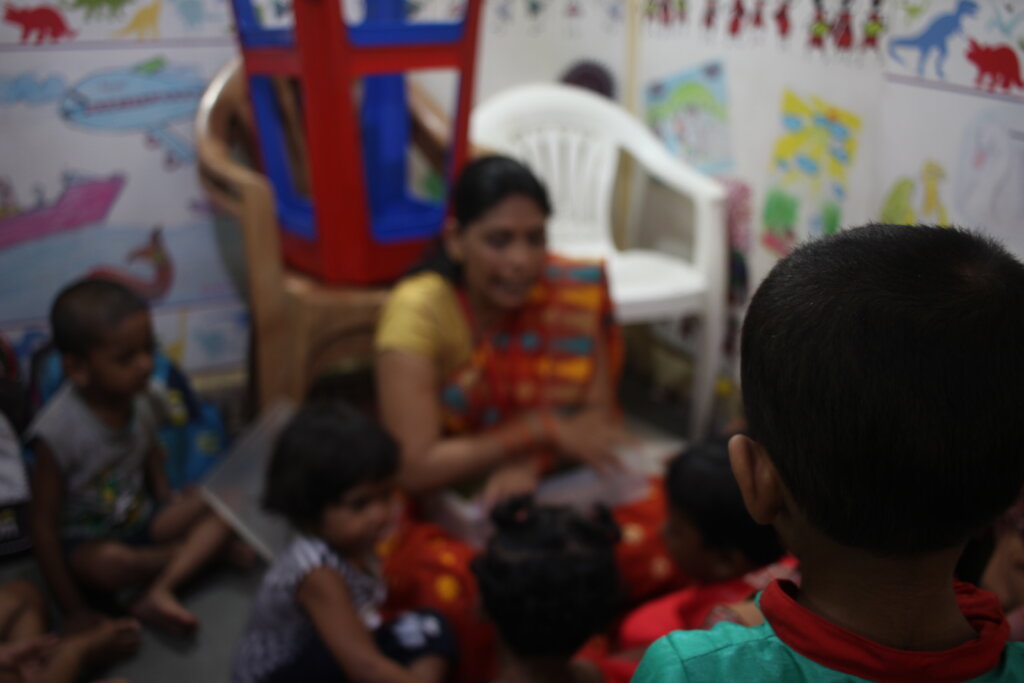
The children who live in these Homes come from different states of India and are educated in a Marathi medium school run by the Home. The language difference makes it difficult for them to learn. Remedial education helps in coaching the children in the Marathi language as well as their school subjects thereby helping them understand what they are learning and maintaining their interest to continue education once discharged from the Home.
Sahaara staff procures addresses of discharged children from the home authorities. The social workers then traverse through labyrinthine gullies of Mumbai slums searching for the children’s residences. Through such home visits, networking with local schools, facilitating assistance in books and materials, the child is facilitated entry into formal education paving the way to a bright future.
FINDING HOPE AND SECURITY
Beginning the day, not knowing whether you will have a place to call home at the end, is one of the worst feelings in the world. Unfortunately, for many children across the city of Mumbai, this situation is one they face quite frequently.
Sharad* was only around 12 years old when his mother passed away due to the elephantiasis disease. His father then shifted to Dubai for work, leaving Sharad in the care of one of the neighbours who lived in an apartment in Grant Road. Before long, this neighbour realised that he couldn’t meet the needs of this young boy and he was subsequently admitted to Umerkhadi Observation Home (UOH) in November 2014.
After four months there, he was shifted to a private home for another four months before he was shifted again to Chembur Children’s Home (CCH), where we met him in July 2015. Sahaara conducts supplementary education classes in CCH for the children who live there.
Sharad began to attend our classes there. When we first knew him, he was an emotionally insecure boy, troubled and disturbed by the things that happened in his past. He had a tendency to burst into tears regularly, as younger children do. Despite this, he was talkative during classes and liked to tease the other children. Sometimes his behaviour was unusually excessive, as he distracted the other children from their studies by making faces and laughing for no specific reason.
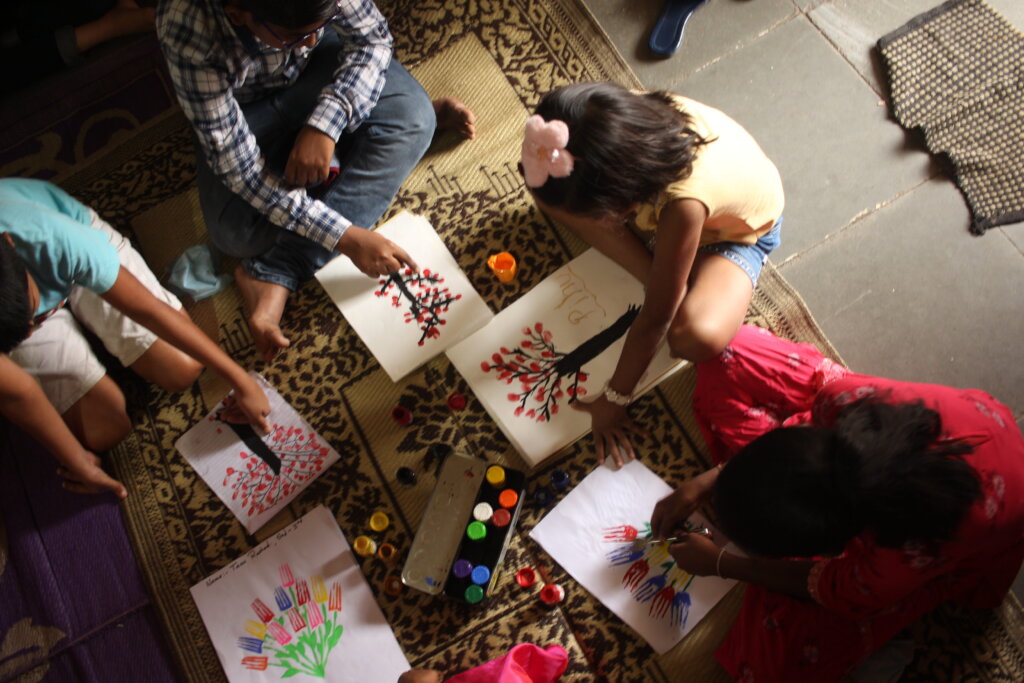
Sahaara staff noticed this behaviour and slowly, we began to counsel him. When he was upset, we were there for him, comforting and helping him understand what was happening. We were also able to encourage him to participate in sports, and in the educational activities we conduct during classes.
As we kept counselling and supporting Sharad, we saw a change in the way he began to behave. Today, he enjoys playing cricket regularly with the other children and recently, he confidently presented a speech on national leaders during class. He is class monitor and encourages the other students to behave well, while he has also become well-disciplined as a result of the responsibility handed to him. His favourite subjects now are Maths and English. Sharad has also begun to share with us whenever he encounters any personal issues, and this helps us to encourage and counsel him in a way that builds his value system.
We are so glad to see how Sharad has grown from the first month we met him. We hope to help many other young boys like Sharad find hope and security to look towards a brighter future!
*Names changed to protect identity
Project reports on GlobalGiving are posted directly to globalgiving.org by Project Leaders as they are completed, generally every 3-4 months. To protect the integrity of these documents, GlobalGiving does not alter them; therefore you may find some language or formatting issues.
If you donate to this project or have donated to this project, you can receive an email when this project posts a report. You can also subscribe for reports without donating.