By Team | Educate Girls
We are talking about a village in Ajmer district of Rajasthan that is infamous the world over for being the hotbed of flesh trade and prostitution. Because of the murky “profession” that these communities have been practicing for generations, they have been perpetually shadowed by several other problems like STDs, unwanted pregnancies, poor hygiene and sanitation, physical abuse, criminal activities and so on. Moreover, education in general and girls’ education in particular has never been a priority.
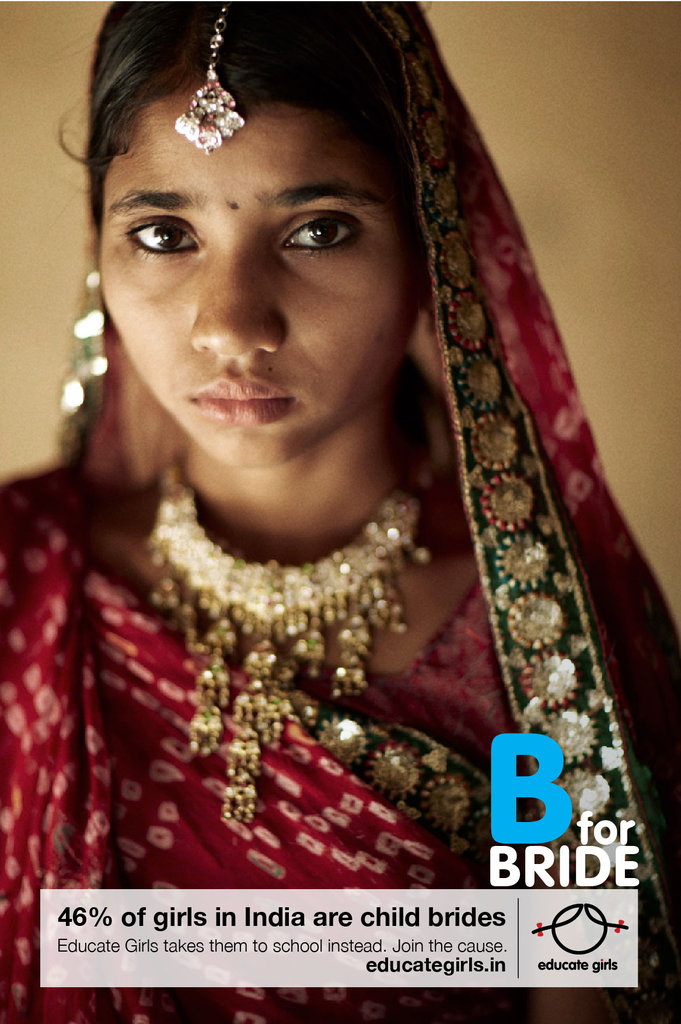
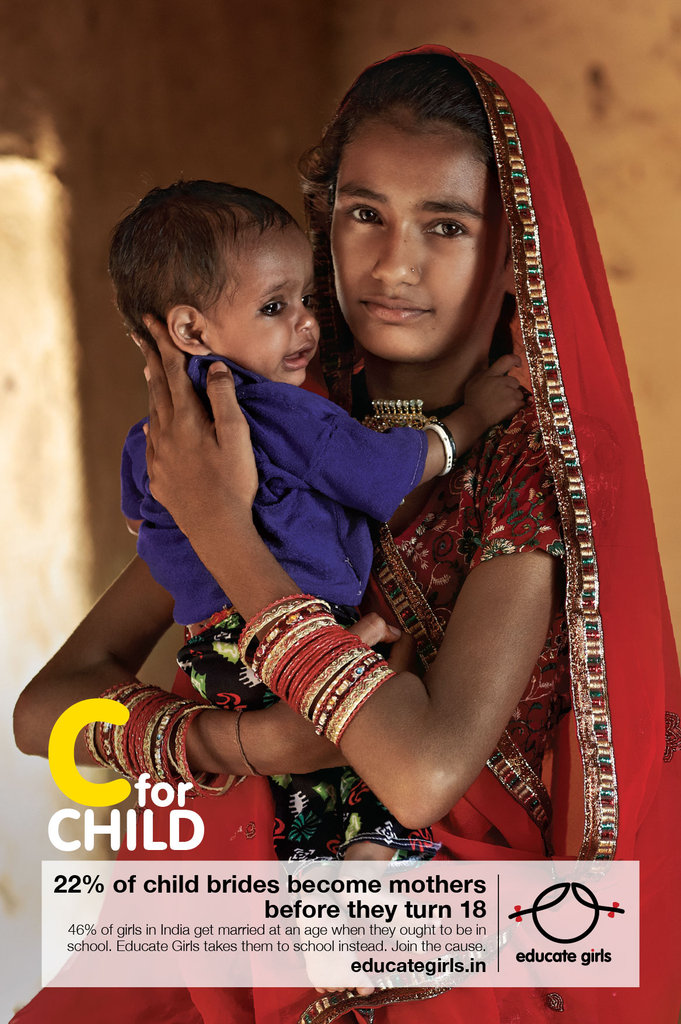
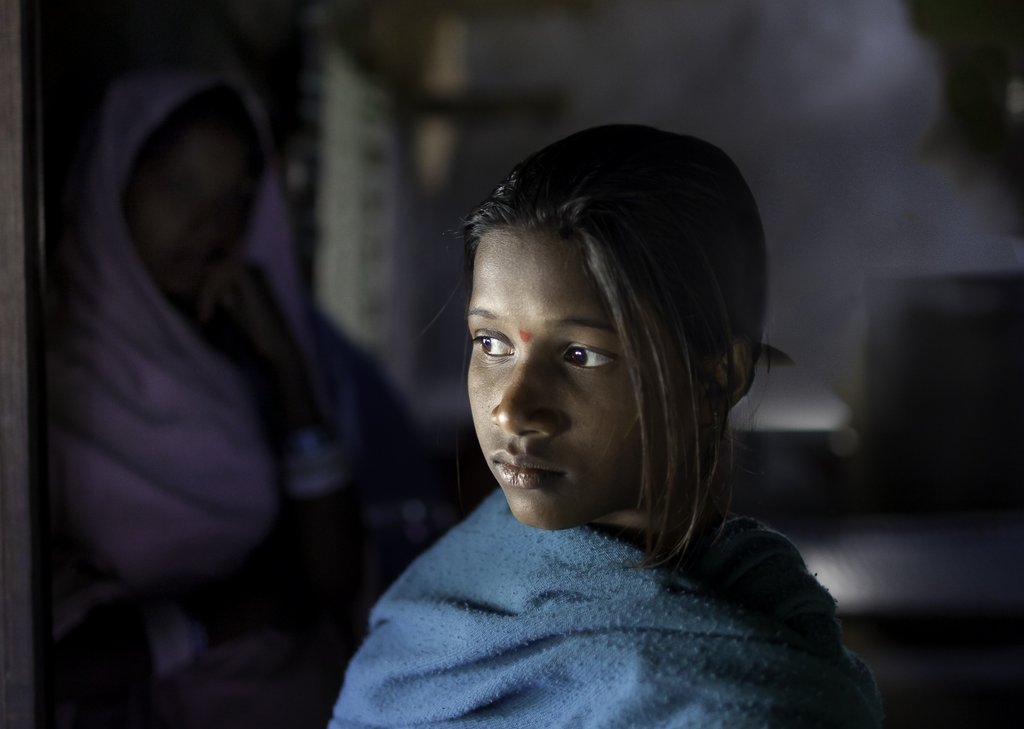
However, in the past decade or so, due to continuous interventions by the government, the police and numerous NGOs, the families here are very gradually moving to other means of livelihood. It’s a pleasant change to see them send boys to government schools. But when it comes to their daughters, families still do not want to rule out the possibility of them being (forcefully) pulled into prostitution. As a remedial step, they get the girls married and sent off to their marital homes before they hit puberty. In this scenario, the girls getting a chance to go to school is out of question.
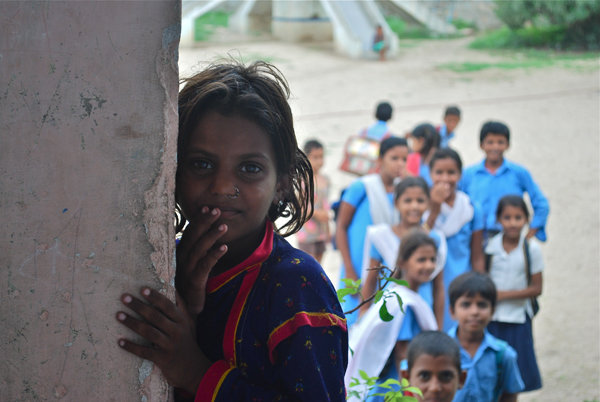
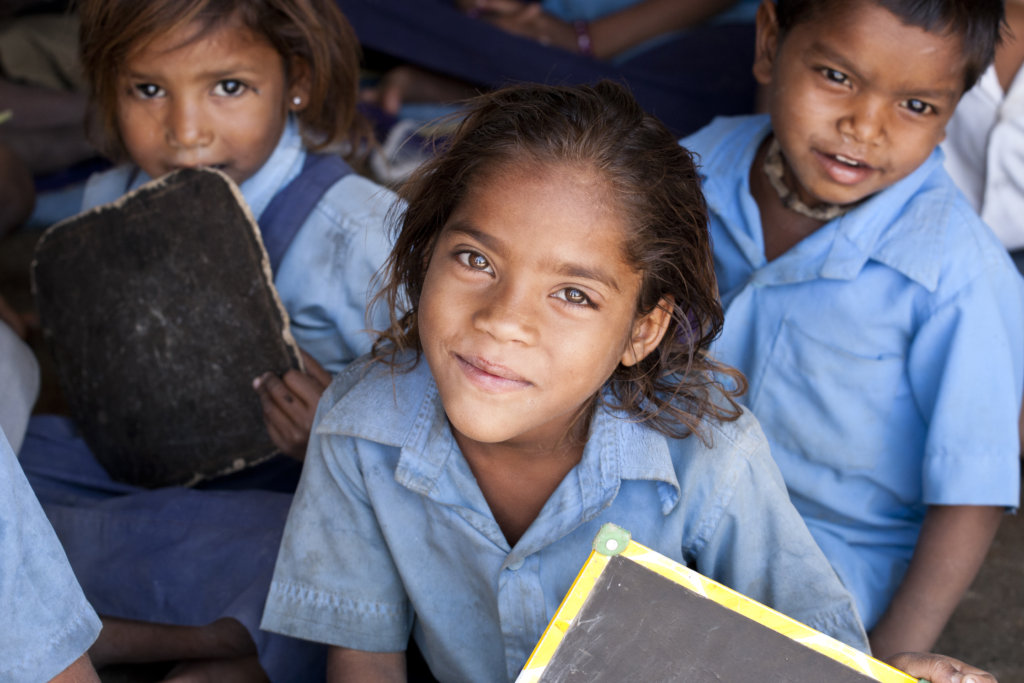
When Educate Girls commenced work in these communities in 2014, it put all its strength in getting families to enroll their daughters in school. The major problem faced was around the enrollment of adolescent girls. Therefore families had to be encouraged to send their adolescent daughters to the government-run residential schools (KGBV) that were safe. Most of these girls were child brides, waiting to be sent to their marital homes.
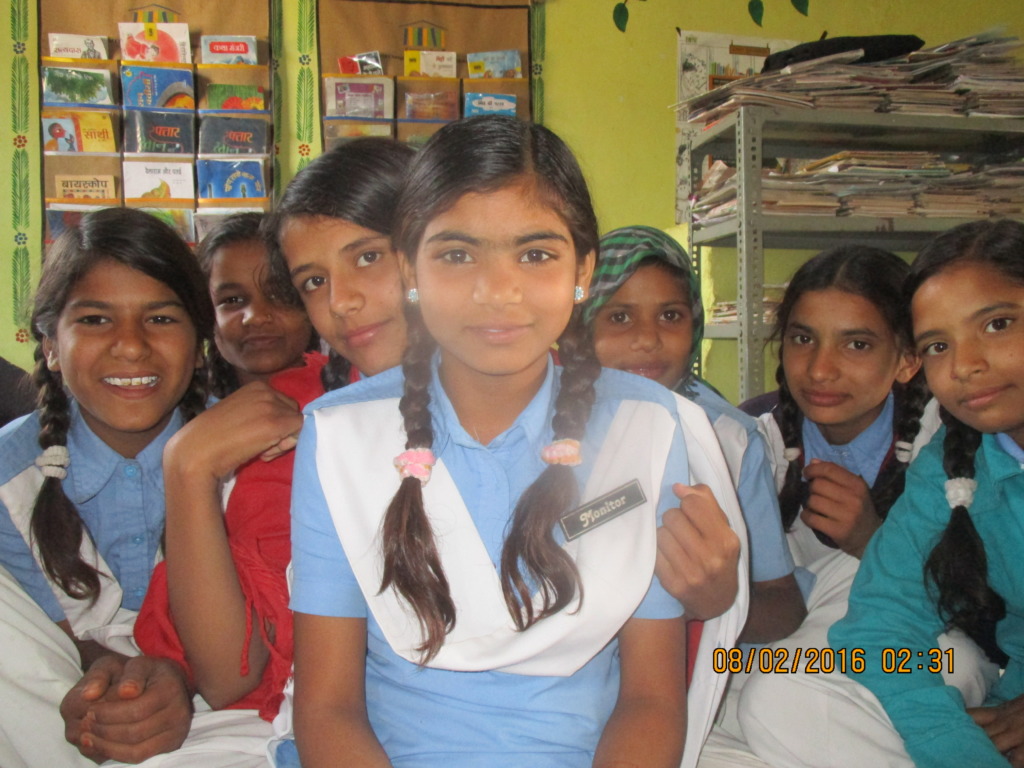
Educate Girls realized that the backgrounds and issues of these girls is very peculiar and therefore ‘life skills training’ was conducted more scrupulously. In these sessions, Educate Girls’ volunteers engaged in continuous conversations with the girls to get them talking about their problems, the solutions to these problems and their future. Games, sports, drama, elocution, singing, art etc. were the means used to educate these girls about the important role of women (and educated women) in our societies. This has slowly instilled them a sense of confidence, self-worth and problem-solving abilities.
Nusrat Shaikh*, one of these girls and the Head of the Girls’ Council (Bal Panch of the Bal Sabha) says, “We could not stop our parents from getting us married very early in our lives, but we are in charge of our future now and we shall continue to study as much as we can! All of us girls here have decided to speak to our parents and get the ‘gauna’ (the ritual of sending brides to their marital homes) postponed at least until we are 18 years old. This way, we will have more years to continue with studies and figure out how we can be self-reliant.”
With her education begins the process of social change, doesn’t it?
*changed name
Project reports on GlobalGiving are posted directly to globalgiving.org by Project Leaders as they are completed, generally every 3-4 months. To protect the integrity of these documents, GlobalGiving does not alter them; therefore you may find some language or formatting issues.
If you donate to this project or have donated to this project, you can receive an email when this project posts a report. You can also subscribe for reports without donating.