By Educate Girls | Team
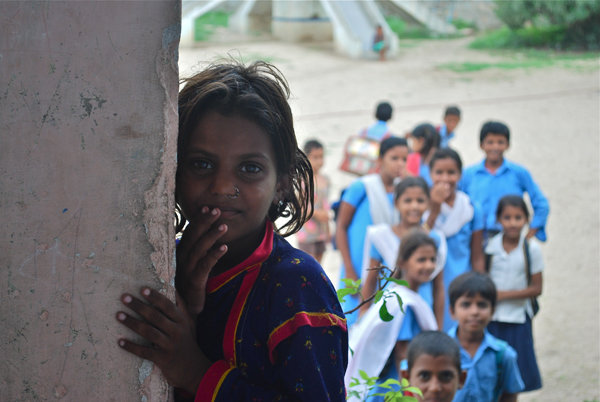
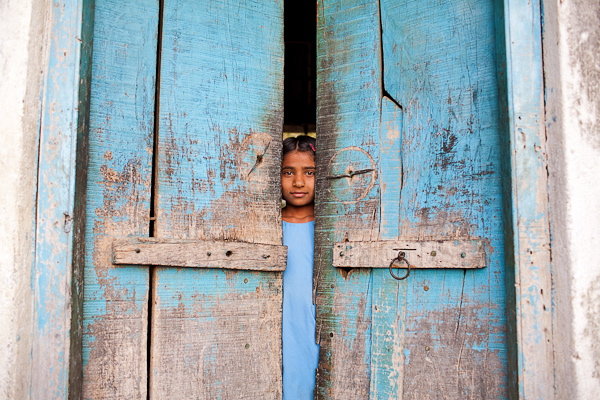
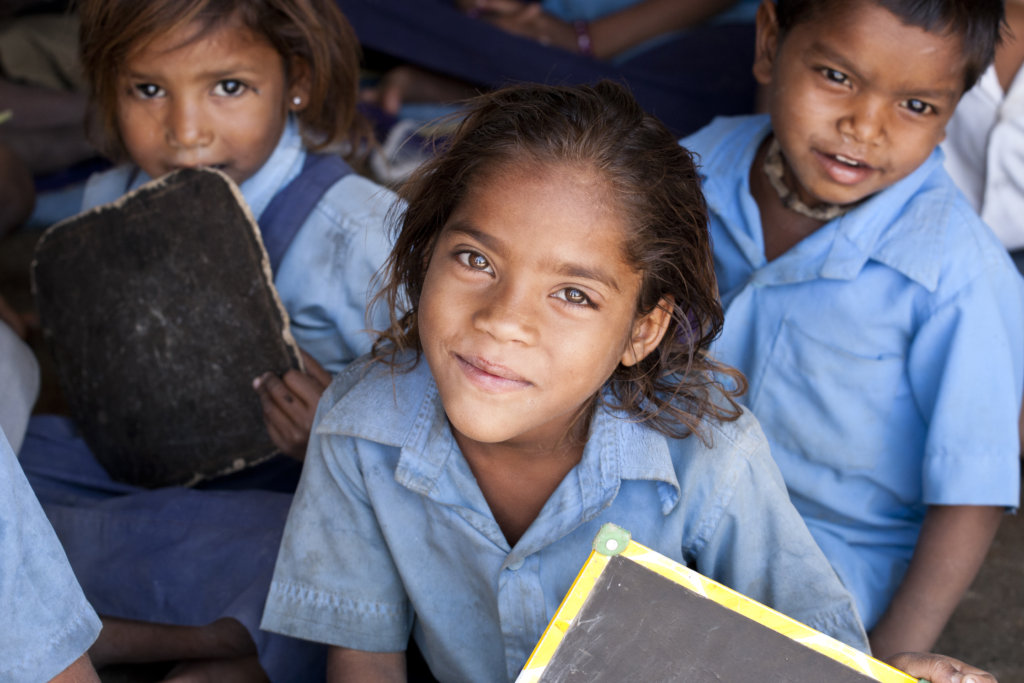
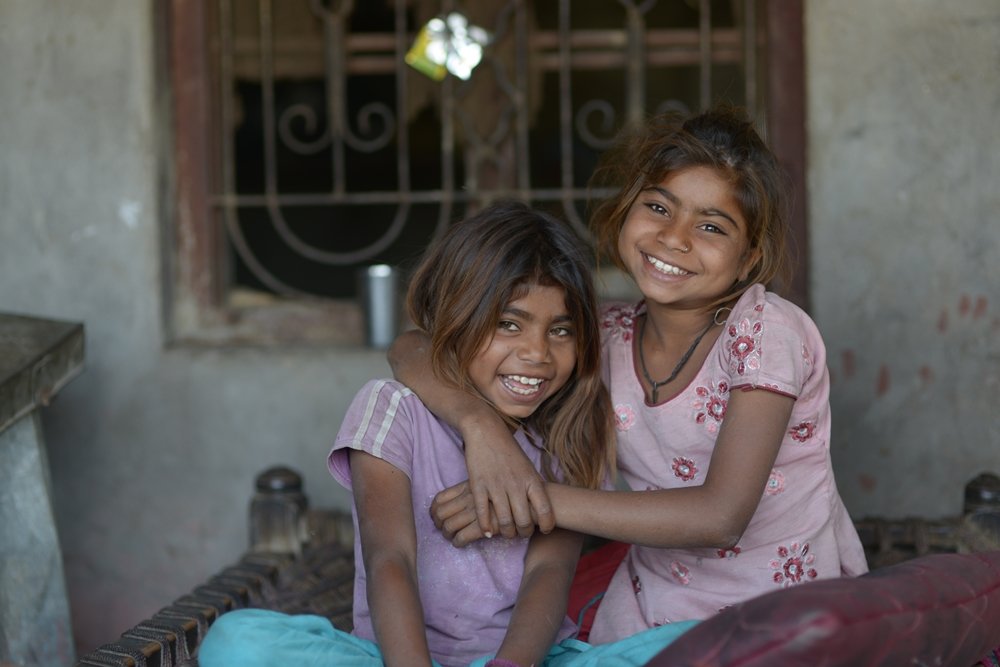
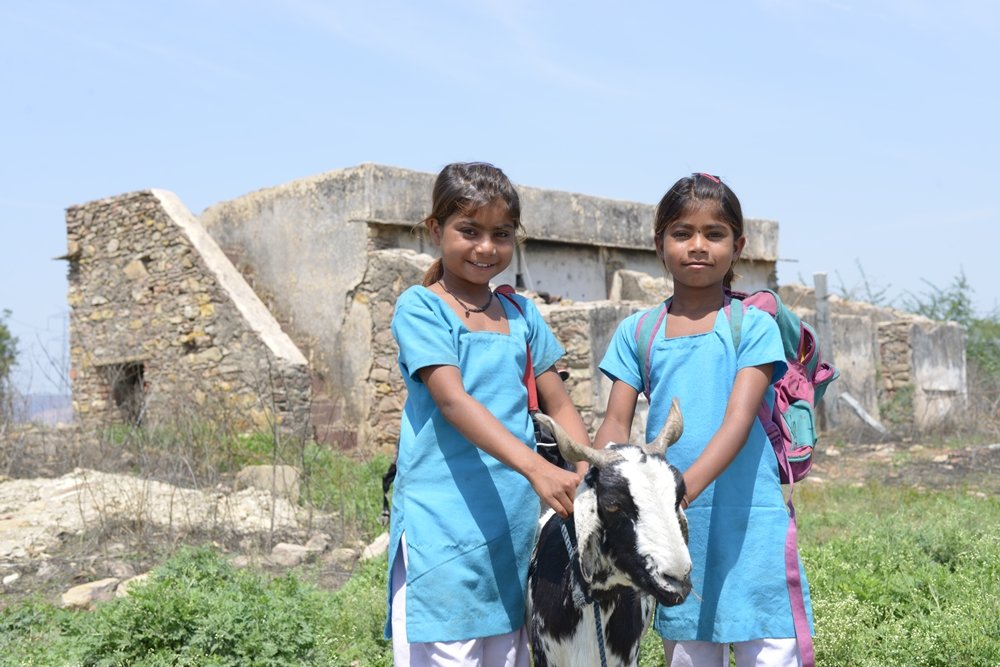
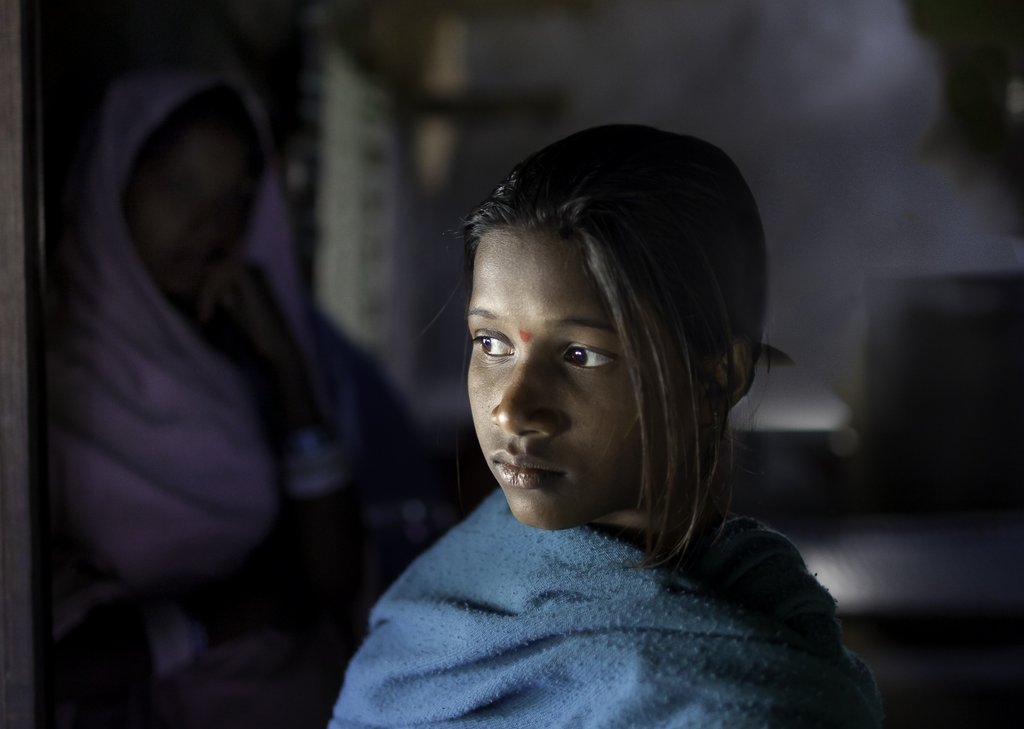
When Aarti* (10) and Vidhi* (8) were born, there was a celebration – a rare occurrence in rural Rajasthan but very common in their economically backward village. This is because Aarti and Vidhi, by virtue of their gender, are eligible to join the prevalent medium of employment in their village – prostitution. A chance at receiving an education can now change their destiny!
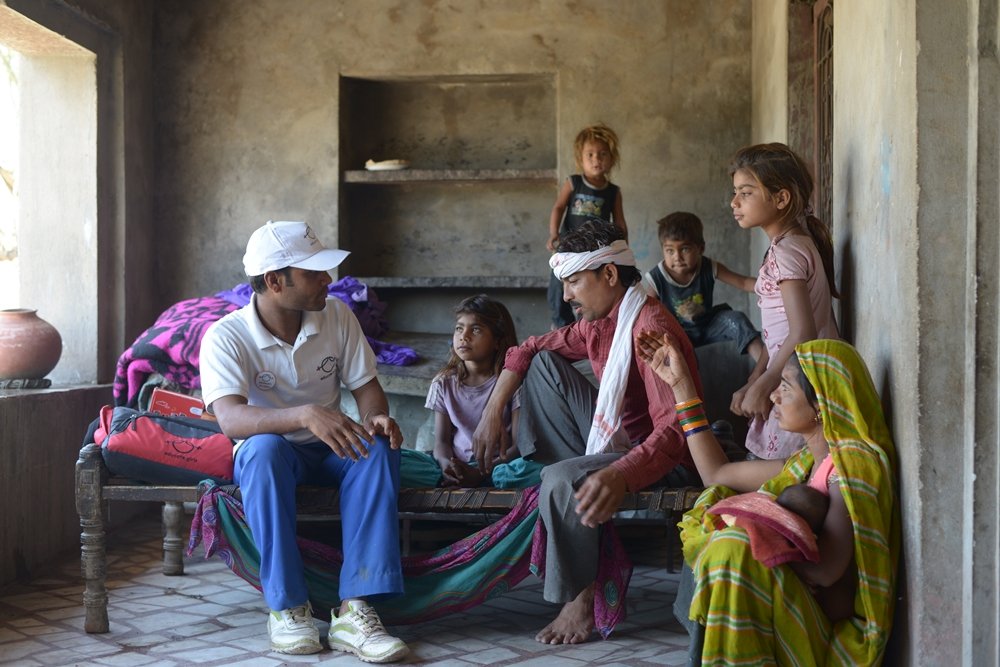
The Educate Girls’ Team from Mumbai is at Aarti and Vidhi’s home for a photo-shoot. Just half an hour into the shoot, the villagers get squeamish. They are worried that we’ve come under the guise of an NGO working in their village but actually want to investigate and expose their ‘secret activities’. They start to question Aarti and Vidhi’s father and pressurize him to send us away. However, one the few educated members of the village community is shown our credentials, which helps dispel the villagers’ apprehensions.
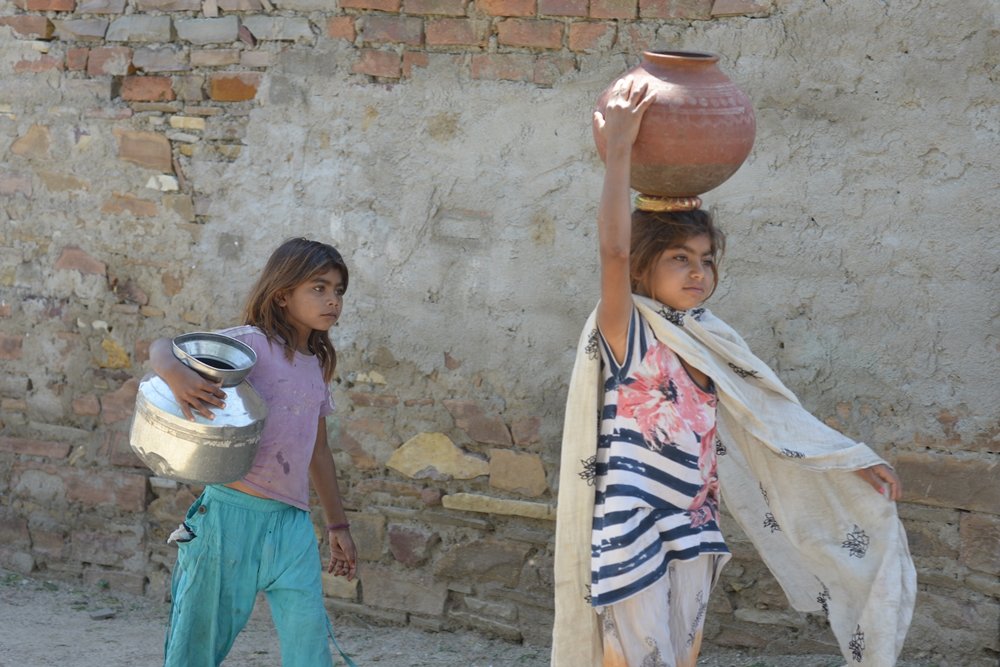
In the midst of this tense atmosphere, Aarti and Vidhi narrate their story. They have four younger siblings and their parents are illiterate. Sometimes, their father finds work in small construction sites in nearby areas. But finding paid work is scarce in this difficult terrain which does not support agriculture. As a result, the only true possible source of income for the very poor families is often sending their adolescent girls into prostitution. Like most girls here, Aarti and Vidhi were set on a path that led to this profession.
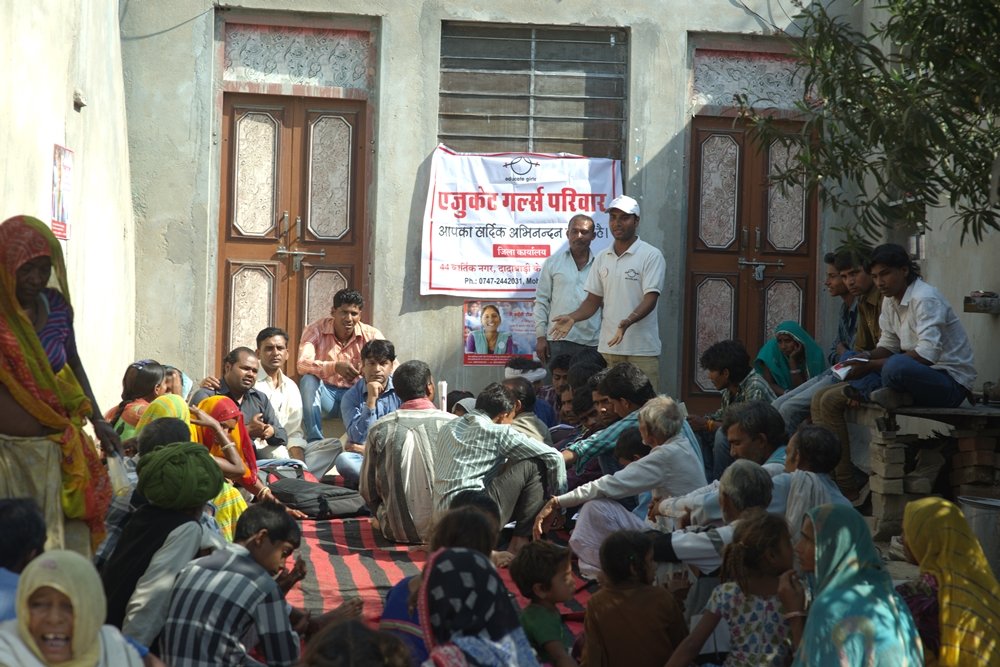
In 2014, Educate Girls’ operations scaled up to include the district where the two girls live. Since then, Educate Girls’ Field Coordinator Jitendra and Team Balika (community volunteer) Satyanarayan have conducted various village meetings to sensitize the community toward the importance and benefits of girls’ education. They have challenged the prevalent mindset and keep urging people to educate their children and look for other options of employment.
Once the two girls were identified as out-of-school girls, Satyanaran started visiting their parents regularly to explain to them the benefits of educating their daughters. Initially they were hesitant to get their girls educated, as they feared breaking away from the community’s traditions. In addition, they also depended on Aarti and Vidhi to help out with house-hold chores and taking care of their siblings. However, Satyanarayan continued with his efforts to persuade them. He took them to the government school in the village and showed them the way Educate Girls partners with the school to achieve improved school infrastructure and learning outcomes for the children. He made them aware of the world of other employment opportunities that would open up for their girls if they were educated.
Finally, Aarti and Vidhi’s parents agreed to send their daughters to school. Their parents still face resistance from the community, who were shocked at this decision. As Jitendra puts it, “It’s like a tug of war – we keep advocating their girls’ education and the villagers keep pushing them to reconsider and not get swayed by our words. We need to win this because when we do, we will positively change the lives of even those who are now against us.”
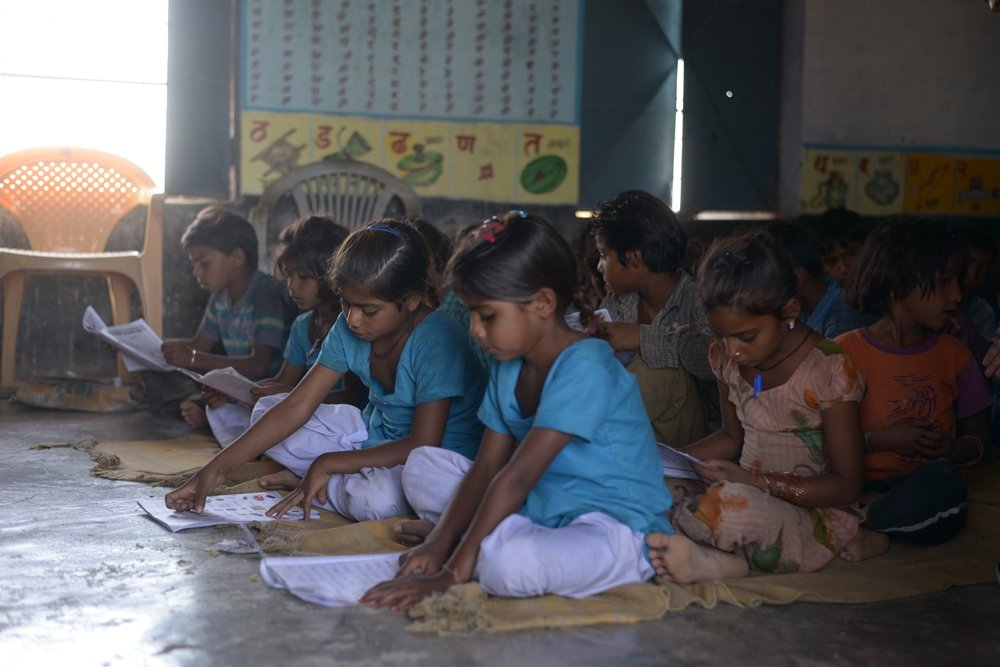
Aarti and Vidhi’s spirits are unaffected by this cultural and social dilemma. They enjoy going to school and have realized that this is what they want. Aarti wants to become a police officer when she grows up. She has seen police officers frequent the village to keep a check on the prostitution racket and knows that people are scared of them: “I don’t want to scare people. I just know that police have the power to make people do the right thing. That’s what I want.”
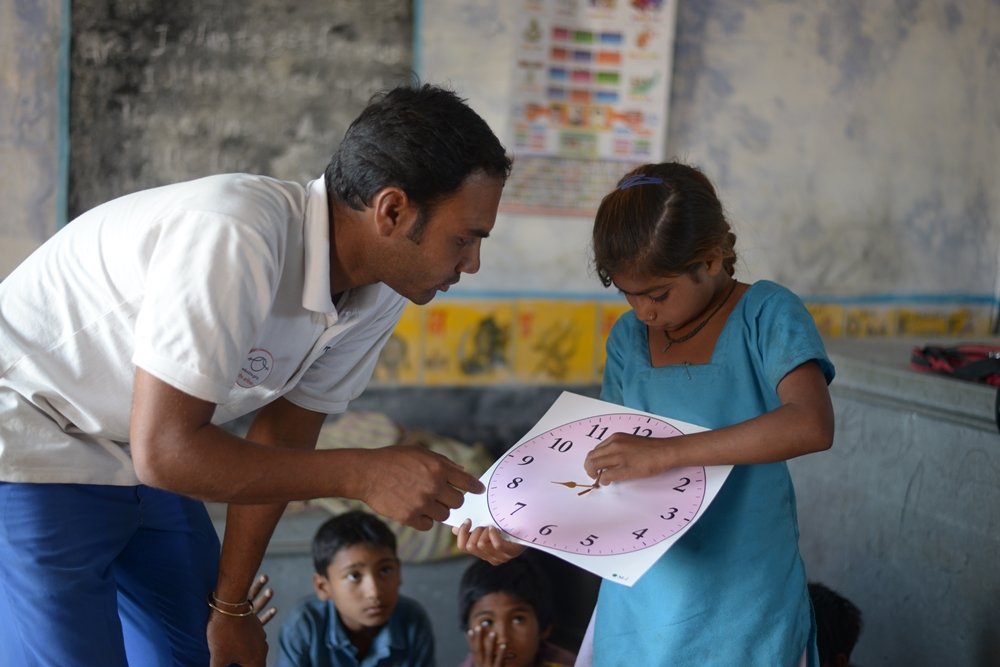
Aarti and Vidhi are both doing well in school and they love the sessions during which Satyanarayan uses Educate Girls’ Creative Learning and Teaching (CLT) kit for teaching. Aarti is learning to read the time on a clock. She has shown her mother how to read the time as well. Her mother said, “Although I am afraid and I know we need money, I am happy that my girls are getting an opportunity that I didn’t get. Perhaps their lives will be different. Perhaps time will show them a better future than I could ever imagine. This is why I’ve agreed to educate them.”
*Names changed to protect the identity of the minors
Educate Girls works in the remotest rural areas of Rajasthan, where it is often the only NGO to operate. By bringing girls back to school and ensuring they stay and learn well, Educate Girls significantly enhances the life chances of some of the most marginalized children in India. For instance, each extra year of education increases a girl’s income by 10 to 20%. An educated girl will benefit from a better health, make more informed decisions for herself and reduce her risk of exposure to domestic violence. She will also be more likely to send her own children to school.
Help your friends and family end the year with an act of good!
A generous anonymous donor on Global Giving has agreed to match 100% of all new recurring monthly donations up to $200. Recurring donations matching starts on December 1, and goes on until December 31, 2015. To be eligible for matching, the new recurring donation should last for a minimum of three months after the initial donation. Celebrate generosity this winter season and share Educate Girls' project link with your network!
Links:
Project reports on GlobalGiving are posted directly to globalgiving.org by Project Leaders as they are completed, generally every 3-4 months. To protect the integrity of these documents, GlobalGiving does not alter them; therefore you may find some language or formatting issues.
If you donate to this project or have donated to this project, you can receive an email when this project posts a report. You can also subscribe for reports without donating.