By Makensie Brown | Director of Operations
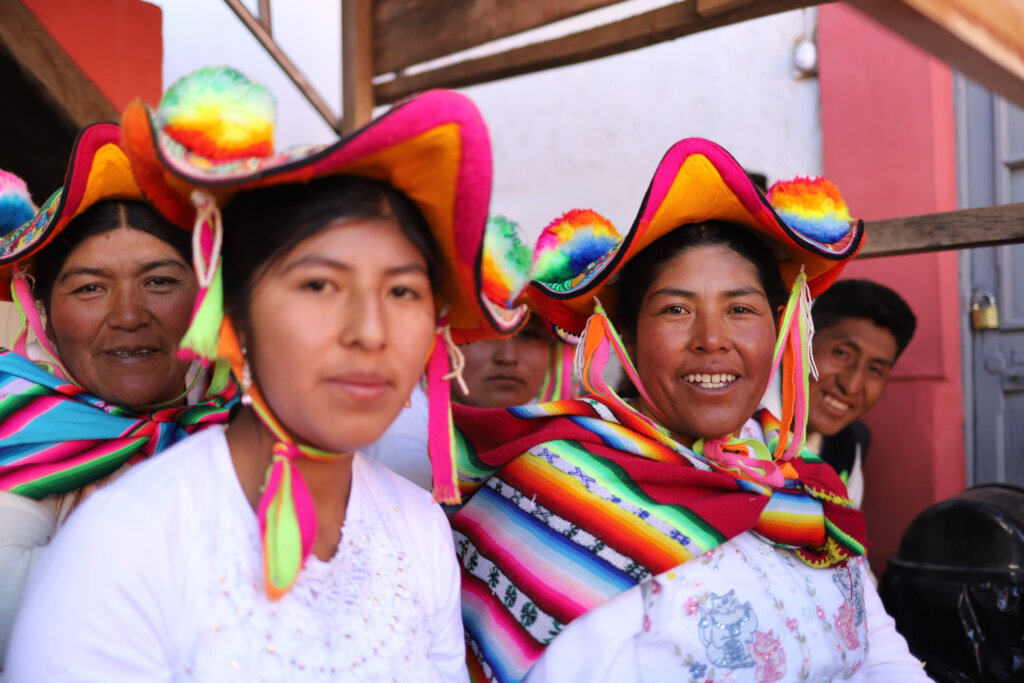
As we close out 2025, we are making plans for 2026 on how to continue to support the aplaca-herding families.
The next step of this process is to strengthen the sustainability, quality, and market access of alpaca-fiber producers in our partner communities through coordinated actions in genetic improvement, traditional fiber production, and digital capacity-building. The first component addresses the scarcity of high-quality colored alpaca fiber, which limits product diversity and income opportunities. To solve this, we will acquire selected colored male breeding alpacas to refresh herd genetics, improve fiber quality, and increase the availability of natural colors. This genetic improvement will enable producers to access higher-value markets and reduce dependence on external fiber sources.
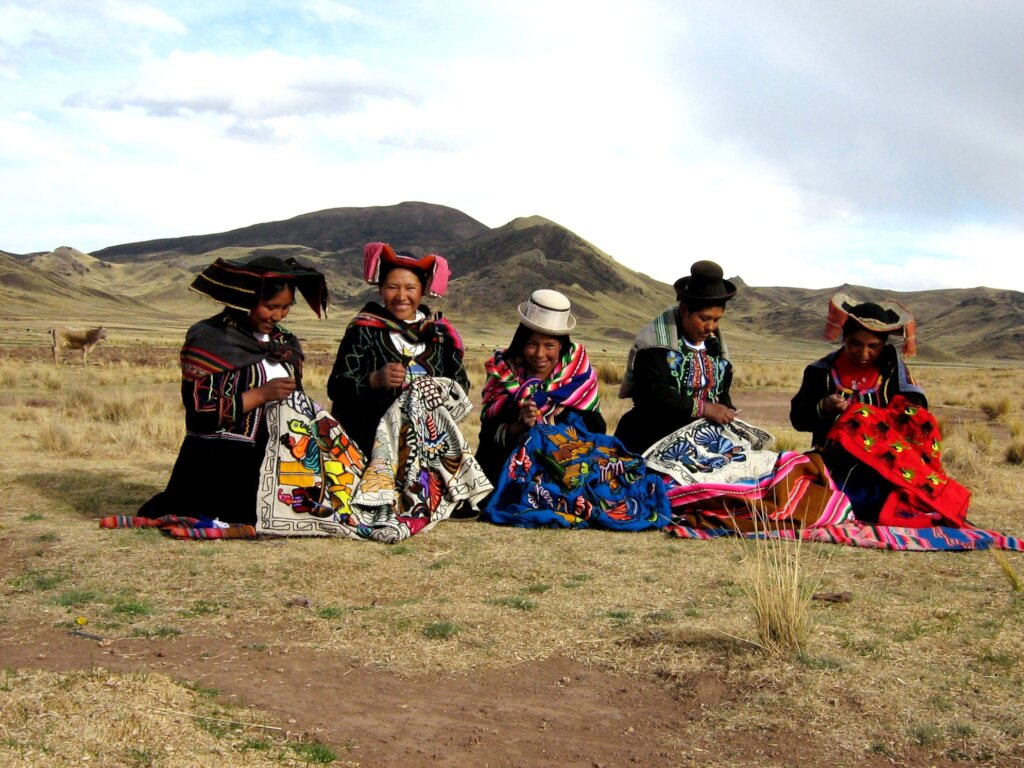
The second component supports community-based artisans in enhancing the production of handmade alpaca yarns. Beneficiaries will receive practical training and improved infrastructure to strengthen each stage of their artisanal processes. All capacity-building activities will prioritize the preservation of ancestral spinning and dyeing techniques, ensuring cultural continuity while increasing efficiency, quality, and consistency.
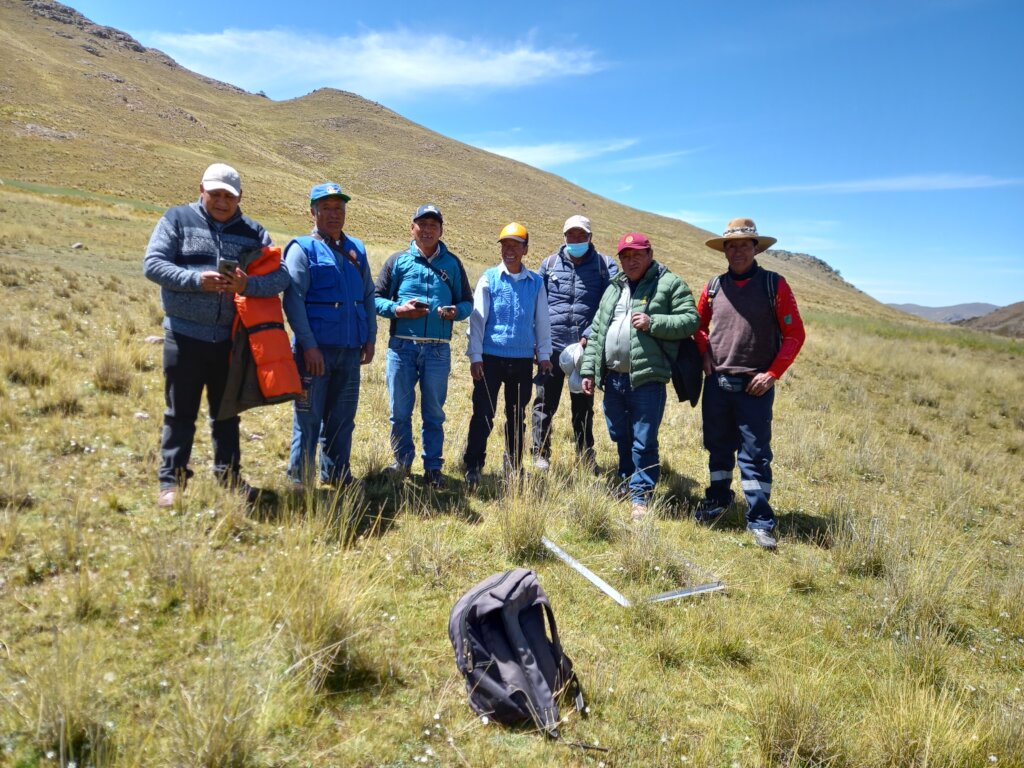
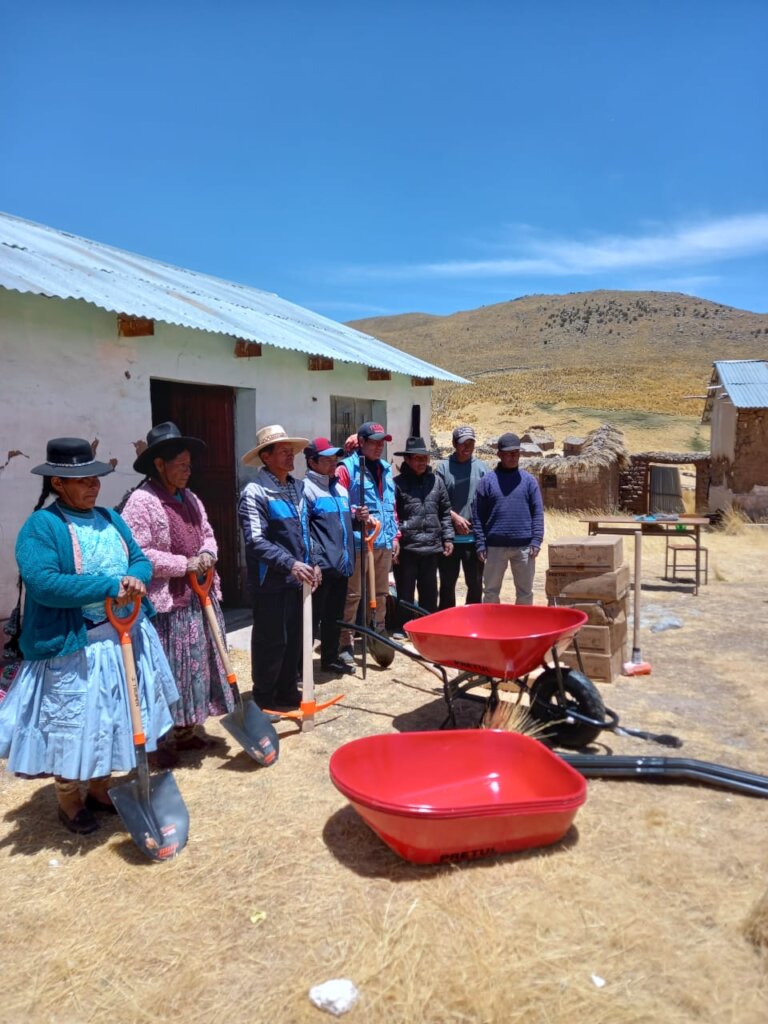
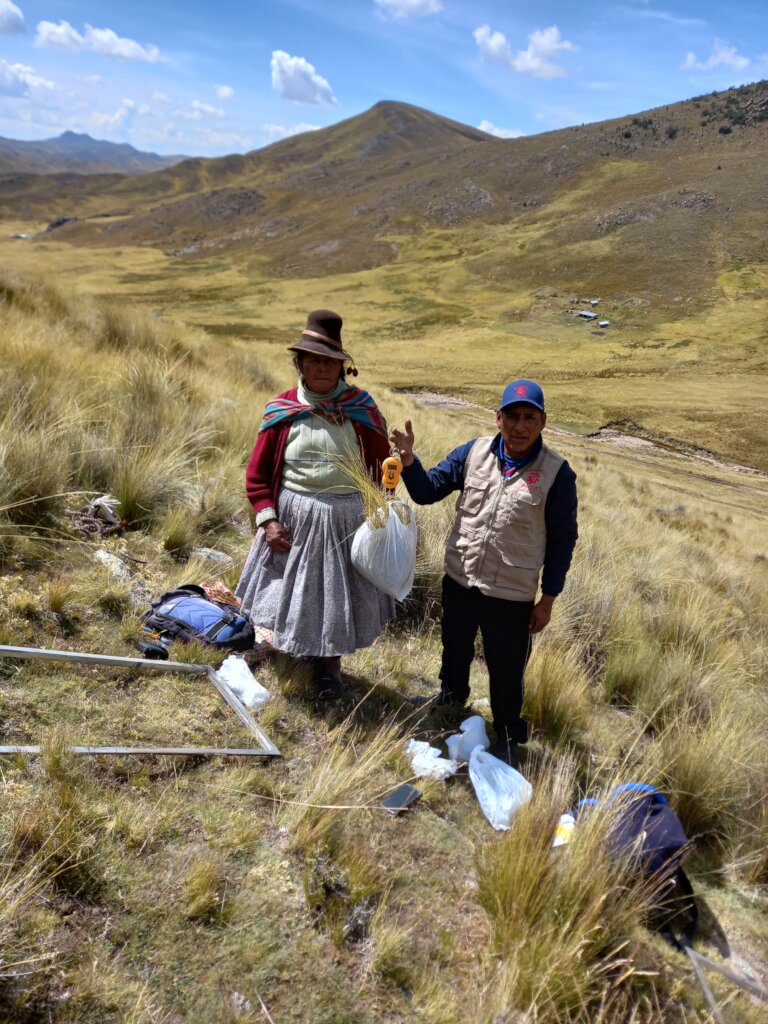
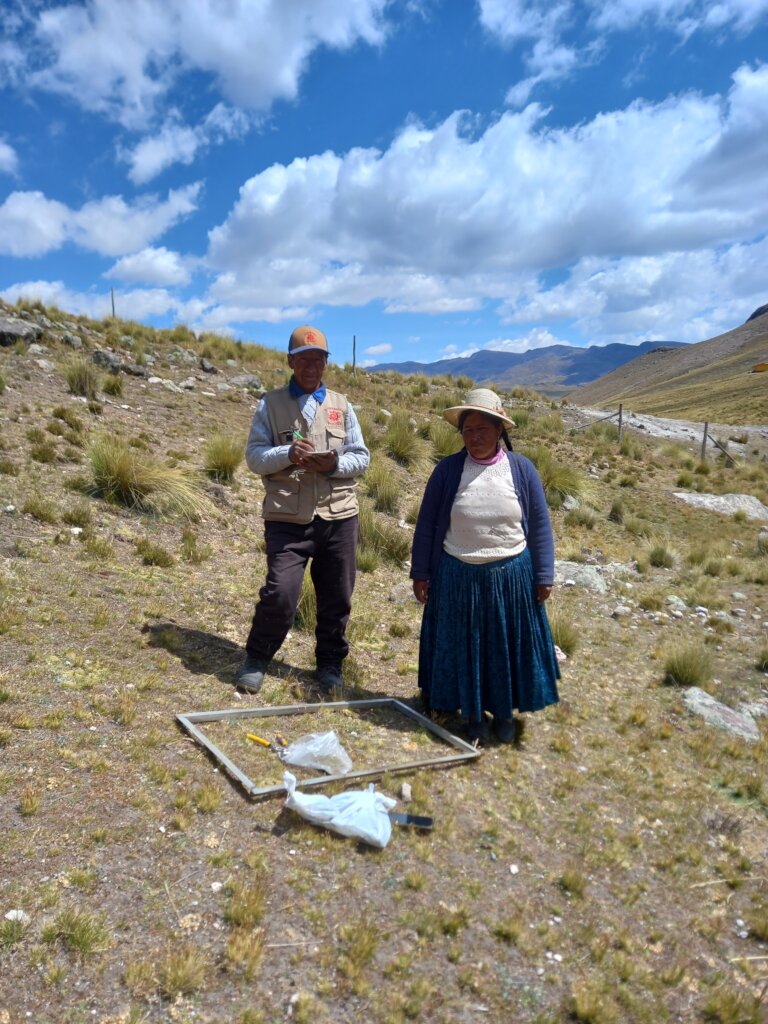
Additionally, the project recognizes that healthy high-elevation wetlands (bofedales) are essential for sustaining alpaca herds and cultural traditions. Families will continue long-standing conservation practices by expanding protective fencing to prevent overgrazing and by planting native wetland grasses and seeds that restore soil moisture and forage availability. Each family is committed to preserving these landscapes, understanding that bofedales safeguard environmental integrity and cultural heritage.
Finally, the project will address limited access to digital tools and online markets by supporting the creation of a functional website and providing training in digital literacy and online marketing. Through these integrated components, we anticipate stronger genetic resources, improved artisanal systems, restored ecosystems, enhanced cultural resilience, and greater market access.
Project reports on GlobalGiving are posted directly to globalgiving.org by Project Leaders as they are completed, generally every 3-4 months. To protect the integrity of these documents, GlobalGiving does not alter them; therefore you may find some language or formatting issues.
If you donate to this project or have donated to this project, you can receive an email when this project posts a report. You can also subscribe for reports without donating.



Support this important cause by creating a personalized fundraising page.
Start a Fundraiser