Poverty alleviation in Uganda relies on a mix of government-led socioeconomic strategies, localized grassroots interventions, and international non-profit support aimed at improving agricultural output, vocational training, and small-business acces\ Parish Development Model (PDM): Focuses on grassroots economic production and financial inclusion at the parish level.Emyooga: A presidential initiative aimed at wealth creation and job generation targeting specialized enterprise groups.
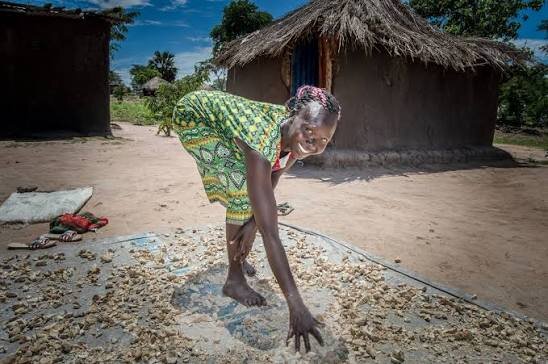
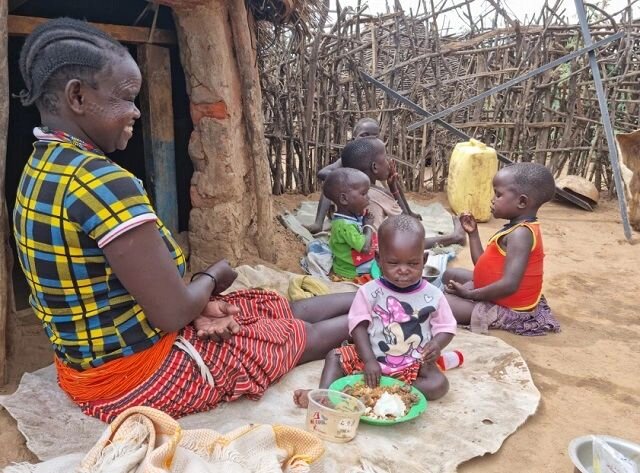
In Uganda, poverty is driven by high reliance on subsistence agriculture, vulnerability to climate shocks, rapid population growth, and limited non-monetary resources like quality healthcare and secondary education. Many households that manage to escape poverty remain insecure and easily slip back during crises. You can read more about these challenges through
Uganda's primary flagship strategy to fight poverty is the Parish Development Model (PDM), launched by the government to shift households from subsistence farming into the commercial money economy. It solves poverty by decentralizing funds, organizing local savings groups, and delivering agricultural and business resources directly to the parish level.
upporting poverty reduction in Uganda through targeted interventions-such as cash transfers, microenterprise grants, and agricultural training-yields critical short-term relief and profound long-term developmental impacts. These programs transform local economies by fostering sustainable livelihoods, improving child health, and boosting community resilience against environmental and economic shocks



Support this important cause by creating a personalized fundraising page.
Start a Fundraiser