By AEE Rwanda | Project Team
Adolescent girls and young women aged 10-24 years are the most affected population and at the highest risk of acquiring HIV in Rwanda. Those living in Kigali – Rwanda’s capital – have higher rates (5%) of HIV infection than the national average (3%). The high HIV incidence is often accompanied by high rates of unintended pregnancy and sexual and gender-based violence due to increased sexual activity. Poverty in the homes compel most of these girls to engage in transactional sex to meet their basic needs, while others are driven by the reward-seeking and risk-taking behaviors inherent at this age. Since 2022, AEE Rwanda has been implementing a community-based HIV and GBV prevention program to address the behavioral, biological and structural drivers of HIV. However, the recent funding crisis left many of these girls without the needed support to help them cope with HIV treatment and other underlying vulnerabilities. With the support of GlobalGiving and Crisis in Care partners, AEE Rwanda provided life-saving HIV and GBV prevention services to 300 adolescent girls and young women in Gasabo district in Kigali.
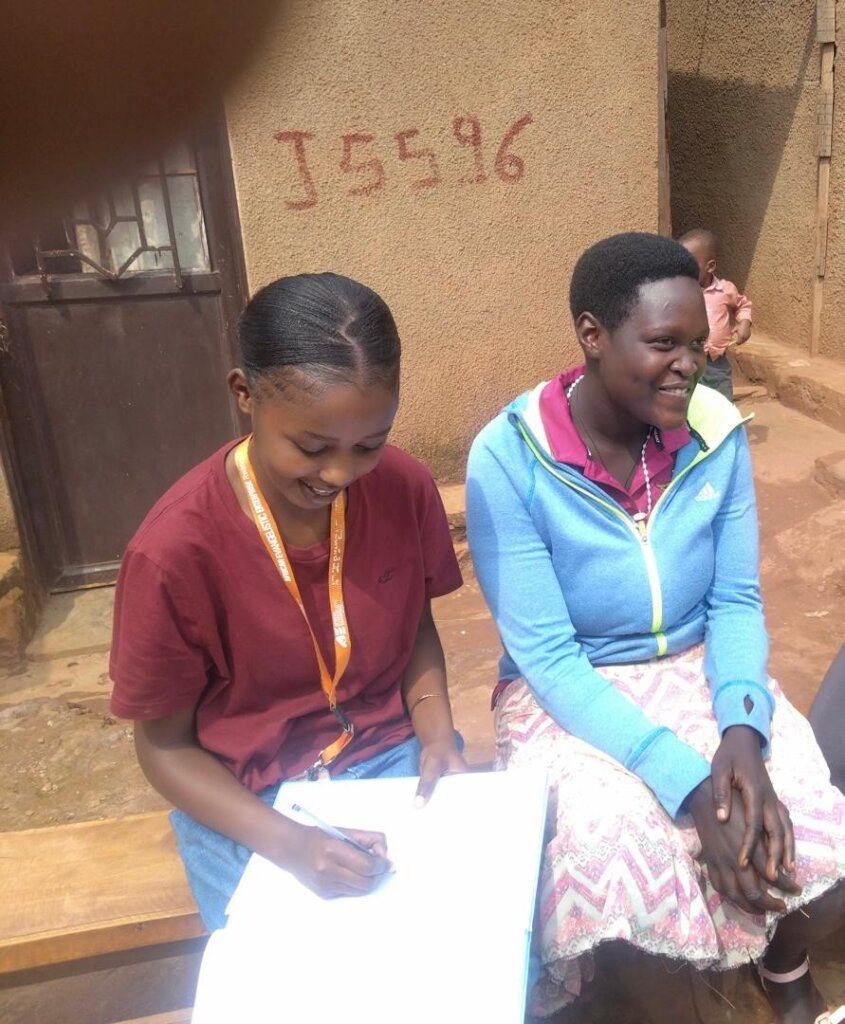
In September 2025, AEE Rwanda supported 120 young HIV-positive mothers and their babies (mother-baby pairs) unreached by the existing programs. Most of these young mothers reported treatment interruptions due to lack of transport, inadequate food, stigma, depression, family conflicts and limited knowledge about the treatment journey. The poor adherence to treatment increased HIV viral loads leading to poor health outcomes. To address the non-suppression, the project provided household grants to purchase food or start small income generating activities, supported families to get health insurance and provided transport for clinic visits. In addition, 20 children with opportunistic infections were supported to get medical care; including 6 with chronic diarrhoea, 9 with malnutrition and 5 with pneumonia. After 6 months, the viral load testing showed that 116 HIV-positive mother-baby pairs had suppressed and only 8 continued having persistent high viral loads. The low viral loads reduce the risk of transmission, making breastfeeding safe and enabling the young women live long and healthy lives.
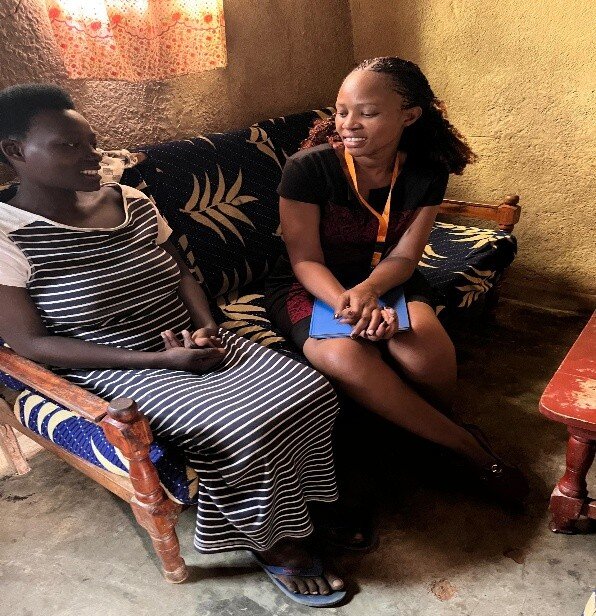
Meet Diane, the youngest child in a family of four, who got pregnant at 16 years. Her family and the father of her baby disowned her, forcing her to drop out of school and find refuge in the neighboring informal settlements in Gasabo district. Diane had not visited the clinic during her pregnancy, due to financial hardships and the stigma of pregnancy at an early age. When the time for delivery came, she was diagnosed with HIV. Her baby was also diagnosed with HIV at birth due to delayed treatment. Diane struggled to cope with the shock of the HIV diagnosis, the prevailing financial hardships and the responsibilities of a newly born baby. Without enough food, she could not produce sufficient breastmilk for her baby and both her health and that of the baby deteriorated quickly. During the following clinic visit, the nurses reached out to the project for additional support and follow-up. Through the GlobalGiving partnership, Diane received emergency food assistance and a small grant to start a small vegetable business. She was also enrolled in the community adherence support group for young mothers where she received additional counselling and training. “I do not know how what I would have done without the support, every time I took medicine without food, I would feel dizzy and nauseous, so I stopped taking the medicines” she said. Her small business now provides income to buy food for her and her child and meet other household needs.
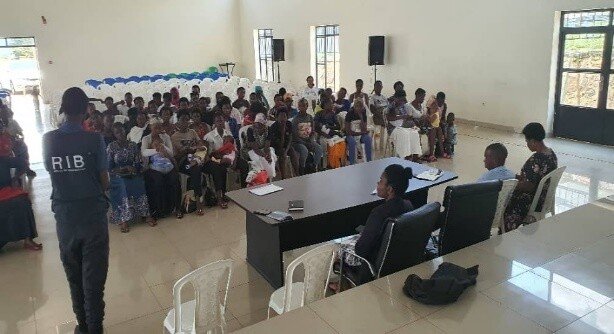
Further, in response to increased cases of sexual and gender-based violence reported by the community-based GBV case workers (IZU), the project partnered with GBV actors in Gasabo district to post-violence care services to 180 adolescent girls and young women. These included trauma counselling, medical and legal assistance, financial support and family reintegration for teen mothers. Among those supported, 21 AGYW survivors of sexual violence were accompanied to health facilities where they received rapid HIV testing; only 6 girls tested negative, highlighting the urgent need for continued prevention and response interventions. The project also provided financial support to 41 GBV survivors enabling them to reduce dependency on abusive partners, especially teen mothers. As a result, these young women are now able to support their children’s education, cover medical expenses, and sustain income-generating activities, contributing to long-term resilience and reduced vulnerability to HIV infection. We are so grateful for the Crisis in Care partnership that has enabled us to bring hope to many young women in our communities.
Project reports on GlobalGiving are posted directly to globalgiving.org by Project Leaders as they are completed, generally every 3-4 months. To protect the integrity of these documents, GlobalGiving does not alter them; therefore you may find some language or formatting issues.
If you donate to this project or have donated to this project, you can receive an email when this project posts a report. You can also subscribe for reports without donating.



Support this important cause by creating a personalized fundraising page.
Start a Fundraiser