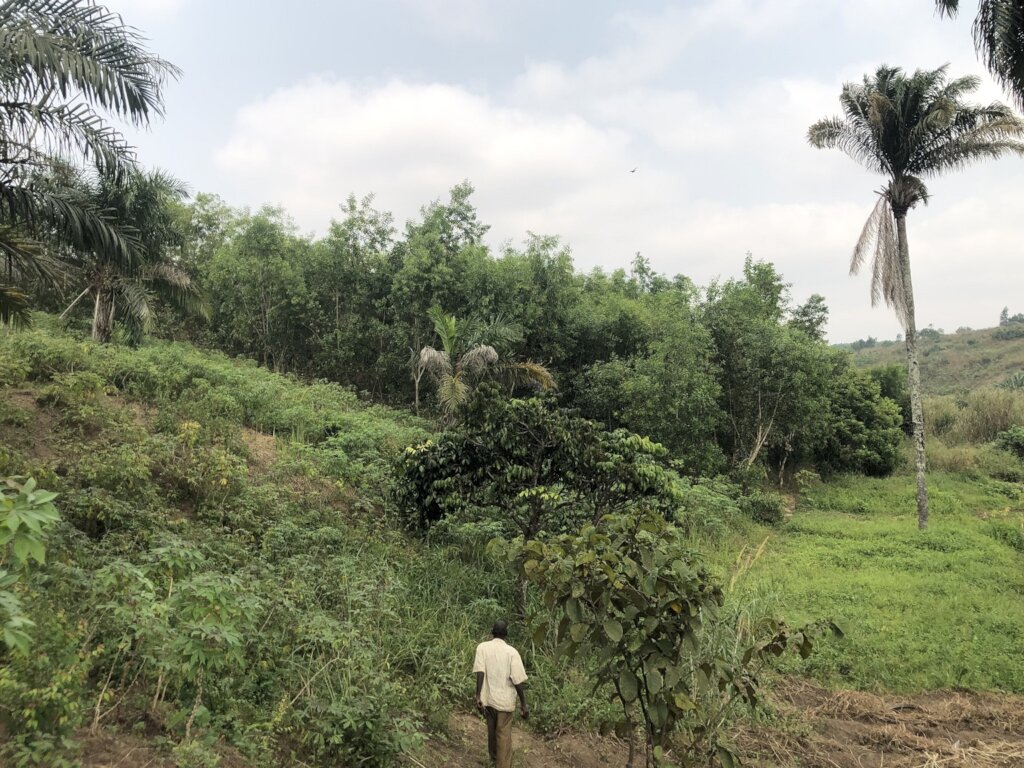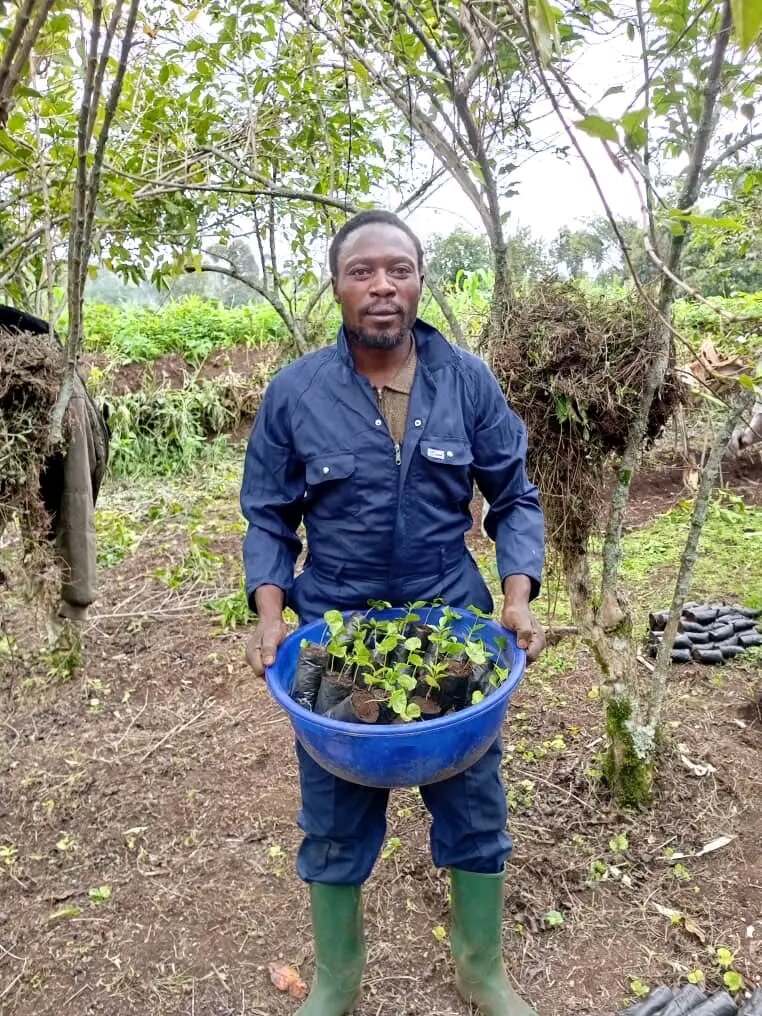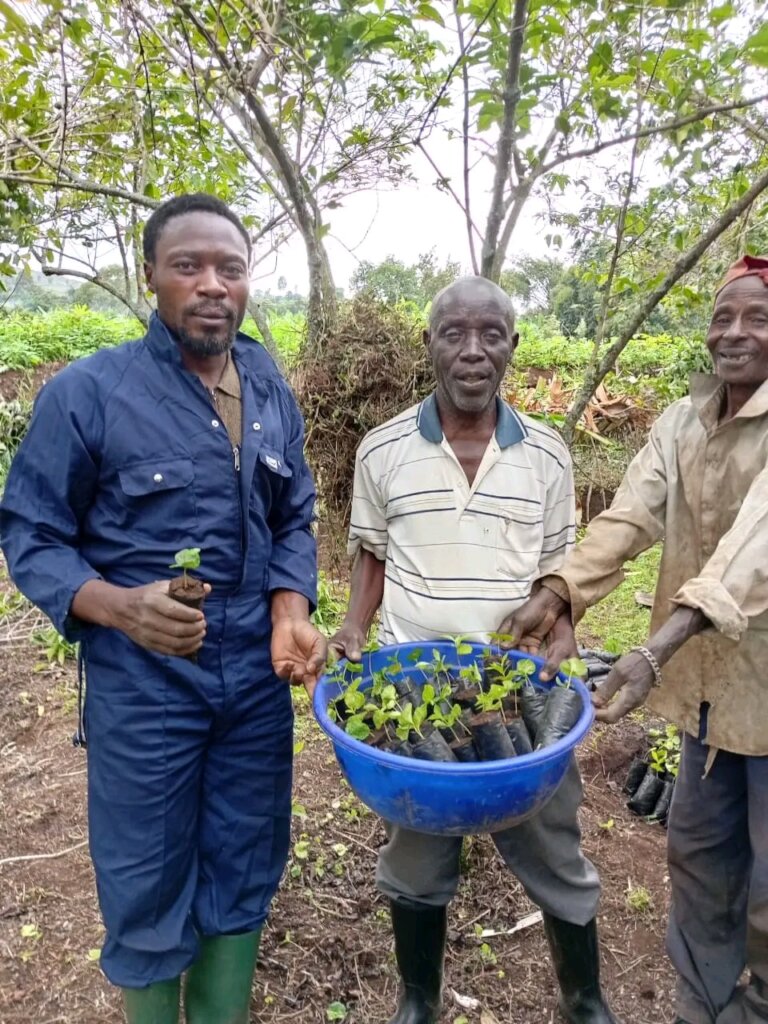
Was established to combat the dual crises of environmental degradation and resource scarcity in the North Kivu province. Years of conflict and unsustainable land use had stripped the Masisi hillsides of their natural canopy, leading to severe soil erosion and increased vulnerability to natural disasters. By successfully planting over 500,000 trees, REID demonstrated that local communities could lead large-scale environmental recovery.
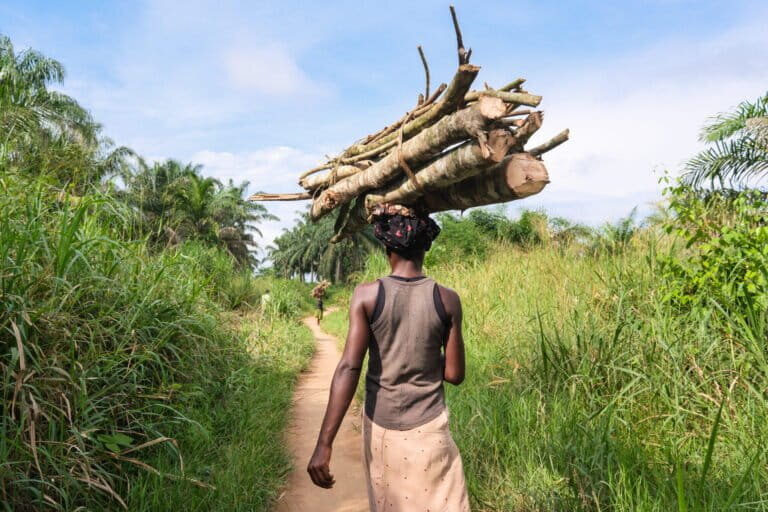
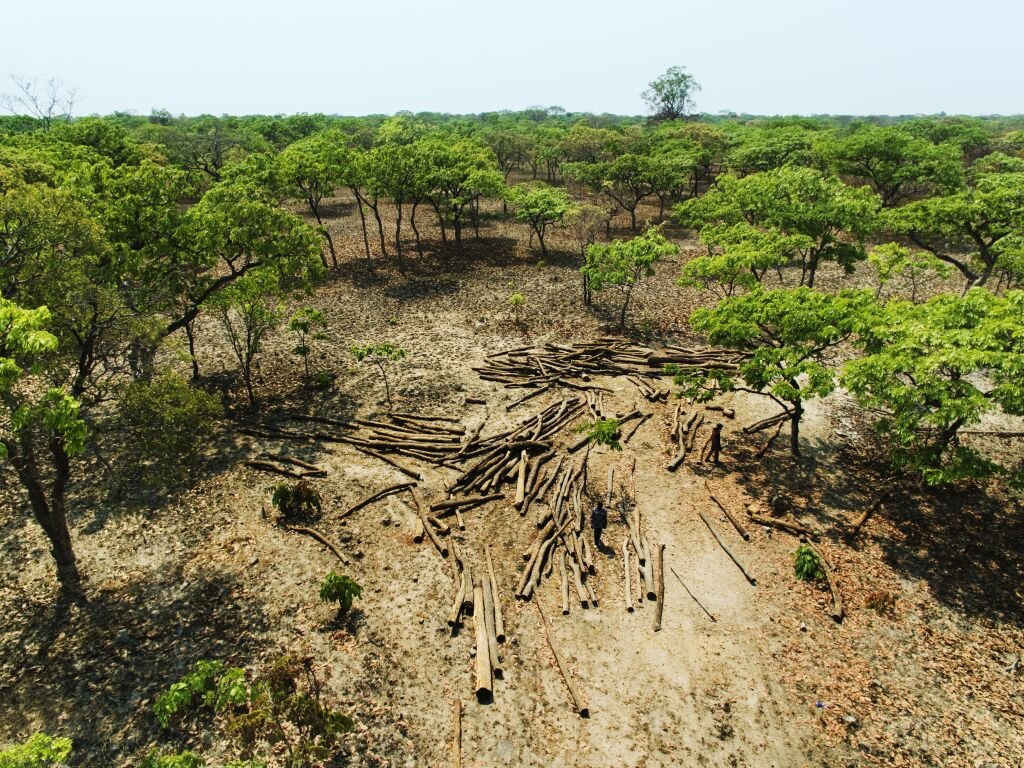
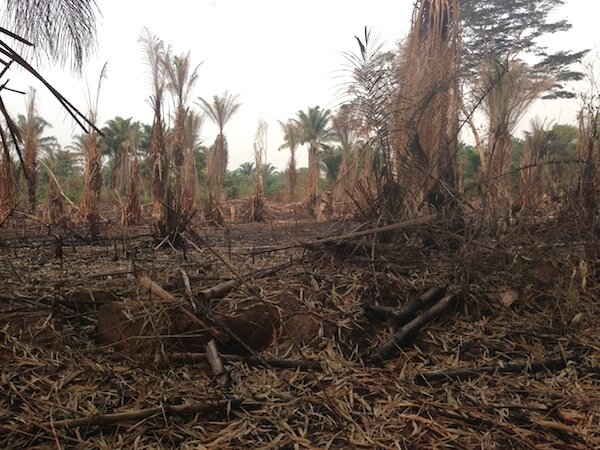
The DRC loses approximately 500,000 hectares of forest annually. In Masisi, years of armed conflict and population displacement led to uncontrolled, illegal logging for timber and survival. Because Masisi is a mountainous region, the loss of tree roots meant there was nothing to hold the soil together. This caused frequent landslides and washed away fertile topsoil, destroying local farmland
By planting 500,000 trees on steep hillsides, the root systems act as a natural anchor. This directly prevents soil erosion and reduces the risk of deadly landslides, protecting both the land and the people living below. The project establishes managed woodlots for timber and charcoal. By providing a renewable source of wood, it removes the necessity for local communities to enter protected primary forests, effectively stopping illegal logging and preserving the habitats of endangered species.
Beyond immediate reforestation, these trees will act as a permanent carbon sink, sequestering thousands of tons of CO2 over their lifetime. Long-term, this helps stabilize the local microclimate, ensuring more predictable rainfall patterns for agriculture and contributing to the global fight against climate change. By reconnecting fragmented forest patches, the project creates biological corridors. Over the long term, this allows endangered species to migrate, find mates
This project has provided additional documentation in a PDF file (projdoc.pdf).



Support this important cause by creating a personalized fundraising page.
Start a Fundraiser