By Georgia Beasley | Project Manager
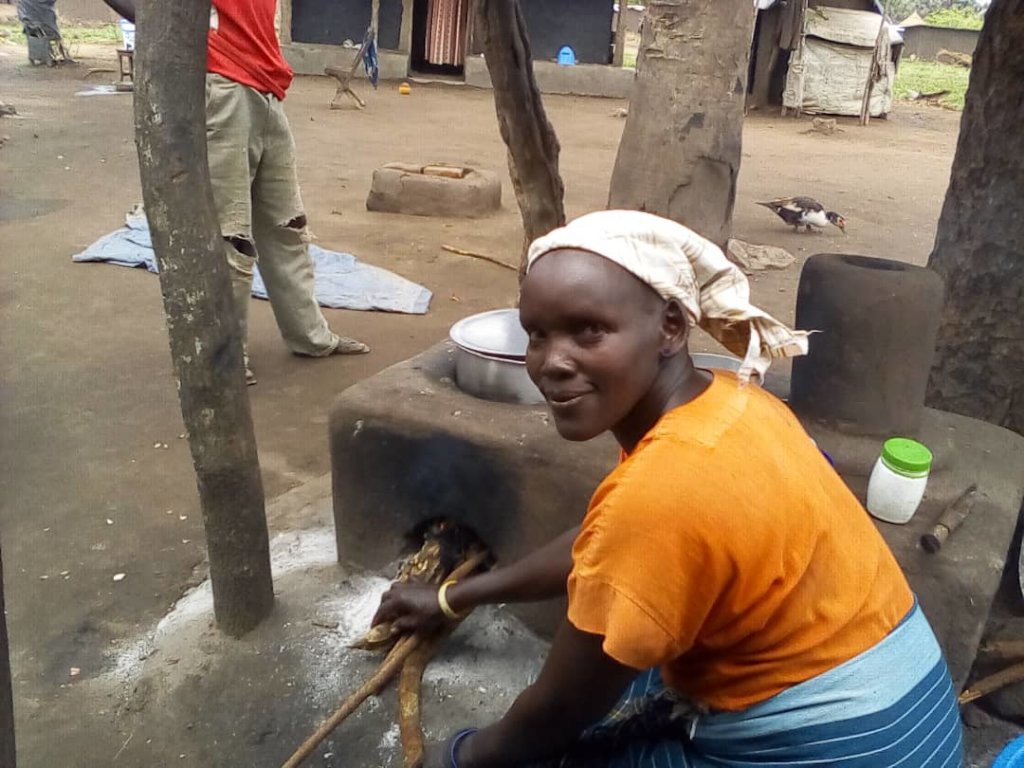
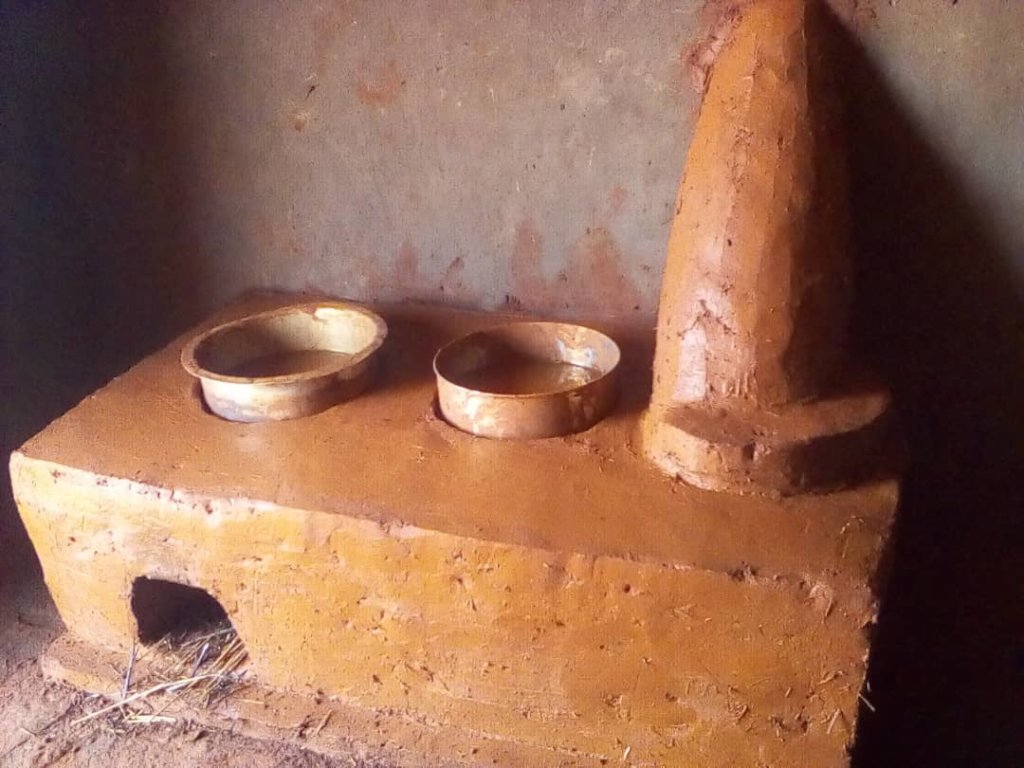
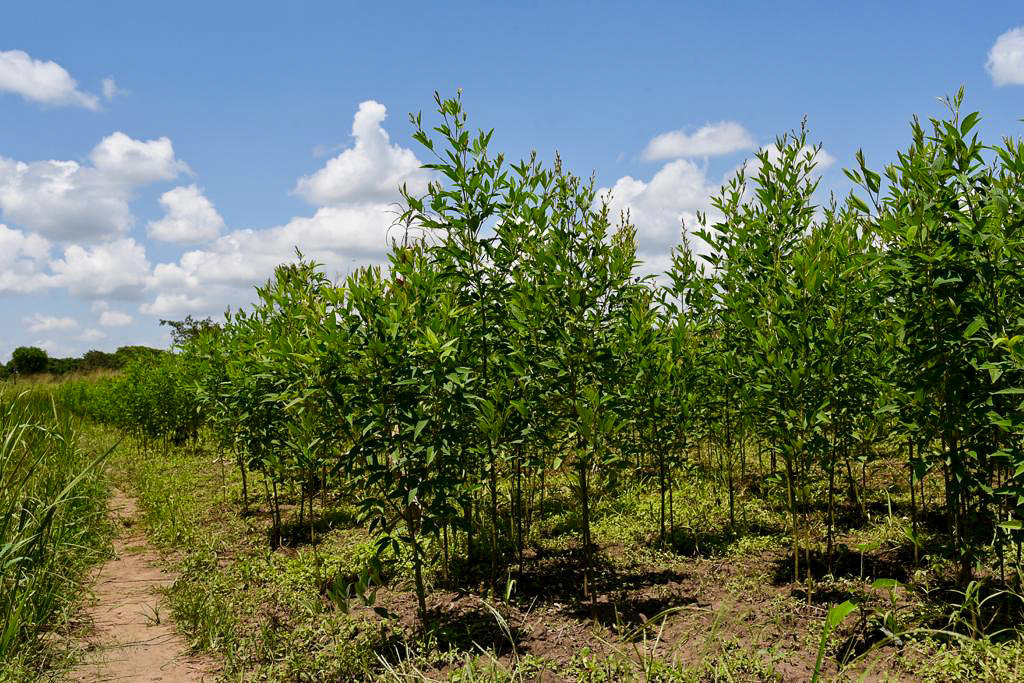
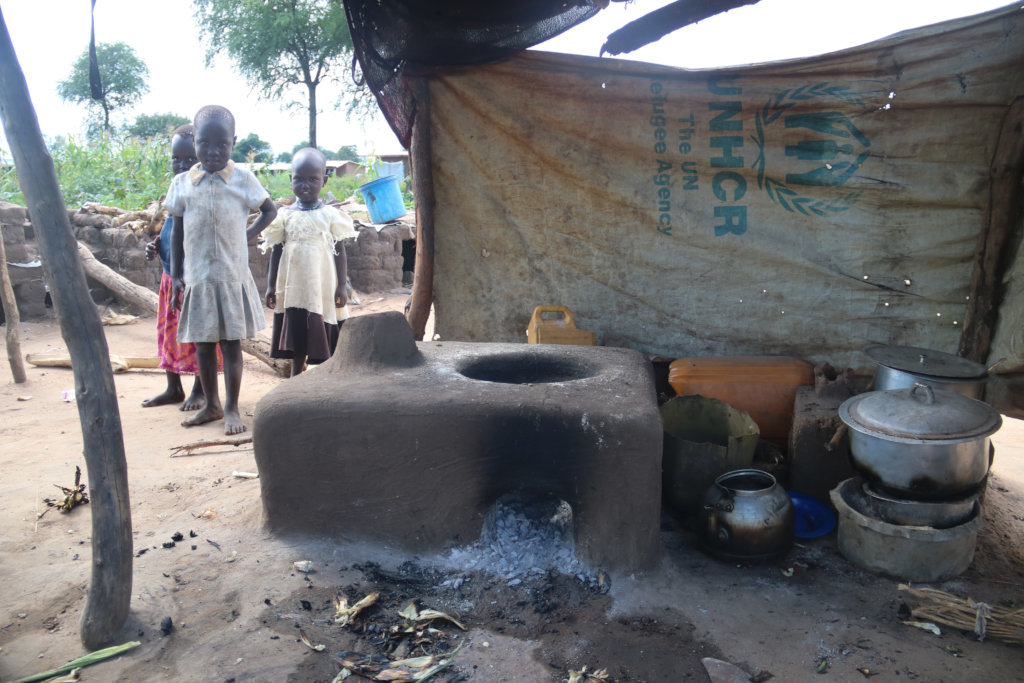
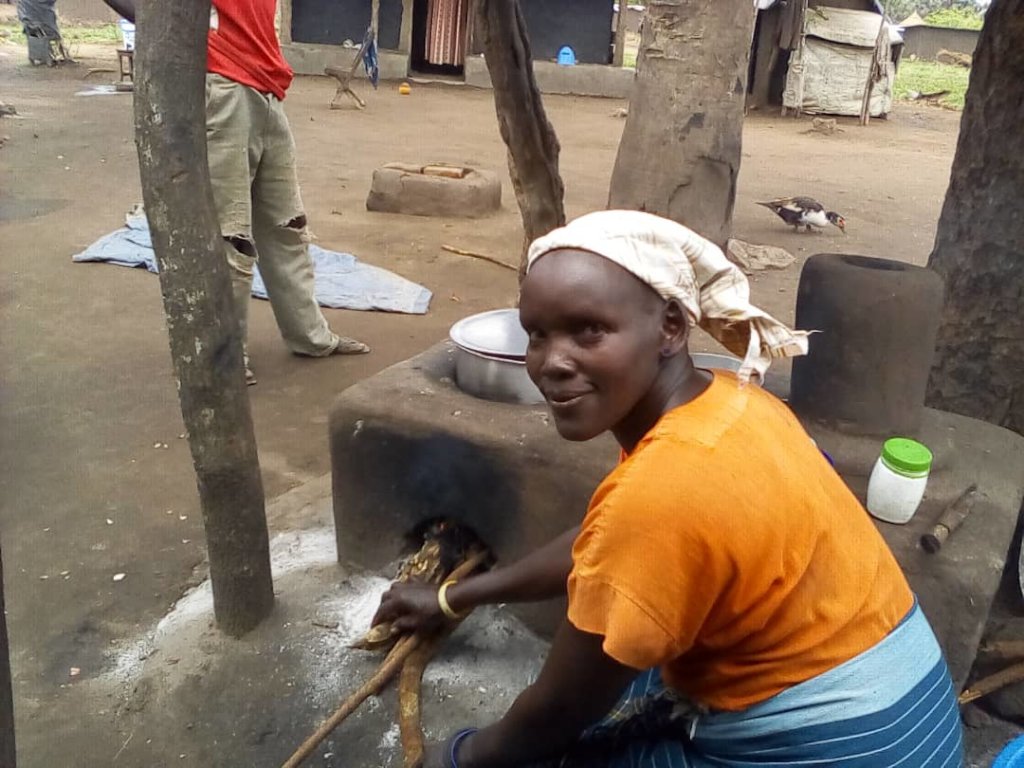
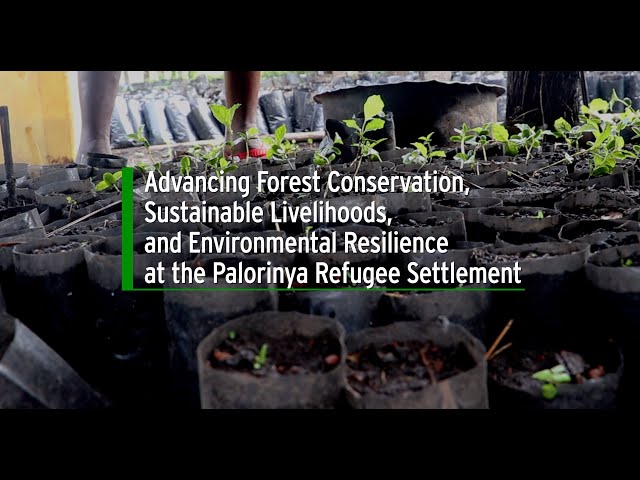
In response to the growing South Sudanese refugee crisis in Uganda, the Native Seeds Project is designing and implementing a Refugee Outreach program that plants trees with refugee communities. The project focuses on two major needs: increased nutrition to supplement the refugees’ food rations and the need for sustainable sources of firewood to prevent the further degradation of forests surrounding the refugee settlements. Within this model, we have identified moringa as a viable tree to provide ongoing nutrition to refugee communities, and several fast-growing hardwoods that can be sustainably harvested for local fuel needs.
The millionth South Sudanese refugee crossed into Uganda in August, and those numbers continue to rise. There are over 36 refugee settlements in Northern Uganda at the time of our October 2017 trip to the area, and based on the current political situation in South Sudan, these settlements are there to stay. Finding ways to support these refugees, and the host communities surrounding them, is critical both for their livelihoods as well as the ecosystem and environment in which they now call home.
Our first contact working within the the refugee settlements was Lutheran World Federation (LWF). LWF is one of the main refugee service providers in Northern Uganda, sub-contracted by UNHCR. Their HQ staff said that Palorinya Refugee Settlement, located in Moyo District near the border of South Sudan and home to 184,000 refugees who arrived between February – August, would be a perfect fit for our proposed project. From there, we had a preliminary meeting with LWF contacts on the ground at Palorinya, as well as the Moyo District Government’s main officers in the field of Environment. As all environment-related activities within refugee settlements are carried out by the local government, it made sense that our main partner for the implementation of our project would be Moyo District Forest Office (DFO), rather than LWF directly.
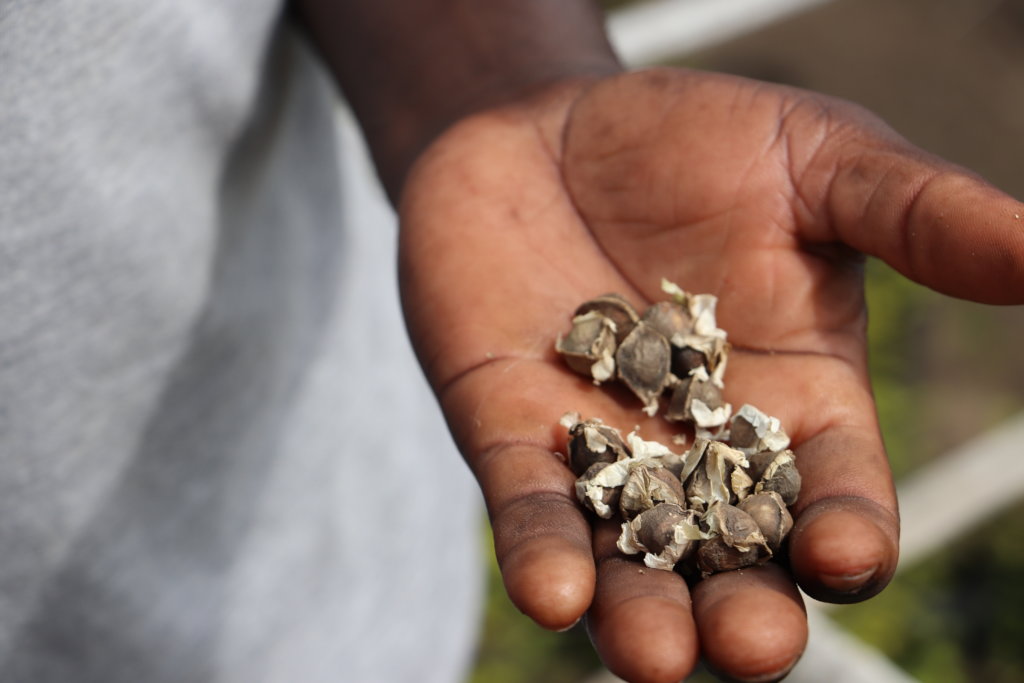
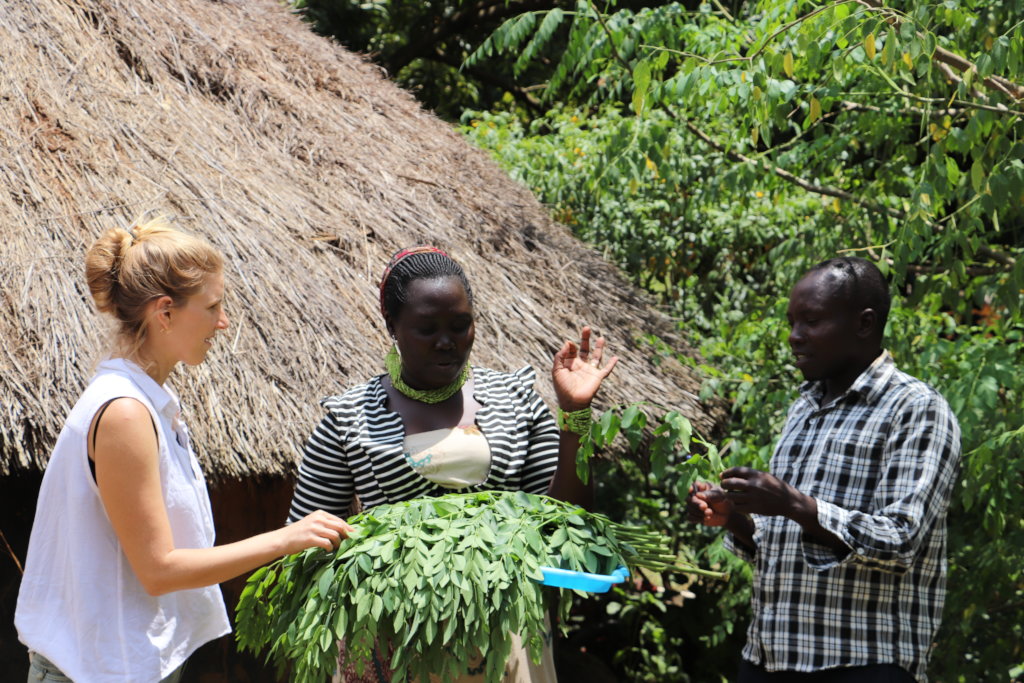
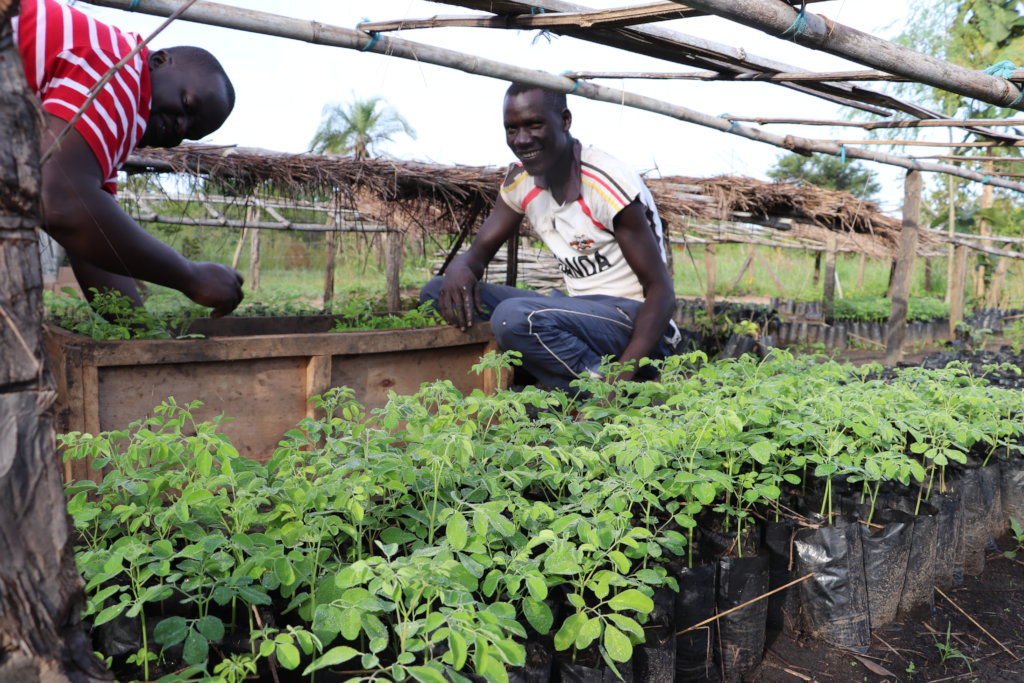
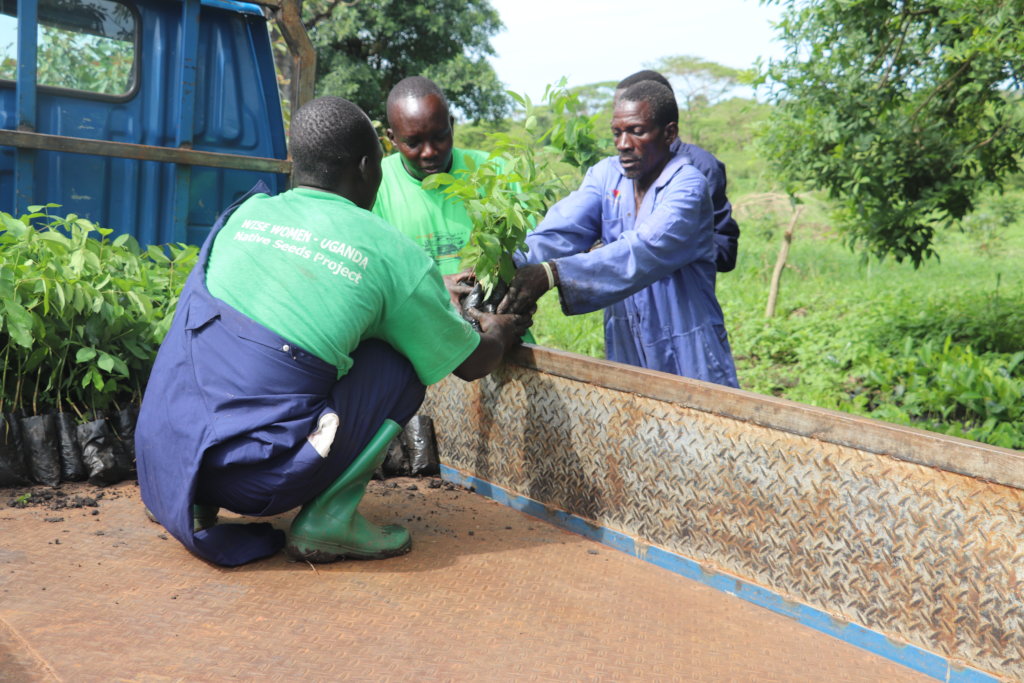
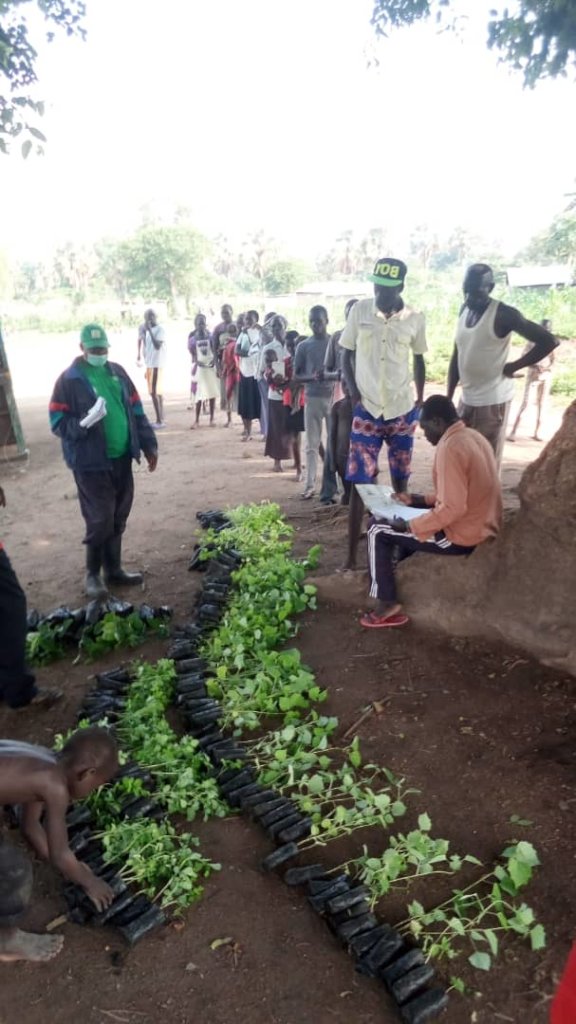
We produced 3,000 moringa seedling in September in preparation to implement a pilot within Palorinya refugee settlement. Due to unexpected rains, only 1,500 survived and were transported to Palorinya for distribution and training. Over the course of two days in October, our team, in collaboration with the DFO, distributed 1,500 seedlings and conducted trainings with 28 EPCs, who carried that training to a total of 375 refugee households. This means that in total, the pilot’s impact reached over 1,700 refugees.
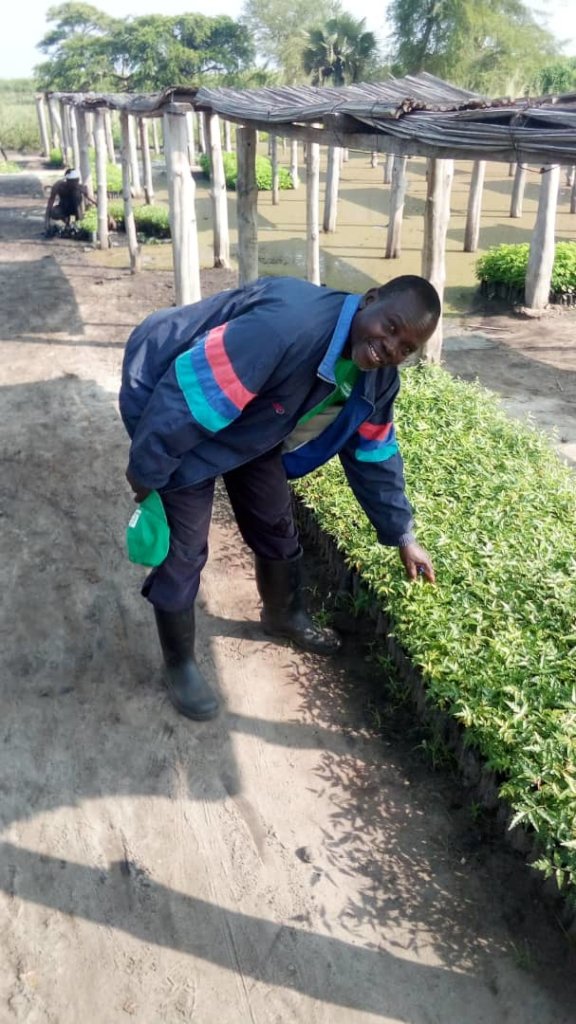
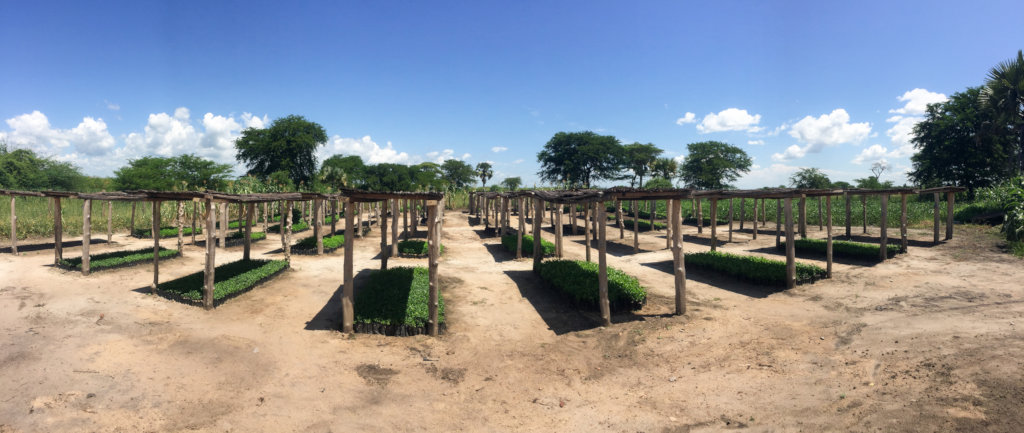
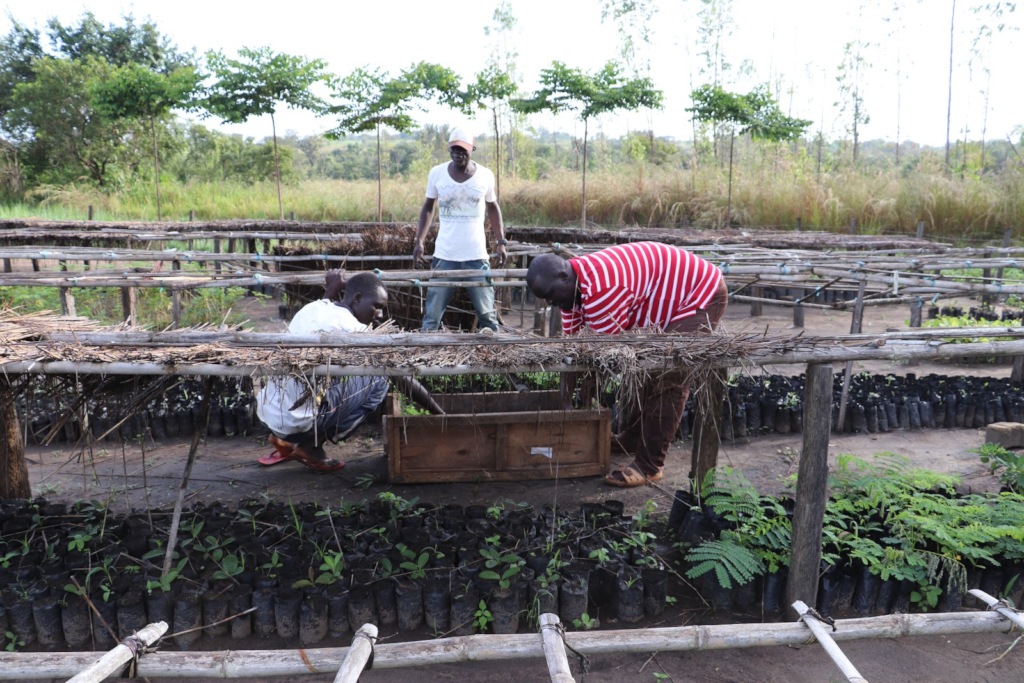
We plan to significantly scale our Refugee Outreach Program at the start of 2018. Our Pilot Phase in October served as ‘proof of concept’ for the viability of the project, as well as the integrity of our partner, the Moyo District DFO. It also showed us what works and what doesn’t work. Primarily, we learned that transporting seedlings from our nusery sites in Gulu up to Moyo is time-intensive, costly, and results in the loss of seedlings due to the terrible state of the road to Palorinya. Through this understanding, and in collaboration with Moyo District DFO, we have restrategized our outreach plan in 2018 to include the creation of tree nurseries on-site at Palorinya.
Project reports on GlobalGiving are posted directly to globalgiving.org by Project Leaders as they are completed, generally every 3-4 months. To protect the integrity of these documents, GlobalGiving does not alter them; therefore you may find some language or formatting issues.
If you donate to this project or have donated to this project, you can receive an email when this project posts a report. You can also subscribe for reports without donating.