By Robin Van Loon | Project Leader
Hi friends,
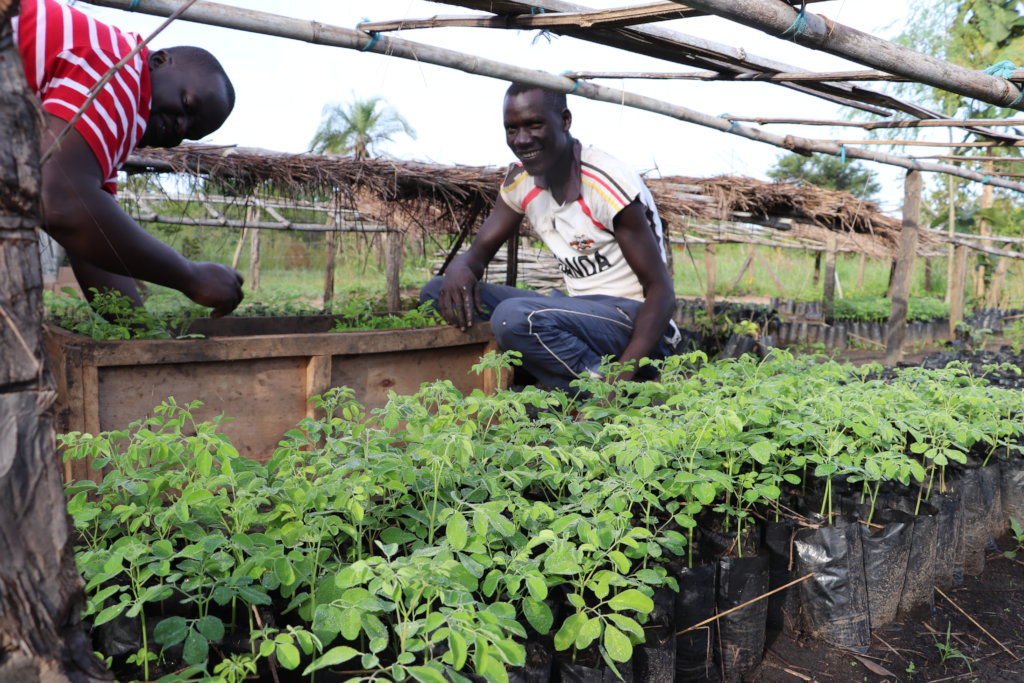
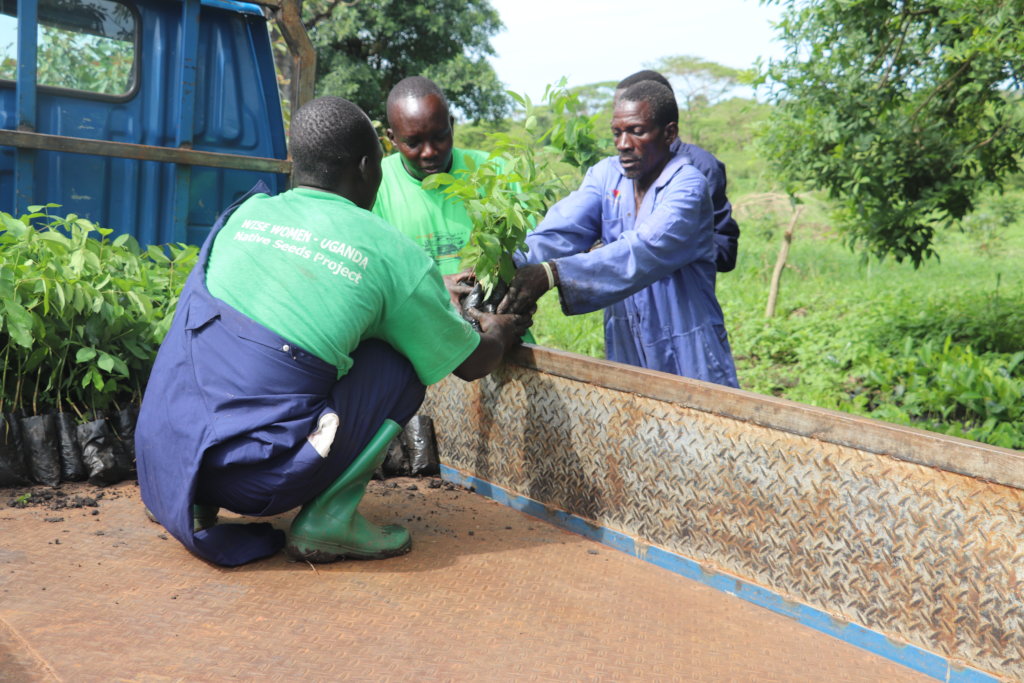
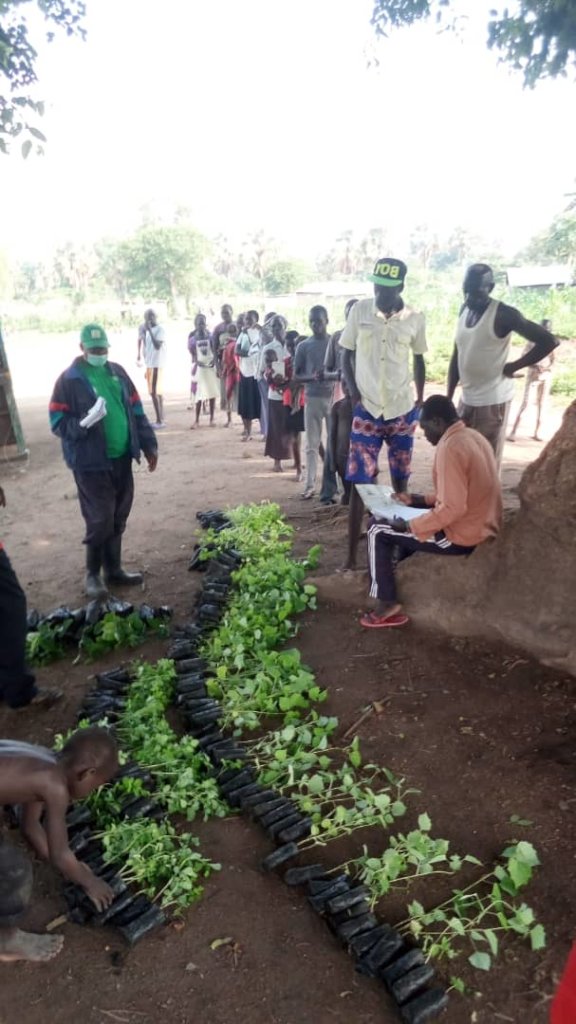
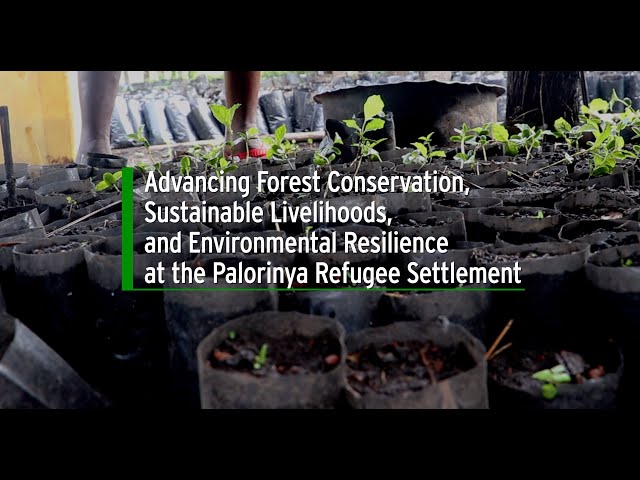
For those of you who already know this project, you know that it's about planting trees in refugee settlements in Uganda. It's about bringing the multiple benefits of trees to people and landcape in a precarious situation caused by the intensification of violence in South Sudan. Our past project reports by Project Manager Georgia Beasley have highlighted amazing stories of impact from on the ground in Palorinya.
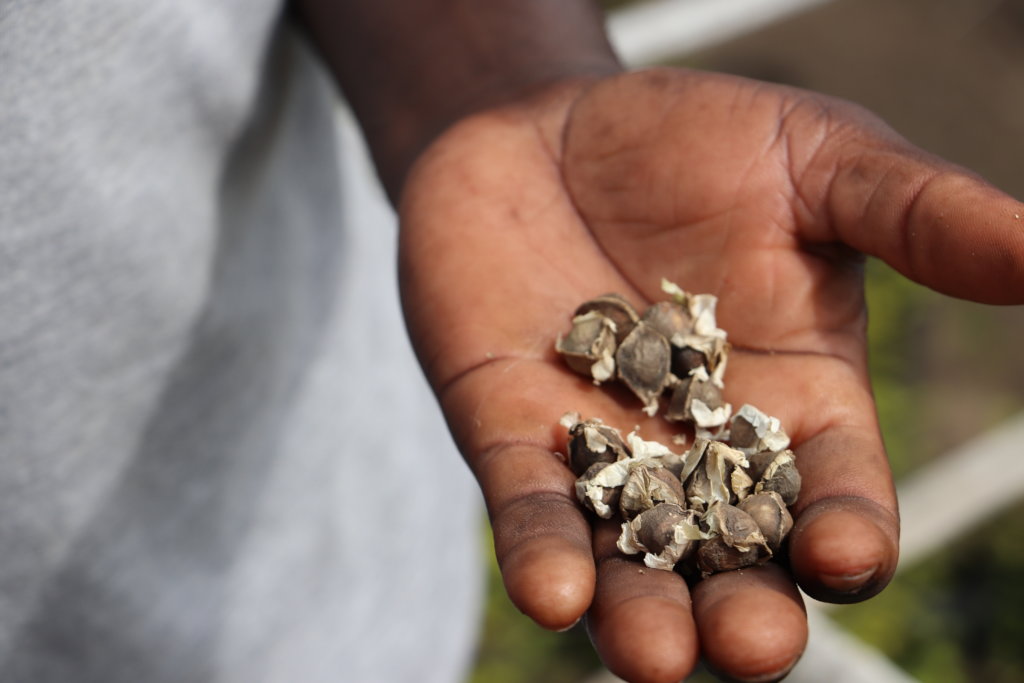
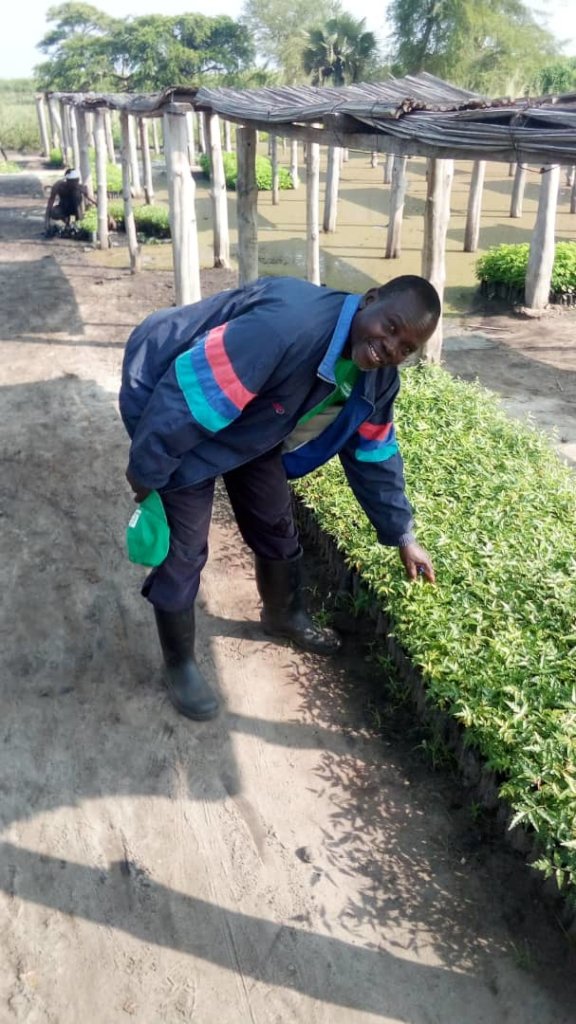
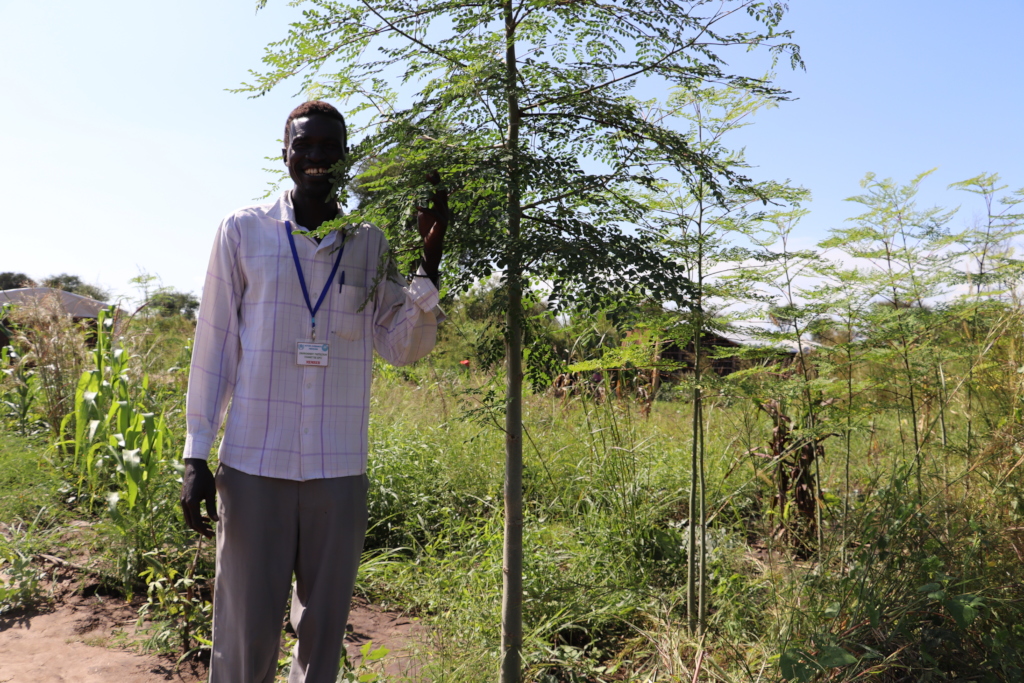
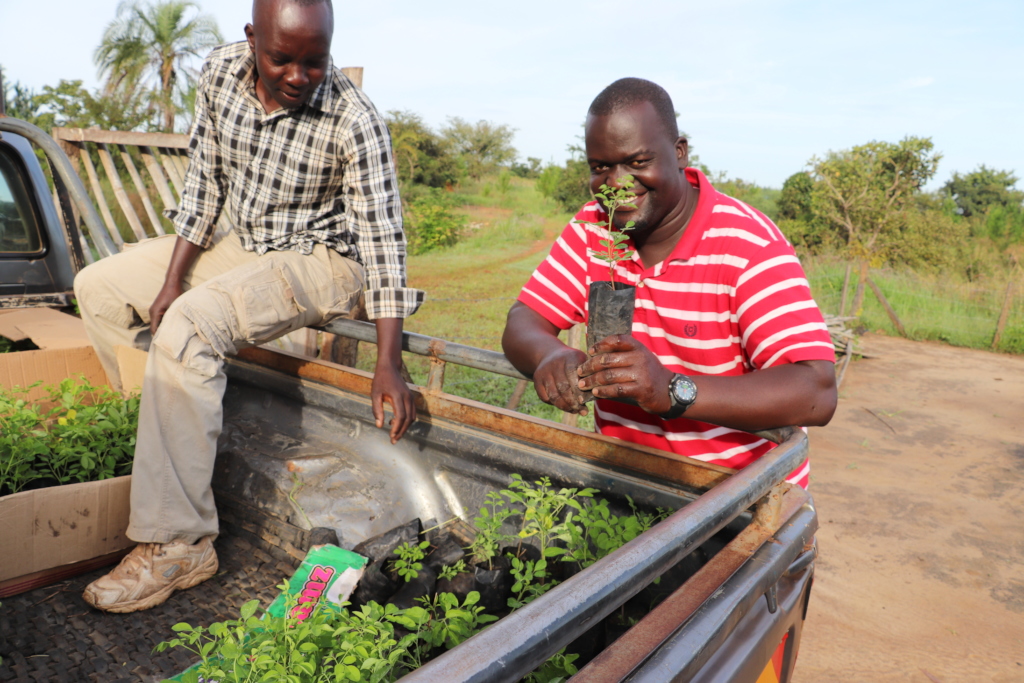
This time around, we want to put the trees in the spotlight. We plant moringa. But why moringa? Why there?
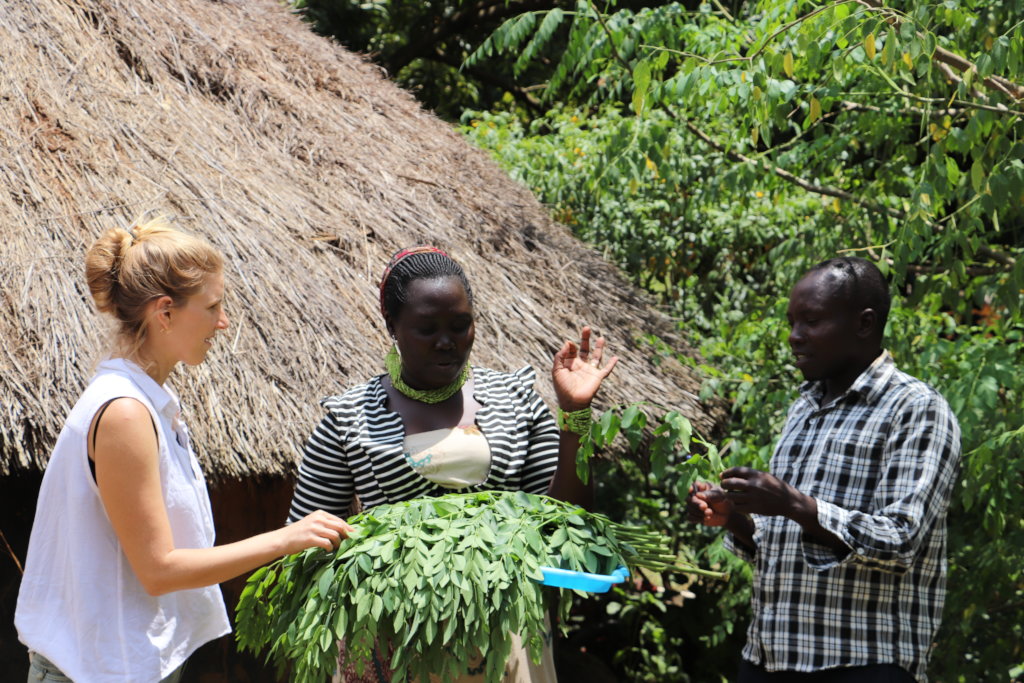
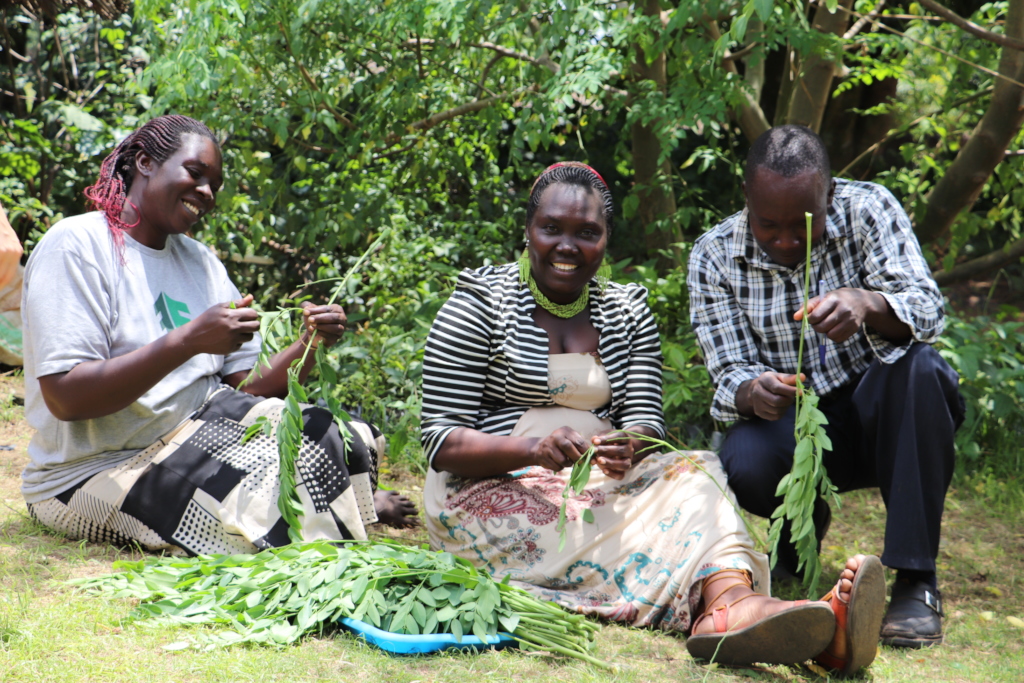
Frank Martin states in Survival and Subsistence in the Tropics that “among the leafy vegetables, one stands out as particularly good, the horseradish tree. The leaves are outstanding as a source of vitamin A and, when raw, vitamin C. They are a good source of B vitamins and among the best plant sources of minerals. The calcium content is very high for a plant. Phosphorous is low, as it should be. The content of iron is very good (it is reportedly prescribed for anemia in the Philippines). They are an excellent source of protein and a very low source of fat and carbohydrates. Thus the leaves are one of the best plant foods that can be found.”
It's nothing short of a miracle – and some people call moringa "the miracle tree" – that this tree is also drought hardy, fast-growing, and tolerant of a wide variety of poor tropical soils.
But maybe it didn't sink in fully just how nutritious moringa is. Lakshmipriya Gopalakrishnan and co. in Food Science and Human Wellness, put it in more captivating terms:
"Moringa is rich in nutrition owing to the presence of a variety of essential phytochemicals present in its leaves, pods and seeds. In fact, moringa is said to provide 7 times more vitamin C than oranges, 10 times more vitamin A than carrots, 17 times more calcium than milk, 9 times more protein than yoghurt, 15 times more potassium than bananas and 25 times more iron than spinach. The fact that moringa is easily cultivable makes it a sustainable remedy for malnutrition."
It's worth saying that this is a singular, unique nutritional profile for any plant. Its green fruit pods and its flowers are also nutritious and edible. And of course the root provides a horseradish-like condiment.
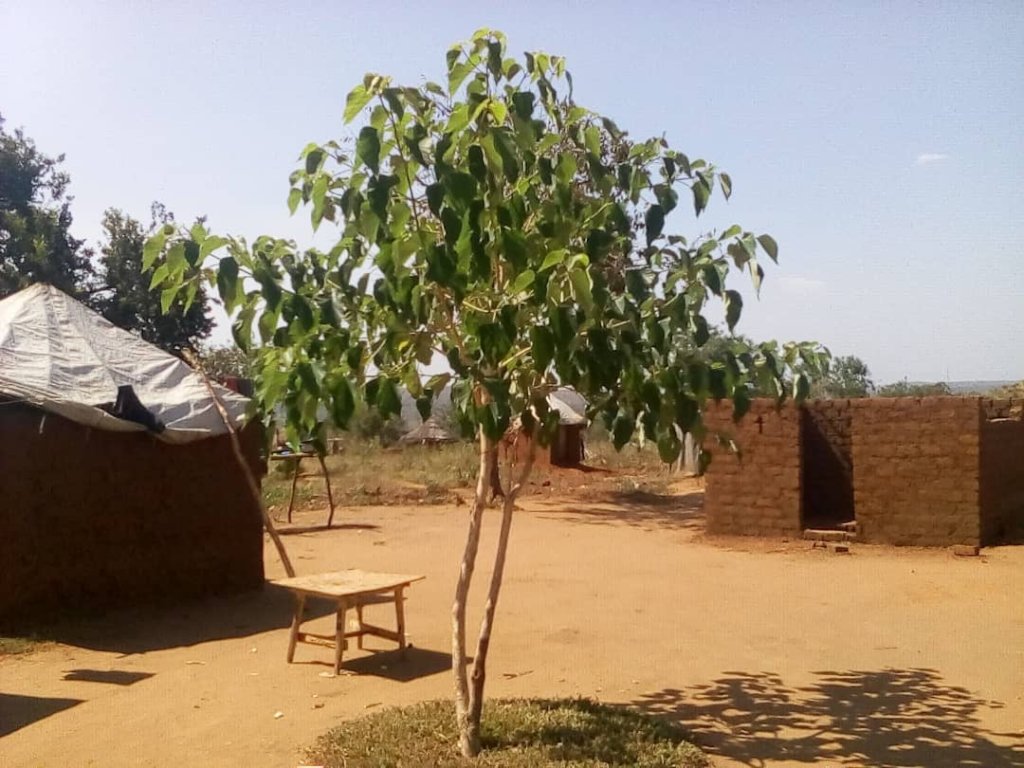
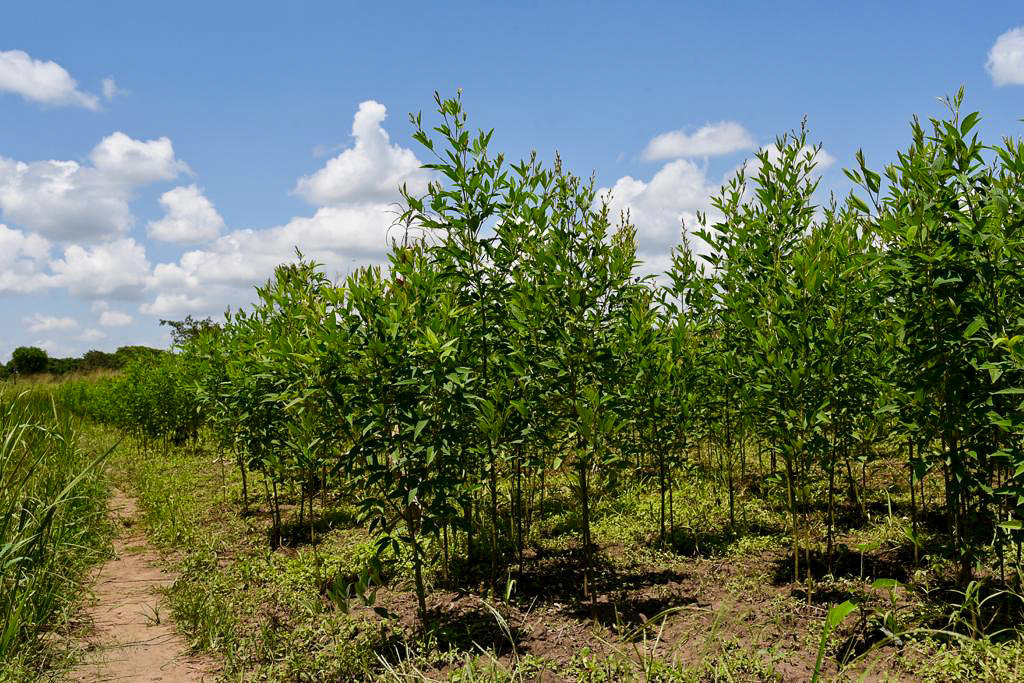
If we're sold on moringa by now, it's also worthwhile to note that our work doesn't put all the eggs in one basket. Other species as well as moringa enter into our planting program. For this report, we will limit ourselves to a description to one of them, a tree known as Mosisi.
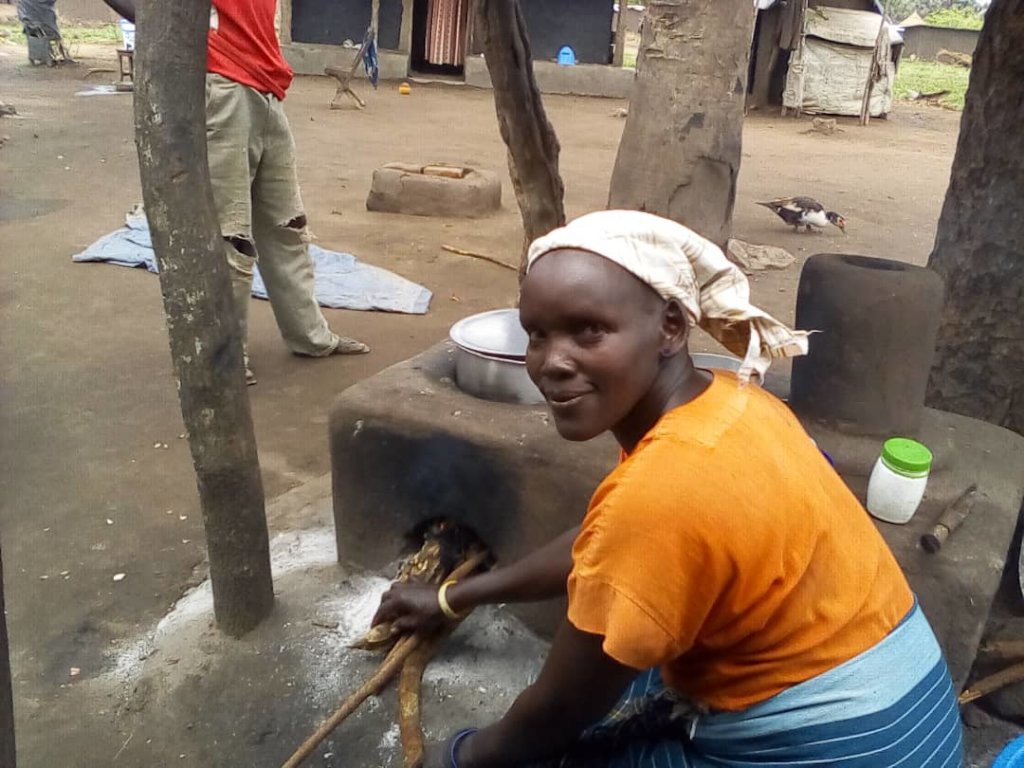
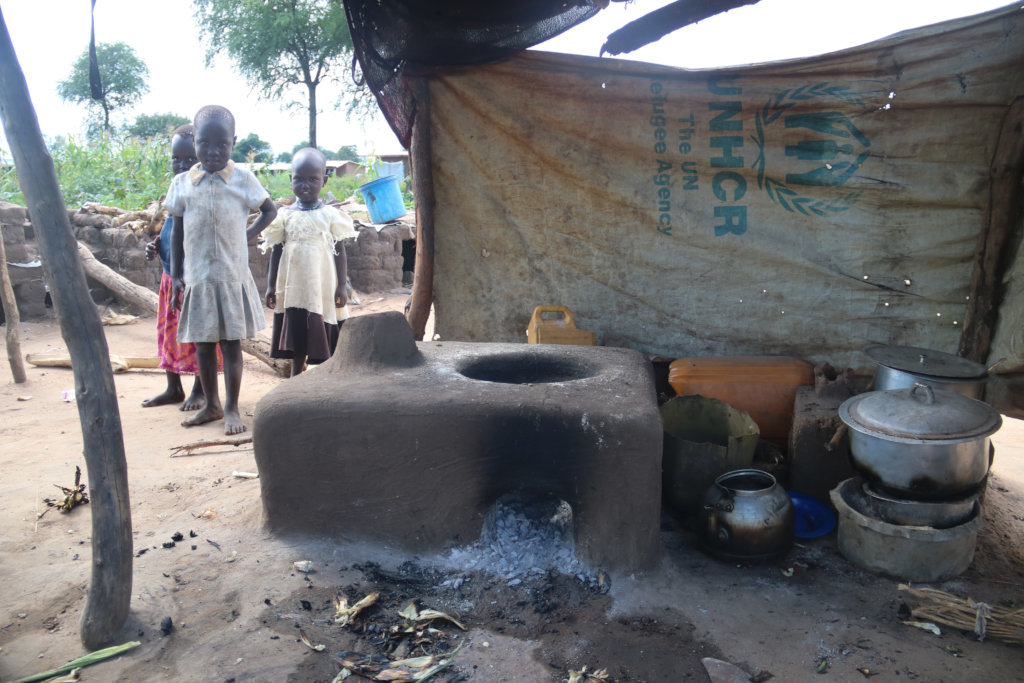
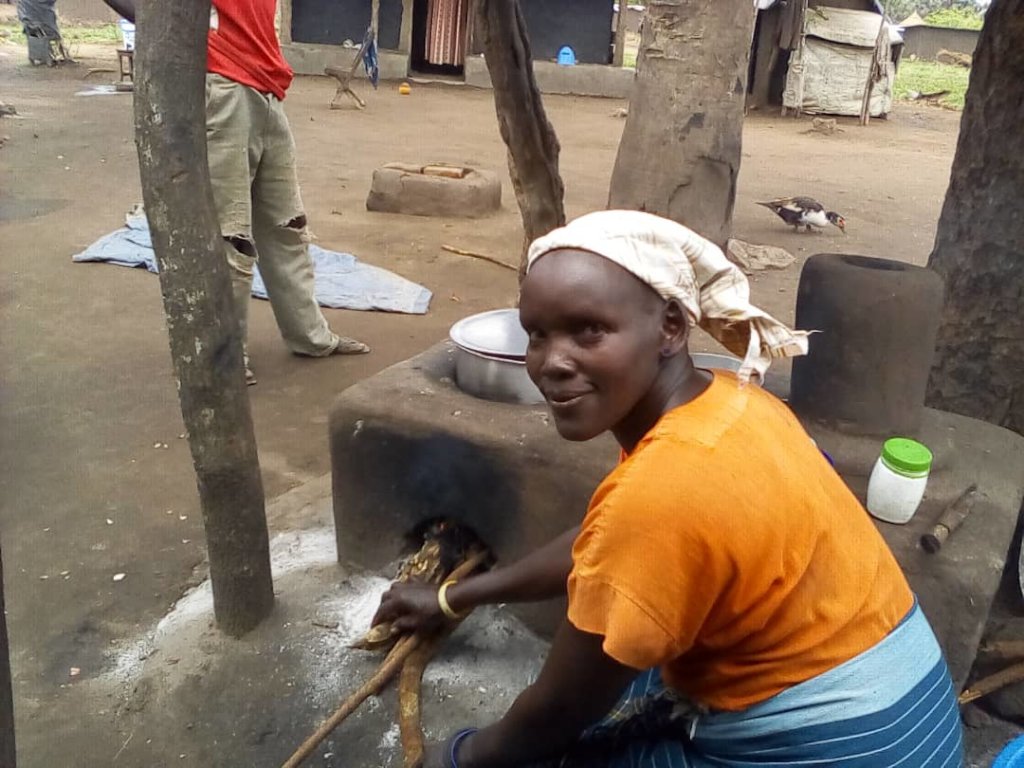
The tree known to botanists as Maesopsis eminii shares at least one thing with moringa. They are both incredibly fast growing. But unlike the corky, low-density vegetative tissue that makes up moringa's trunk, mosisi – or musizi, depending on who's asking – is made up of hardwood that eventually becomes quite fine in quality. The hardness is significant for other reasons too – fallen branches of this species make perfectly adequate firewood, an important commodity in Palorinya. Firewood is particularly important in the sense that it often comes from the forests and savannahs that surround the refugee settlements, putting additional pressure on the landscape's trees.
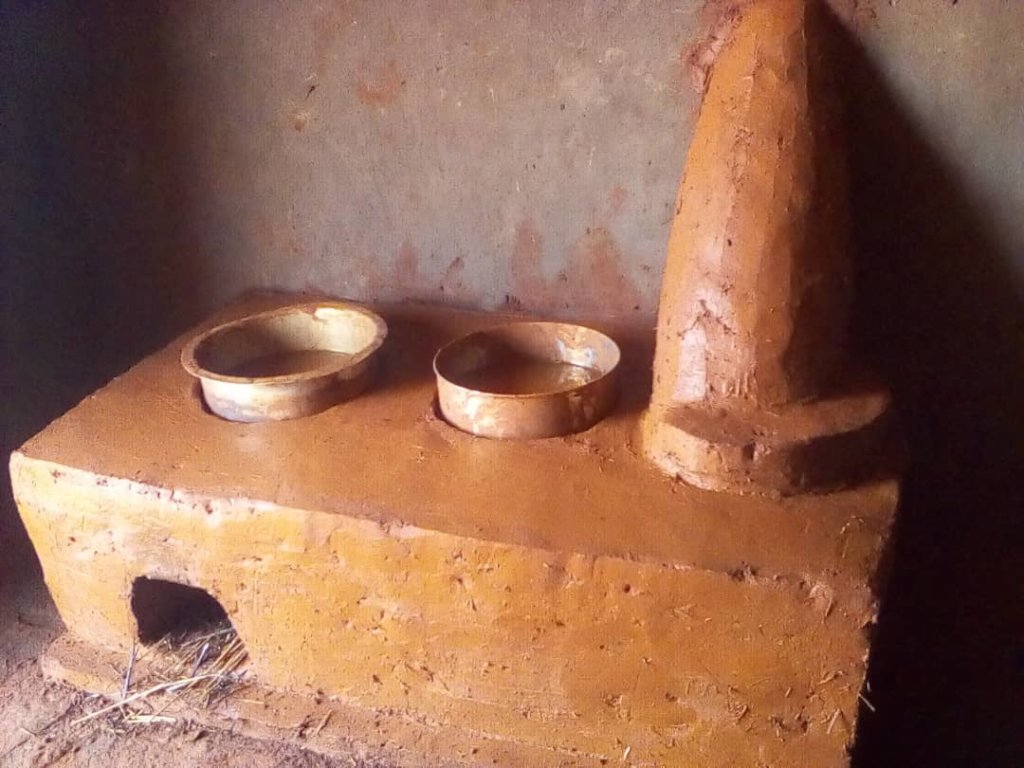
Between moringa and mosisi we have a kind of cooking technological package – nutrition and fuel maximized by the ideal species for the local climate and soil. It's perhaps some minor source of positivity within what is clearly a deeply challenging situation. For Wild Forests and Fauna it is an honor to participate in some kind of solution, even as we ask other institutions to do their part in creating strategies for the ongoing improvement of refugee settlements.
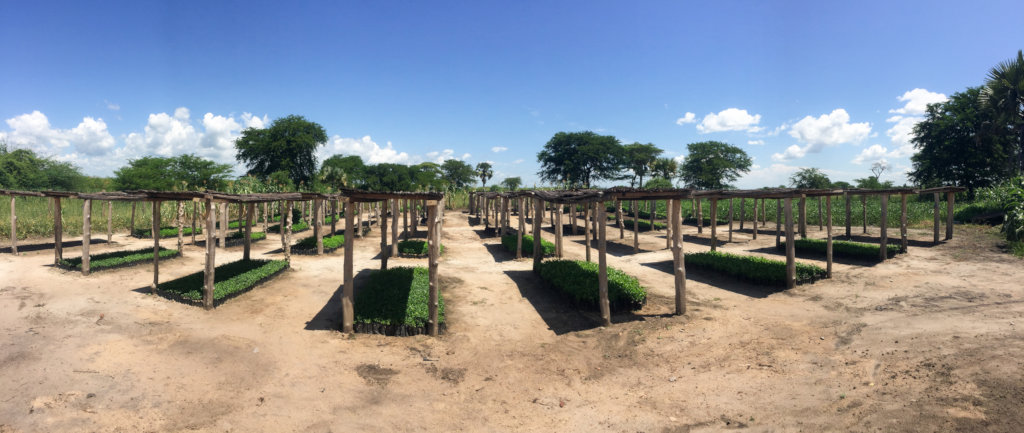
To date we have planted hundreds of thousands of trees in refugee settlements in northern Uganda with only tens of thousands in funding. The efficiency of implementation of this solution is one of its many virtues. We look forward to planting many trees more. Thank you for your support.
Project reports on GlobalGiving are posted directly to globalgiving.org by Project Leaders as they are completed, generally every 3-4 months. To protect the integrity of these documents, GlobalGiving does not alter them; therefore you may find some language or formatting issues.
If you donate to this project or have donated to this project, you can receive an email when this project posts a report. You can also subscribe for reports without donating.