By Georgia Beasley | Project Manager
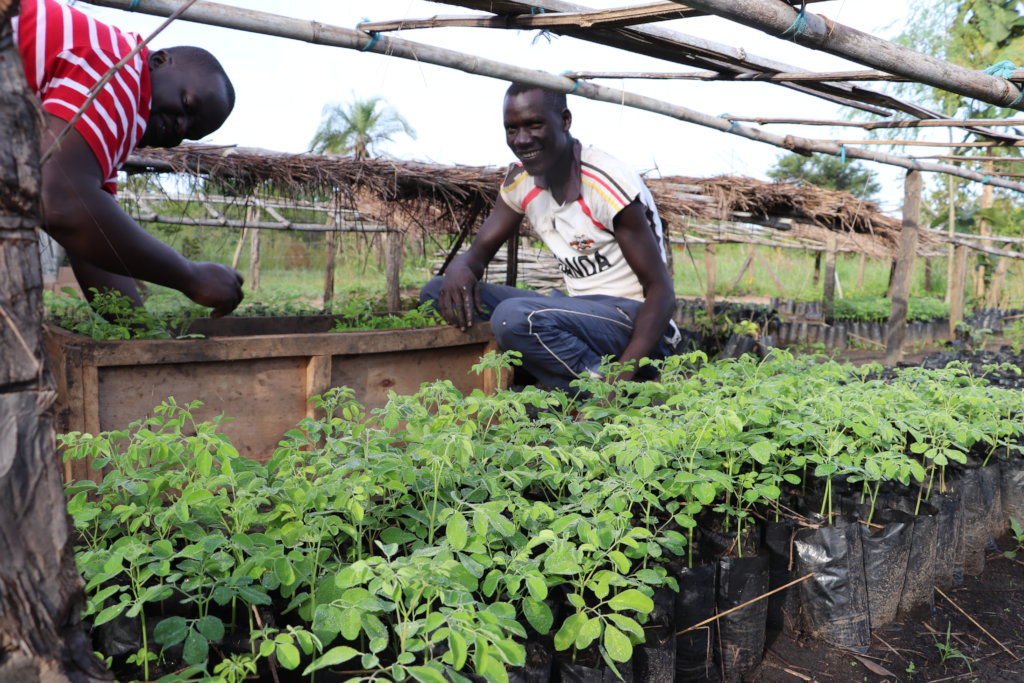
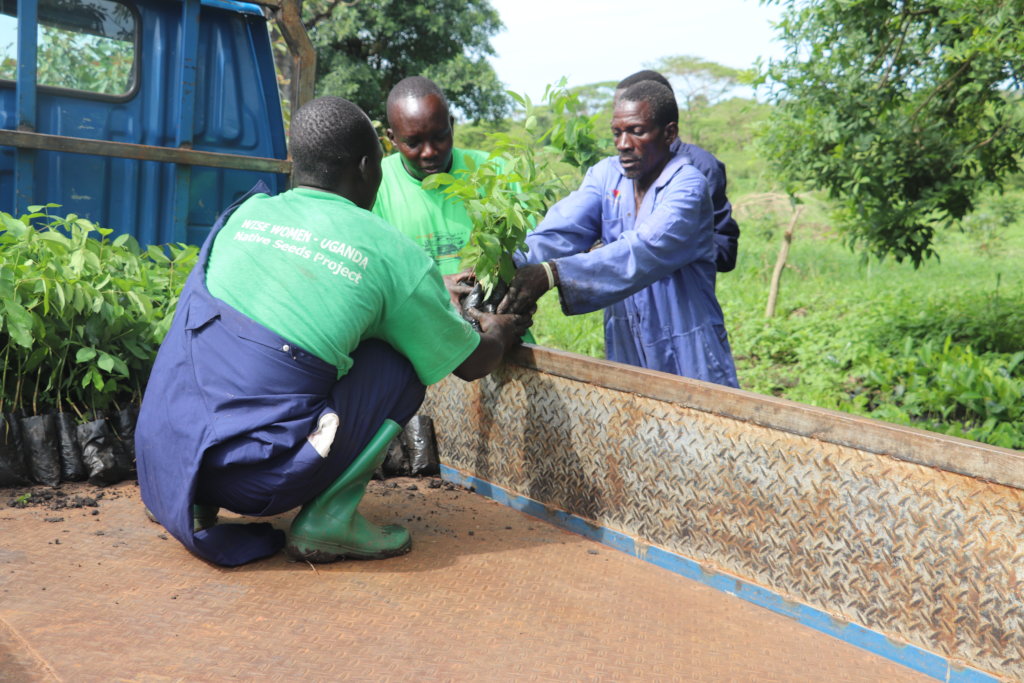
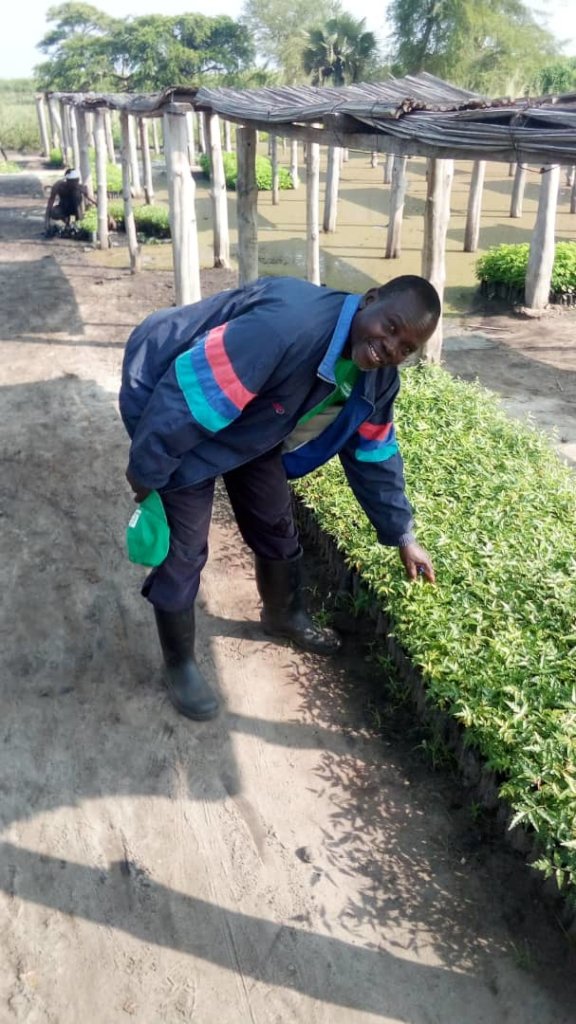
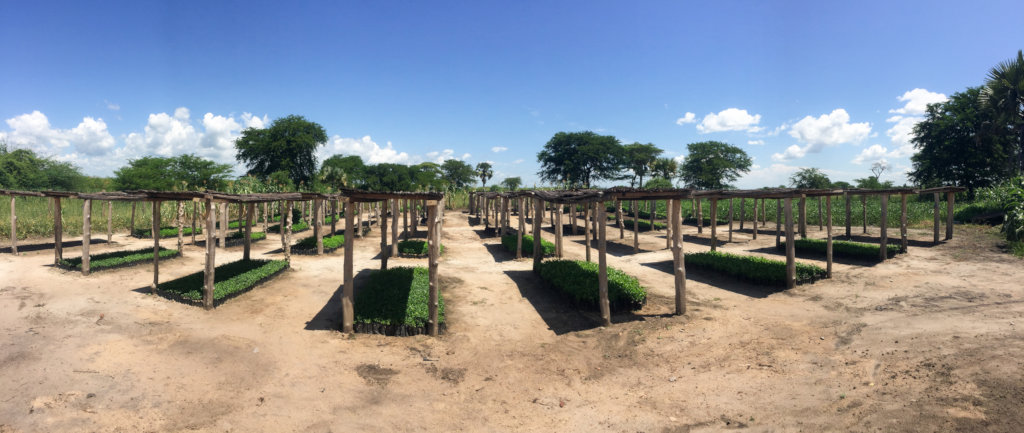
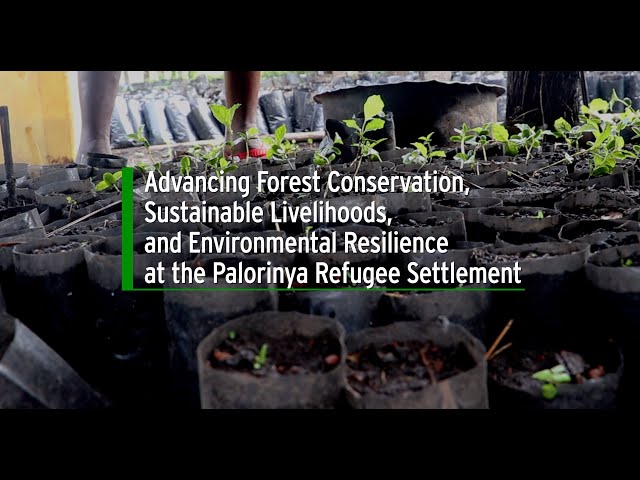
The month of May invites the beginning of the rainy season here in northern Uganda, which also means that planting season is nigh. For us, that means we’re busy in the tree nursery, filling pots with soil and sowing seeds. Up in Palorinya, home to over 100,000 South Sudanese refugees, we’ve had many women from the adjacent host community spending days on end sowing seeds of useful tree species to give to their refugee neighbors.
So far, we have over 83,000 seedlings in the nursery, which we will begin distributing to refugees in the coming weeks. As last year was our first major implementation of our Increased Nutrition and Sustainable Firewood program in Palorinya, the refugee households that call Palorinya home are already aware about the program, and are eager to join it.
Last year, we reached nearly 20,000 refugee households with useful tree species to supplement their UN-sponsored food rations and provide sustainable sources of firewood. This year, we’ll be reaching all of the households that we weren’t able to reach in the year past. What that means is that by the end of the year, we will have reached every refugee that calls Palorinya home with our initiative that aims to build sustainability into the refugee service delivery program.
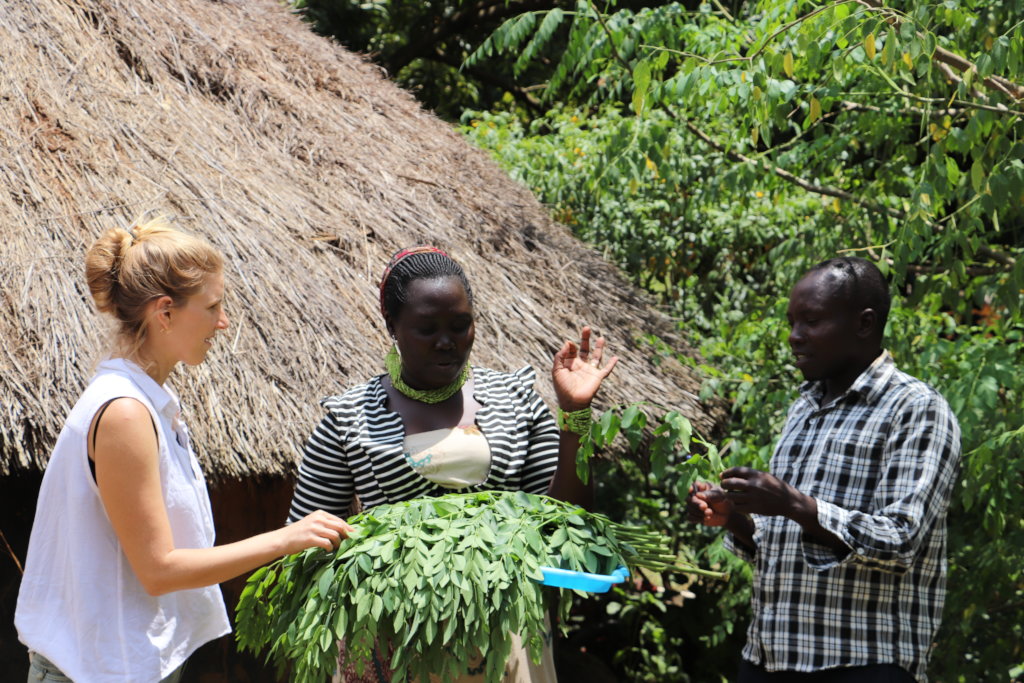
What does this look like on the ground? It starts with the production of the seedlings. We pay women from the host community to run the tree nursery, effectively providing tangible job opportunities to the local communities that opened their idle land to the refugees. From there, our Project Management team mobilizes the 196 members of the environmental protection committee (EPC) that is spread across the refugee settlement. Refugees themselves, these EPC members receive important training on climate change adaptation, tree seedling care and management, and valuable training skills. We then provide stipends to these EPCs to go into their neighborhoods, household to household, to transmit this knowledge and prepare their refugee neighbors with the skills they need to care for seedlings that will have profound affects on not just their livelihoods, but the landscape that they are learning to depend on.
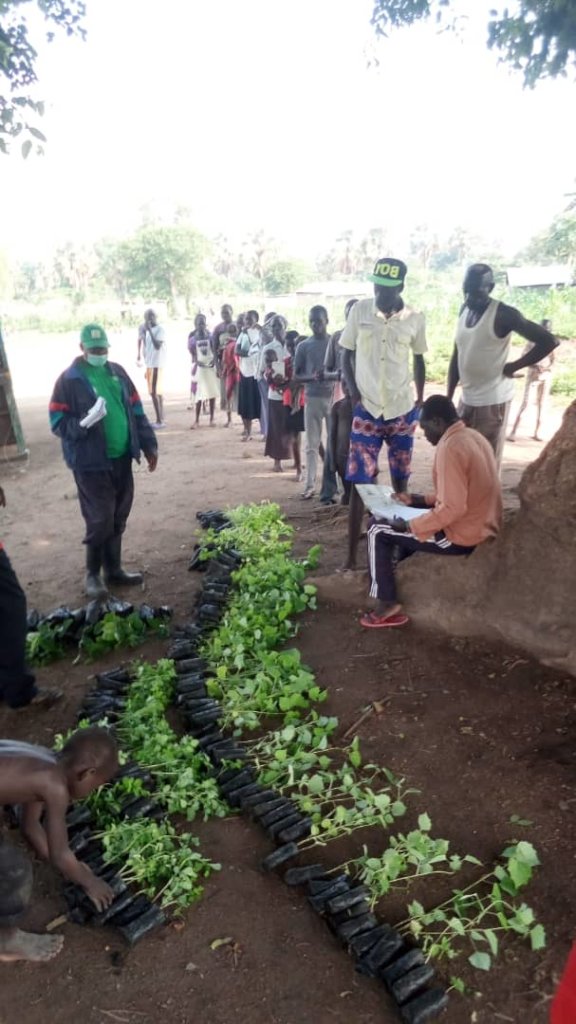
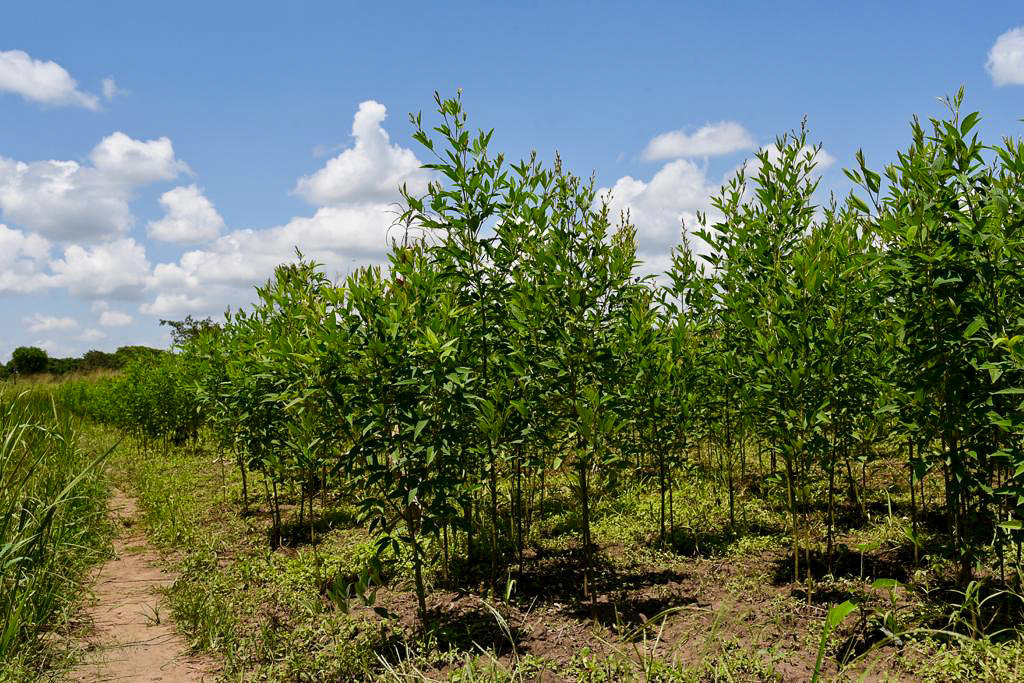
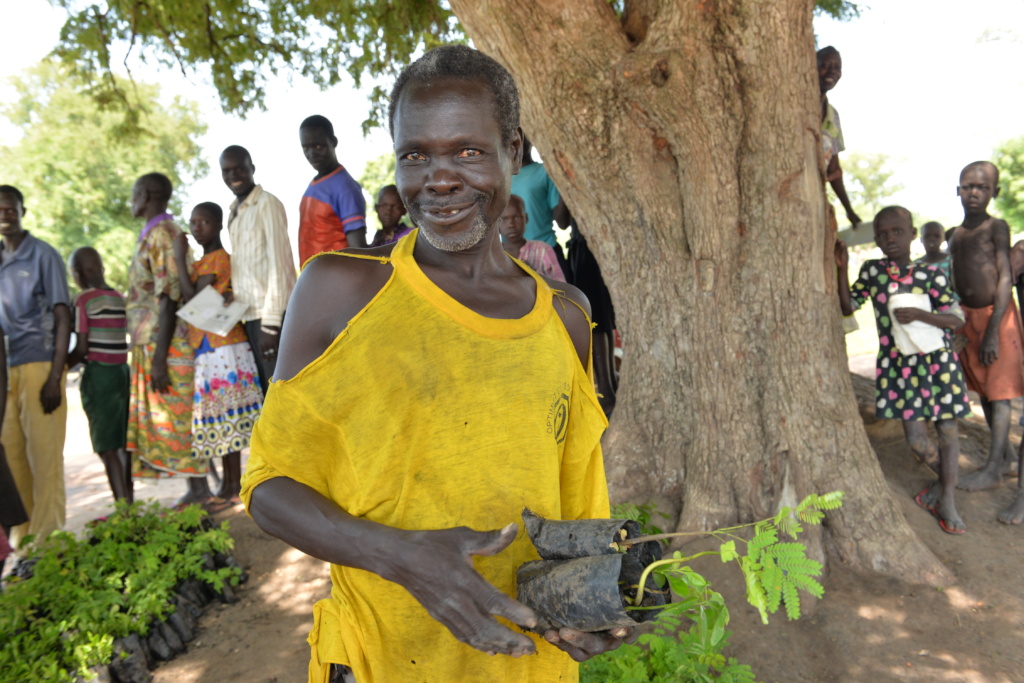
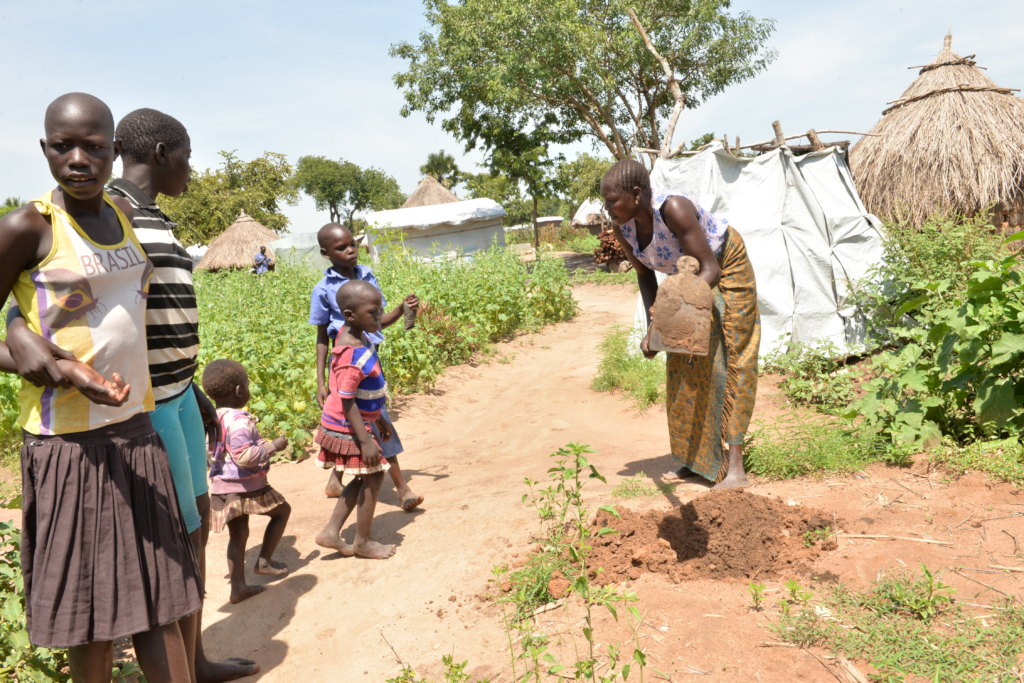
From there, the seedlings leave the nursery and head to the communities. The EPCs mobilize their neighborhoods at meeting points, and the seedlings are distributed. Over the next several weeks, planting campaigns will be initiated, and the EPCs, alongside our Management Team, will follow up with every refugee households to make sure seedlings were planted and that the recipients feel empowered to care for the seedlings.
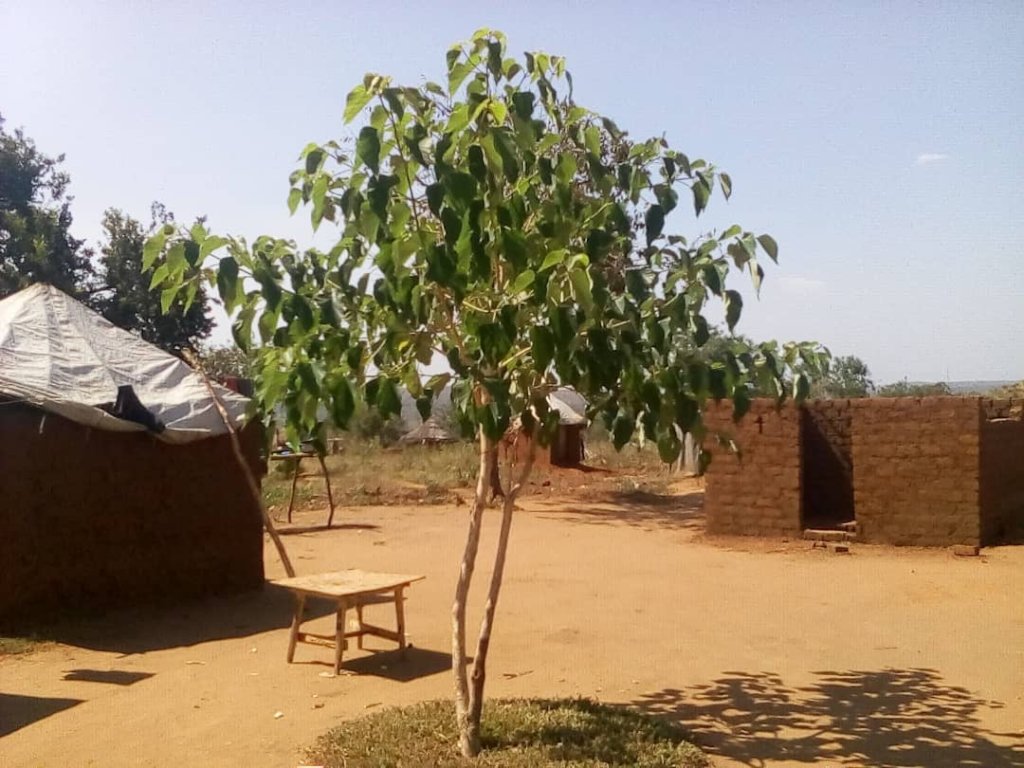
The rains will come and let the seedlings grow, and before we know it, these communities will be harvesting from their seedlings to support their families.
It sounds simple, and yet, it is deeply profound. A low-cost, high-impact system, this work is providing an example of how we can transform the structure of refugee service delivery to be more sustainable and rooted in empowerment, rather than just hand outs.
In the coming months, as planting begin and follow up initiates, will keep you up to date about the number of refugees reached, and how this program is impacting their daily lives.
Project reports on GlobalGiving are posted directly to globalgiving.org by Project Leaders as they are completed, generally every 3-4 months. To protect the integrity of these documents, GlobalGiving does not alter them; therefore you may find some language or formatting issues.
If you donate to this project or have donated to this project, you can receive an email when this project posts a report. You can also subscribe for reports without donating.