By Trey Montgomery | Project Contributor
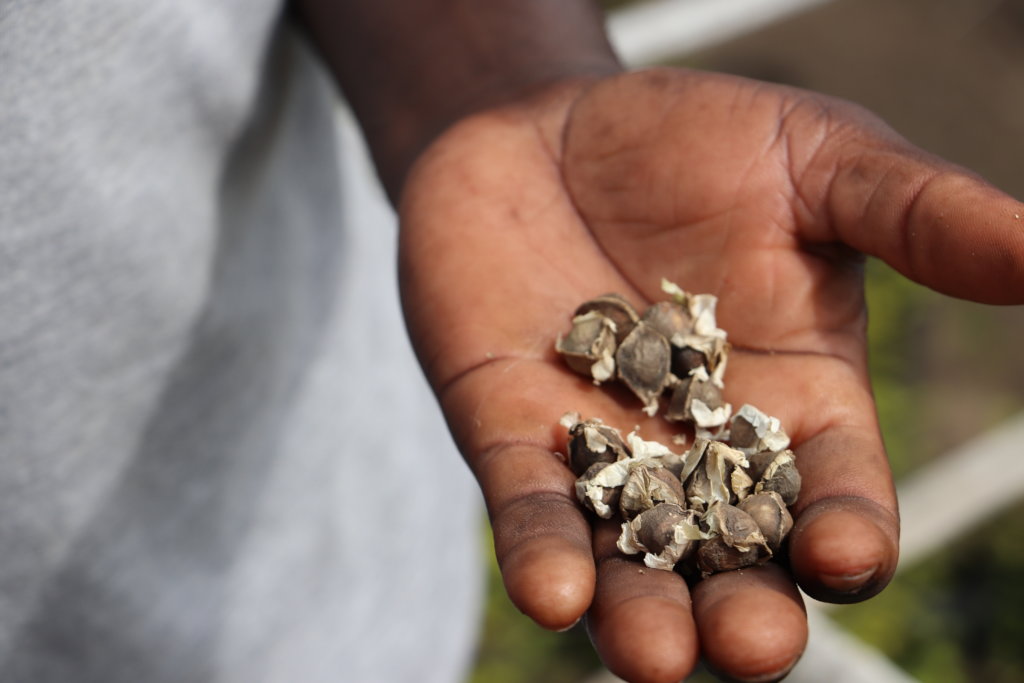
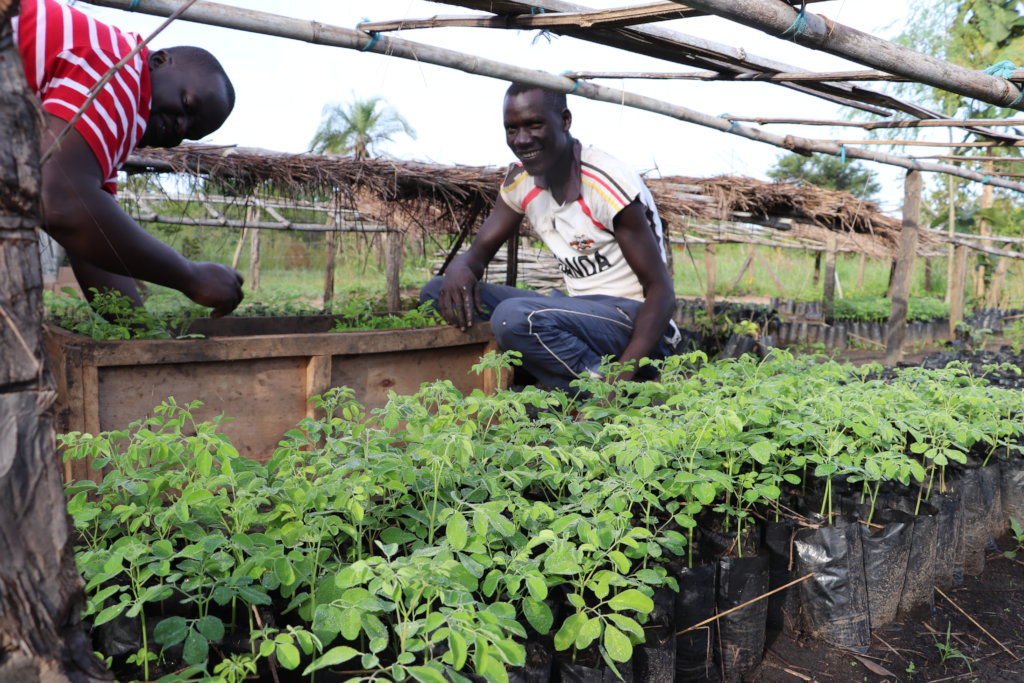
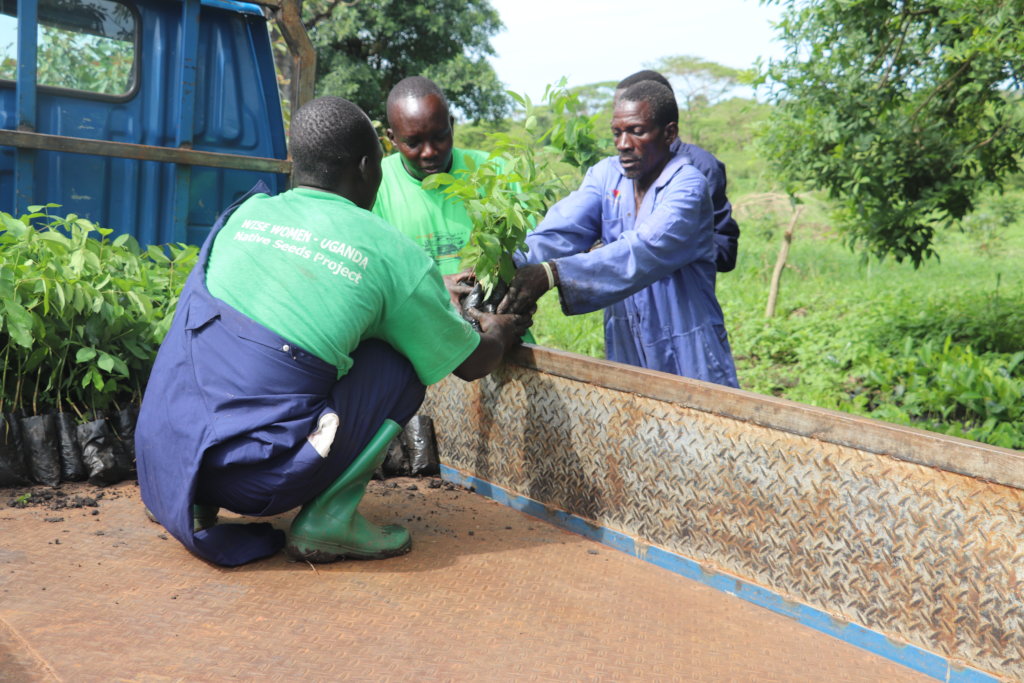
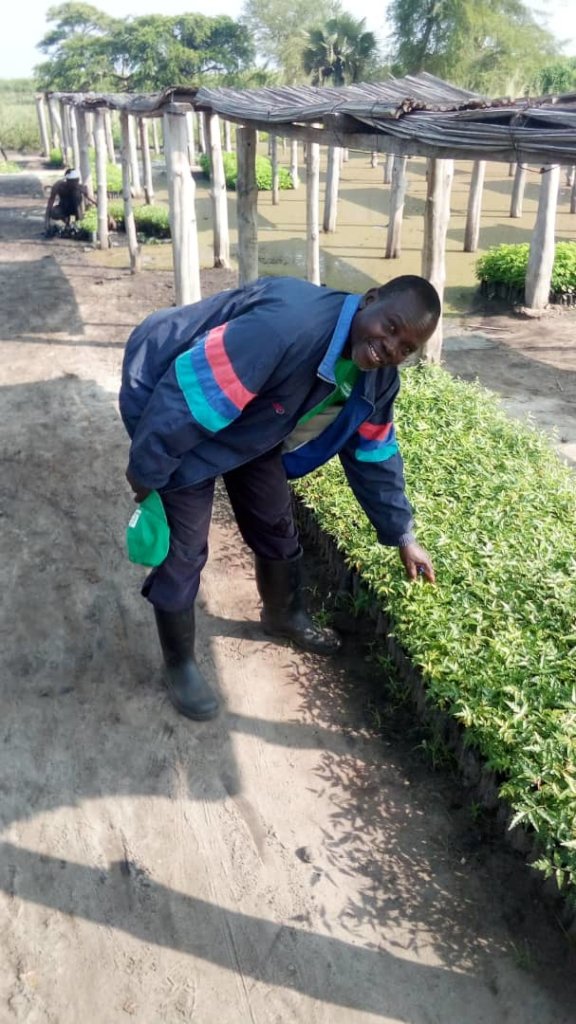
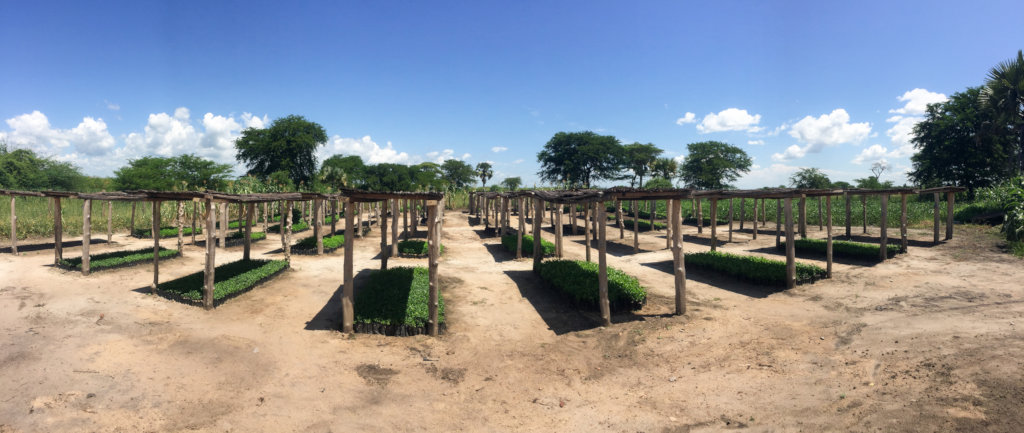
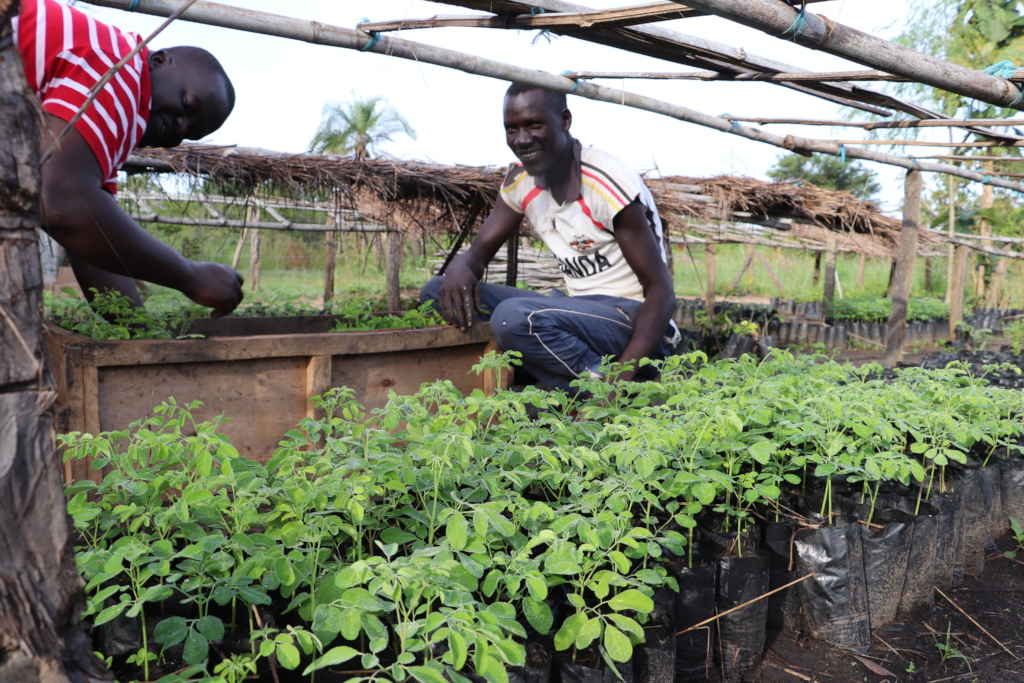
After the success of our pilot project in October of 2017 that saw 1500 moringa seedlings transported from our nursery in Gulu to the Palorinya Refugee Camp in Northern Uganda and planted to help supplement the diet of the refugees there, we made plans to expand the project in 2018. To significantly ramp up seedling production for this region we, along with our local partners and workers, decided to build a nursery in the Palorinya region capable of generating 150,000 seedlings at a time.
We're happy to report that the funding for the nurseries construction, both locally sourced materials and labor, has already been raised and construction is set to commence in April 2018 with seedling production set to start in May 2018.
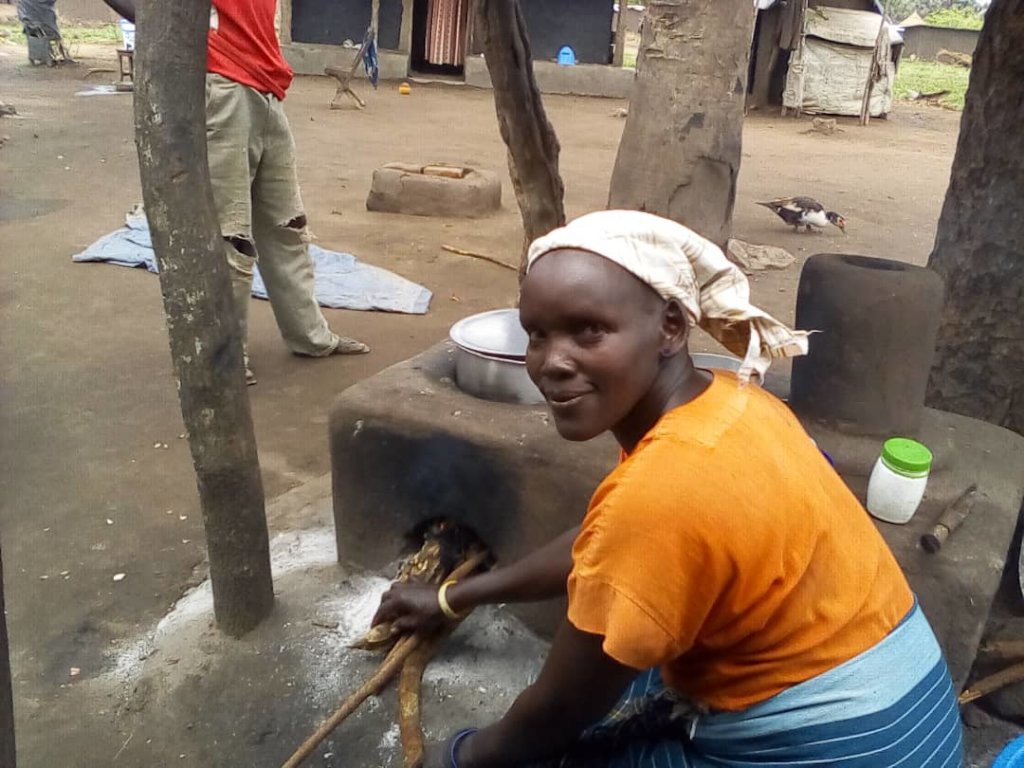
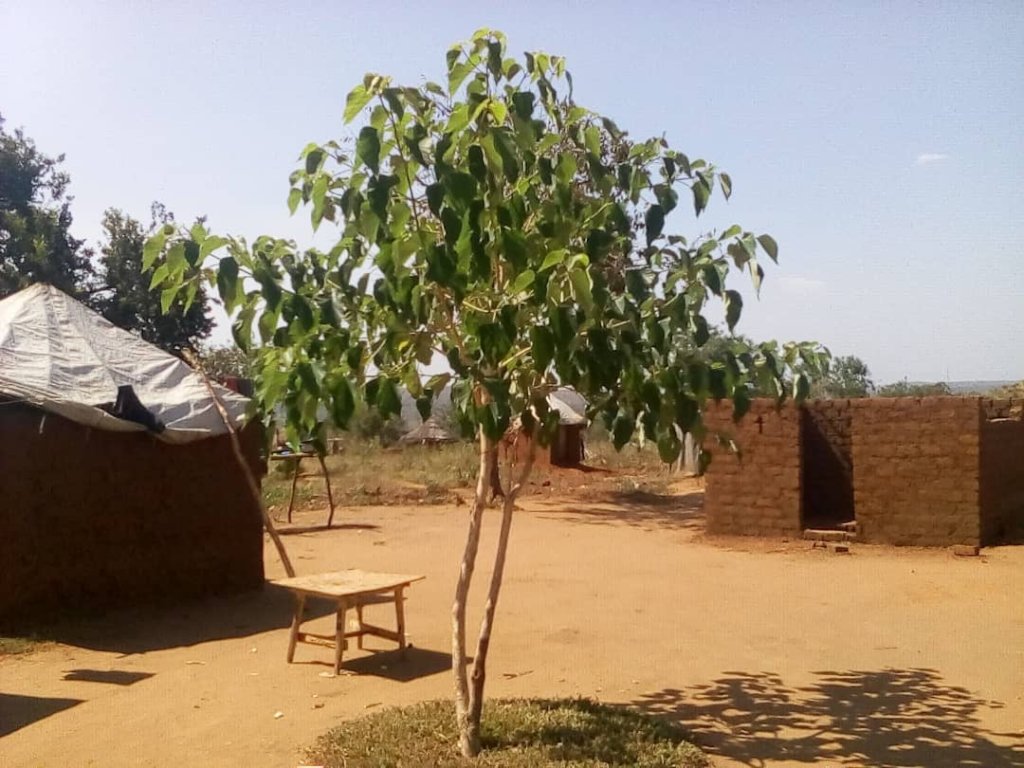
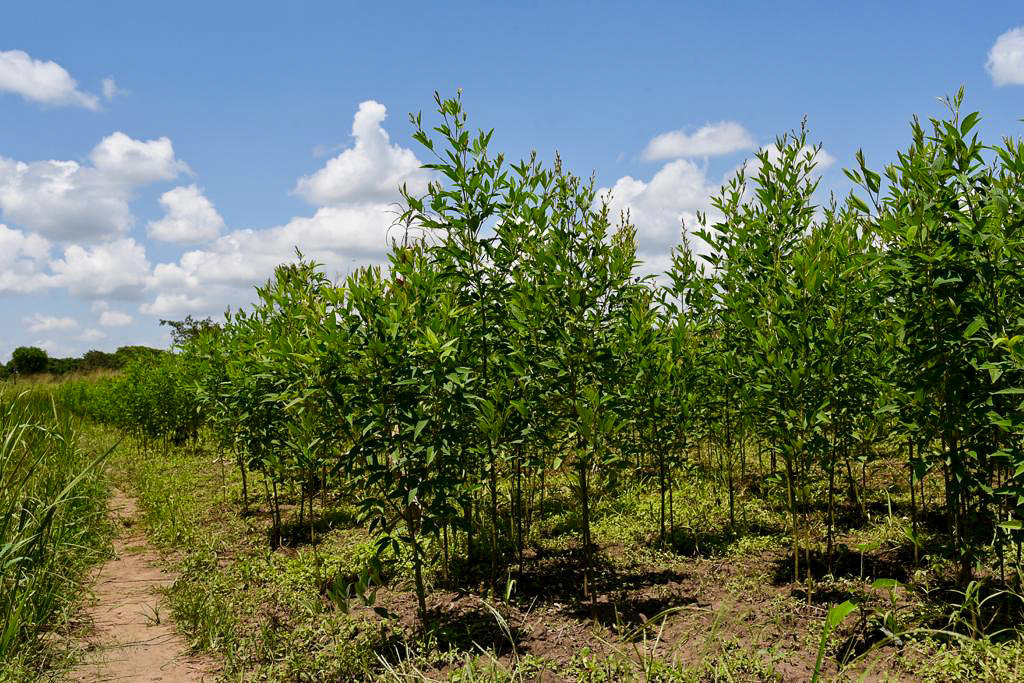
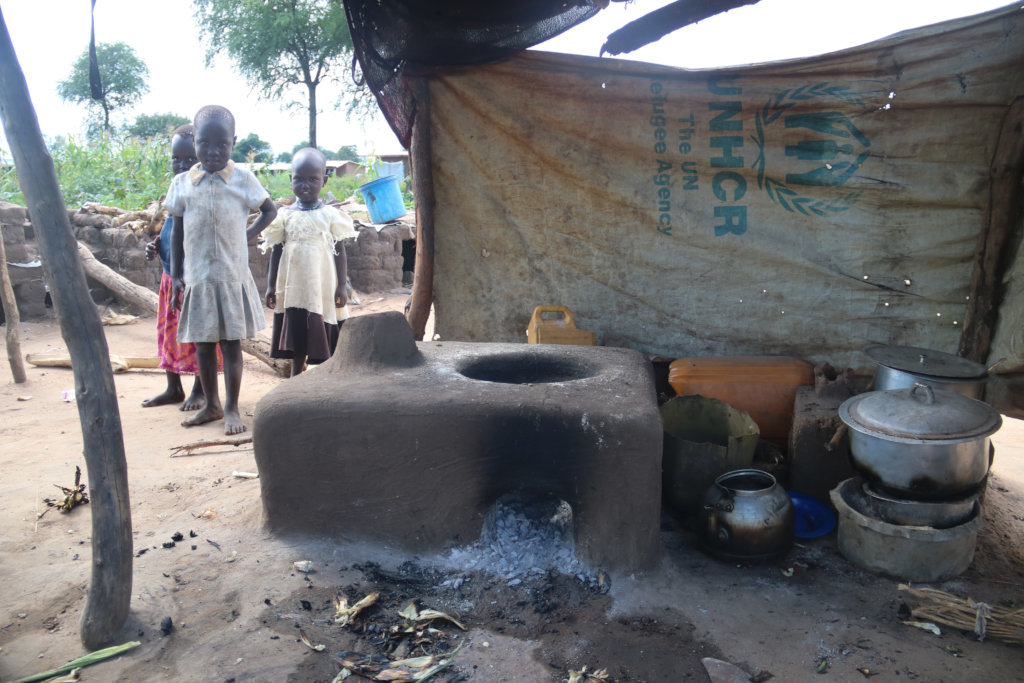
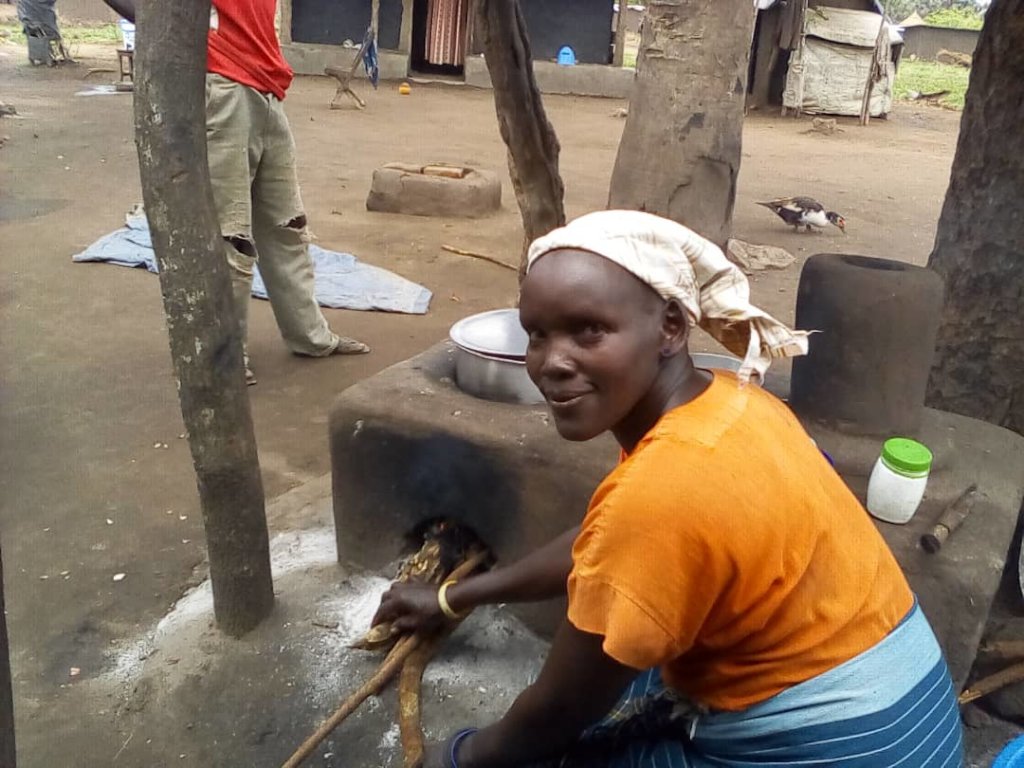
To better service the refugee community the nursery will grow, in addition to the Moringa, a mixture of fast-growing timber species that can be used for the sustainable harvest of firewood, including the following species; Markhamia lutea, Acacia, Maesopsis eminii, Combretum molle, and Khaya senegalensis as well as fruit trees, including the following species; Jackfruit, Avocado, Papaya, Guava, and Orange.
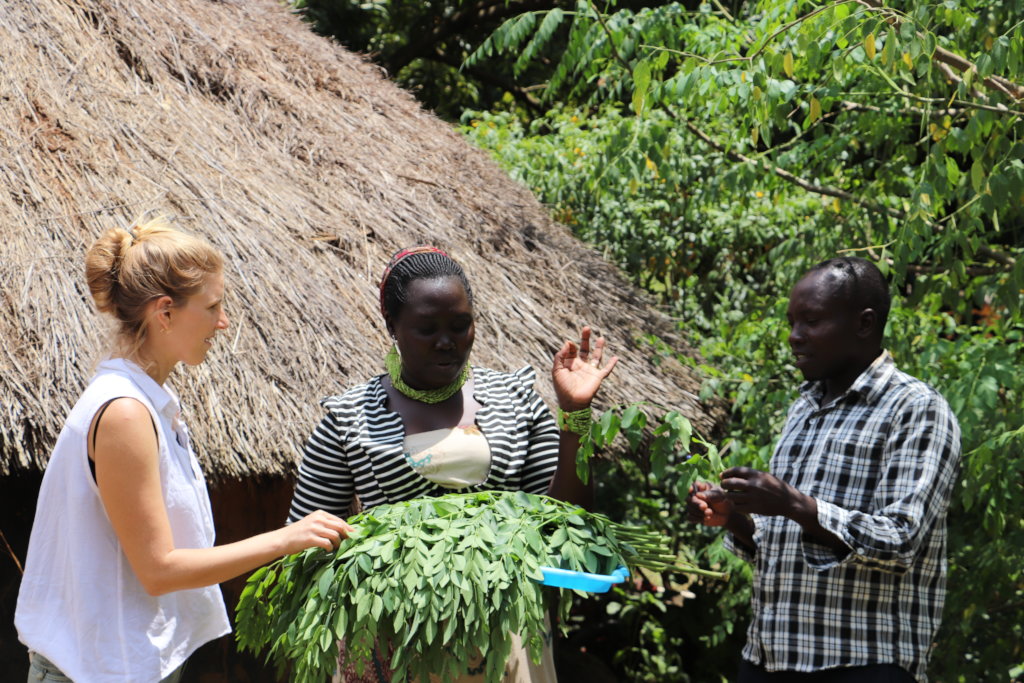
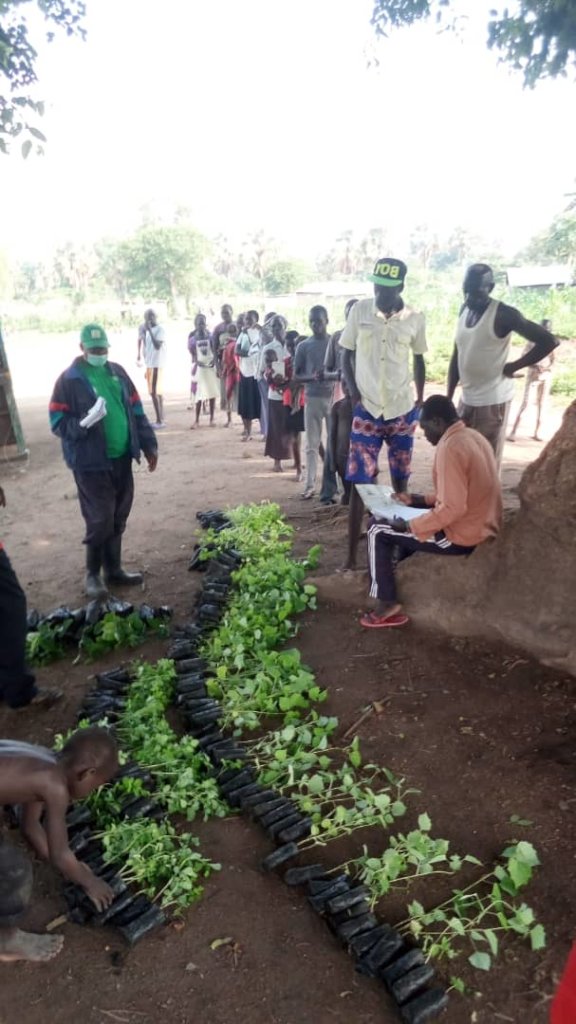
Trainings and seedling distribution will continue tin later planting months, primarily June and August. Each participating refugee household will receive 5 seedlings to plant on their 30m x 30m plot of land. While there may be some variation dependent on household preference and need, the standard distribution for each household will include 2 seedlings aimed at deforestation-free firewood sources and 3 aimed at increased nutrition (moringa and fruit trees).
In addition to tree seedling distribution and planting at the household level, woodlots for sustainable, deforestation-free firewood will be established next to schools and health clinics. Because host communities have much larger areas of land than refugees, the approximately 1,250 host community households participating will receive approximately 40 seedlings.
We're extremely excited about the potential this project has for this refugee community; our hope is that success of this project will lead to a replicable tree nursery and outreach model that can be used in refugee camps throughout the tropics where moringa grows. Data on all seedlings distributed and planted will be compiled and our team will document the program’s methodology step by step. A written case study highlighting how the planting of fast-growing timber species can divert deforestation due to firewood needs and how the planting of fruit and moringa trees can diversify refugees’ diets will be produced, including both successes and challenges. The purpose of this case study will be to provide a ‘proof of concept’ so that this program can be replicated at various levels; throughout the rest of Palorinya, to other refugee settlements in Uganda, and adapted to other refugee contexts where moringa grows.
We look forward to keeping you updated on the project's process in the coming months! In the meantime please continue to offer your support by sponsoring the production and planting of the Moringa trees for the refugees here on GlobalGiving!
Project reports on GlobalGiving are posted directly to globalgiving.org by Project Leaders as they are completed, generally every 3-4 months. To protect the integrity of these documents, GlobalGiving does not alter them; therefore you may find some language or formatting issues.
If you donate to this project or have donated to this project, you can receive an email when this project posts a report. You can also subscribe for reports without donating.