By Misbachul Munir | Project Staff
Introduction
Forest conservation requires approaches that not only restore ecological functions but also strengthen the economic resilience of local communities. In many forest-edge areas of Indonesia, communities depend on agricultural production for their livelihoods. As a result, conservation efforts are often more sustainable when they are linked to economic opportunities that provide tangible benefits for local people.
To address this challenge, the project promotes an agroforestry approach based on the principle of protecting forests while strengthening rural livelihoods. Rather than separating conservation from economic activities, agroforestry integrates both objectives within a single landscape management system.
Balancing Conservation and Livelihoods
The agroforestry model being developed aims to achieve two complementary goals:
By combining multiple plant species with different ecological and economic functions, communities can generate income throughout the year while maintaining tree cover and improving environmental conditions.
This diversified system reduces dependence on single commodities and creates a more resilient landscape capable of adapting to environmental and market changes.
Multi-Layered Agroforestry Design
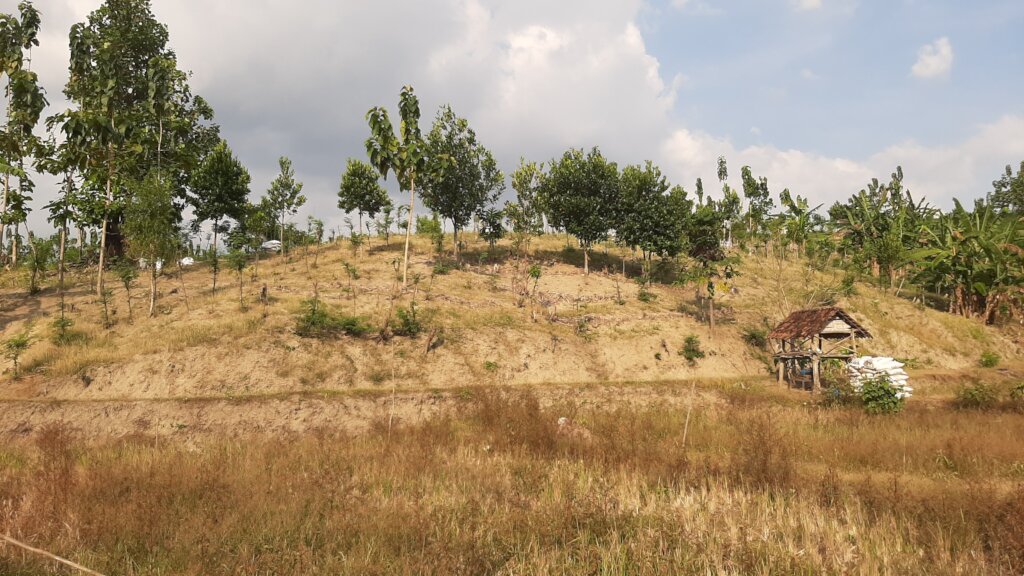
The agroforestry system is designed using a multi-layered structure that mimics natural forest ecosystems while remaining productive for local communities.
The design combines:
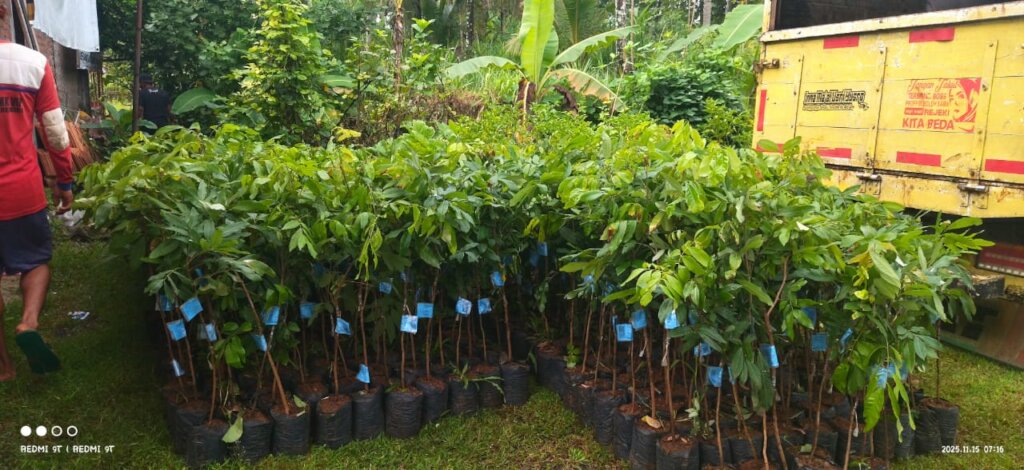
Timber Trees: Long-term species that contribute to landscape restoration, carbon sequestration, biodiversity protection, and future economic value.
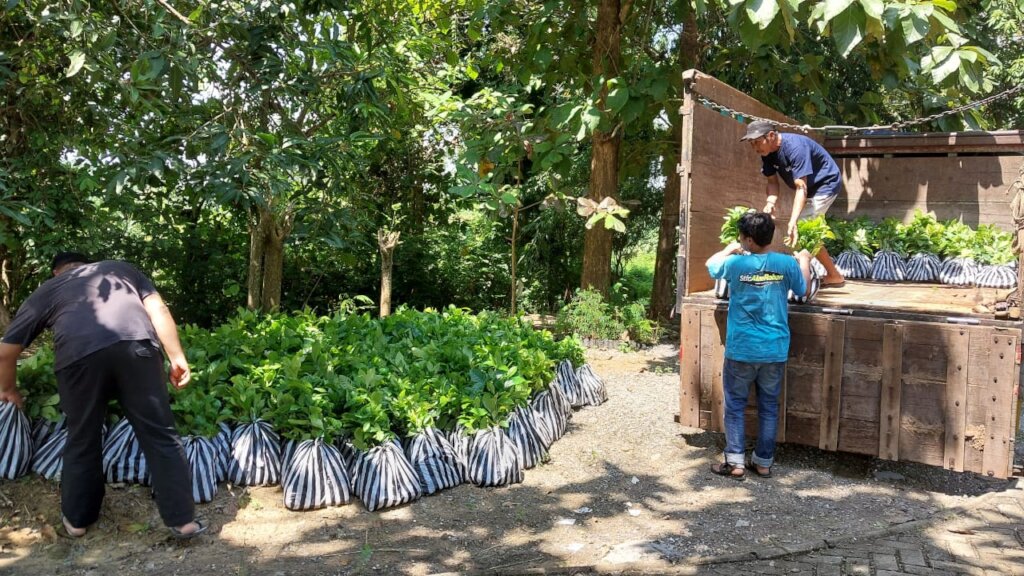
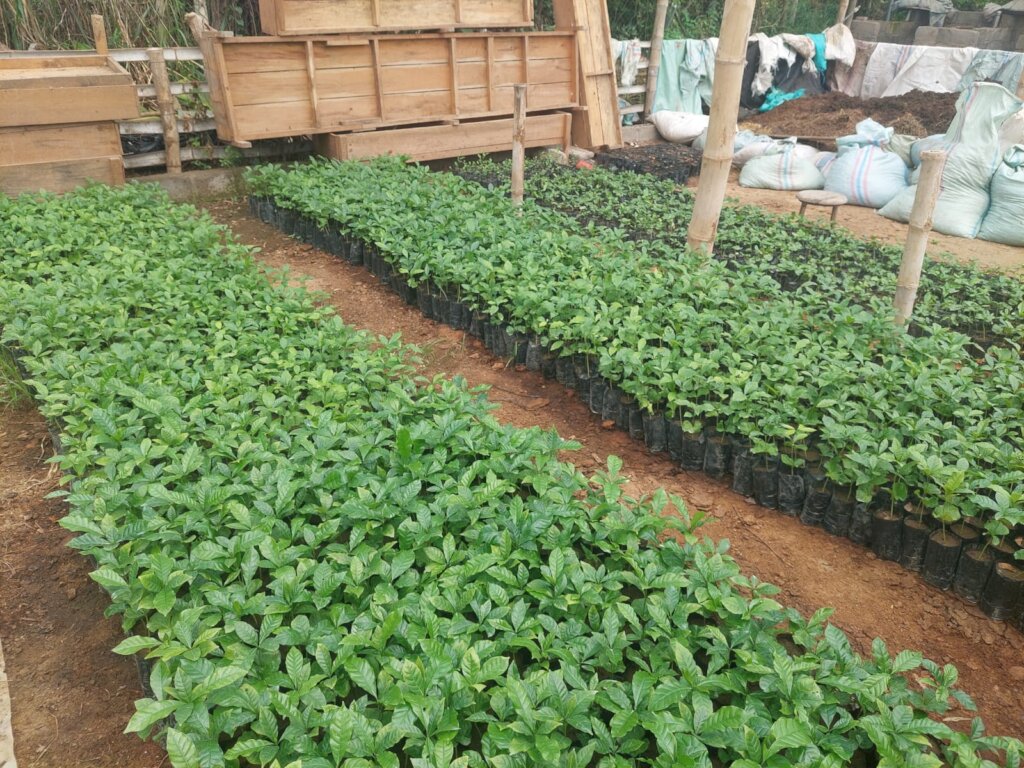
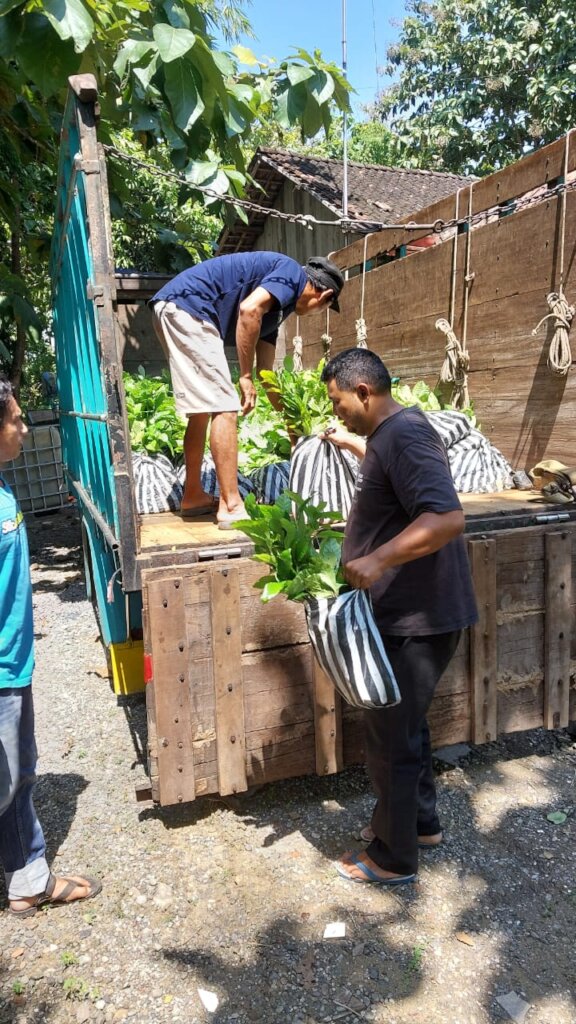
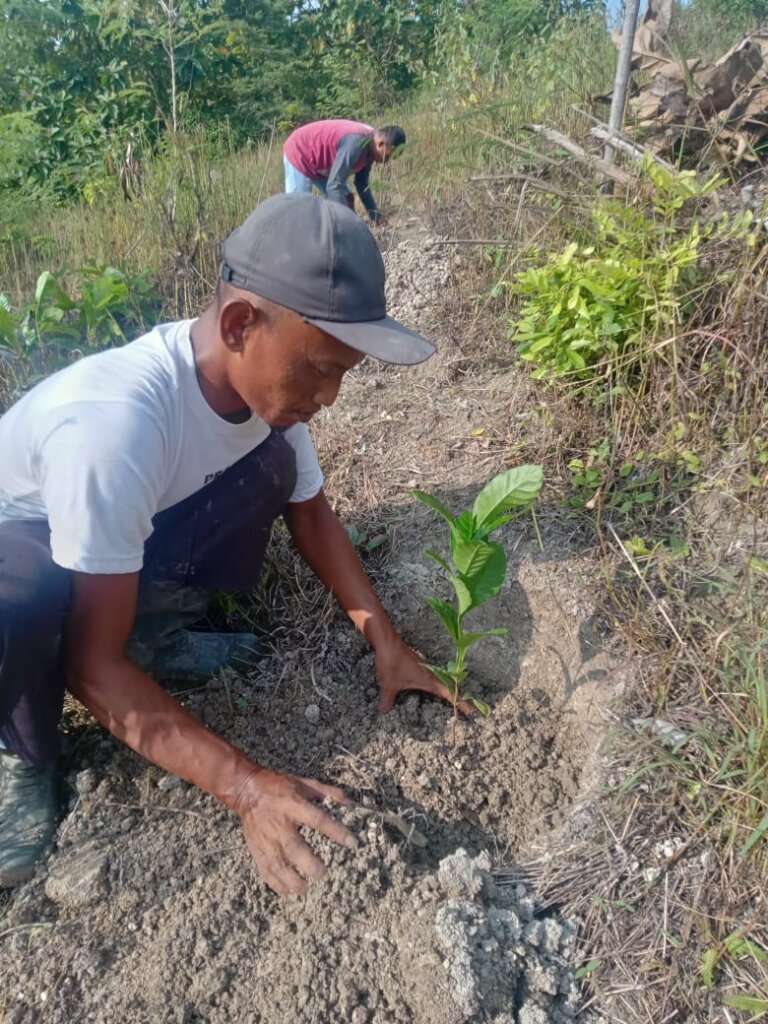
Perennial Crops: Species such as Liberica coffee that provide regular harvests while growing under partial shade. These crops serve as important sources of income while supporting forest restoration goals.
Daily and Seasonal Production: Species such as sugar palm (aren), horticultural crops, spices, and other short-cycle commodities provide more immediate economic returns and help support household cash flow.
Together, these components create a productive landscape that generates income at different time horizons while maintaining ecological functions.
Integrating Livestock into Agroforestry
The agroforestry model is further strengthened through the integration of community-based livestock systems. Sheep farming plays an important role in supporting both household economies and sustainable land management.
Livestock contribute to the system by:
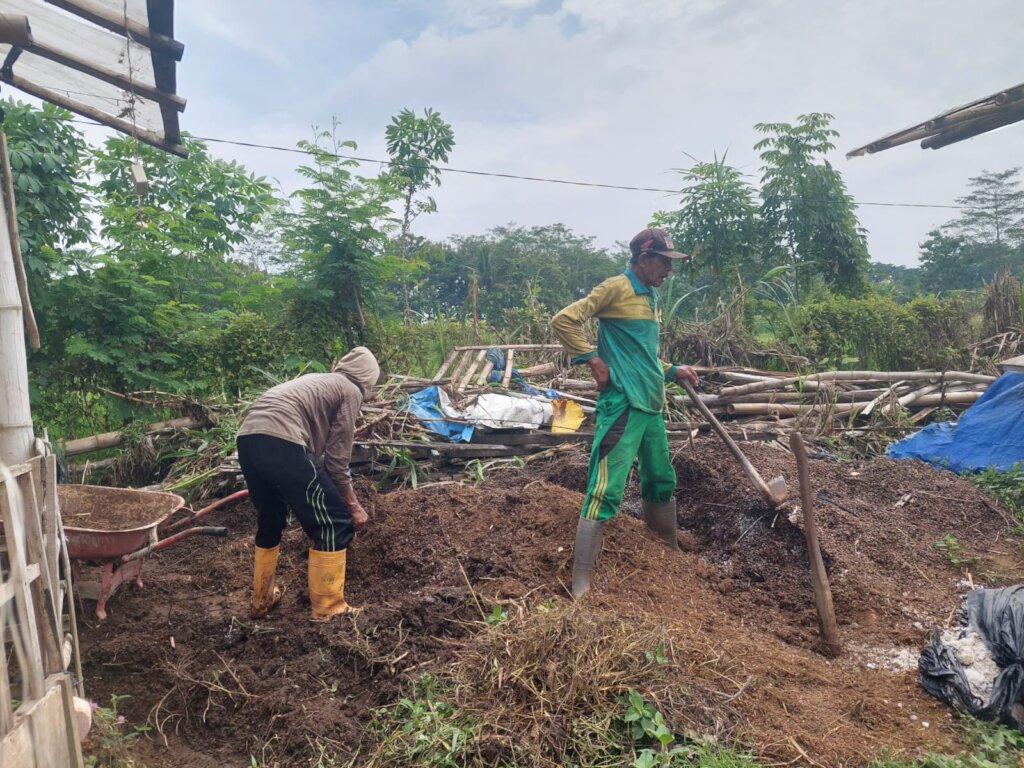
Organic fertilizer produced from livestock manure is returned to agroforestry plots, improving soil fertility and reducing dependence on chemical inputs.
Building a Circular Conservation Economy
The integration of trees, crops, livestock, and organic fertilizer creates a circular production system in which resources are continuously reused and transformed into new sources of value.
In this system:
This circular approach strengthens both environmental sustainability and local economic resilience.
Conclusion
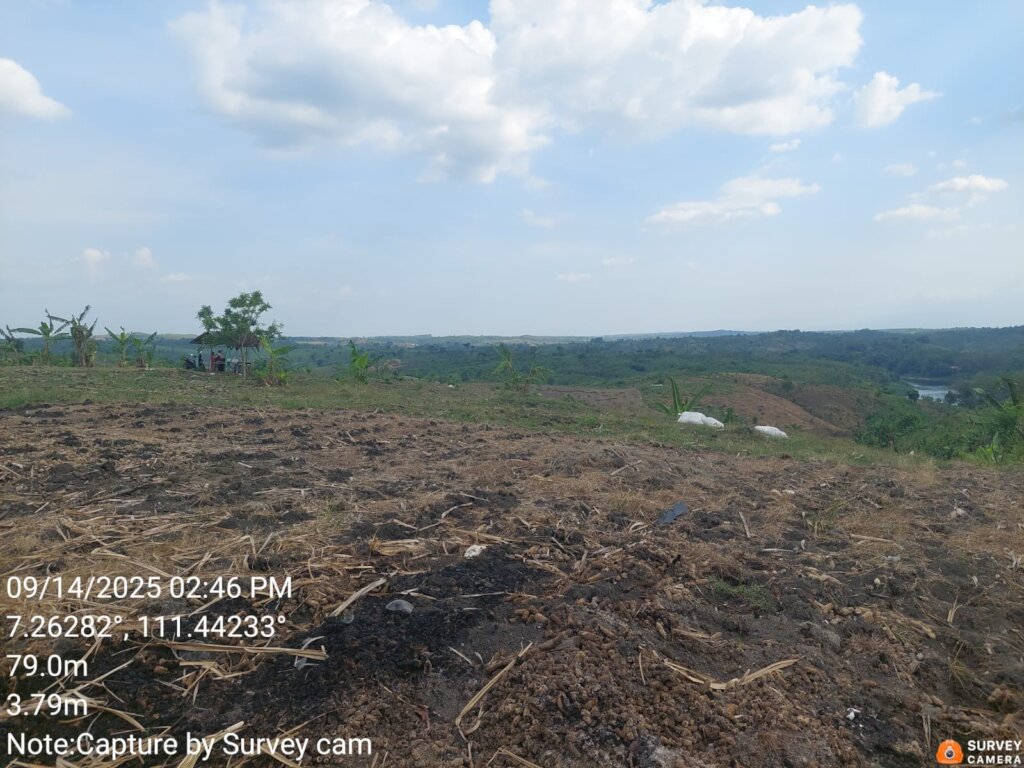
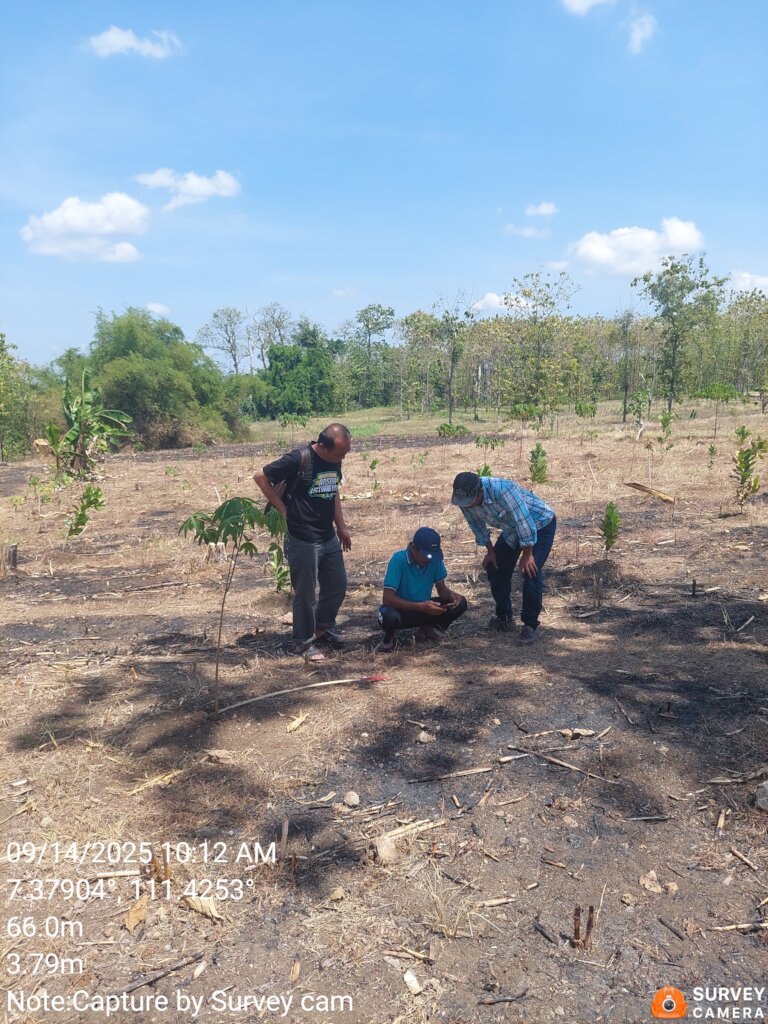
The agroforestry model developed through the project demonstrates that forest conservation and economic development can reinforce one another. By combining timber trees, coffee, sugar palm, horticultural crops, spices, and livestock within a single integrated system, communities can generate sustainable livelihoods while restoring degraded landscapes.
Through this approach, forests are not only protected—they become productive landscapes that support people, biodiversity, and long-term environmental resilience.
Project reports on GlobalGiving are posted directly to globalgiving.org by Project Leaders as they are completed, generally every 3-4 months. To protect the integrity of these documents, GlobalGiving does not alter them; therefore you may find some language or formatting issues.
If you donate to this project or have donated to this project, you can receive an email when this project posts a report. You can also subscribe for reports without donating.



Support this important cause by creating a personalized fundraising page.
Start a Fundraiser